Free Things to Do in Stockholm: Sights, Walks and Museums
Free things to do in Stockholm: Gamla Stan walks, Djurgården and Skeppsholmen paths, Monteliusvägen viewpoint, and which museums actually cost money.
On this page
Stockholm gives away its best scenery: you can walk Gamla Stan's lanes, cross to Skeppsholmen for the waterfront and outdoor sculptures, follow Djurgården's waterside paths and climb to the Monteliusvägen viewpoint without paying an entrance fee. What costs money is the headline attractions and the small daily spending that a cashless city makes easy to forget.
This guide separates sights that are actually free from ones that are merely cheap, groups them by the districts so they form a walkable day, and names the museums and galleries where entry costs nothing. It also flags the points where a free day still quietly spends money, so you can budget in Swedish kronor rather than guess.
Free things to do in Stockholm: the short answer
Build your free day around three clusters: Gamla Stan and Riddarholmen for streets and waterfront, Skeppsholmen for its waterfront and outdoor sculptures, and Djurgården for parkland and waterside paths. Visit Stockholm notes the sculptures and installations in Moderna Museet's surroundings on Skeppsholmen, which you can see from the paths without a ticket.
Add Södermalm for the Monteliusvägen viewpoint over Riddarholmen and the water, then finish in a park or on a ferry pier. That gives a full day of walking with almost no entrance fees, and it is the shape most first-time visitors should copy.
The trade-off is depth: a free day is a day of exteriors, streets and public collections rather than guided tours inside palaces or blockbuster exhibitions. If your trip is short, decide early which one paid attraction earns your money and keep everything else free.
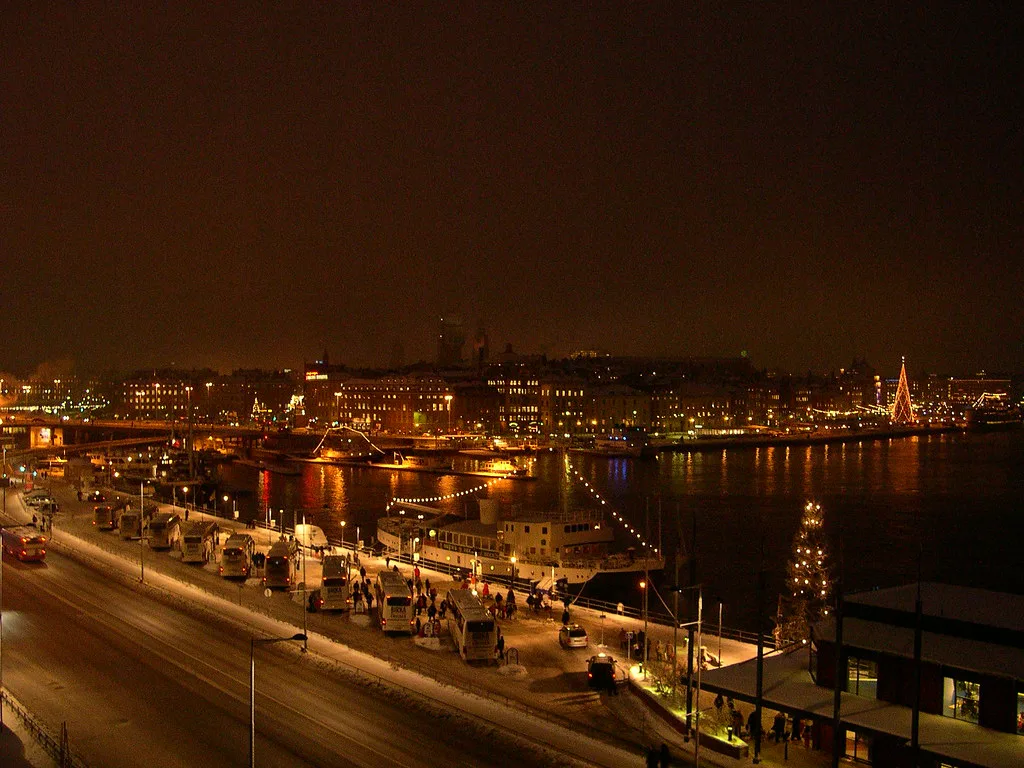
How much of Stockholm you can see without paying
Visit Stockholm describes seven central districts, each with its own character, from Södermalm's laid-back feel to Djurgården's green surroundings and Norrmalm's big-city bustle. Because they sit close together, the free sights in each one stack into a single continuous walk rather than a series of paid transfers.
The city's own tourism office frames Stockholm as a place where city life and nature connect, with around 30,000 islands in the surrounding archipelago and the water never far away. In practice that means waterfront promenades, bridges and quays do much of the sightseeing for you, and they cost nothing.
Be clear about what is not free. The Vasa Museum charges admission, and so do many of the headline sights in the must-see lists, so treat the free day as your base and pay selectively on top of it.
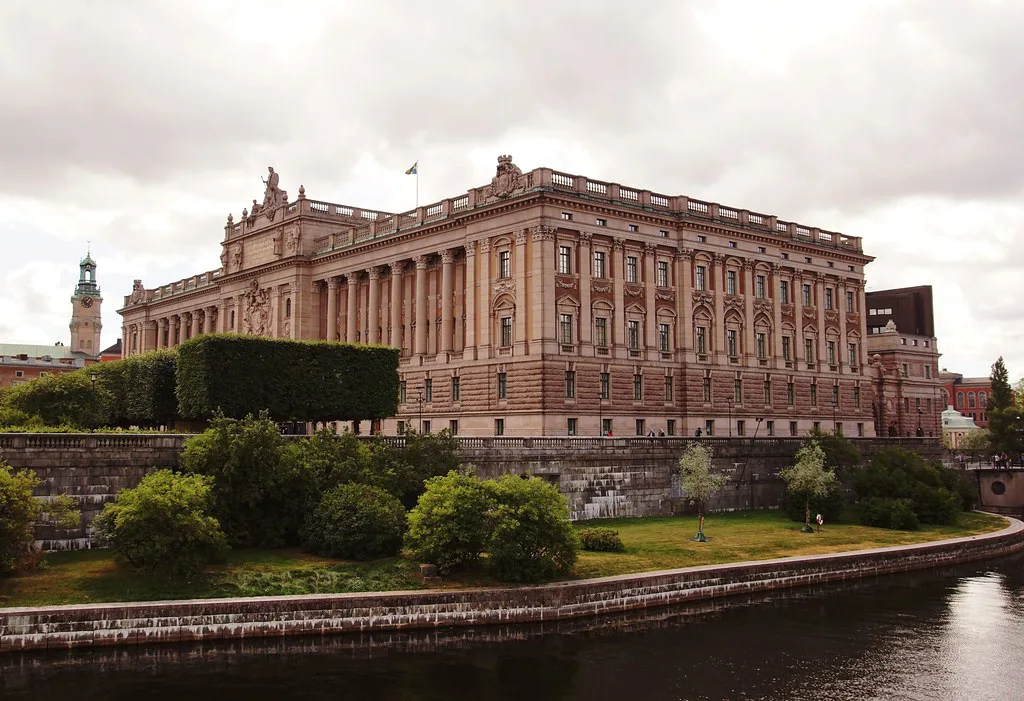
Old Town on foot: Gamla Stan
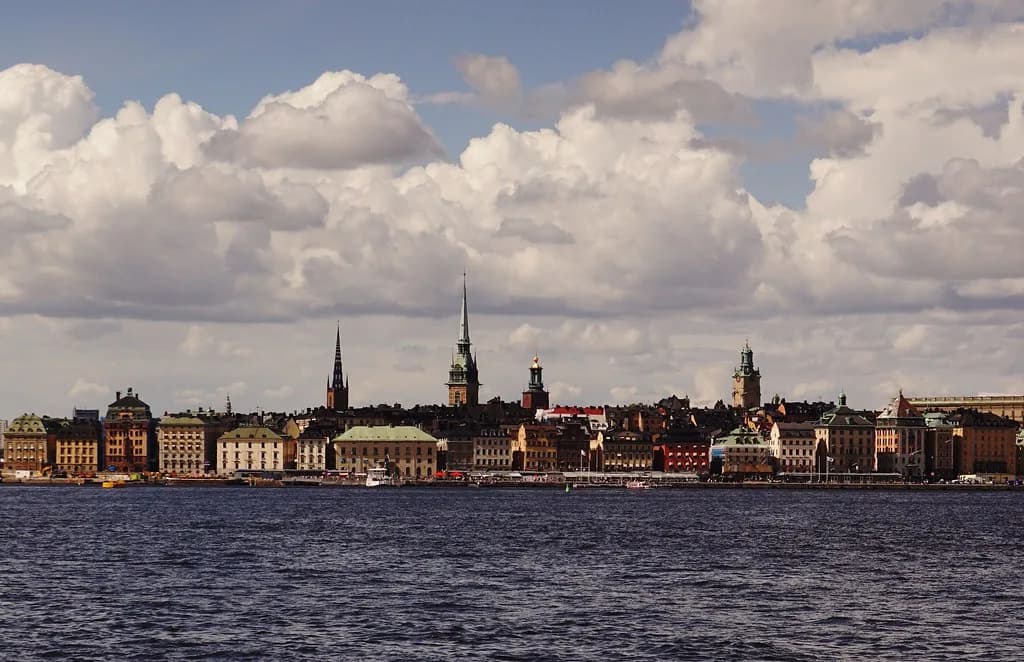
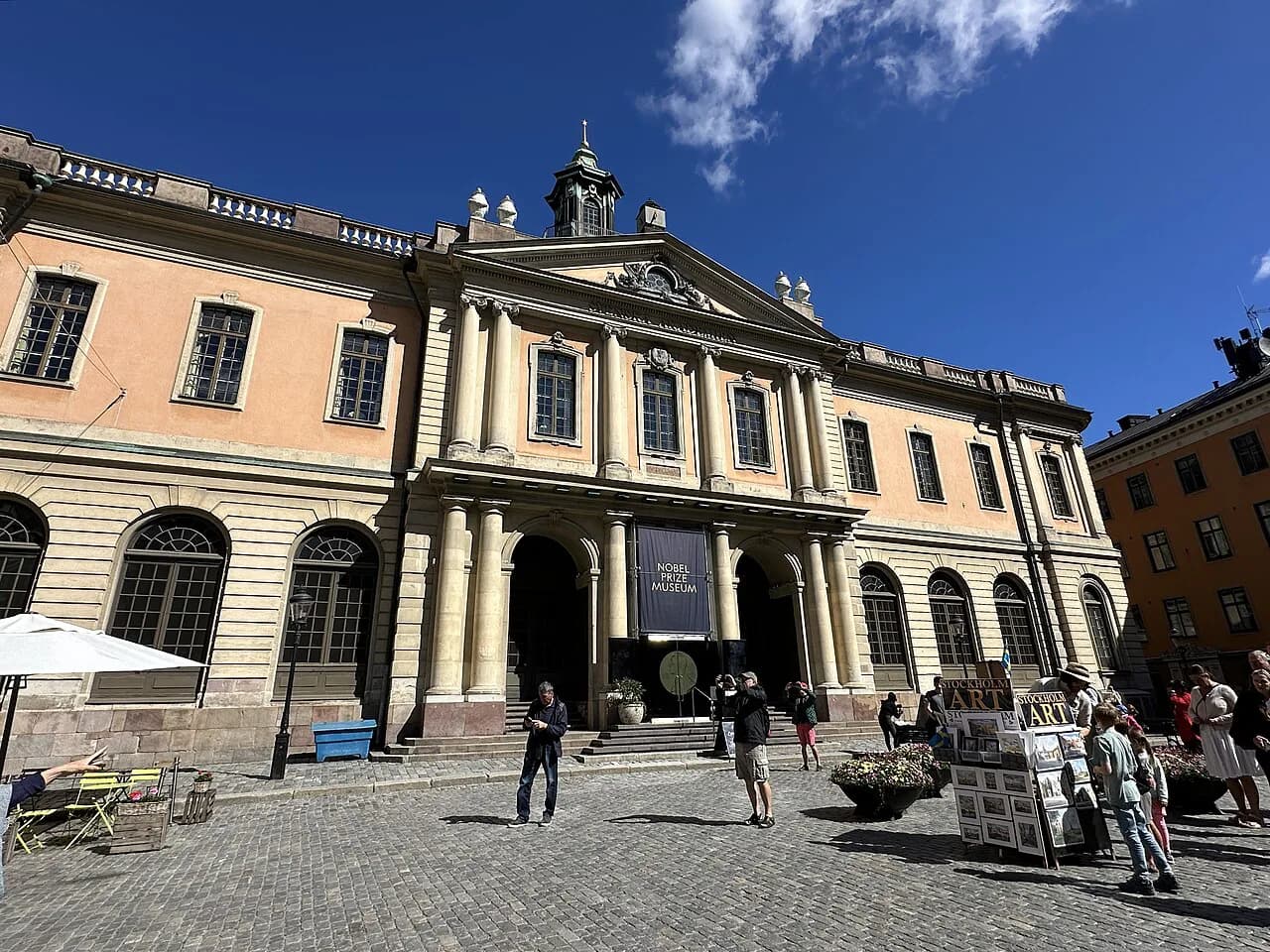
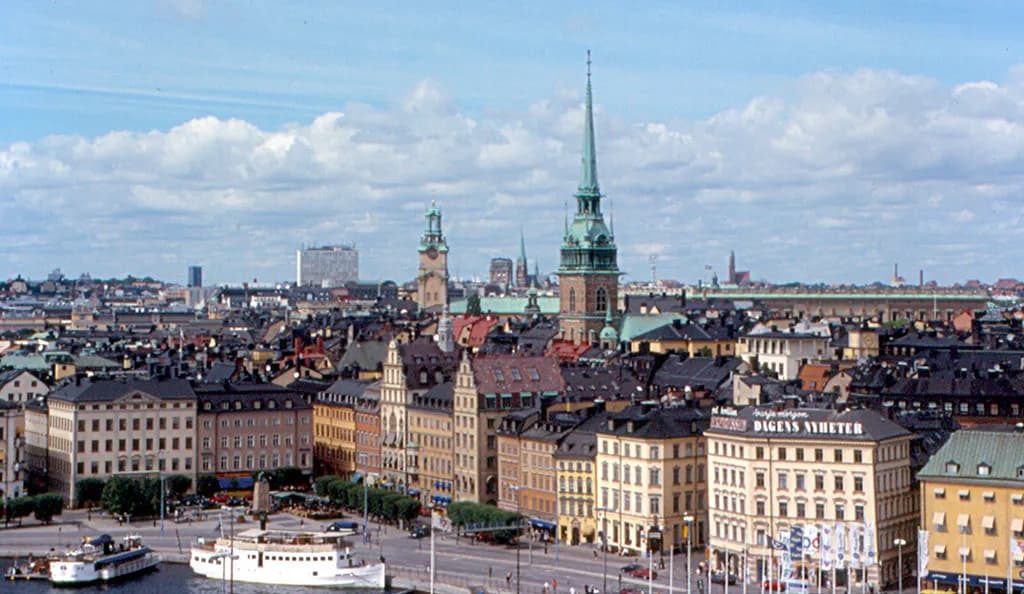
Gamla Stan is the obvious place to start: narrow lanes, colour-washed houses and squares that reward slow walking rather than a checklist. The Royal Palace and the Nobel Prize Museum sit here, but the streets around them, the church exterior and the water views from the edges are open to everyone on foot.
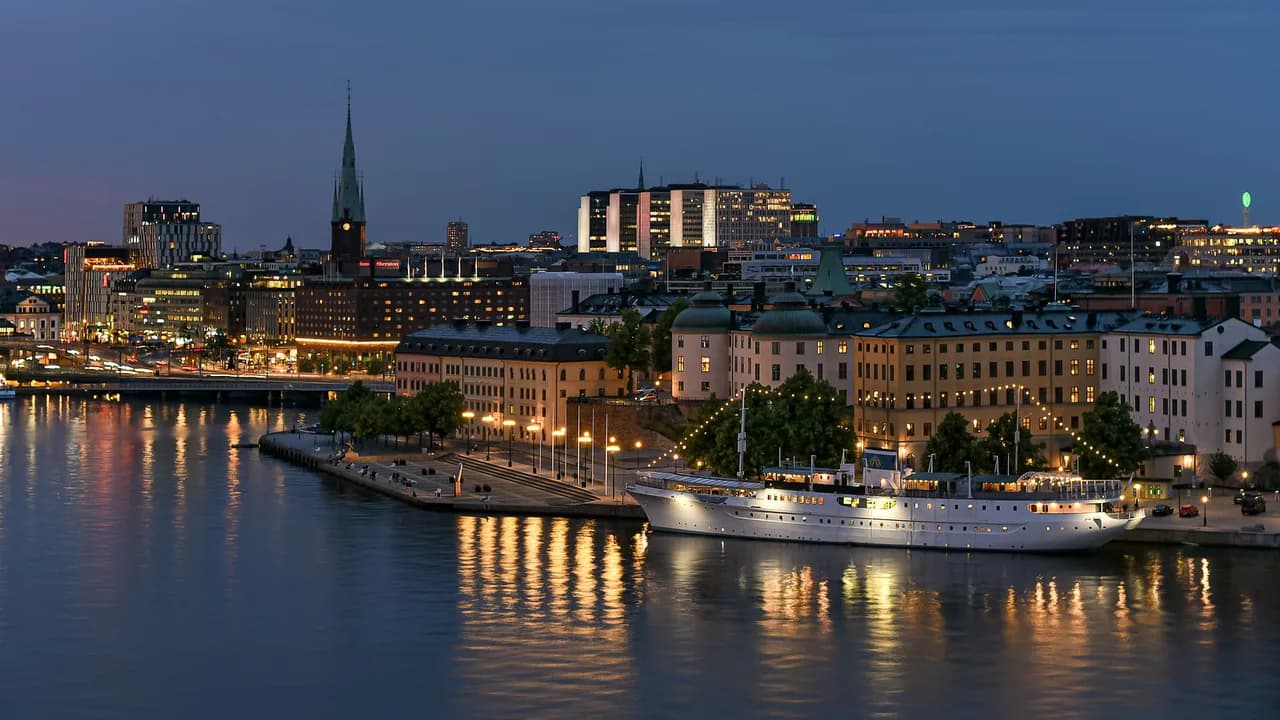
Walk south through the old town and across the bridge to Riddarholmen, the small island of palaces and church spires that gives the classic view back across the water towards Gamla Stan. It takes minutes and is one of the best free photographs in the city.
If you want the lanes explained rather than just admired, a guided walk is the one place where paying adds something a free stroll cannot. Otherwise, use a self-guided route and keep the money for a museum later in the trip.
Djurgården's green spaces and waterside paths
Djurgården is the city's breathing space, and Visit Stockholm treats it as part of central Stockholm precisely because it holds so many attractions among the trees and water. You can walk its paths and sit by the water without paying an entrance fee.
Several art venues sit on the island, inside paid or ticketed entry in some cases, including Liljevalchs Konsthall and Prince Eugen's Waldemarsudde. Treat the island's paths and waterside setting as the free part and check each venue's own pages before you go if you want to step inside.
The surrounding water is where the free day turns into an optional paid one: a boat trip out into the archipelago or a short ferry hop along the harbour adds cost but also a completely different view of the city.
Art and culture venues to check before you go
Moderna Museet on Skeppsholmen holds one of northern Europe's largest collections of modern and contemporary art, with works by artists such as Dalí and Rauschenberg. The museum's surroundings on Skeppsholmen hold sculptures and installations you can see from the paths outside. Check the museum's own visitor pages for current admission and opening days before you build a day around it.
On the Norrmalm side, Kulturhuset Stadsteatern runs exhibition halls alongside its library, cinema and theatre. Check each venue's own pages for current admission and opening days before you slot them into a rainy afternoon.
Nationalmuseum on Blasieholmen shows Swedish art and design from a collection of around 670,000 objects, and its own pages set out opening hours and ticket prices. Check the museum's own visitor pages rather than relying on second-hand lists, because opening days and admission terms change between seasons.
Fotografiska, the photography centre on Södermalm's waterfront, is a paid museum with a well-known restaurant, so treat it as an evening option rather than part of the free circuit.
Södermalm and Monteliusvägen viewpoint
Södermalm is where the free day pays off most: the Monteliusvägen path runs along the cliff edge above the water and looks straight across to Riddarholmen and Gamla Stan. Go late in the afternoon for the light, and bring something to drink because there is nothing to buy on the path itself.
From there, wander down through the streets towards the water and the Slussen area, where the rebuilt locks and quays give another free vantage point. The district is hilly, so plan your route downhill if you are carrying shopping or travelling with children.
If a shower interrupts the walk, the metro is an art gallery in its own right: several stations are decorated with mosaics, murals and installations, but you need a valid ticket to travel, so a single ticket buys a tour of public art as well as a journey.
Stockholm's districts and where the free sights sit
Group the free sights by district so you walk in one direction rather than criss-crossing the city. Norrmalm and Östermalm hold the central museums and the harbour front; Gamla Stan and Riddarholmen are the old streets; Skeppsholmen and Djurgården are the green and watery pair; Södermalm is the viewpoint and the cliff path.
Kungsholmen and Vasastan fill the gaps with ordinary city life: residential streets, local squares and the kind of everyday Stockholm that most short-break itineraries skip entirely.
One useful free ritual is fika, the Swedish coffee break, taken as a pause rather than a meal. The coffee and bun cost money, but the habit of sitting down for twenty minutes in the middle of a walking day is free, and it keeps a long itinerary manageable.
What isn't free, and where the costs creep in
The big charges are predictable: many of the headline sights and most temporary exhibitions have admission prices, which each venue publishes in Swedish kronor on its own site. Budget for one or two of them and keep the rest of the trip free.
The smaller costs are the ones that catch people out. Sweden is largely cashless, so cards and phones cover almost everything, and coffee, snacks, a metro ticket and a ferry ride add up quietly across a day of walking.
Paid transport is worth weighing honestly: a single harbour ferry or boat trip can replace an hour of walking with a much better view, but it is still a cost, so decide which crossings you actually need.
Shopping is the other soft spot, especially around the central streets, where browsing turns into buying very easily. Set a rough daily limit in kronor before you leave and check current prices on venue and operator websites as you plan.
Filling a free day or three days in Stockholm
For one day, start in Gamla Stan, cross to Riddarholmen for the view, walk the water's edge to Skeppsholmen for its outdoor sculptures, then finish on Södermalm at Monteliusvägen. That is a full day on foot with no entrance fees and plenty of places to stop.
For two days, give the second morning to Djurgården's paths and the harbour, and use the afternoon for one paid attraction you have chosen deliberately. For three days, add a half-day in Kungsholmen or Vasastan, plus a boat trip if the weather is kind.
Check each museum's own calendar before you go, since free entry, opening days and exhibition closures vary by season and by venue. Two minutes on the venue's page is worth more than any list.
Which paid sight deserves your kronor?
A free Stockholm is not a compromised Stockholm: the old town, the water, the viewpoints and the outdoor art carry a short break on their own. Pick one or two paid sights that genuinely interest you, check their prices and opening days directly, and let everything else be streets, ferries and fika.
Explore more Stockholm guides
Frequently Asked Questions
Is the Vasa Museum free?
No, the Vasa Museum is one of Stockholm's paid attractions rather than a free sight, so treat it as a deliberate spend rather than part of a free day. Check the museum's own website for the current price in Swedish kronor and for opening days, which can differ by season.
Is the tram free in Stockholm?
No. Trams and the metro are part of the public transport network and require a ticket, so a tram ride is a cost rather than a free activity. Walking between the central districts is genuinely free, and several metro stations are decorated with public art worth seeing if you are buying a ticket anyway.
What should I do in Stockholm in three days?
Spend day one on Gamla Stan, Riddarholmen, Skeppsholmen and the Monteliusvägen viewpoint; day two on Djurgården's paths plus one paid museum you have chosen; and day three in Kungsholmen or Vasastan with a boat trip if the weather suits. Check each venue's own calendar for opening days and prices before you commit.
Sources
Notes for your next Swedish city break
Optional updates to our Sweden guides.
You might also like
Continue reading
More guides you'll find useful