Gothenburg in Summer: What to See and Do
Plan a summer city break in Gothenburg with parks, gardens, harbour walks, Haga and archipelago boat trips, plus how long to allow and what to book.
On this page
Gothenburg in summer is a city break built around daylight: the long evenings let you stretch an afternoon of parks and harbour walking well past dinner. Two full days covers the walkable centre and one island trip; three or four days leaves room for the botanical garden, Änggårdsbergen and a run up the coast. This guide covers typical seasonal weather, how long to allow, the sights worth your time and the trade-offs between staying central and heading out to the water.
What summer is like in Gothenburg
Sweden's west coast summer brings mild, changeable days rather than guaranteed heat, so pack a light waterproof alongside short sleeves and treat any sunny spell as a bonus. The bigger reason to come now is the light: evenings stay bright for hours, which makes a post-dinner walk along the water genuinely practical rather than a rush before dark.
If you are weighing up dates across the year, the Best Time to Visit Gothenburg guide sets summer against spring and autumn. The shoulder months are quieter, but summer is when the archipelago boats, gardens and outdoor terraces all operate at full stretch.
Midsummer sits at the end of June and is Sweden's biggest summer celebration, with many businesses closed around the main day. If your trip overlaps it, plan it as a quiet day and read up on Midsummer in Gothenburg before you book travel on that date.
How many days you need for Gothenburg in summer
Two days is the honest minimum: one for the central streets, one for the water or the archipelago. Three days lets you add the Gothenburg Botanical Garden and a long walk through Änggårdsbergen without dropping anything, and four days makes boat timetables feel relaxed rather than tight.
Build each day around a return ferry or a closing time rather than a rigid hour-by-hour plan, because summer daylight gives you a second window after an early dinner. With the island trip booked for the middle day, you avoid squeezing it against arrival or departure.
The walkable core: Gustav Adolf Square, Avenyn and Haga
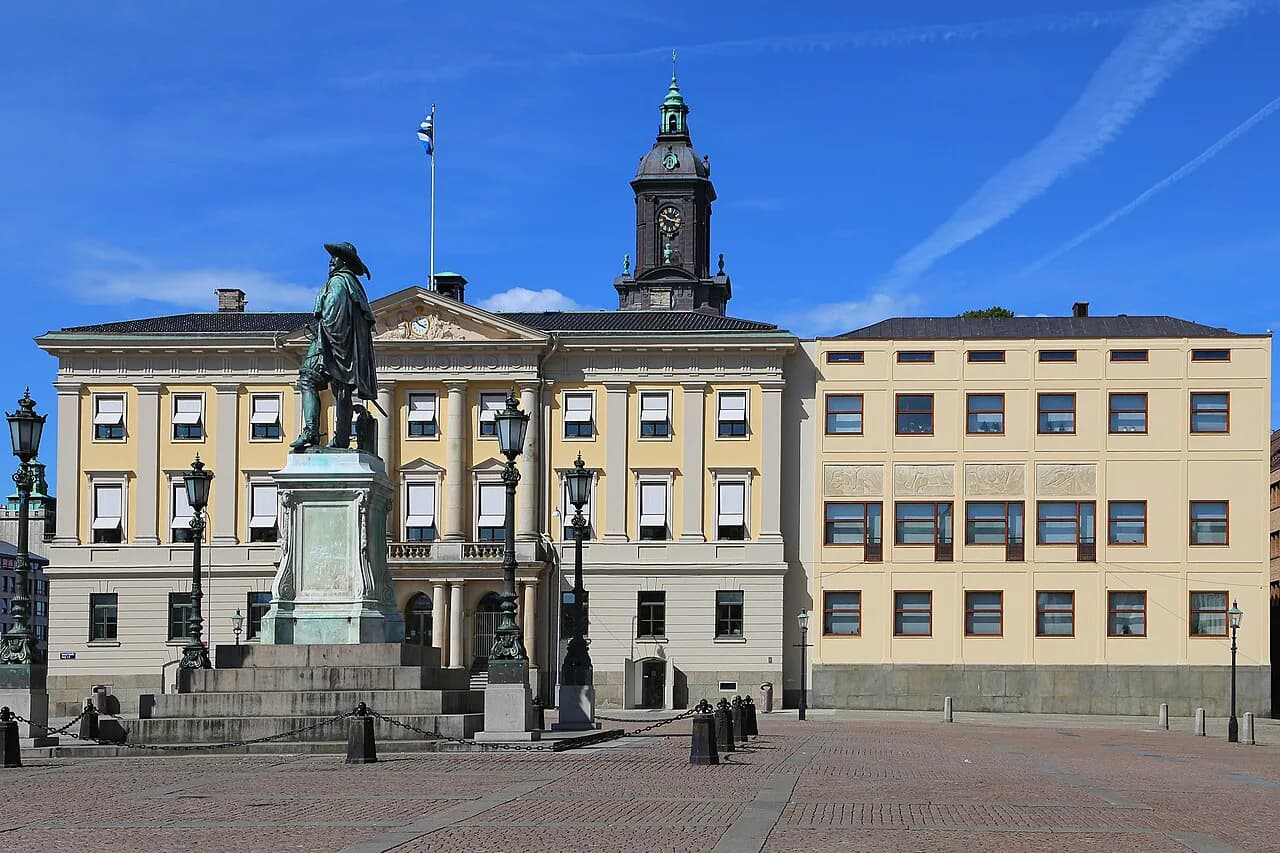
Start at Gustav Adolf Square, named after the city's founder, and you can reach most of the main attractions on foot from there. The opera house and the main shopping district sit within easy walking distance, along with the Poseidon statue at Götaplatsen at the top of Avenyn.
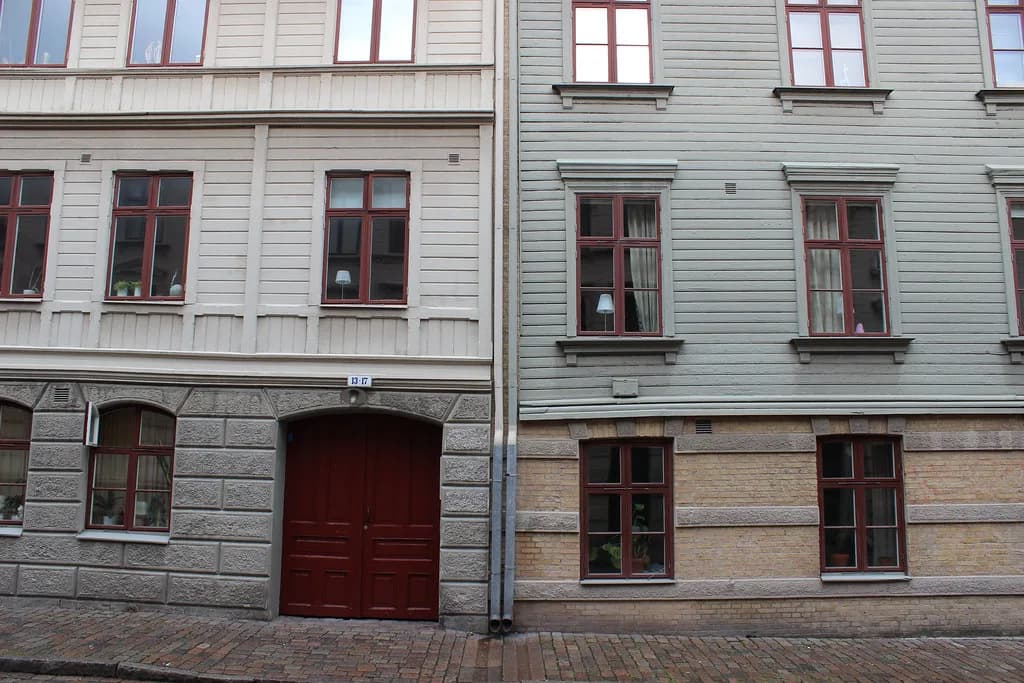
Haga is the historic district to slow down in, with cobbled streets and traditional cafés that suit a fika stop in the middle of a summer afternoon. Pair it with the Röhsska Design Museum if you want contemporary Swedish design indoors, and save the old shipyard neighbourhoods for a wander when the light softens.

Parks and gardens: Gothenburg Botanical Garden, Slottsskogen and Änggårdsbergen
The Gothenburg Botanical Garden holds more than 16,000 plant species across rock gardens, greenhouses and open meadows, and sits on the edge of Änggårdsbergen nature reserve. It is one of the largest botanical gardens in Europe and a good half-day in itself.
Änggårdsbergen offers wilder walking, while Slottsskogen gives you a city park with a gentler pace. If you have only two days, pick the botanical garden; with three, add a trail and treat it as the day's main outing rather than an add-on.
Hikers who want more can look at longer routes such as the Bohusleden and Vildmarksleden, which pass lakes and rocky ridges outside the city. Cycle paths and lakeside trails around Delsjön and Hisingsparken are other low-effort ways to reach green space, often just a short tram or ferry ride from the centre.
Harbour and waterfront wandering
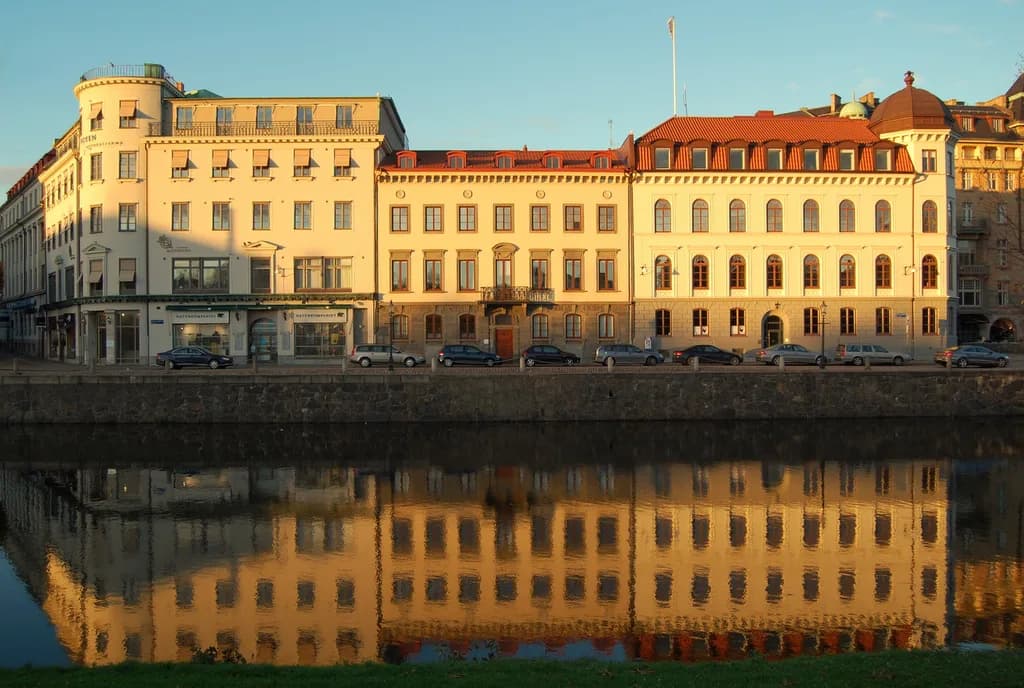
The harbour side of the city pairs well with the central walk: Feskekôrka, the fish market building, is a natural pause, with the opera house on the water nearby. Walk between them and you get the working port on one side and the old civic centre on the other in an hour or two.
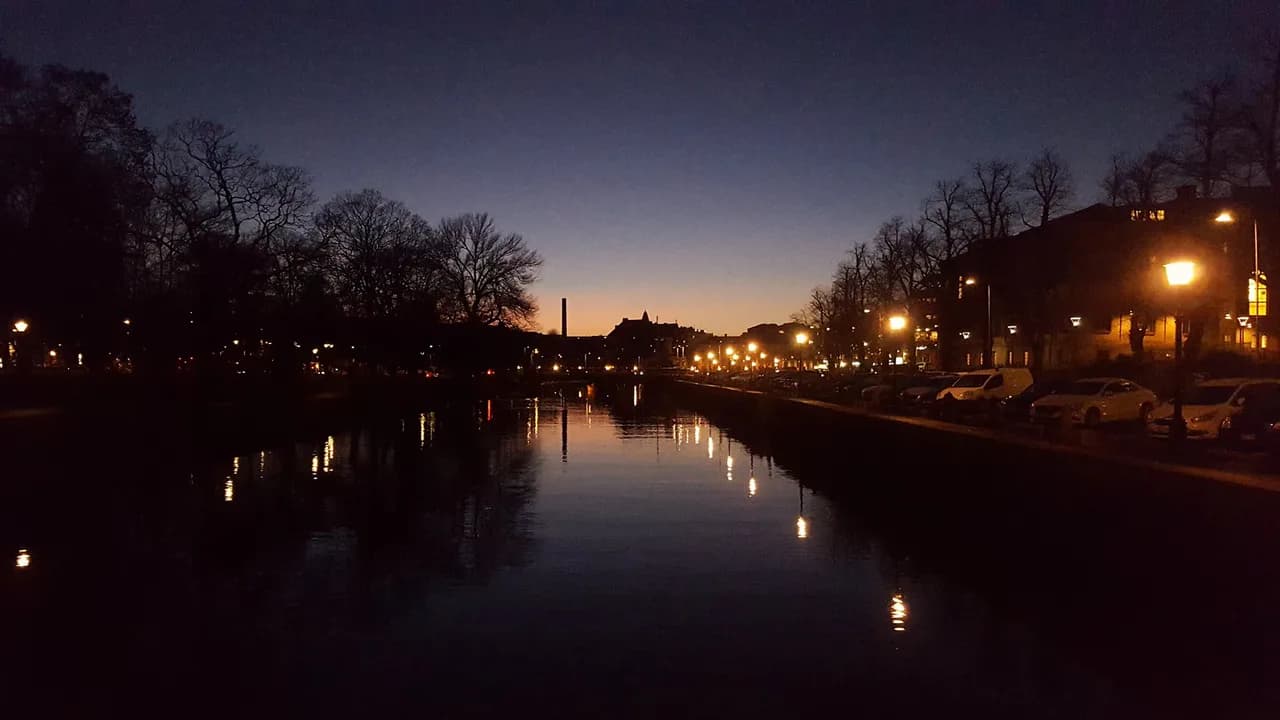
On a bright evening, build the waterfront stretch around the sunset rather than the other way round. It is an easy, flat way to end a day and it stays light long enough that you do not need to rush.
Island-hopping in the Gothenburg archipelago
The archipelago is reachable by ferry and gives you rocky island paths without a car; Hönö is one option for an easy taste of island life. The trade-off is real: a boat trip eats half a day or more, so it works best in the middle of a three- or four-day stay.
Check sailing times and connection details locally before you commit, because island services are seasonal and frequency varies through the day. If you only have two days in the city, keep the island trip optional and choose the shorter crossing on the fairest day.
Day trips and coast trips: Bohuslän and Marstrand
With a little more time, a boat cruise along the Bohuslän coast or a short trip to the island town of Marstrand makes a fine summer outing. Both work best as a full day, so they suit a longer break rather than a short weekend.
Compare the coast day with the archipelago day before booking both. They overlap in what they offer, and one well-chosen outing leaves more time for the city's museums and neighbourhoods.
Rainy-day summer options: museums and indoor attractions
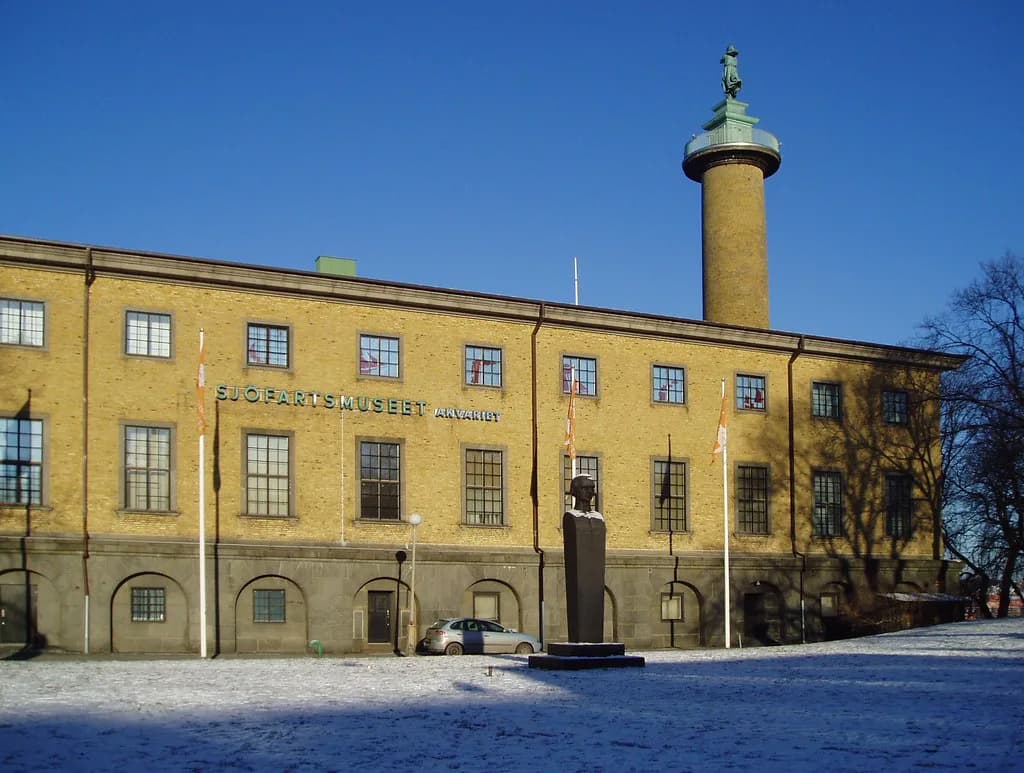
When the weather turns, the Gothenburg Museum of Art and the Röhsska Design Museum are the obvious indoor anchors. World of Volvo adds another option for anyone interested in the city's engineering heritage.
Keep one indoor pick in reserve rather than pre-scheduling it, so a wet morning does not derail a day you had planned around parks and water. Gothenburg in October is worth a look if you like the sound of a cooler, museum-led version of the same city.
What things cost in SEK and how cashless Sweden changes your planning
Sweden runs largely on cards and mobile payments, so budget in Swedish kronor but expect to tap rather than carry cash. Ticket prices, ferry fares and museum entry change, so check the operator or museum page on the day rather than relying on a figure you read before you left. Tickets for the main sights should be priced from the venue itself.
The Botanical Garden's scale makes it a strong value choice for a long summer visit, while a private boat cruise up the Göta Canal or a tailor-made coastline trip is a premium day.
How summer days shape your itinerary
Long daylight lets you do the city early and the water late, or the reverse if you catch a morning ferry. A simple structure: day one for Gustav Adolf Square, Haga and the harbour; day two for the garden and Änggårdsbergen; day three for the archipelago or coast.
Check local events before you lock dates, because summer weekends fill up and some sights adjust their hours. If you are flexible, Gothenburg in April is quieter, but it is a different trip: read the shoulder-season guide to see how it compares.

Should you book the archipelago day or the coast trip?
Pick the archipelago if you want the simplest reachable water day without a car, and the Bohuslän or Marstrand trip if you are happy to give up a whole day for a bigger coastal outing. Neither is worth forcing into a two-day break.
Build the rest of the trip around the walkable core and one green day, and leave the long evenings free for the harbour. That is what makes Gothenburg in summer work: the light gives you a spare half-day every day, and you spend it on foot.
Explore more Gothenburg guides
Sources
Notes for your next Swedish city break
Optional updates to our Sweden guides.
You might also like
Continue reading
More guides you'll find useful