Museums in Gothenburg: Which Ones Are Worth Your Time
A candid guide to museums in Gothenburg, from the city museum's Viking ship to natural history and science collections, with what each holds and how long to allow.
On this page
Gothenburg's museums split cleanly into three: Göteborgs stadsmuseum for the city's story, the Natural History Museum for the living world, and Universeum for hands-on science. Göteborgs stadsmuseum and Universeum both sit in the central grid within a short walk of each other, which makes a museum-led day easy to plan; the Natural History Museum needs a tram ride east. This guide covers what each collection actually contains, how long to allow, how to group them by neighbourhood and where to check prices and opening days before you travel.
What Gothenburg's museums cover and how to choose between them
The city museum covers 12,000 years of local history, from prehistory to the modern city, and holds the Äskekärrsskeppet, the only Viking ship on display in Sweden. The Natural History Museum takes the long view of the planet, with permanent exhibitions that run from the Big Bang through evolution to present-day biodiversity. Universeum is the interactive option, built around exhibitions and hands-on experiences rather than glass cases.
Choose by appetite rather than by size. If you want one museum that explains Gothenburg itself, pick the city museum; if you are travelling with children who need to touch things, Universeum is the obvious draw; if you have a rainy half-day and a taste for natural science, the Natural History Museum fills it comfortably. The collections barely overlap, so there is little point trying to see all three in a short break.
For the wider context that shapes a Gothenburg visit, including how the harbour and the Göta älv made the city what it is, our background guide to Gothenburg history fills in the story the museums only partly tell.
If your interests lean more towards art than archaeology or anatomy, the visual side of the city is covered separately in our guide to the Gothenburg art museum and the galleries around it.
Göteborgs stadsmuseum: 12,000 years of city history and Sweden's only displayed Viking ship
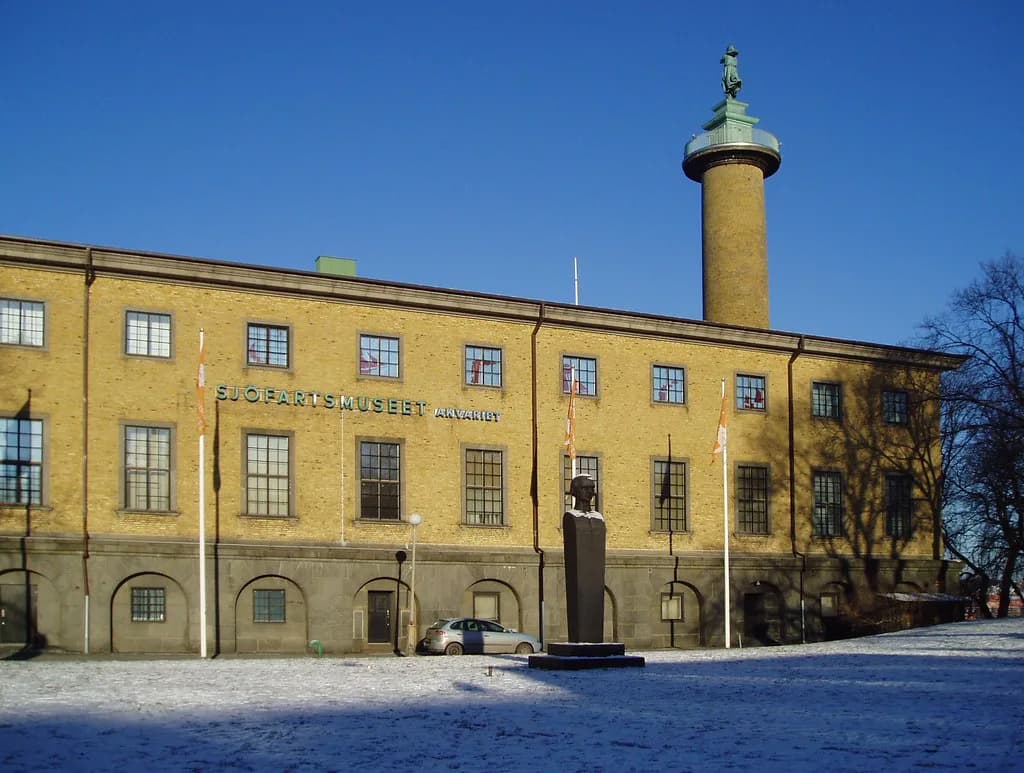
Göteborgs stadsmuseum is the museum to choose if you want to understand the city rather than just look at it. Its permanent displays trace 12,000 years of dramatic history, and the headline object is the Äskekärrsskeppet, described by the museum as Sweden's only exhibited Viking ship. The museum also runs short guided viewings of individual objects during the day, including a fifteen-minute talk on the ship, so check the day's programme on arrival and build your route around it.
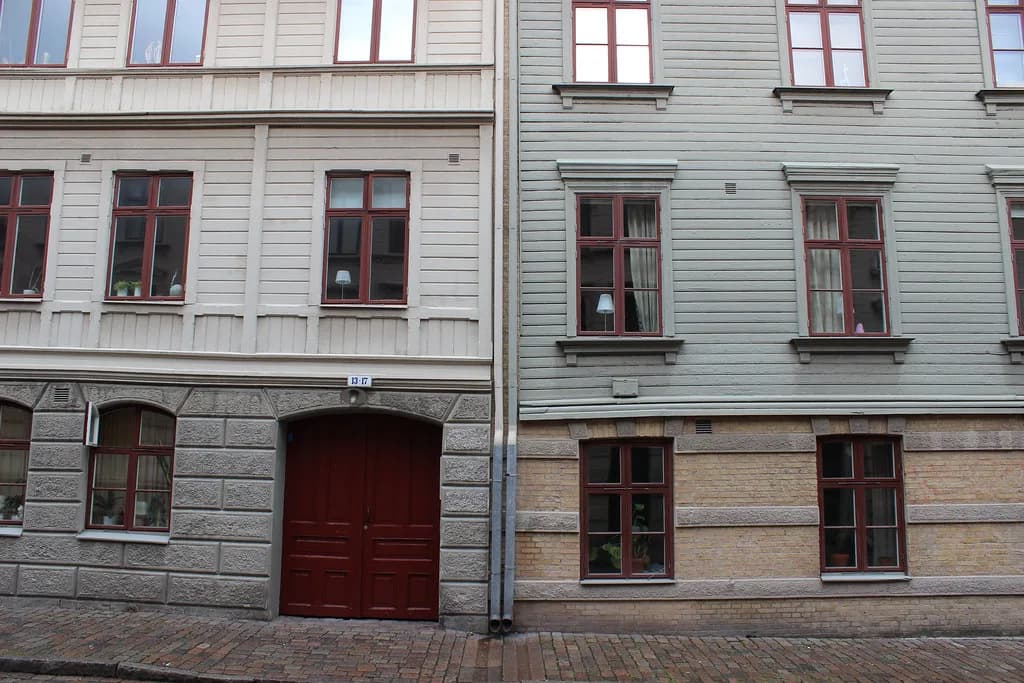
Beyond the ship, the collection covers the city's distinctive landshövdingehus, the multi-storey wooden-and-brick housing type that shapes whole neighbourhoods, and there is a temporary exhibition marking 150 years of the building style, running until 2030. The museum's own list of ten highlights ranges from the Viking ship to what it calls the world's oldest Volvo, which gives a fair sense of the mix: archaeology, urban planning and industrial history in one building.
Allow around two hours for the permanent displays, and add half an hour if a guided viewing or a temporary exhibition appeals. The building sits in the central grid, which means it pairs naturally with a wander through Haga and its wooden houses rather than with a tram journey.
The museum has a shop and a programme of talks, workshops and family activities, some of which run at set times with limited places; the events calendar is the practical place to check what is running during your dates.
Gothenburg Natural History Museum: fossils, dinosaurs and the scale of the collections
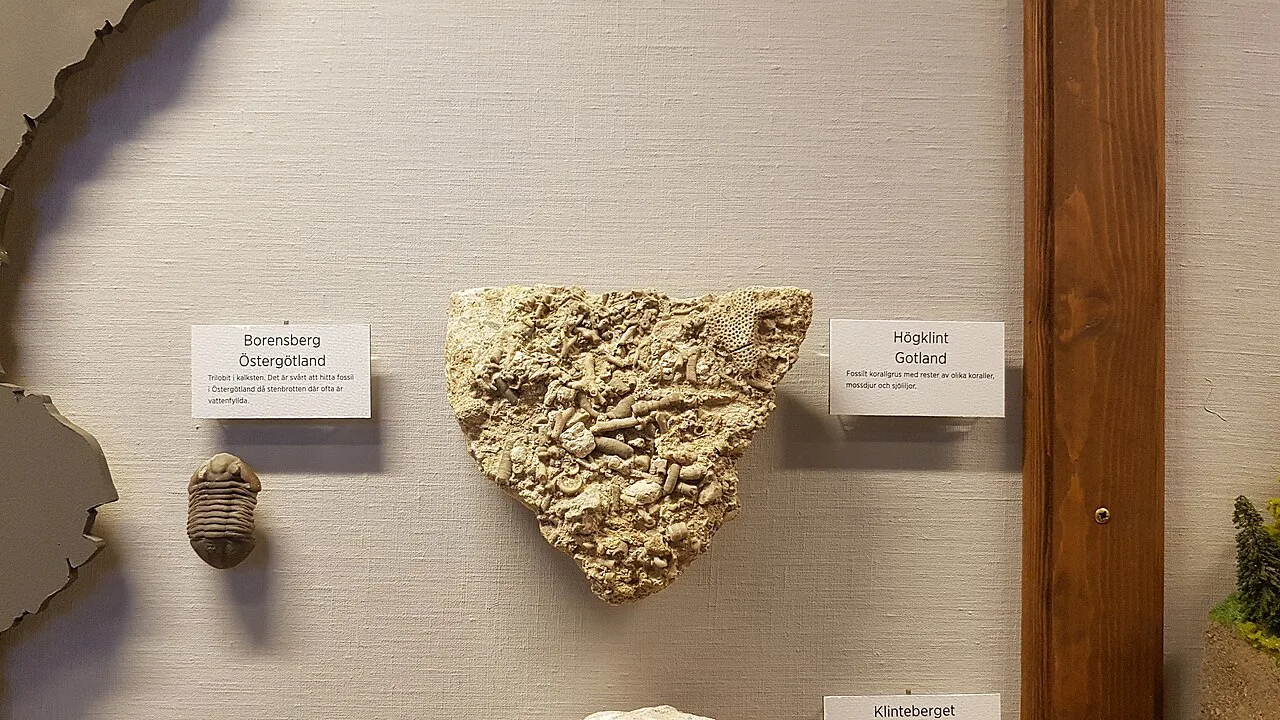
The Gothenburg Natural History Museum, Göteborgs Naturhistoriska museum, is at Museivägen 10, east of the centre, and its two permanent exhibitions are History of Life on Earth and Amazing Diversity. The first is an evolutionary journey through fossils, insects, butterflies, cephalopods and dinosaur skeletons; the second looks at biological diversity and the museum's work for future biodiversity. It is a traditional natural history museum done at scale, and the dinosaur skeletons are the draw for most visitors.
The collections behind the displays are enormous: around 10 million animals, 18,000 skeletons, 18,000 geological objects and more than 25,000 photographs from expeditions and research trips. Only a fraction of that is on show, but it explains why the museum feels deep rather than thin. There is a museum shop and a café on site, which matters because the location is not surrounded by alternatives.
Allow about two hours, more if you read the labels or have children who want to work through the dinosaur gallery slowly. Because it sits outside the central grid, treat it as a single destination for a morning or afternoon rather than something to slot between two city-centre stops.

Universeum: what the science centre offers and whether it suits adults
Universeum is Gothenburg's science centre, in the middle of the city, and it is built around interactive exhibitions and activities rather than static collections. That makes it genuinely good for curious adults who like experimenting, and excellent for children, but it is a different kind of visit from the two history museums: you move, touch and try things rather than read wall text.
The honest trade-off is that a science centre rewards participation. An adult who wants quiet galleries and original objects will get more from the city museum or the Natural History Museum; an adult who enjoys hands-on exhibits, or who is travelling with children of any age, will find Universeum the liveliest of the three.
Universeum is also the most useful of the three when the weather turns, since a large part of the visit happens indoors; our round-up of things to do in Gothenburg when it rains puts it alongside other wet-weather options.
Grouping museums by neighbourhood so you walk less
Göteborgs stadsmuseum and Universeum both sit in the central grid, close enough that you can walk between them without planning transport. That makes them the natural pair for a single day: city history in the morning, hands-on science in the afternoon, or the reverse if you want the quieter museum first.
The Natural History Museum is the outlier. Its address at Museivägen puts it east of the centre, so it works best as a standalone half-day rather than as a second stop tacked onto a city-centre morning. Trying to combine it with a central museum means losing time in transit and rushing both collections.
If you are building a broader itinerary, our Gothenburg Attractions hub collects the city's sights in one place so you can see what else sits near each museum.
How long each museum needs and how to fit two into a short break
Plan on roughly two hours for Göteborgs stadsmuseum, two hours for the Natural History Museum, and two to three hours for Universeum if you engage with the interactive exhibits rather than walking through. Those figures assume a normal pace with some reading; a family with young children will spend longer at Universeum and less time reading anywhere else.
For a two-museum day, the efficient combination is the city museum plus Universeum, both central, with a break for lunch in between. For a short break where you only have one museum slot, put the Natural History Museum on a separate day from the central pair rather than trying to squeeze three into two days.
Admission and what to budget
Prices are the one thing worth checking directly before you go, because admission arrangements change and the museums publish their own current rates. Göteborgs stadsmuseum and the Natural History Museum each set their own entry terms, while Universeum sells admission to the science centre as a whole.
The Natural History Museum publishes its visitor information, including address and opening hours, on its plan your visit page, and that is the page to confirm what admission currently involves before you budget in kronor.
Budget in Swedish kronor rather than expecting to pay by card in euros, and note that Swedish museums and cafés generally run on card and mobile payment rather than cash. If you are weighing a museum pass against individual tickets, do the arithmetic on the number of museums you will actually enter, not the number you might.
Opening days and the summer-versus-rest-of-year pattern
Swedish museums often run different hours in summer and during the rest of the year, and Göteborgs stadsmuseum lists its opening hours separately from its address and contact details. Check the hours for your exact dates rather than assuming the pattern from a previous trip.
The same applies to special programming: the city museum's calendar mixes daily guided viewings, holiday workshops and evening lectures, some of which run only on particular weekdays. Universeum and the Natural History Museum likewise publish their own visitor information, so confirm each museum's days before you commit a morning to it.
Which museum to pick if you only have time for one
With one museum slot, choose Göteborgs stadsmuseum. It is central, it explains the city you are walking through, and the Äskekärrsskeppet gives you something you cannot see anywhere else in Sweden. Two hours there leaves the rest of the day free for Haga, the waterfront and the cathedral, which together make a coherent introduction to Gothenburg.
Pick the Natural History Museum instead if natural science is your reason for travelling, and Universeum if you are with children or want an active, hands-on couple of hours. None of these is a consolation prize; they simply answer different questions about what a museum visit is for.
If your trip continues to other Swedish cities, our guides to museums in Malmö and museums in Lund cover the collections worth planning around there, with museums in Lund covering the same what-to-see and how-long questions for that city.
Choose your one museum before you book anything else
Decide first whether you want the city explained, the natural world unpacked or science handled, then pick the museum that answers that question and build the rest of the day around it. The central pair, Göteborgs stadsmuseum and Universeum, can share a day; the Natural History Museum deserves its own.
Confirm each museum's current opening days and admission arrangements on its own site before you travel, since these are the details most likely to differ between summer and the rest of the year.
Explore more Gothenburg guides
Frequently Asked Questions
Where to explore in Gothenburg beyond the museums?
The central grid around Göteborgs stadsmuseum leads naturally into Haga and its wooden houses, while the waterfront and the canals give the city its shape. Our Gothenburg Attractions hub lists the sights worth adding to a museum day, and the city's history guide explains how the harbour and the Göta älv built the place you are walking through.
Is Universeum for adults?
Yes, if you like hands-on exhibits. Universeum is a science centre built around interactive experiences rather than glass cases, so adults who enjoy experimenting get plenty from it. Adults who prefer quiet galleries and original objects will get more from Göteborgs stadsmuseum or the Natural History Museum.
What's on in Göteborg during a short break?
Göteborgs stadsmuseum publishes a calendar of guided viewings, workshops and lectures, and Universeum and the Natural History Museum each post their own visitor information. Check those three pages for your dates, since programming varies by season and some activities run only on particular weekdays.
Sources
Notes for your next Swedish city break
Optional updates to our Sweden guides.
You might also like


Continue reading
More guides you'll find useful