Midsummer in Gothenburg: Dates, Traditions and Where to Join In
Midsummer in Gothenburg explained: the 2026 dates, what happens around the pole, where to join in at Slottsskogen and how to plan around the quiet city.
On this page
Midsummer in Gothenburg is not a city-wide festival: most of the celebrating happens in gardens, summer houses, parks and on the islands with family and friends. Your route in as a visitor is the public daytime celebrations, and the simplest of these is in Slottsskogen park. This guide sets out the 2026 dates, what actually happens at midsommar, where to join in and how the holiday changes the city.
When Midsummer Eve and Midsummer Day fall in 2026
Midsummer Eve always lands on a Friday between 19 and 25 June, which makes planning refreshingly simple from year to year. In 2026 that is Friday 19 June, with Midsummer Day, the official public holiday, on Saturday 20 June. Treat the Friday as the main day and build the rest of your break around it.
If you are weighing up when to come to the city overall, the holiday sits in the stretch of long, bright evenings that make late June attractive. The wider picture of seasons, light and crowds is covered in the best time to visit, and April is a very different proposition, with Walpurgis Night rather than maypoles as the seasonal marker.
What actually happens at midsommar
The centrepiece is the midsommarstång, a pole dressed with greenery and flowers, around which people sing and play dancing games. Flower crowns are part of the dress-up, and the food is deliberately simple: pickled herring, new potatoes, sour cream, chives and strawberries, with schnapps and drinking songs for those partaking.
One folk belief worth knowing is that placing seven different flowers under your pillow is said to make you dream of your future love, which explains the flower-picking you will see. The holiday marks the brightest point of the year and, for many Swedes, the start of the summer break. That is why the city empties out rather than filling up.
Why Gothenburg feels quieter than a normal summer weekend
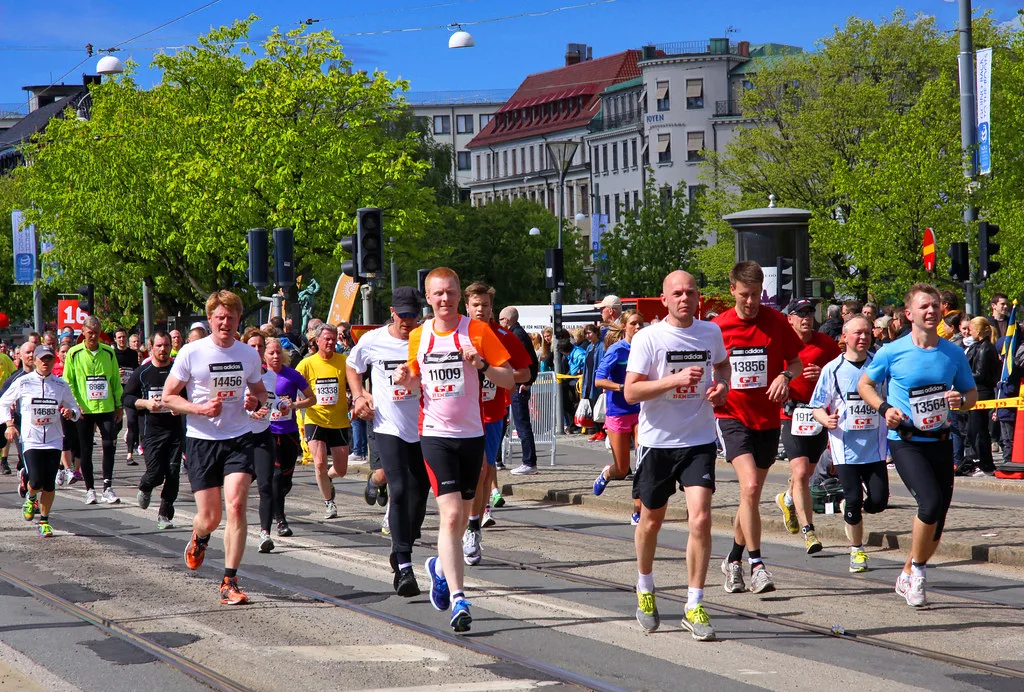
Many locals leave for the countryside, the archipelago or friends and family, so Gothenburg runs quieter over Midsummer than on an ordinary summer weekend. Public celebrations do happen, and they are liveliest during the day, which suits a short city break well. Plan your museum and shopping time for the quieter hours and your park time for the afternoon.
Slottsskogen: the easiest celebration to join
The city park Slottsskogen hosts the classic public celebration on Björngårdsängen, traditionally between 15:00 and 18:00, with live music, dancing around the pole and communal singing. It is the lowest-effort way to see Swedish Midsummer traditions without a private invitation. Bring a picnic blanket and arrive in good time, since public celebrations are often at their liveliest in the early afternoon.
Sweden's national tourism site points visitors to Slottsskogen for maypole dancing, singing and classic games, so it is a safe first choice if you only have one Midsummer day. The park also anchors the city's green side, which matters more in summer than in October, when the Gothenburg Botanical Garden and indoor options take over.
Historic settings outside the city
For a more rural or historic backdrop, Gunnebo, Nääs, Tjolöholm and Bohus fästning run traditional Midsummer programmes with ring dances, folk dancing, food and children's activities. These events are popular and usually require a ticket, so the trade-off is paid and programmed against free and crowded at Slottsskogen. Buy through the venues' own websites rather than turning up and hoping.
Celebrations on farms and smallholdings
Farms and smallholdings in the surrounding area put on their own family-friendly celebrations, typically with animals, pony rides and live music alongside the dancing. These are a good fit if you are travelling with children and want something smaller than the park gathering. Check each venue's own calendar, because programmes vary and some are ticketed.
Midsummer in the archipelago
Midsummer fits naturally with a trip to the Gothenburg archipelago, where local associations on islands such as Vrångö and Hönö organise public celebrations. The catch is transport: ferries and islands are busier than usual and timetables may differ from a normal weekday. Check your journey with Västtrafik or Styrsöbolaget before committing to an island plan, and allow slack in the day.
If you want a straightforward summer day on the water without holiday logistics, the ordinary boat trips and ferries are easier to slot in. The seasonal rhythms of the city, including the run of outdoor events, are set out in the guide to Gothenburg in summer.
What is open during Midsummer
Midsummer Eve is not an official public holiday, but it behaves like one for many businesses, so expect reduced hours rather than a shut-down city. Midsummer Day itself is the official public holiday. Build your day around the afternoon park celebration and keep the morning flexible.
For anything time-sensitive, such as museums, shops or boat departures, confirm directly with the venue or operator for the specific dates you are in town. The city's own event listings are the place to see what has been announced.
Taking part as a visitor: what to bring and when to arrive
A picnic blanket, layers and a willingness to join a ring dance will take you a long way at the public celebrations. Arrive in good time for the traditional 15:00 to 18:00 celebration on Björngårdsängen in Slottsskogen, since public celebrations are often at their liveliest in the early afternoon. If you are heading to a ticketed historic site instead, book ahead and treat the day as an outing rather than a stop-off.
Easiest public celebration or ticketed historic site?
Choose Slottsskogen if you want the easiest, free-to-join public celebration with the classic afternoon timing on Björngårdsängen. Choose Gunnebo, Nääs, Tjolöholm or Bohus fästning if you would rather have a programmed, ticketed day out with dancing and food in a historic setting. Either way, book ferries and travel with slack, because Midsummer is when everyone else is on the move too.
Explore more Gothenburg guides
Frequently Asked Questions
What date is Midsummer in Sweden in 2026?
Midsummer Eve falls on Friday 19 June in 2026, and Midsummer Day, the official public holiday, is Saturday 20 June. Midsummer Eve always falls on a Friday between 19 and 25 June, so the pattern repeats predictably each year.
Do I need a ticket for the Slottsskogen celebration?
The public celebration in Slottsskogen is the easiest way to join in without a private invitation, and visitors simply turn up with a picnic blanket. Historic sites such as Gunnebo, Nääs, Tjolöholm and Bohus fästning usually require a ticket for their Midsummer programmes, which you should arrange through the venue.
Is Gothenburg busy over Midsummer?
No, the city is usually quieter than on a normal summer weekend, because many locals leave for the countryside, the archipelago or family gatherings. The liveliest public celebrations happen during the day, so plan sightseeing for the quiet hours and the park for the afternoon.
Can I celebrate Midsummer in the archipelago?
Yes, public celebrations are organised on islands including Vrångö and Hönö, but ferries and islands are busier than usual and timetables may differ from a normal weekday. Check your journey with Västtrafik or Styrsöbolaget before you set out.
Sources
Notes for your next Swedish city break
Optional updates to our Sweden guides.
You might also like
Continue reading
More guides you'll find useful