Gothenburg Itinerary: A 2–3 Day Plan by Neighbourhood
Plan a Gothenburg itinerary of two or three days, grouped by neighbourhood, with Haga, Magasinsgatan, Slottsskogen, Feskekôrka and an archipelago boat trip.
On this page
Two days is enough to see Gothenburg's core on foot: Magasinsgatan, Haga, Slottsskogen park and Feskekôrka fit into a weekend without rushing. Add a third day if you want the Palm House at Trädgårdsföreningen, a boat into the southern archipelago or a full day out to Marstrand. This plan groups each day by neighbourhood so the walking is short and tram rides are few.
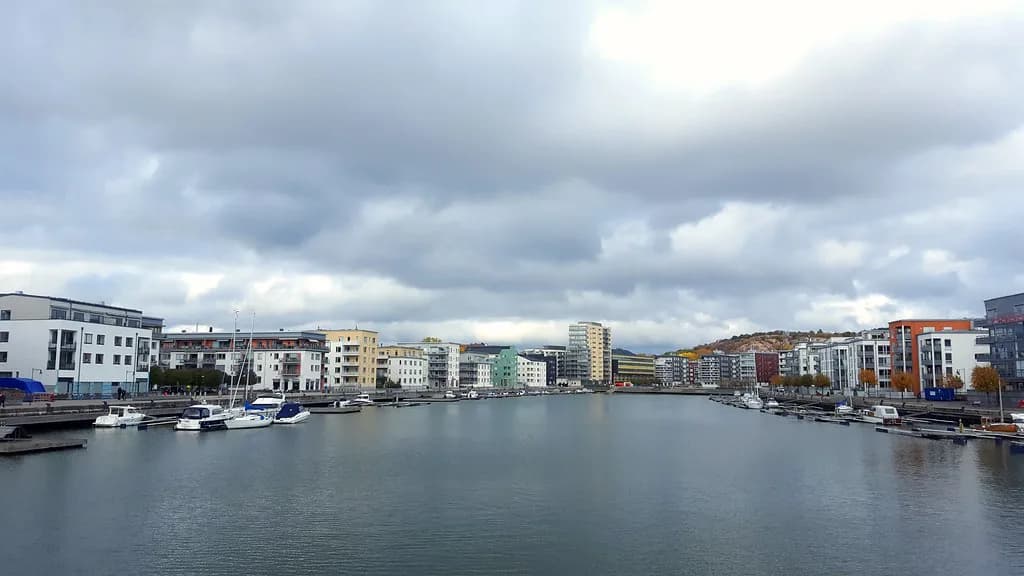
The city sits on the west coast around a harbour and a canal ring, with Haga and Linné on the southern side and the archipelago reached by boat from the city, with the sailing island of Marstrand out along the coast to the north. The historic centre is compact, so the main decisions are how far south you walk and whether you spend a day on the water.
How many days Gothenburg needs: what fits into two days and what a third day adds
Two days covers the central streets, one park, the fish market and a viewpoint, which is the shape most first trips take. The sights are close enough that a two-day plan leaves room for fika stops and a slow lunch rather than a checklist. The trade-off is that an archipelago boat trip and Marstrand both eat most of a day.
A third day is worth adding for one outdoor or water-based experience rather than more city streets. The Garden Society park and Palm House fill a half-day, and the southern archipelago or Marstrand fills a whole one. Choose between them based on weather and how much time you want on ferries and boats.
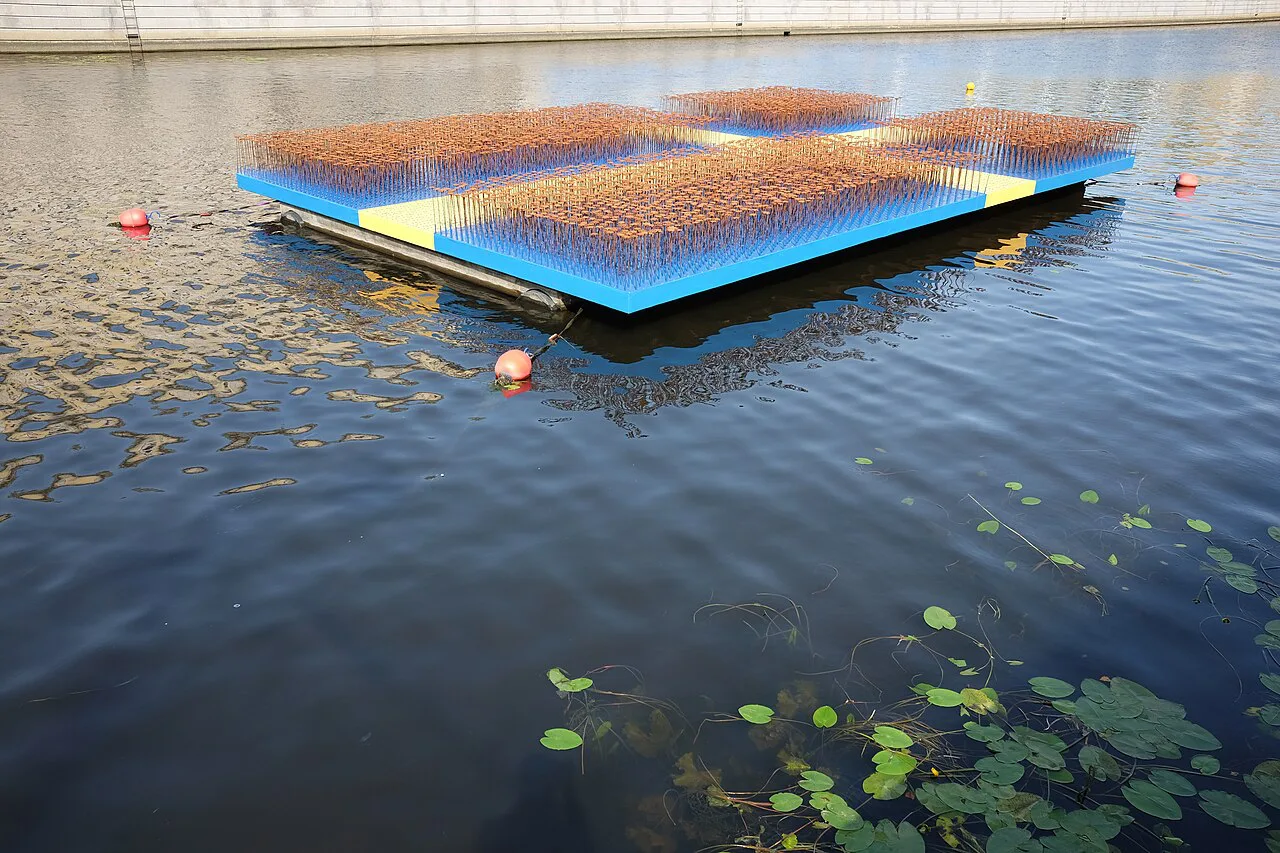
How Gothenburg is laid out: the centre, Haga and Linné, the river, and the archipelago to the west
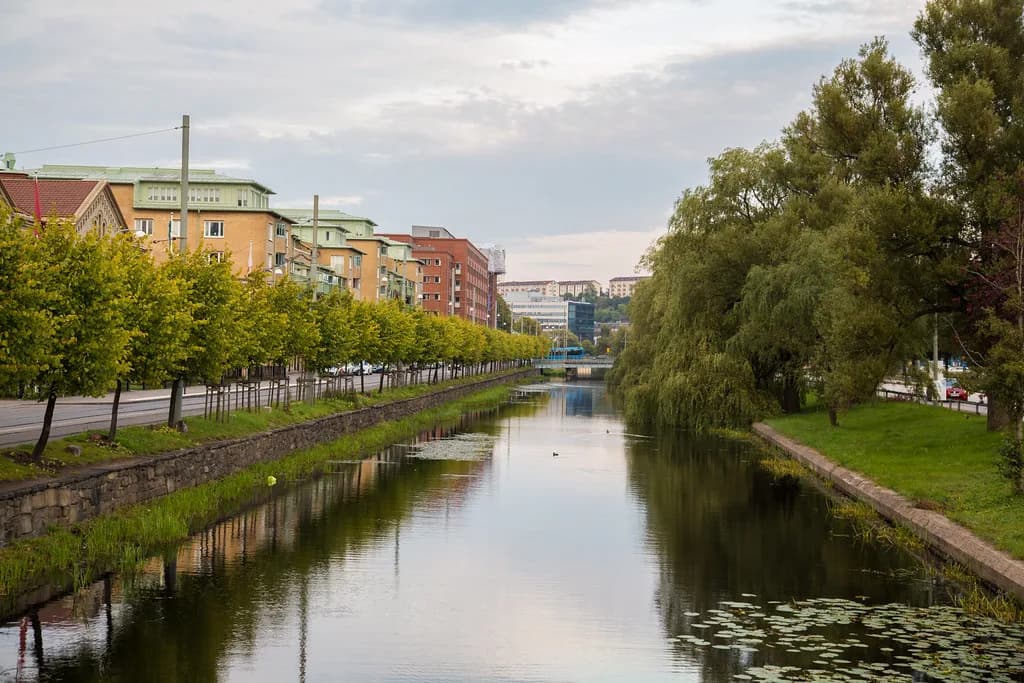
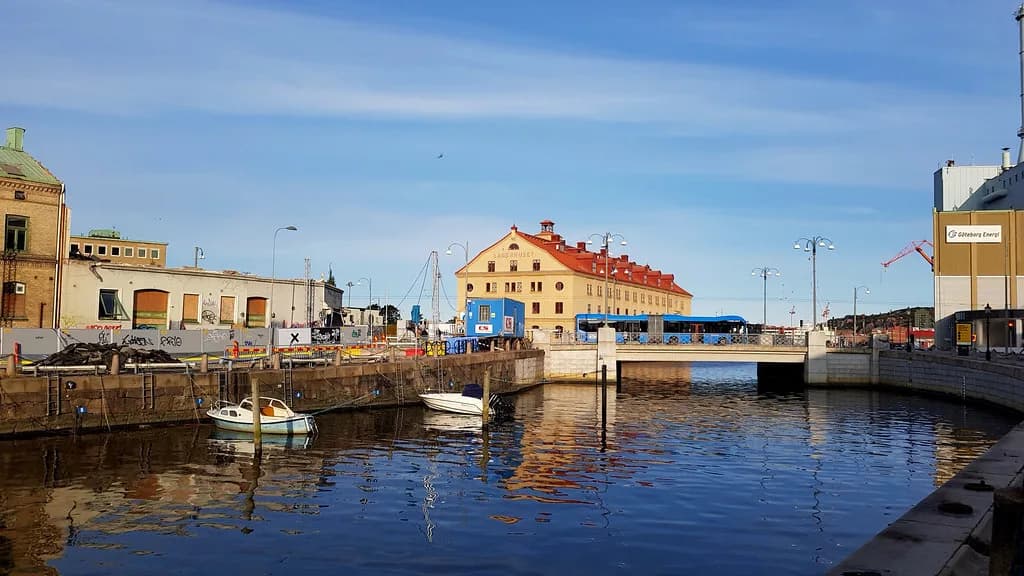
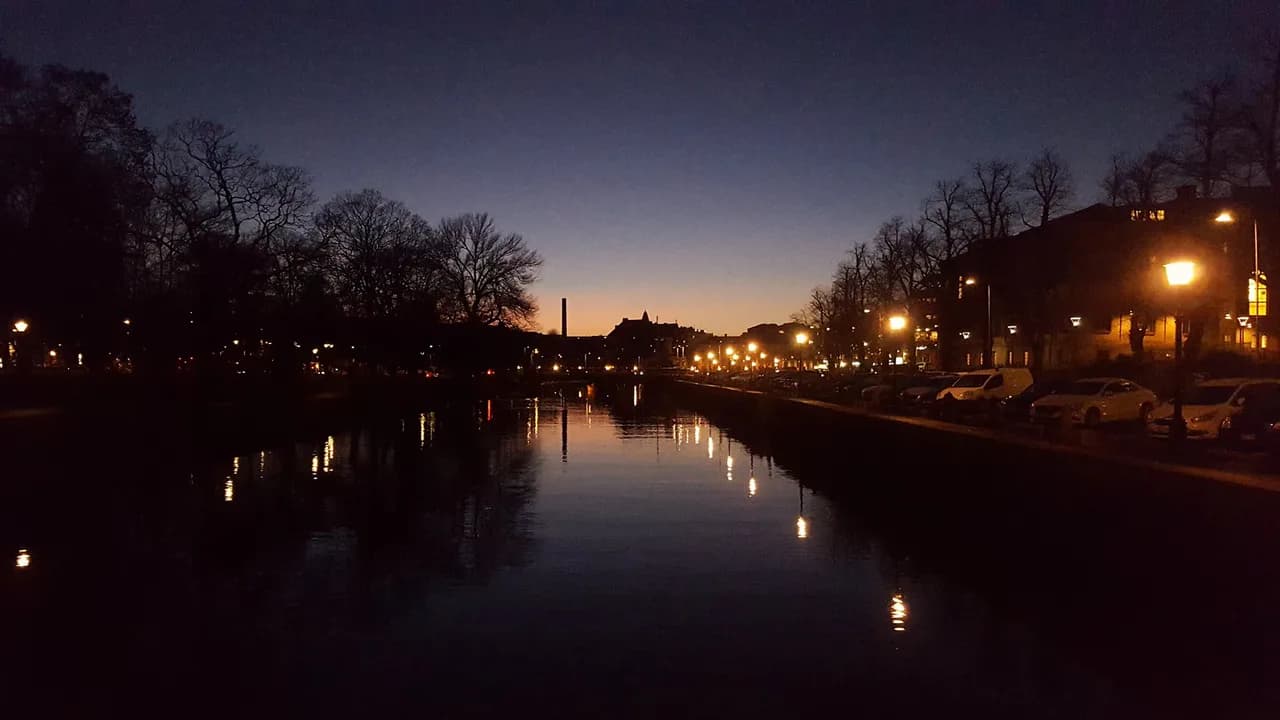
Central Gothenburg is split by the canal and the harbour, with Magasinsgatan and the main shopping streets on the northern side and Haga, Linnégatan and the Långgatorna to the south. The river runs west toward the harbour mouth, where Röda Sten sits on the waterfront, and the archipelago continues beyond. Slottsskogen park forms a large green block on the southern edge of the centre.
Trams connect these areas quickly, but most of the centre and Haga are walkable within twenty or thirty minutes. Treat the tram as a backup for tired legs or wet weather rather than the default. This Gothenburg City Break guide walks through the same compact centre for a shorter stay, and One Day in Gothenburg shows how to compress the plan if you have only a single day.
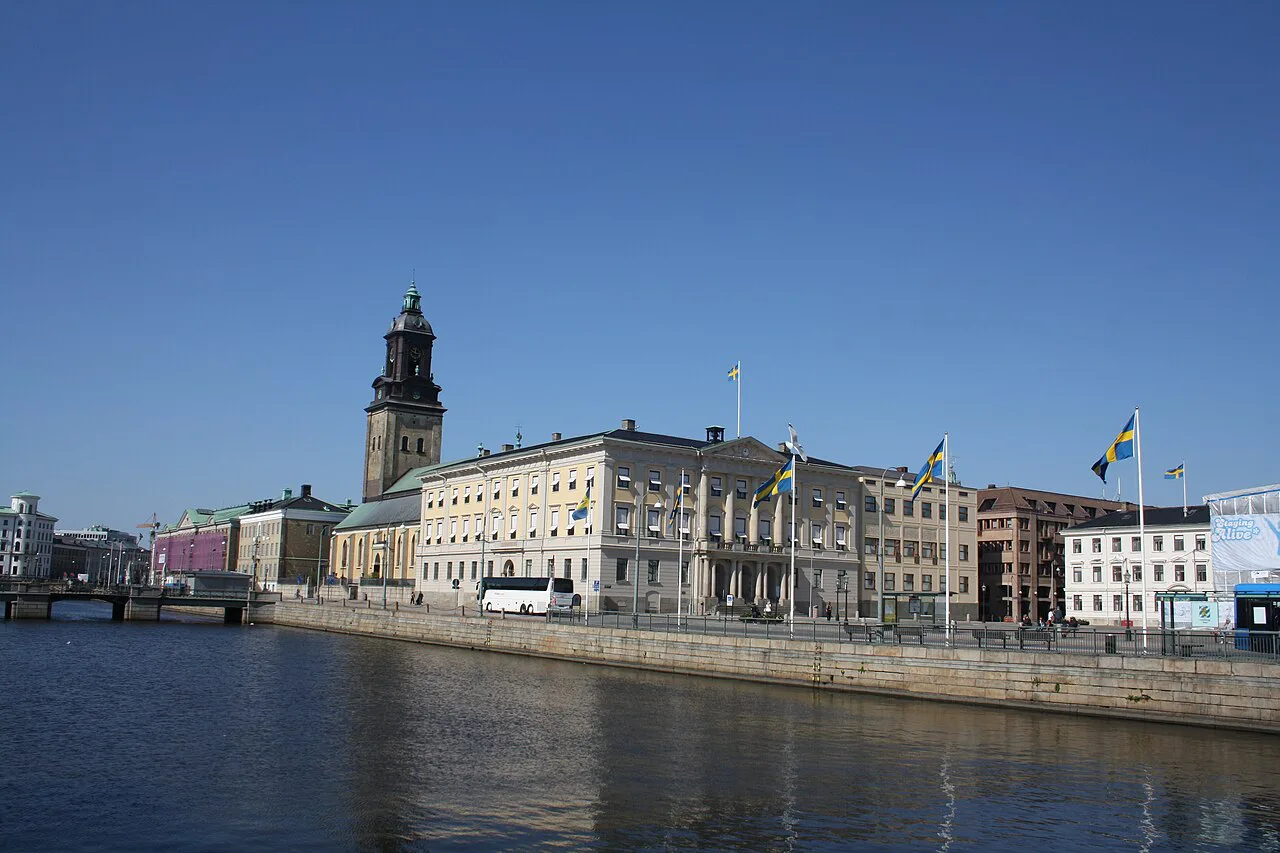
Day 1 morning: Magasinsgatan, the canal-side streets and a fika stop
Start on Magasinsgatan, a cobbled street of converted warehouses now holding independent shops and some of the city's best coffee. Da Matteo has a roastery and sourdough bakery on the square, and sitting outside with a coffee is the most Gothenburg way to begin. Artilleriet, the interior design shop, is on the same street and worth a browse even if you buy nothing.
Fika is a Swedish coffee break with a bun, taken slowly rather than on the move. Slot one into each morning so the day has a natural pause, and order a cinnamon bun to go with the coffee. The custom matters more than the venue, so any café along the route works.
Day 1 afternoon: Haga's cobbled lanes and a Hagabullen cinnamon bun
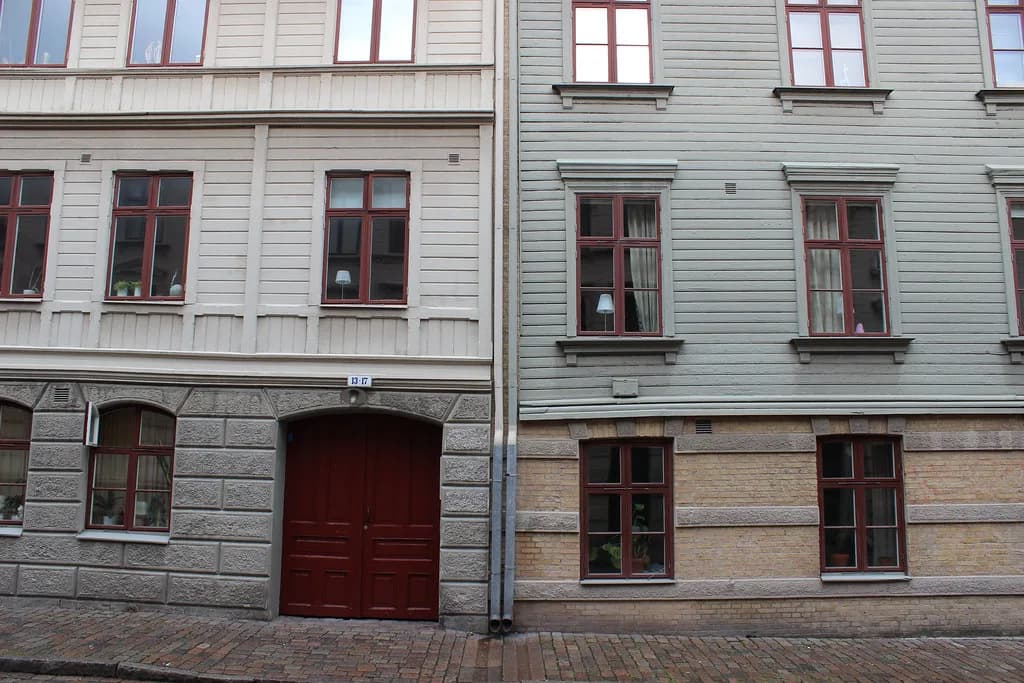
Walk south into Haga, the oldest neighbourhood in the city, where cobbled streets are lined with landshövdingehus, the traditional wooden houses with a stone ground floor. The area is built for strolling, with small shops and cafés along the lanes. Café Husaren is known for the Hagabullen, a cinnamon bun large enough to share.
Haga Trätoffelfabrik sells Swedish clogs and leather goods if you want a practical souvenir, and the surrounding streets reward a slow wander. Budget a couple of hours here rather than treating it as a quick photo stop. It is also one of the cheapest afternoons in the city, since the streets themselves cost nothing.
Day 1 late afternoon: Slottsskogen park and the walk back through Linnégatan
Continue south to Slottsskogen, the city's large park, which has a free zoo with elk, Gotland ponies, seals and penguins. It is the green heart of Gothenburg and a good place to end a walking day. Entry to the park and the zoo costs nothing, which makes it an easy stop to add even on a tight budget.
Walk back north through Linnégatan and the Långgatorna, the long streets where locals spend their evenings and the pavements turn into open-air cafés in summer. This is grittier and more bohemian than Haga, and a good contrast after the cobbles. Take the tram if the walk has already been long.
Day 2 morning: Feskekôrka and the market halls
Begin at Feskekôrka, the fish church, a distinctive market building on the canal side where the West Coast seafood trade is on show. It has been reborn in recent years, and a morning visit gives you the freshest look at the day's catch. Saluhallen, the largest indoor market, is the other food stop, with around three dozen shops selling coffee, cheese, meat and fruit.
These are working markets, so go early and treat them as a look at local trade rather than a full meal. Pick up something for a picnic if the weather is kind. The rest of the morning can be spent on the canal-side streets before heading west.
Day 2 afternoon: an archipelago boat trip, or Röda Sten and the riverside walk
The southern archipelago is the classic Gothenburg afternoon, with ferries from the city running out to car-free islands for walking and swimming. The trade-off is that a boat trip takes most of the day once you add the crossing and the wander on the island. Check the ferry times before committing, as they set how long you can stay.
If you would rather stay in the city, Röda Sten Art Centre sits on the waterfront at the harbour mouth, with a riverside walk and an urban edge that suits a grey day. It is a shorter commitment than the islands and pairs well with an evening back in the centre. Pick one option rather than trying to do both.
Day 2 viewpoint: Ramberget for the city panorama
Ramberget gives the grandest panorama of Gothenburg, looking back over the river, the harbour and the city rooftops. The climb is a real walk rather than a lift ride, so it is worth it on a clear day and less so in rain or low cloud. Go late in the afternoon for the best light over the water.
The walk up and back takes a chunk out of an afternoon, so fit it in only if you have already covered Haga and the market. If time is short, skip it and use the hour for a longer fika instead. The view is the reward, not the destination itself.
Day 3 option A: Trädgårdsföreningen and the Palm House
The Garden Society of Gothenburg, Trädgårdsföreningen, is a park in the heart of the city with a rose garden, a rock garden and a café. The Palm House is the centrepiece, a large greenhouse built in 1878 and a favourite spot for photographs. Allow an hour or two to walk the gardens and step inside the glasshouse.
This is a gentle half-day that suits a slower morning before a late lunch or a final wander through the shopping streets. The park sits close to the centre, so it slots in without a tram ride. Pair it with the canal-side streets you missed on day one.
Day 3 option B: Marstrand as a full-day extension
Marstrand, the sailing capital on the coast north of the city, makes a full-day extension with a boat crossing and a walk around the island. The trade-off is clear: a day in Marstrand means giving up a third day in the city, including the Palm House and any museum stop. Choose it if you want sea air and a change of scene over more Gothenburg streets.
Marstrand is the better choice on a warm, clear day, when the sailing harbour and the crossing are the point. In poor weather the city options win easily. Check the boat schedule before you set out, since the crossing sets the shape of the day.
What a Gothenburg itinerary costs in SEK: the free sights and where tickets are needed
The walking core of this itinerary is cheap: Haga's streets and the market halls cost nothing to wander, and Slottsskogen park has a free zoo. That keeps a two-day trip affordable even with café stops and transport. Museum and attraction tickets are the main variable, so decide which paid stops matter before you go.
For the paid stops, check the venue's own site for current ticket prices in kronor rather than relying on older figures. Sweden is largely cashless, so a card or phone payment is the norm. Set a daily budget in SEK and treat fika and lunch as the flexible part.
Wet-weather swaps: which stops move indoors without breaking the plan
When it rains, swap Slottsskogen and Ramberget for the market halls, the Palm House and the city's museums. Röda Sten Art Centre is the natural wet-day version of the archipelago afternoon. Keep the morning fika stop whatever the weather, since a café is the best shelter on the route.
The plan is built around short hops, so a wet day only means fewer outdoor stops, not a rewrite. Use the tram more and cut the viewpoint. Leave the boat trip for a better day rather than committing to a soaking crossing.
Fika as a custom: how to slot a coffee and bun break into each day
Fika is a Swedish institution: a coffee and a baked good taken with friends, slowly, usually once in the morning and once in the afternoon. Build one into each day rather than treating it as a quick refuel. The cinnamon bun is the classic order, and the Hagabullen at Café Husaren is the oversized local version.
Place your fika stops at the natural mid-points of the walking route, in Magasinsgatan or Haga, so you sit down where the streets are pleasant. That keeps the day paced and gives you a reason to slow down between sights. It is also the cheapest way to rest without a full meal.
Should you book the third day for the city or the coast?
Two days gives you the heart of Gothenburg: Magasinsgatan, Haga, Slottsskogen, Feskekôrka and a viewpoint, all on foot with fika stops between. Add a third day only if you want the Palm House at Trädgårdsföreningen or a full day out to the southern archipelago or Marstrand. The city rewards a slower pace, so do not overfill the days.
If your dates are fixed and you want a fuller plan, the Stockholm itinerary guide shows how the same day-by-area approach works in another Swedish city, and our 3 days in Stockholm plan breaks the capital down the same way. For Gothenburg, check the ferry and boat schedules before you commit to a water day.
Explore more Gothenburg guides
Frequently Asked Questions
Is two days enough for Gothenburg?
Yes for the central sights. Magasinsgatan, Haga, Slottsskogen and Feskekôrka fit into two relaxed days on foot. A third day adds the Palm House or a day on the water.
What is the best month to visit Gothenburg?
Summer gives the longest days and the best chance of using the archipelago boats and outdoor cafés. Spring and autumn are quieter and cheaper, but some boat services and seasonal openings are limited. Check the operator's own schedule for the dates you plan to travel.
Do I need a boat trip in a two-day itinerary?
Not necessarily. The archipelago is the classic Gothenburg afternoon, but a round trip plus time on the island takes most of a day. If you only have two days, choose between the islands and Ramberget rather than trying both.
Can I do this itinerary without a car?
Yes. The plan is built around walking between neighbourhoods, with trams as a backup for longer hops and boats for the archipelago. You do not need a car for the city days, and the ferry or boat handles the water.
Sources
Notes for your next Swedish city break
Optional updates to our Sweden guides.
You might also like
Continue reading
More guides you'll find useful