Things to Do in Gothenburg When It Rains: 8 Indoor Picks
Rain in Gothenburg? Head for the city's museums, the Palm House, Saluhallen and the covered ferry ride, with ticket prices in SEK and honest trade-offs.
On this page
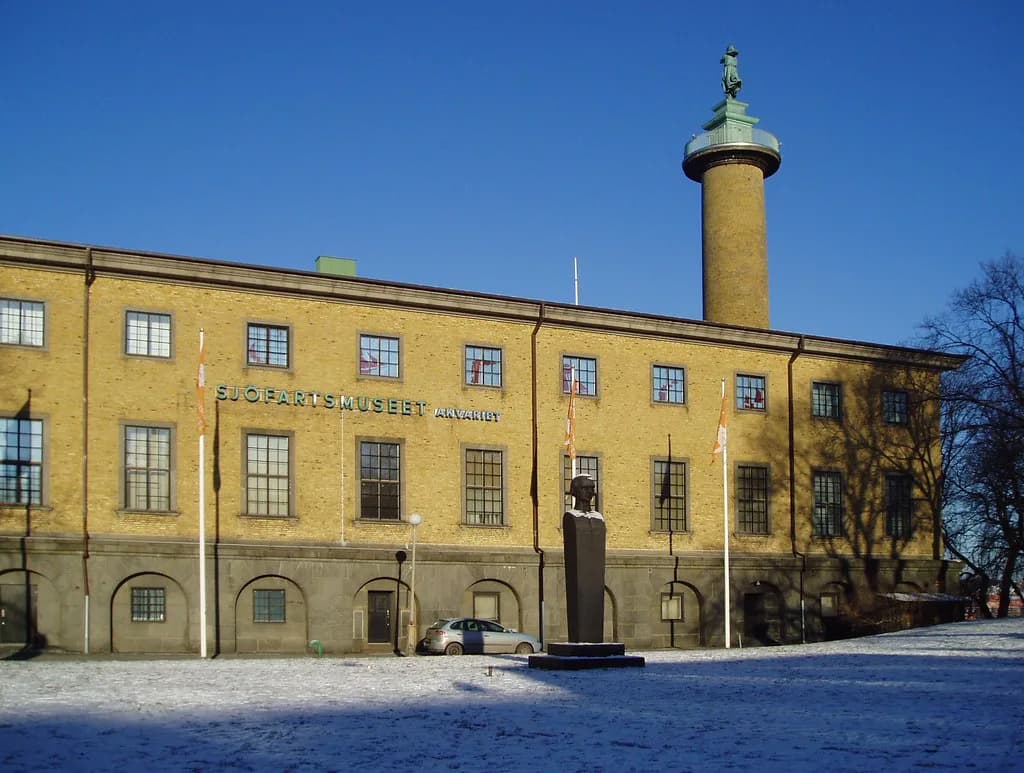
When it rains in Gothenburg, head indoors and stay there: the Museum of Gothenburg, the Röhsska Museum, the Maritime Museum and Aquarium and the Gothenburg Museum of Art all take the same museum card, and the Trädgårdsföreningen palm house gives you greenery under glass. Two or three of these fill a wet day with only short hops between them. This guide sequences the picks, does the museum-card arithmetic and flags the one address that has moved.
Why a rain plan works so well in Gothenburg
Gothenburg packs its indoor weight into a compact centre. The art museum and the design museum sit around Götaplatsen, while the city museum and the maritime collections are a short walk or tram hop away, so a shower costs you minutes rather than a whole afternoon. The result is that you can string two or three museums together in one block without long exposed walks. If you want the full list of collections rather than just the wet-day picks, our guide to museums in Gothenburg covers the rest of the city.
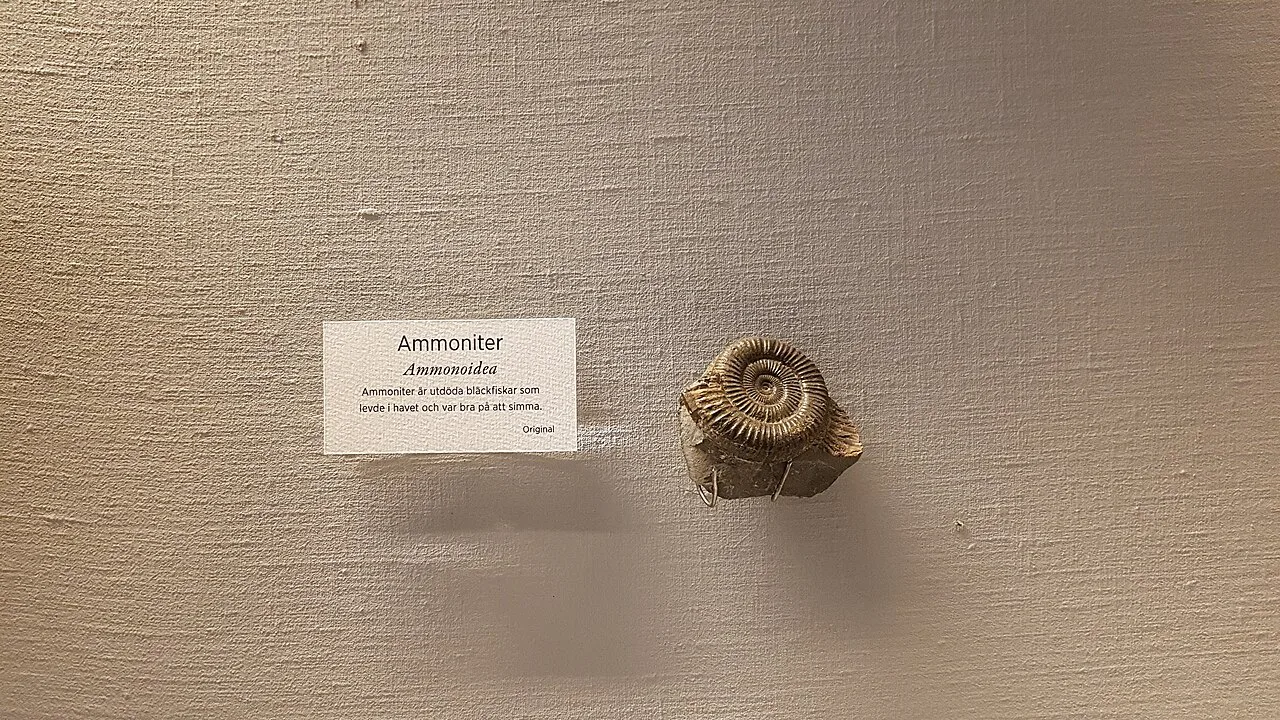
The four museums on the city museum card
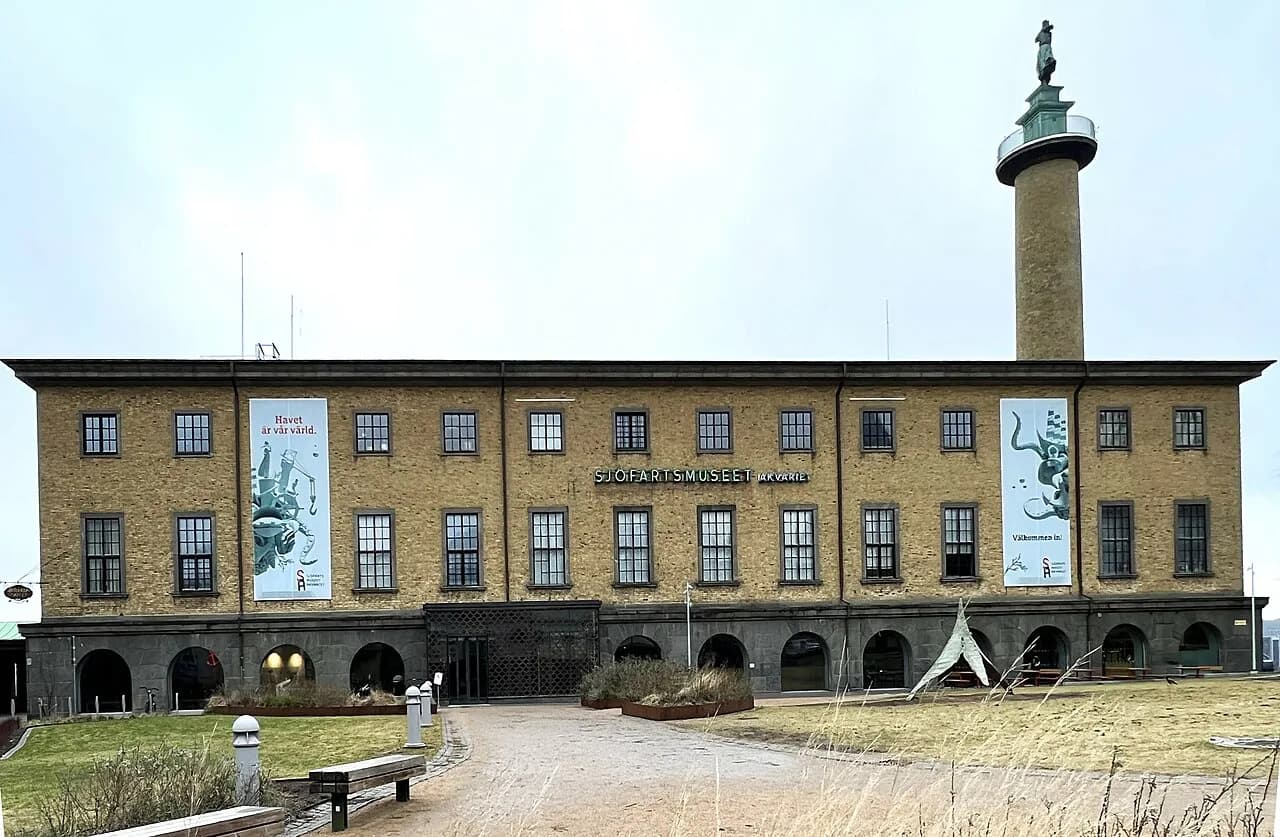
The Museum of Gothenburg, the Röhsska Museum of Design and Crafts, the Maritime Museum and Aquarium and the Gothenburg Museum of Art all take the same museum card, which costs SEK 140 and gives unlimited visits across the year. A single adult entrance is SEK 70, students and anyone under 20 go free, so the card pays off from your second museum onwards. One museum plus a coffee is the cheaper rainy morning; the card is the better buy if the forecast looks grim for two days. Because the card covers the year, it also works as a reason to come back.
If art is the priority, the Gothenburg Museum of Art holds one of Northern Europe's finer collections, with Nordic works alongside Rembrandt, Monet, Picasso and Chagall. Give it the longest slot of the day and treat the Röhsska as the design chaser next door, where Swedish craft, fashion and architecture fill the rooms. Our page on the Gothenburg art museum sets out what to prioritise when you only have an afternoon.
Free or cheap shelter: the Konsthall, World Culture and Natural History museums
Three options cost little or nothing at the door, but the rules differ. Göteborgs Konsthall has free admission for everyone, yet it has left Götaplatsen for Slakthuset in Gamlestaden and is listed as reopening there on 20 March 2027, so do not turn up at the old square expecting contemporary art. The Museum of World Culture and the Natural History Museum are free up to the age of 19, and the natural history collections include the world's only mounted blue whale as a rainy-hour centrepiece. Check which of these fits your group before you set out.
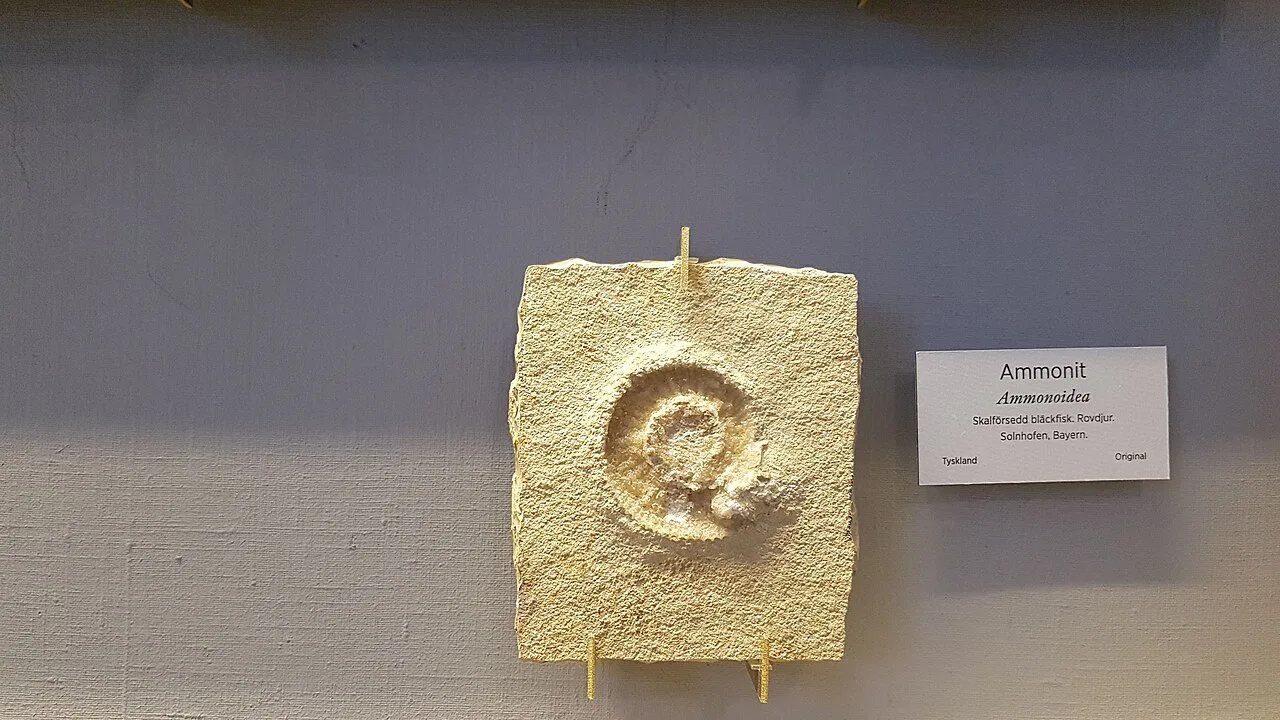
Trädgårdsföreningen and the Palmhuset glasshouse
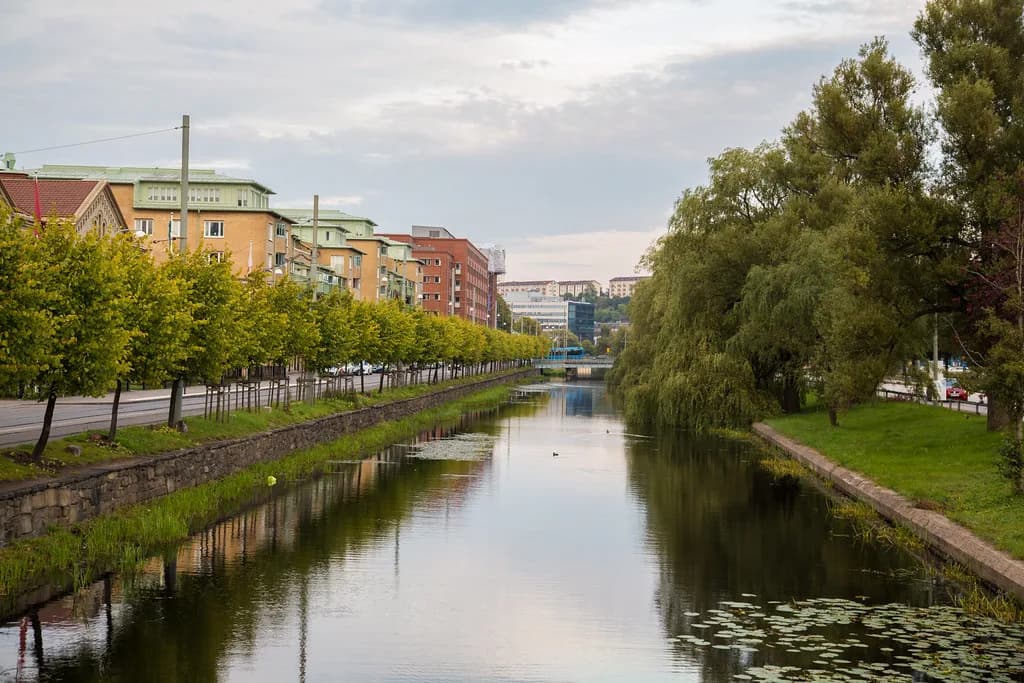
The Garden Society of Gothenburg, Trädgårdsföreningen, is a 19th-century park in the middle of town with thousands of roses and a glass Palmhuset packed with tropical plants. The glasshouse is the best-value indoor stop in the centre when the sky opens: you get warmth, greenery and a proper wander. The outdoor beds are at their best in summer, so in heavy rain treat the glasshouse as the destination and the park as the bonus. It pairs neatly with the canal-side walk through Kungsparken on a break in the weather.
Nearby, Slottsskogen city park has a free zoo with seals, elks and farm animals plus the Plikta playground, which keeps families busy in a drizzle but loses its appeal in a downpour. The Gothenburg Botanical Garden is one of Europe's largest, with 20,000 unique plants, yet most of its draw is outdoors. On a genuinely wet afternoon, skip both and bank the park for a drier hour.
Saluhallen and Feskekôrka: covered market halls
Saluhallen and Feskekôrka give you a covered mooch and a fika in the same stop, which is exactly what a wet hour calls for. Feskekôrka is the city's famous fish hall and Saluhallen the indoor market for buns, cheese and deli counters, so you can graze your way through the worst of a shower. These are food halls rather than full restaurant plans: go for the atmosphere and a coffee, not a tasting menu. Both sit close enough to the centre to slot between museum visits.
If you want a specific fika anchor, Café Husaren in Haga is known for its oversized cinnamon buns, and the Haga district itself is full of cosy cafés. A bun and a coffee is a legitimate rain strategy in this city, and a cheap one compared with a museum ticket.
Ride out a shower on the Älvsnabben ferry
The public service ferry Älvsnabben runs a frequent route between Lilla Bommen, Eriksberg and Klippan along the Göta älv, and the ticket costs SEK 44, the same as a bus or tram fare. Some ferries have rooftop seating for the best view, but in rain you stay below and watch the harbour and the new riverside neighbourhoods from shelter. It is the rare rain plan that still feels like sightseeing rather than hiding.
There is also the Älvsnabbare between Stenpiren and Lindholmen, which runs a free service on weekdays, making a wet-weather crossing cost nothing at all. Pair either ferry with the wider Gothenburg Attractions: 21 Visitor Guides if you want to build the rest of the day around it.
Haga in the rain: cobbles, shops and an optional climb
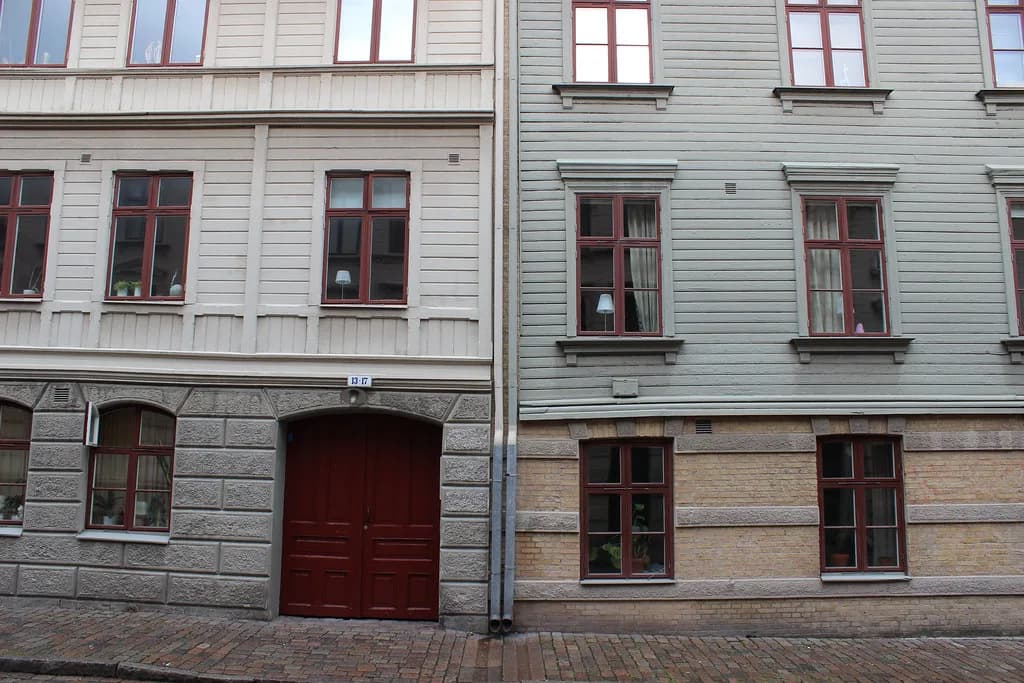
Haga's cobbled streets, wooden houses, antique shops and cafés work in light rain but punish you in a downpour: the cobbles get slick and the appeal is partly in strolling between doorways. Go for the cafés and the shops, and leave the steep climb to Skansen Kronan for a dry spell, since the fortress rewards you with rooftop views that mist and low cloud will flatten. The hill walk is short but steep, so it is a fair-weather add-on rather than a rain plan.
Rainy-day shopping: vintage and thrift
Gothenburg's second-hand scene is well curated, which makes browsing a pleasure rather than a rummage, and the shops give you a dry hour or two between museum slots. The names worth seeking out are APLACE, Abiti Arkivet, Miss Ragtime and Schultneck, all good for a wet afternoon when you want something to do that is not another exhibition. Bring a bag: you may leave with more than you planned.
Wet-weather maths: sequencing a rainy day in Gothenburg
Start with the paid museum block in the morning while you are fresh: the art museum and the Röhsska around Götaplatsen, or the city museum if you want the story of the place from its beginnings to today. Break for Saluhallen or Feskekôrka at lunch and let the shower pass, then take the Palmhuset in the afternoon or ride the Älvsnabben if the rain settles in. If you buy the museum card at SEK 140, the ferry at SEK 44 and a fika are your only other costs, which keeps a wet day cheaper than a sunny one built around paid attractions.
Which indoor pick suits your rainy day?
Buy the SEK 140 museum card if you will see two or more of the four museums, and skip it for a single art-museum afternoon at SEK 70. Lead with the Götaplatsen pair, shelter at Saluhallen or Feskekôrka at lunch, then spend the afternoon in the Palmhuset or on the Älvsnabben for SEK 44. If you only have one wet day, the art museum plus the Palmhuset is the strongest sequence.
Explore more Gothenburg guides
Frequently Asked Questions
What are some good rainy-day activities in Gothenburg?
The Museum of Gothenburg, the Röhsska Museum, the Maritime Museum and Aquarium and the Gothenburg Museum of Art share a museum card at SEK 140, with single adult entry at SEK 70 and free entry for students and under-20s. The Palmhuset at Trädgårdsföreningen is free, Saluhallen and Feskekôrka give covered browsing, and the Älvsnabben ferry (SEK 44) lets you watch the harbour from shelter.
Sources
Notes for your next Swedish city break
Optional updates to our Sweden guides.
You might also like
Continue reading
More guides you'll find useful