Gothenburg Archipelago Guide: Northern and Southern Islands
Plan a Gothenburg archipelago day out: ferry to the car-free southern islands from Saltholmen, or bridge-hop the northern islands from Hisingen.
On this page
Choose the southern archipelago if you want car-free islands and a short hop from the city; choose the northern islands if you would rather take a ferry once and then walk or bridge-hop from island to island. The two halves of the Gothenburg archipelago are close to the city but behave quite differently on the ground, so the right pick depends on how much time you have and whether you want a ferry timetable in your day.
The southern islands are reached by ferries departing from Saltholmen, which is only a 10-minute tram ride from the centre of Gothenburg. That short tram leg is the practical test of whether the southern islands fit a short city break.
What the Gothenburg archipelago is and how it splits in two
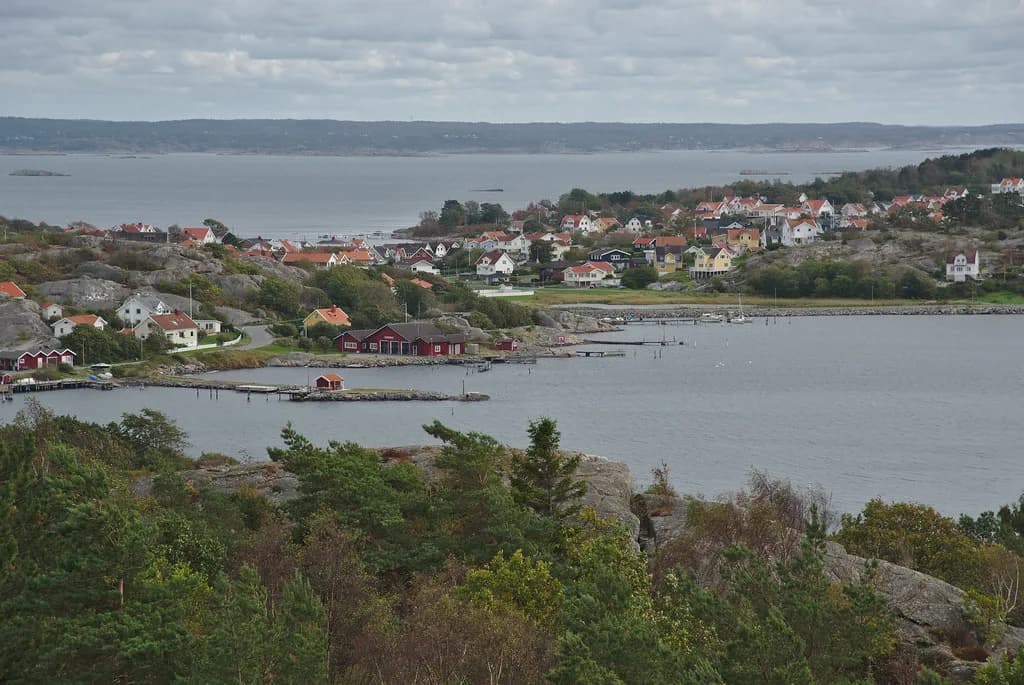
Gothenburgers live about 1.5 hours away from a double archipelago, and regular ferries ply the waters between the Swedish coast and both island groups. Although they are jointly referred to as the Gothenburg archipelago, each island group has its own characteristics.
The northern archipelago is reached by a short ferry ride from Hisingen to Hönö, Björkö or Öckerö, and the smaller islands are then accessible by bridge. The southern archipelago works differently: you reach its islands by ferry departing from Saltholmen, and once there you are on islands where transport is limited because they are car-free.
That structural difference drives everything else. In the north you can chain islands together on foot or by road; in the south you plan around boat times and pick one or two islands rather than trying to collect the whole group.
The southern archipelago: car-free islands reached by ferry from Saltholmen
The islands of the southern archipelago are reached by ferries departing from Saltholmen, which is only a 10-minute tram ride from the centre of Gothenburg. Transport is limited on the car-free islands, so the pace of a southern day out is set by the ferries rather than by traffic.
Styrsö features a popular inn and is a good base for exploring the island. To visit several locations in one day, it is better to book an organised boat tour than to improvise with individual ferry legs.
Känsö is completely off-limits to visitors, so its flora and fauna can only be seen from the water. Köpstadsö appears in the local lore of the car-free islands: in the old days the fishermen's wives would meet their tired spouses in the port with a wheelbarrow so they could be wheeled home in time for dinner.
The attractions here are scenery and wildlife rather than sights with tickets, and each island has its own character with hiking trails across them. If a boat trip is the plan, work out the operator question before you commit a day to it; our Gothenburg boat tours guide sets out the options.
Back on the mainland, the old town lanes around Haga Nygata make a natural pair with a ferry day, and our Gothenburg old town guide picks out the streets worth wandering once you are back in the city.
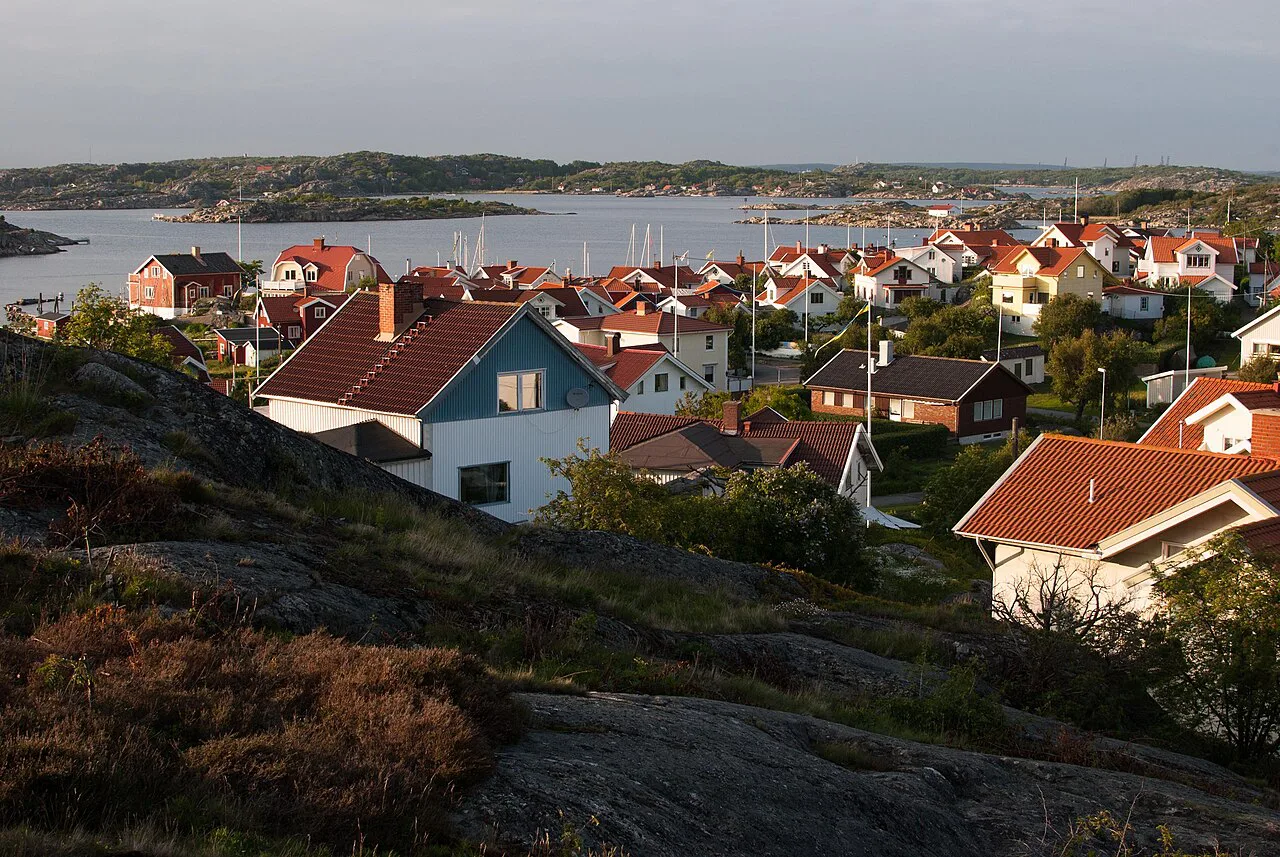
The northern archipelago: Hönö, Fotö and Öckerö by ferry and bridge
After a short ferry ride from Hisingen to Hönö, Björkö or Öckerö, the smaller islands are accessible by bridge. With its many hotels, Öckerö is a good starting point for anyone spending several days on the archipelago rather than a single afternoon.
Serene Hönö, just south of Öckerö, is considered the prettiest spot in the archipelago, with only a few guesthouses and pubs. Fotö, south of Hönö and reached by bridge, is quiet for most of the year, and its roughly 600 permanent residents are joined by summer visitors once the weather turns warm.
This is the half of the archipelago to pick if you dislike being tied to a boat timetable. You still arrive by ferry, but bridges then let you walk or drive between islands on your own clock, which suits a hire car or a long summer evening.
Hönö Klåva harbour: cafés, the fishing museum and boat life
Hönö Klåva on the south side of Hönö is the hub of the northern archipelago, with quayside restaurants alongside fish shops, boutiques and cafés. It is a setting for events and public gatherings all year round, so the harbour is worth a slow hour rather than a quick photograph.
Two named stops anchor a visit. Take a look in the Fiskemuséet Hönö fishing museum, and have something to drink at Franses Skärgårdspub while watching the boat life from the outdoor seating on the second floor.
For local baking, the café Hönökakan in the port of Klåva makes its soft, thin bread fresh on the premises and is the place to sample it. If you want something warm and sit-down, restaurant Tullhuset on the quayside serves fresh shellfish.
This is also the natural place to pick up the island fika habit, and our guide to Fika in Gothenburg explains the custom and what to order elsewhere in the city. For a wider list of what Gothenburg itself offers once you are back on the mainland, browse our Gothenburg Attractions: 21 Visitor Guides.
Styrsö and the island inn as a base for a slower day
Styrsö is the southern island with the strongest claim on an overnight, thanks to a popular inn that serves as a base for exploring further. Linger there rather than rushing back on the next ferry, and the trip stops being a tick-box exercise.
Otherwise, treat Styrsö as a half-day stop inside a longer southern loop. Check ferry times the day before you travel, since the car-free islands leave you dependent on the timetable once you are out there.
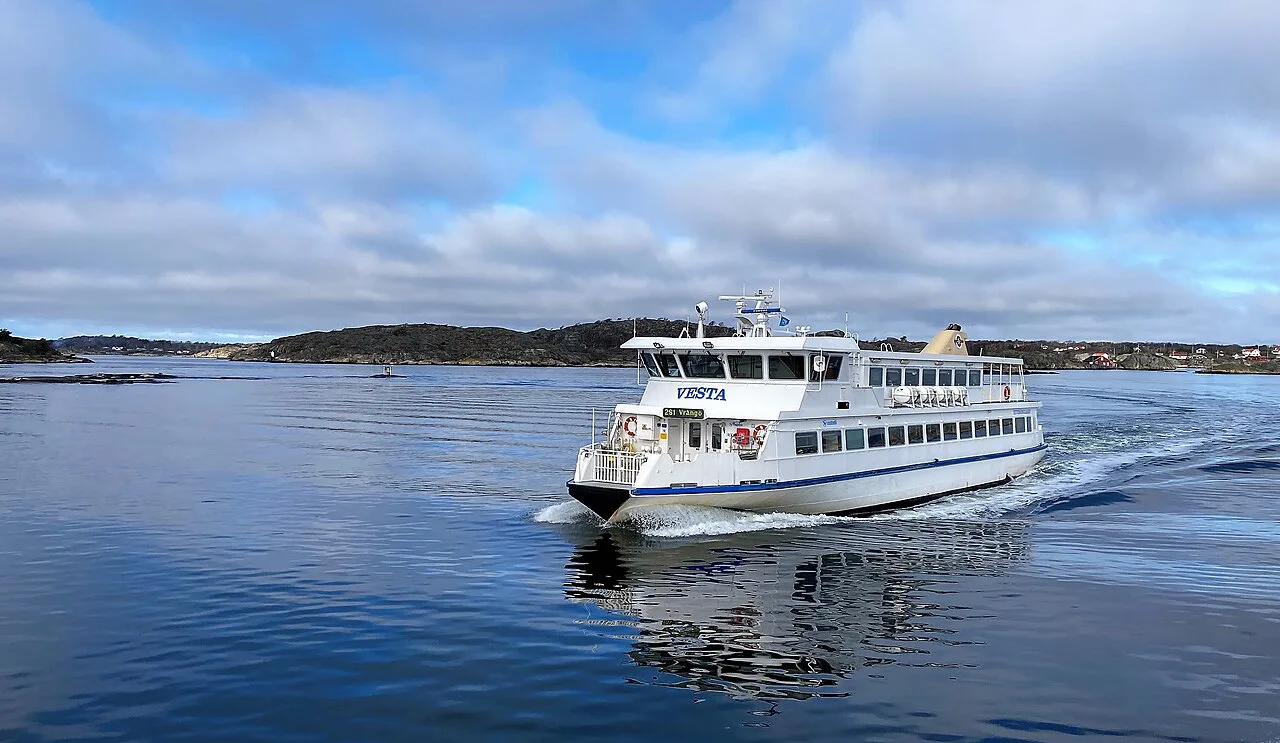
Viewpoints and easy walks: Jungfruviken, Ersdalen and the Tån view of Vinga
Hönö is bookended by two scenic spots, Jungfruviken and Ersdalen. At Jungfruviken you can stop for a picnic on the grass or a barbecue, follow it with a dip from the rocks, and see the ancient stone monument known as the Tryggeberg labyrinth.
Ersdalen is a nature reserve of smooth rocks and rich flora and fauna, and it is also a popular site for bouldering and free climbing on the crags. If you want to know more about the area, a guided walk in Ersdalen can be booked with Walkers Naturturer.
For a lighthouse view, head to the Tån viewpoint on Fotö's west side, where you get a good view out to Vinga Lighthouse. It is the kind of short, flat stop that fits between a harbour lunch and the ferry home.
Walking the Göteborgs Skärgårdsled between the northern islands
Göteborgs Skärgårdsled is a salt-sprayed trail that takes you from island to island, along shoreline meadows and through fishing villages, with the sea as your neighbour for most of the way. It works as a single day trip or as a multi-day hike with an overnight stay by the sea.
The trail covers six islands: Hönö, Fotö, Öckerö, Hälsö, Knippla and Hyppeln. On Hönö the first and part of the second stage take you on a lap of the island, and the trail starts as soon as you step off the ferry.
Judge a stage against your day rather than the whole trail. Each stage is a walk in itself, so it is sensible to pick a section that starts and ends near a ferry or bridge.
How long you need and how to choose between north and south
Give the southern archipelago a full day if you want more than one island, because the ferries from Saltholmen set the rhythm. For a short break, one southern island is enough; adding a second usually costs most of the useful daylight.
The northern islands suit two or three days, with Hönö Klåva as the base and bridge hops out to Fotö and Öckerö. If you only have one day in the north, pick Hönö and walk the harbour, the fishing museum and one of the two scenic bookends.
Many travellers base themselves in the city and take the archipelago as a change of scene. Our things to do in Gothenburg covers the mainland sights worth pairing with a day on the water.
Which half of the archipelago should you book first?
Book the southern islands first if you want car-free quiet and are happy to shape your day around ferries from Saltholmen. Book the northern islands first if you want a ferry in and bridges onwards, with Hönö Klåva harbour as the obvious anchor.
Whichever half you choose, plan your trip around a single base and check the ferry timetable before you leave. Then put the rest of your Gothenburg days together with our things to do in Gothenburg guide.
Explore more Gothenburg guides
Frequently Asked Questions
Can you visit the Gothenburg archipelago without a car?
Yes. The southern islands are car-free and reached by ferry from Saltholmen, which is only a 10-minute tram ride from the centre of Gothenburg, and transport is limited once you are on the islands. The northern islands take a short ferry from Hisingen, after which smaller islands are accessible by bridge.
How many days do you need for the Gothenburg archipelago?
One day covers a single southern island or a focused northern loop around Hönö Klåva. Two or three days let you add Fotö and Öckerö by bridge in the north, or an overnight at the inn on Styrsö in the south.
Which islands can you not visit?
Känsö is completely off-limits to visitors, and its flora and fauna can only be admired from the water.
Sources
Notes for your next Swedish city break
Optional updates to our Sweden guides.
You might also like
Continue reading
More guides you'll find useful