Midsummer in Sweden: Traditions, Dates and Where to Join In
Midsummer in Sweden means a maypole, flower crowns, herring and strawberries. Here is what happens, when it falls and where visitors can join a celebration.
On this page
Midsummer in Sweden is a single, concentrated celebration: most of the action happens on Midsummer's Eve rather than the day itself, and it takes place outdoors, close to water and greenery. For a city-break visitor the practical verdict is simple: either join a celebration in the Stockholm archipelago by boat, or treat Midsummer's Eve as a quiet day in a city that has largely emptied out. This guide covers the date, the maypole, the food and the ferry options, with fares and timings where they are published.
The date is the thing to get right before you book anything. Midsummer is tied to the summer solstice rather than to a fixed calendar day, which is why visitors regularly arrive a week early or late.
When Midsummer falls
Midsummer is celebrated close to the summer solstice, which falls around 21 June each year, and that timing gives Sweden its longest day and shortest night. The festival itself is not pinned to 21 June: it is a moveable celebration, so the Eve and the Day shift from year to year and you should confirm the exact dates for your year before booking travel.
In 2026 Midsummer's Eve falls on Friday 19 June, which makes for a long weekend in which Friday carries almost all the public celebration and Saturday is the quieter holiday. For a one-to-four day city break that matters: a Friday arrival in Stockholm lands you in the middle of the action, while a Friday arrival in a smaller city may find the centre unusually still.
If you are weighing up dates across the summer, the surrounding weeks behave very differently, and our guide to Sweden in July covers what changes once Midsummer has passed and the long light evenings settle in.
Why the cities empty out
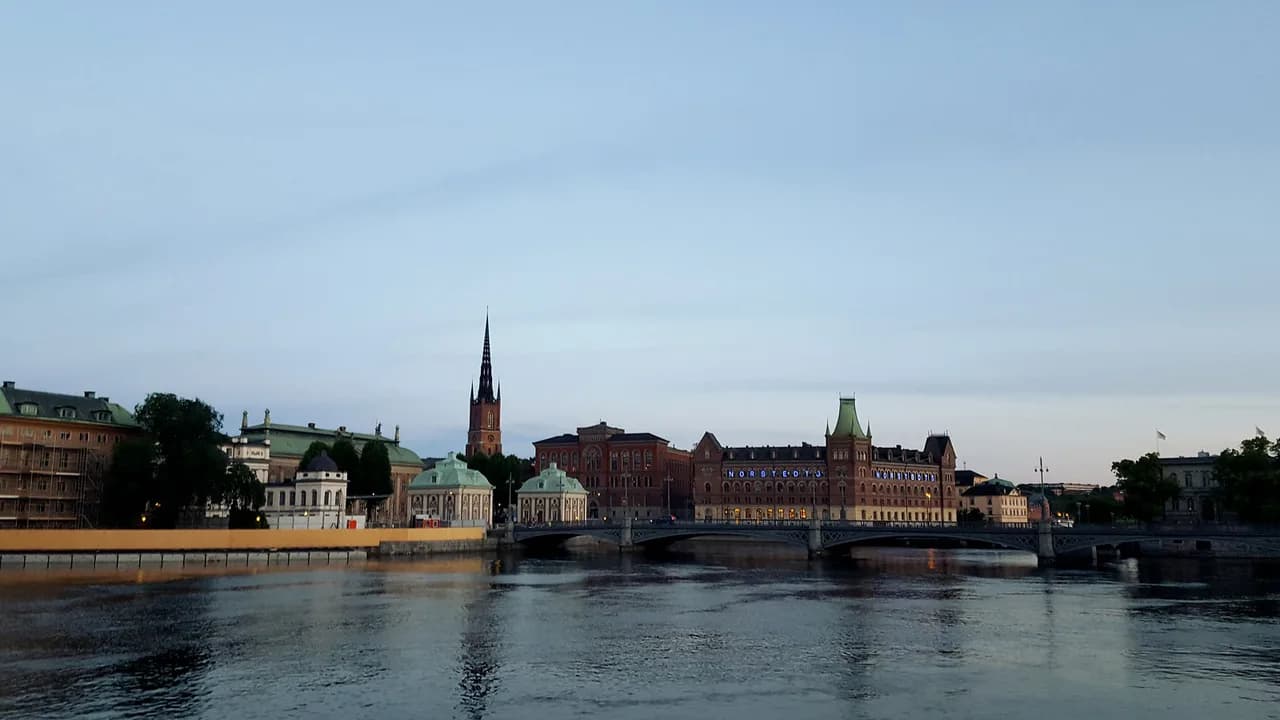
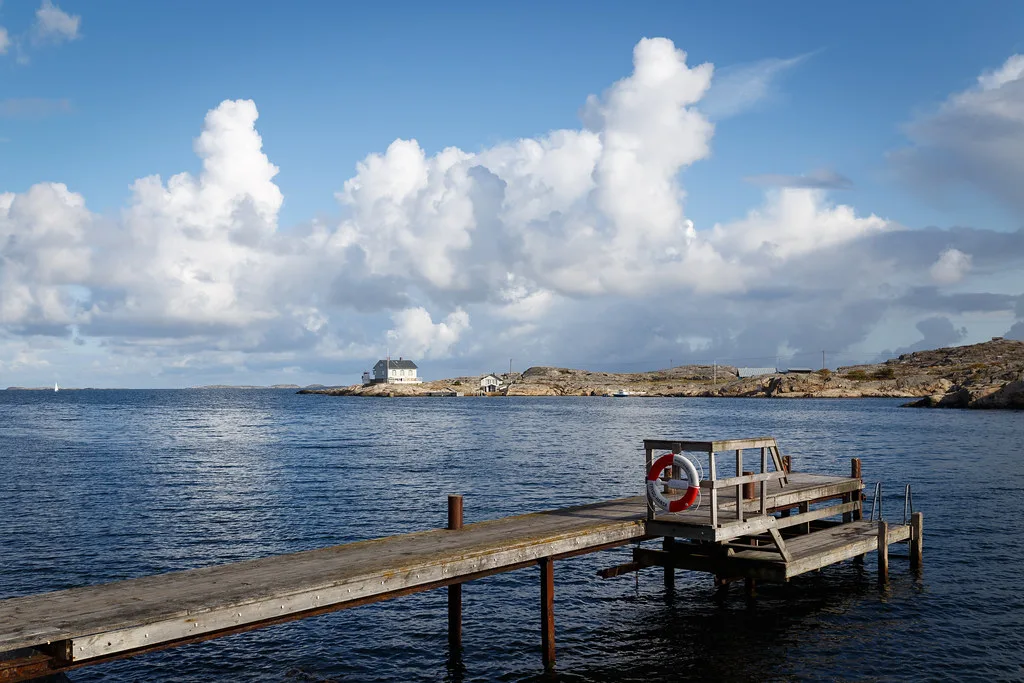
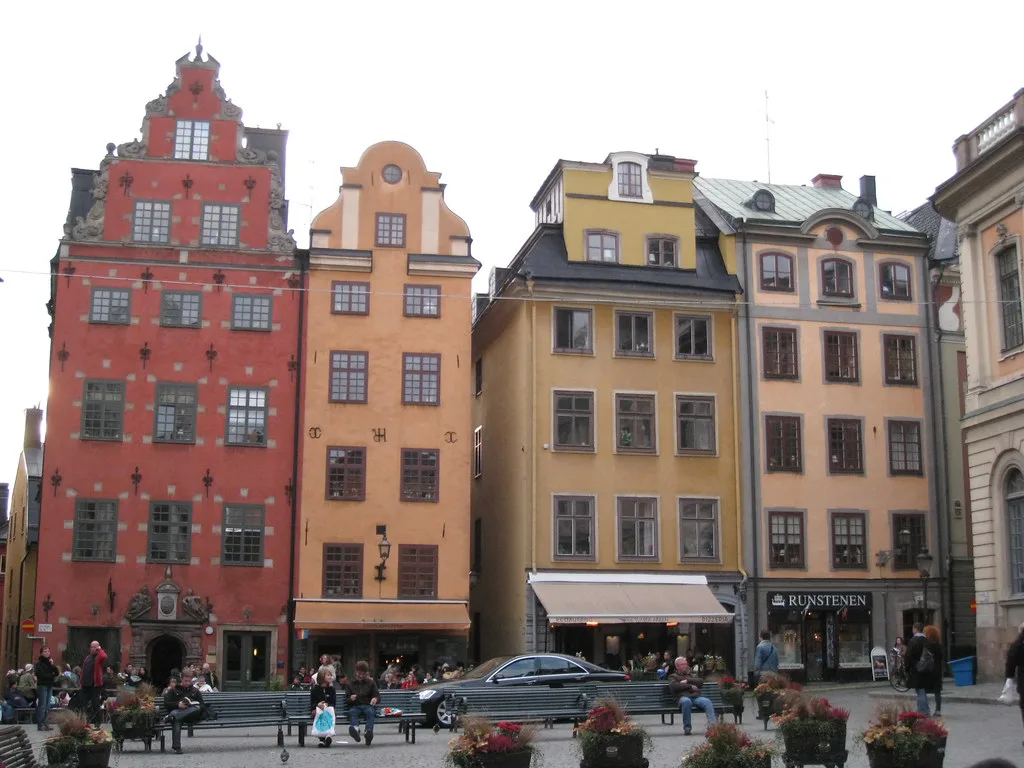
Treat Midsummer as a national departure rather than a city festival. Swedes head for the countryside, a family summer house or the islands to dance around the maypole, and city streets are noticeably deserted over the holiday. If your plan is museums, shops and covered markets in Gamla Stan, expect a thinner version of the city than the one you pictured.
The sensible trade-off is to decide before you book which experience you want: a genuine celebration in a village or island, or a calmer city with fewer queues. A short break built around architecture, waterfront walks and long daylight can work well on Midsummer's Eve, provided you accept that not every museum, shop or restaurant will be running its usual schedule.
What happens on the day: the maypole
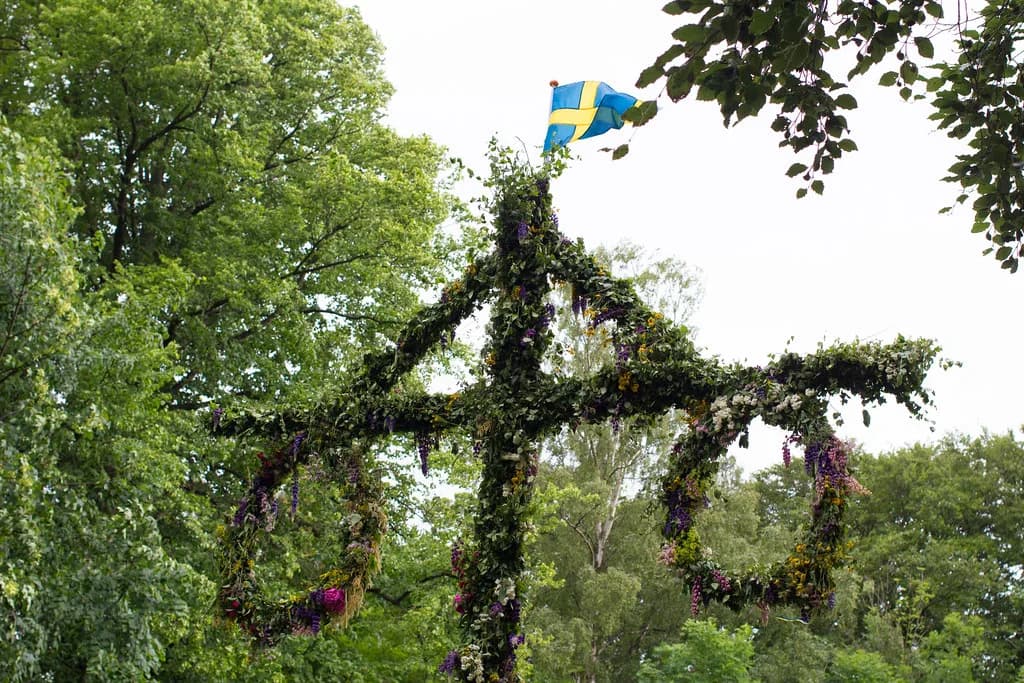
The centrepiece is the midsommarstång, the maypole, decorated with leaves and flowers and raised so people can dance around it. Its roots are in old fertility symbols, and the raising is a communal job rather than a performance: locals gather to dress the pole with foliage and then form rings around it. Times vary by place, so pick your celebration by the published programme rather than arriving and hoping.
Dancing and ring games follow the raising, and the songs are meant to be joined in rather than watched politely from the edge. The most famous involves hopping like a little frog, which is exactly as undignified and enjoyable as it sounds, and children are at the heart of it.
Flowers run through the whole day: greenery on the pole, wildflowers on the table and flower crowns woven for hair. Picking seven or nine different flowers and putting them under your pillow is said to bring dreams of your future partner, a custom that explains why the flower gathering is taken so seriously.
The food: herring, potatoes and strawberries
The Midsummer table is a set of specific dishes rather than a general feast: pickled herring, new potatoes with dill, sour cream, strawberries and a schnapps to accompany the singing. It is a lunch, eaten slowly and outdoors where possible, and the strawberries are treated as the marker that summer has properly arrived.
Herring comes in several varieties on the same table, often with Västerbotten cheese pie alongside, which is worth knowing if you have only met herring in a jar. You will also see schnapps songs, where the table pauses to sing before drinking, so a visitor joining a Midsummer lunch is joining a social ritual and not just ordering a plate.
None of this is guaranteed at a given venue; what each place publishes is the honest guide to what your day will look like.
Joining in around Stockholm: Sandhamn and Vaxholm
Sandhamn is the village option, with the maypole raised in the centre at Adolfs torg at 3pm, followed by dancing and games for all ages and a parade with live music through the town. Boat departures are from Strandvägen, quay 14, and piers along the way, with one-way tickets from 255 SEK from Strandvägen. That gives you a clear afternoon: arrive, watch the raising, join the ring games, and take a later boat back.
Vaxholm runs a community celebration at Lägret, where the pole is decorated at 2pm, a parade carries the rings from Söderhamnen at 3.40pm, and dancing and ring games with the local folk dance group start at 4pm. Boats leave from Strandvägen with one-way tickets from 190 SEK, and a herring lunch is available locally if you book ahead.
For a separate take on the same holiday in a different city, our Midsummer in Gothenburg guide covers how the west coast celebrates, and the pattern of a daytime maypole and an outdoorsy afternoon holds there too.
Grinda, Birka and the closest island hop
Grinda suits anyone who wants the celebration bundled with the journey: a classic archipelago boat sails out with a traditional three-course Midsummer meal on board, then you step ashore for folk music, dancing around the maypole and festivities on the island. It is a longer day than a village visit and costs more, but it removes the planning and feeds you.
Birka on Björkö is the heritage option, with the maypole decorated together and traditional dancing from 2.30pm, and it is reached on Lake Mälaren rather than by the archipelago boats from Strandvägen. Fjäderholmarna is the shortest hop, about 30 minutes by boat from central Stockholm, and works well if you want sea air and a leisurely lunch rather than a full maypole programme.
Further out in Roslagen, Marholmen in the archipelago an hour's drive from both Stockholm and Uppsala builds its celebration over Thursday arrival, Midsummer's Eve maypole raising with communal games and dancing, and a Midsummer's Day of beach volleyball, adventure golf and fishing trips. That structure suits families who want the whole weekend rather than one afternoon.
What Midsummer means for a city break
Book ferry and celebration tickets well ahead, because Midsummer's Eve is one of the busiest days in the archipelago and the popular lunches and cruises ask for advance booking. Build the rest of your break around what will genuinely be running, and keep a flexible second day for the museums and neighbourhoods you might otherwise have packed into Friday.
If you are travelling across the whole season rather than for the festival itself, it helps to know how the weeks either side differ, and our Sweden in summer overview sets out the practical pattern for city breaks from June onwards.
For travellers heading north later in the season, Midsummer in Lund covers how the Skåne university town marks the holiday, and Sweden in August picks up the calendar once the light starts to shorten again.
Join a celebration or take the quiet day?
Choose the island or village celebration if Midsummer is the reason for your trip: Sandhamn and Vaxholm give you a village maypole and dancing in an afternoon, Grinda wraps it in a boat trip with lunch, and Fjäderholmarna is the low-commitment version at 30 minutes from the city. Choose a quiet city break instead if you mainly want architecture and waterfront walks, accepting that restaurants and sights may run a reduced version of themselves.
Whichever you pick, confirm the exact year's dates and the operator's departure times before you commit, then book the boat early and build the rest of the day around it. For the practical details, see the best time to visit Sweden.
Explore more Sweden guides
Sources
Notes for your next Swedish city break
Optional updates to our Sweden guides.
You might also like
Continue reading
More guides you'll find useful