The Swedish Archipelago: Island Days from Stockholm
Plan a day in the Stockholm archipelago from the city: which islands sit within an hour, how ferries and land routes work, what to eat, and how long you need.
On this page
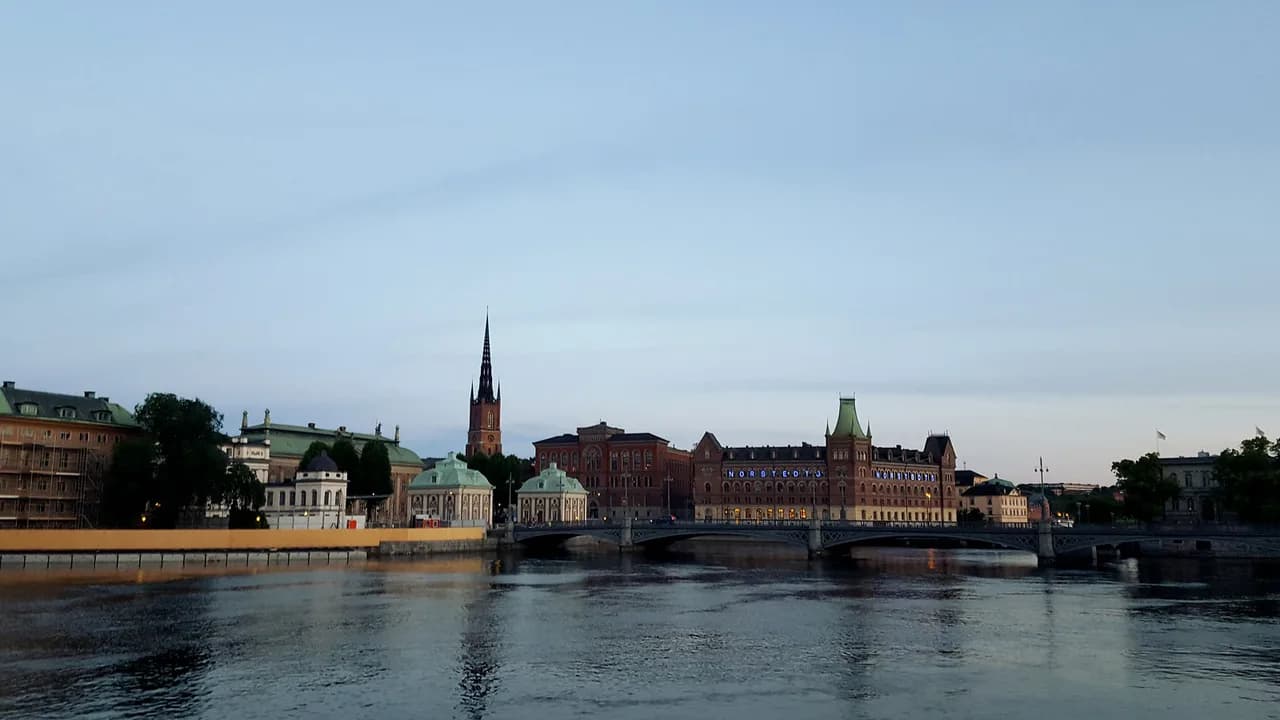
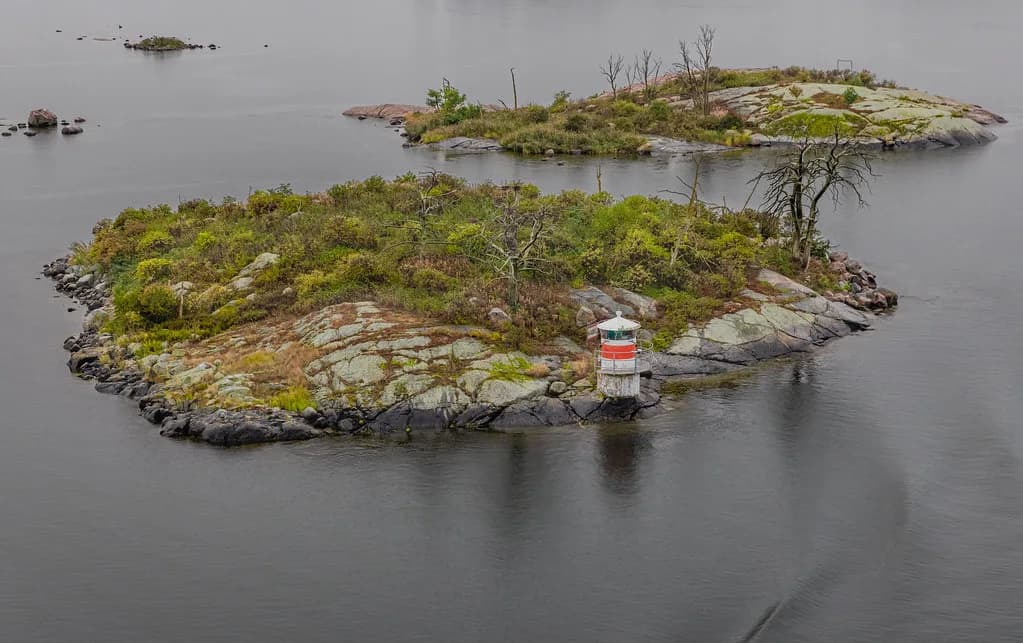
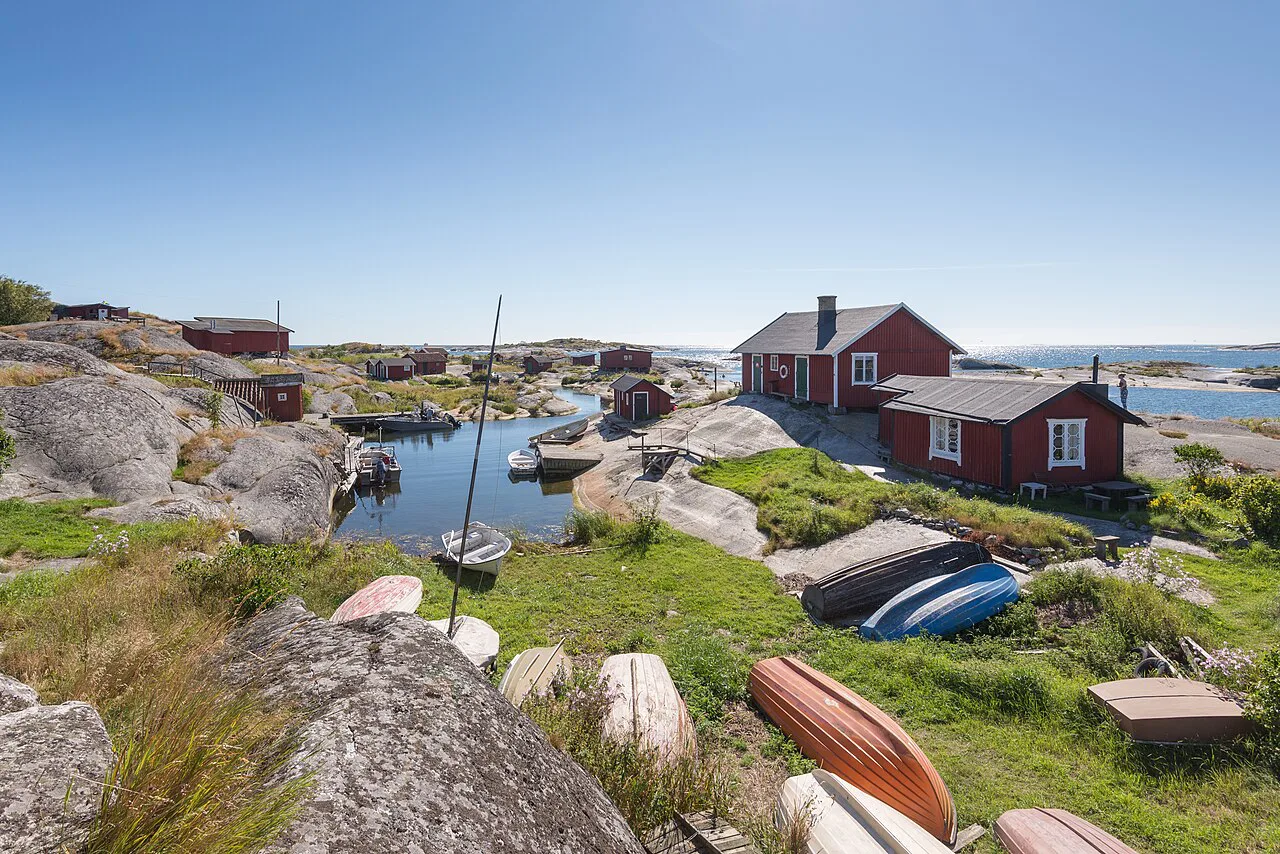
The Swedish archipelago most city-break visitors mean is the Stockholm one: around 30,000 islands, skerries and rocks spreading east from the capital into the Baltic Sea. It is the largest archipelago in Sweden, and the closest islands are reachable in about 20 minutes from the city, which makes a sea day realistic even on a two-night break.
This guide sorts the islands by how long it takes to reach them rather than by scenery, so you can pick in seconds. It covers the inner islands within an hour, the outer islands that reward a longer day or an overnight, ferry and land access, the local dish to order, and the honest trade-off between easy and memorable.
What the Stockholm archipelago is
The archipelago stretches roughly 80 kilometres east from Stockholm into the Baltic, from the city-close Fjäderholmarna in the west to the Svenska Högarna islets in the east. Its northern edge is the old fortifications on Arholma, and its southern point is the lighthouse on Landsort.
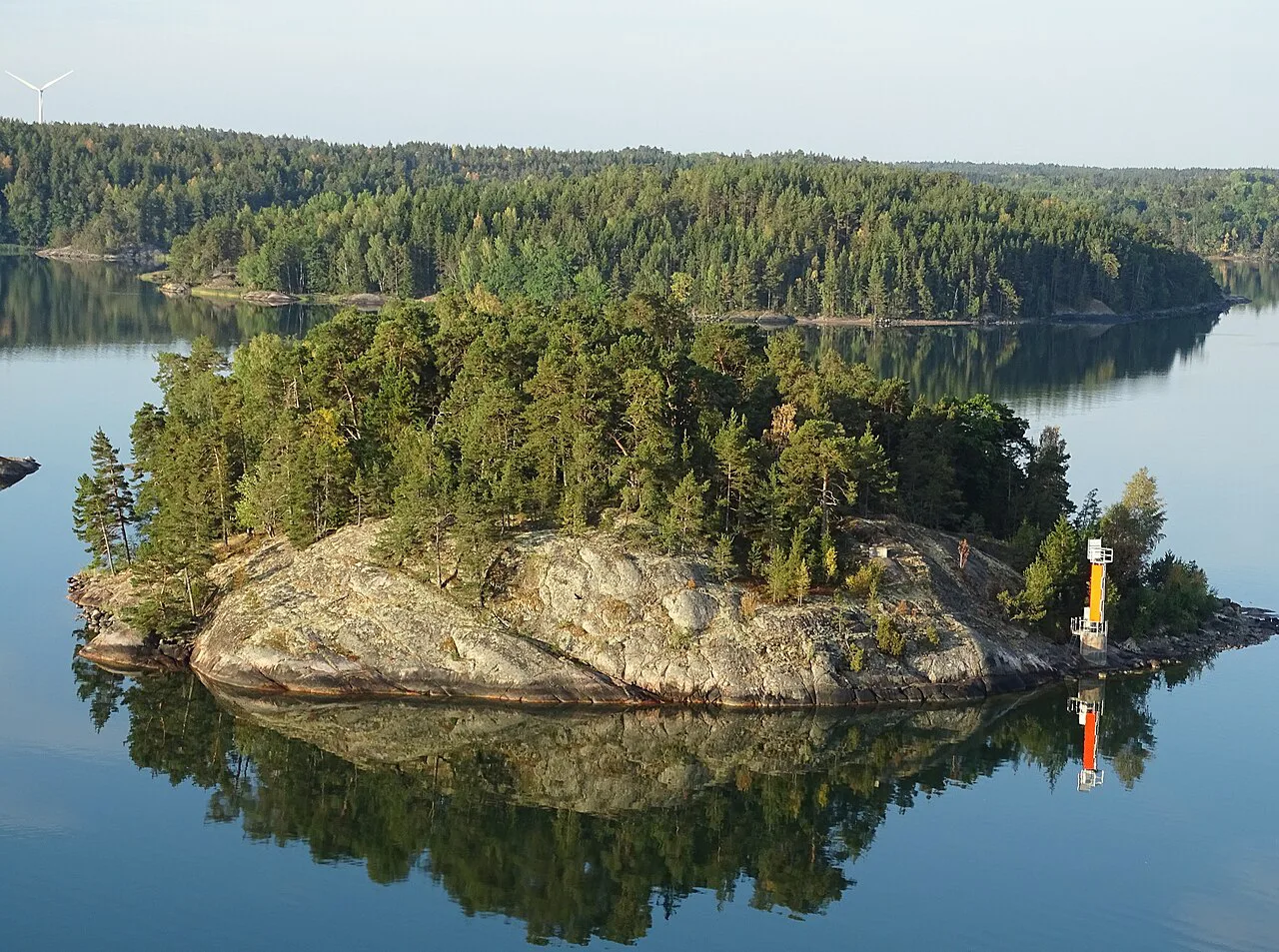
The scenery mixes bare, wind-scoured cliffs with forest, meadows and salt water, which is why the same trip can be a brisk clifftop walk or a lazy afternoon by a harbour. National Geographic named the archipelago one of its 25 best destinations in the world in 2025, and it covers an area twice the size of New York City.
Boats are the classic way to see it, but you can also arrive by land: buses and roads reach several of the larger islands, and cycling or driving to a ferry jetty is a normal local approach.
How much time you need
A half-day suits Fjäderholmarna or one inner island and gives you a taste of island life without planning. A full day lets you combine two islands or reach Vaxholm or Grinda and still be back in the city for dinner.
An overnight is where the archipelago changes character. The inner islands empty out in the evening, and staying on an outer island gives you quiet mornings that day-trippers never see, at the cost of careful planning around boat times.
If your city break is short, treat the archipelago as one full day rather than squeezing it around Gamla Stan and Djurgården. Rushing a ferry to fit in a museum usually means seeing neither properly.
Islands within an hour of central Stockholm
Visit Stockholm lists Fjäderholmarna, Vaxholm, Gustavsberg, Värmdö and Grinda as the easy picks, all reachable by local transport or ferry within an hour of downtown. They need little preparation and still give a genuine sample of the archipelago.
Grinda is the one most day-trippers aim for, with trails, rocks and swimming, and it has a full guide to its walks, swimming spots and boat access on this site: Grinda: A Day Trip Guide to Stockholm's Archipelago Island. It works well paired with Vaxholm on a long summer day, since both sit on the same inner run.
Värmdö and Gustavsberg are larger, more lived-in places rather than postcard islets, which makes them useful when you want a harbour town, a museum or a proper walk without a long crossing.
Fjäderholmarna: the closest island
Fjäderholmarna is the westernmost of the city-close islands and the quickest taste of the archipelago, best suited to a half-day when you have already booked the rest of your Stockholm time.
It suits travellers with children, a late start or uncertain weather, because you lose little if you turn back early. The trade-off is that it feels more like a city excursion than a wild island.
Vaxholm and Grinda: the classic day-trip pair
Vaxholm gives you a town: streets, a harbour, shops and a fortress setting, with ferries from the city. Grinda gives you nature: trails, rocks and swimming, with the same easy access. Doing one in the morning and the other after lunch covers both moods in a single day.
If you only have one day, Grinda gives you the wilder version, with trails, rocks and swimming, while Vaxholm gives you a town to wander between boats.
Further out: Sandön, Möja, Nåttarö, Utö and Finnhamn
Visit Stockholm groups Sandön, Möja, Nåttarö, Utö and Finnhamn as outer-archipelago islands: a couple of hours away, quieter, and better with more careful planning. Several have guesthouses and campsites if you want to stay a night or two.
Sandhamn, on Sandön, is the sailing village at the heart of the outer archipelago and a good target for a full-day boat trip. Its summer atmosphere is the payoff for the longer crossing.
Svenska Högarna, the easternmost outpost, has irregular traffic and suits kayakers, sailors or campers rather than a timed day trip. Treat the far east as an adventure rather than a checklist item.
Getting there: ferry and land options
The archipelago is reached by sea or by land, with ferries from central Stockholm and roads and buses out to the larger islands. Visit Stockholm keeps a boats and ferries page that lists the operators and routes, which is the place to match an island to a sailing.
Ferry timetables and tickets change with the season, so confirm the specific departure and return before you commit to an outer island. If a connection looks tight, choose an inner island instead of gambling on the last boat.
Travellers who want the water without organising it themselves can take a RIB trip into the archipelago, or use an archipelago taxi boat to move between islands.
What to eat on the islands
Order fried herring, served with potato puré, green peas, lingonberry jam and clarified butter. It is the quintessential archipelago dish, and it appears on island menus alongside everything from burgers to locally sourced vegan plates.
Seafood is the other safe bet, since the islands sit on the Baltic and the cooking follows the water. Grinda, Fjäderholmarna and Värmdö all have places to eat, including restaurants and barbecue spots where you cook your own catch.
Artipelag and cultural stops
Artipelag, set in its own natural surroundings, is the archipelago's best-known cultural destination, and it makes a sensible anchor for a half-day on Värmdö. Beyond it, the islands hold museums and attractions covering art, history and science, so a rainy day need not be wasted.
Opening days and admission vary through the year, so check the venue's own page for the dates you have in mind before building a ferry around it.
Hiking, cycling, kayaking and swimming
The archipelago is made for walking, with trails for both experienced and amateur hikers, and for cycling on the larger islands. Swimming from the rocks is part of the ritual, and the Baltic is at its most inviting in high summer.
Kayaking and sailing reach the places ferries do not, including the remote eastern islets. If you are not paddling yourself, the gentler version is a RIB tour or a rented bike on an island with roads.
Berry and mushroom picking fits the autumn months, and several islands have barbecue stations for cooking what you have caught or bought.
Camping and staying overnight
Camping is a real option rather than an afterthought: the archipelago has accessible camping grounds and campsites, and hostels and rented cottages are common ways to stay. Outer islands such as Utö, Finnhamn and Nåttarö are the ones to look at if you want a night away from the city.
The practical gain is timing. An overnight lets you see the islands at their quietest, when the day boats have gone and the rocks are empty.
When to go
Summer is the peak, with the warmest water and the liveliest harbours, but the archipelago is described as beautiful and visitable year round, not just in July. Spring and autumn bring quieter boats and a sharper light for walking, at the cost of shorter days and fewer services on the outer islands. If you are weighing that seasonal call, our guide to the best time to visit Sweden covers the same trade-off for city breaks.
For a city break, late spring and early autumn usually give the best balance of weather and breathing room.
Is the archipelago worth it on a short city break?
Yes, if you give it a day and accept the version you can actually reach. Fjäderholmarna, Vaxholm and Grinda deliver a real sea day on a three-night trip without swallowing the whole itinerary.
The honest trade-off is that the inner islands are busy in summer and the rewarding outer ones need more time. Choose by how much time you have, not by which photos look best.
If you are travelling along the west coast instead, the Bohuslän Coast offers a different kind of sea day, with rocky islands and the boardwalk village of Smögen.
Which island should you book for?
With one free day, book Grinda for nature or Vaxholm for a town, and keep Fjäderholmarna in reserve for a half-day or a slow start. With two nights spare, look at Utö, Finnhamn or Sandhamn and let the ferry times set the shape of your day.
Sort your shortlist by crossing time, check the current sailing and return boat, then build the rest of the trip around it. That single step prevents most archipelago disappointments.
Explore more Sweden guides
Sources
Notes for your next Swedish city break
Optional updates to our Sweden guides.
You might also like
Continue reading
More guides you'll find useful