Bohuslän Coast Guide: Marstrand, Smögen and Fjällbacka
Plan a Bohuslän coast trip with our guide to Marstrand, Smögen and Fjällbacka, plus Carlstens Fortress, the Gothenburg archipelago and how to get around.
On this page
Three days is enough to drive the Bohuslän coast at a comfortable pace. The villages cluster in two groups: Marstrand and Klädesholmen in the south, near Kungälv and Stenungsund, and Fjällbacka, Smögen and Strömstad further north. Two days covers the southern half well; a week lets you slow down and add the Gothenburg archipelago, which sits south of Bohuslän proper. This guide orders the villages south to north, explains what each one actually is, and covers ferries, driving and the best months to go.
Where the Bohuslän coast starts and ends
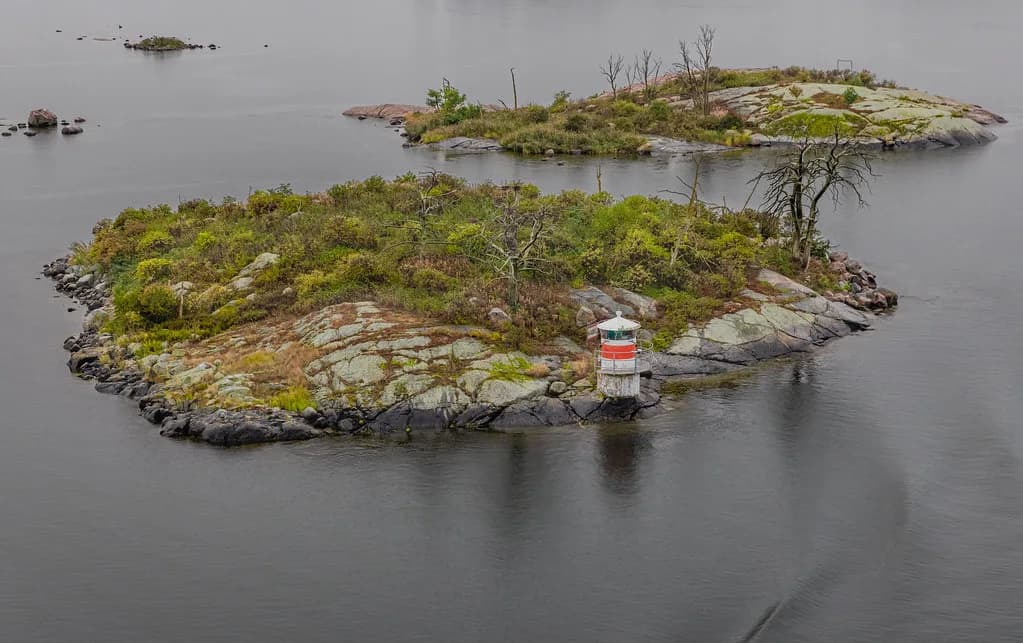
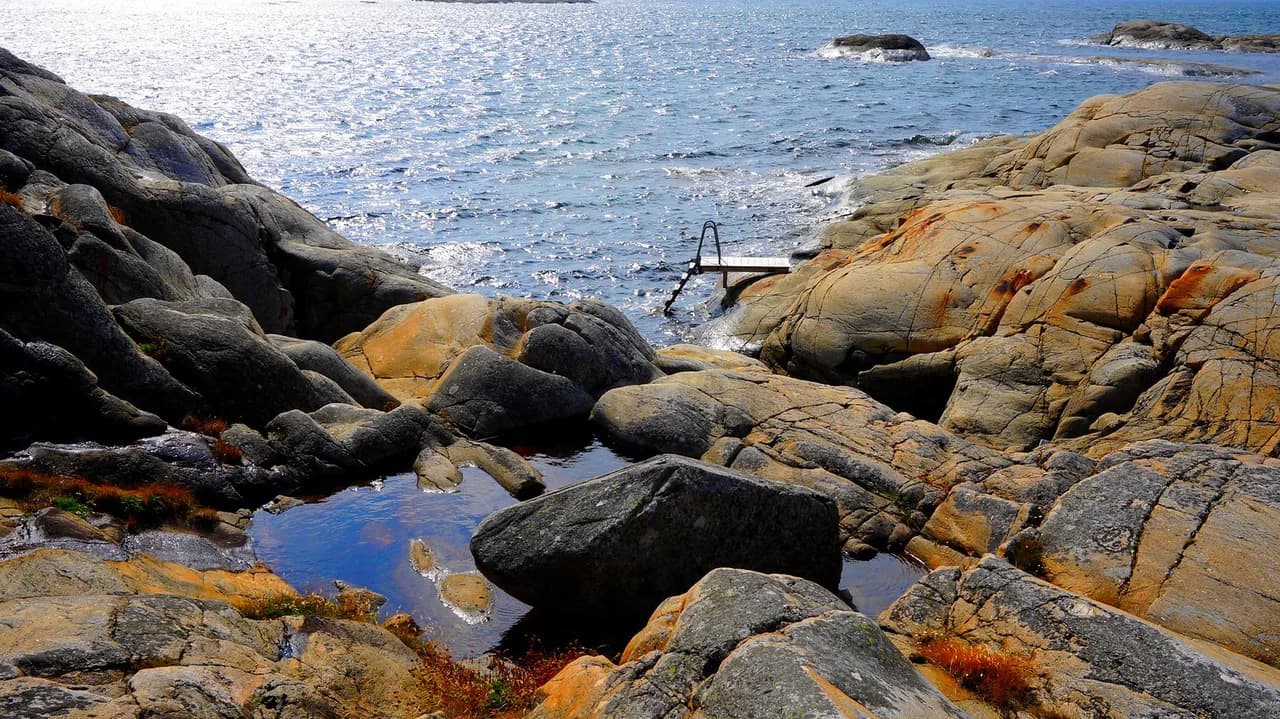
Bohuslän is the stretch of Swedish west coast running from Gothenburg in the south to the Norwegian border in the north, a granite landscape of islands, skerries and fishing villages. Its coast is one of the country's main summer destinations, with Bohuslän itself promoted as a place to see islands, seafood, granite rocks and coastal villages.
The practical spine of a trip is the road that links Gothenburg, Kungälv, Stenungsund, Uddevalla, Lysekil and Strömstad, with detours west to the villages on the islands and headlands. Regional guides split the coast into named stops such as Kungälv, Marstrand, Lysekil, Strömstad and Tanumshede, which is a useful way to plan driving days.
For a short break, treat Gothenburg as the anchor and pick a southern loop: Marstrand and Klädesholmen on one day, then a second day further north to Fjällbacka and Smögen. Only push on to Strömstad if you want Kosterhavets National Park, the country's first marine national park, which sits offshore from there.
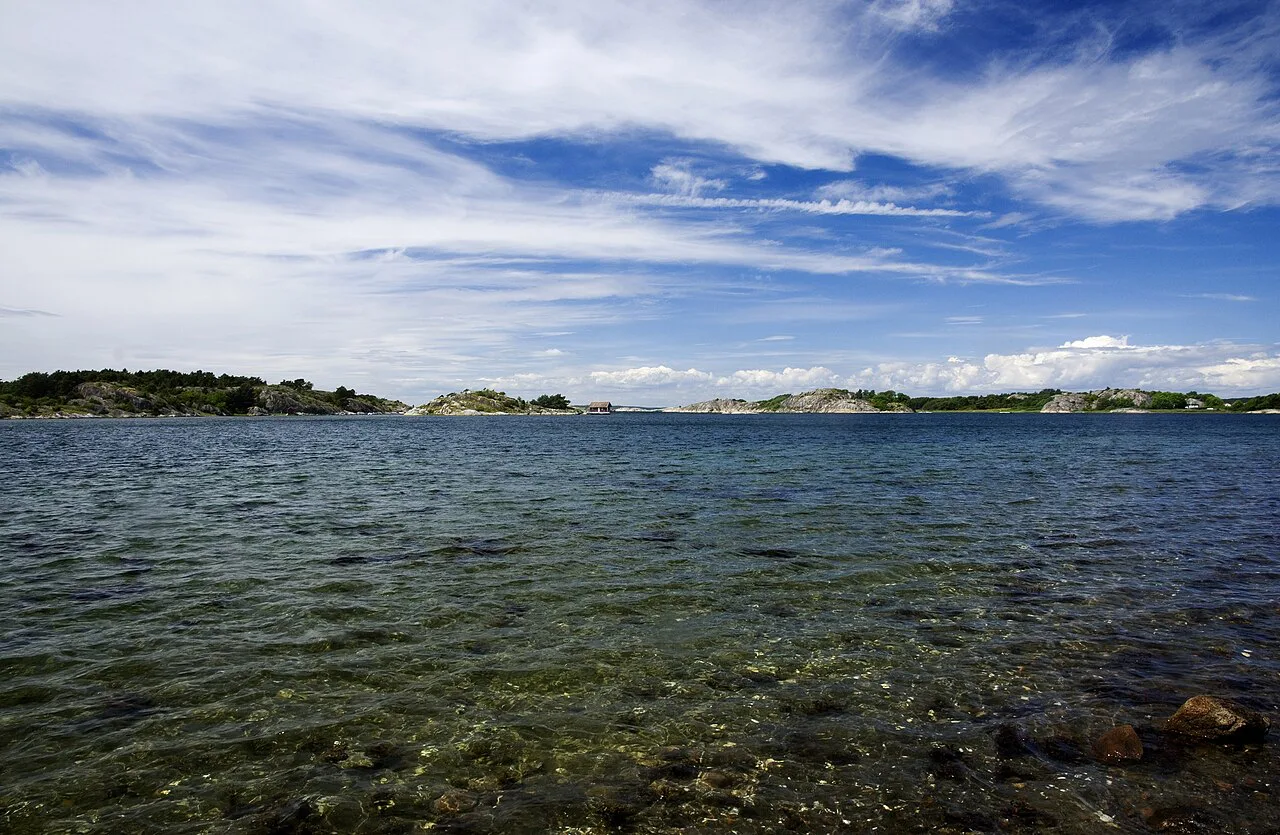
Marstrand: the fortress island and the village on Koön
Marstrand is split between the town and the island that holds the headline sight, and planning around that saves half a day. The town spreads across Koön and the surrounding islands, and the island itself, with the 17th-century Carlstens Fortress, is the main draw.
What are some seaside towns on the Bohuslän coast? Marstrand, Klädesholmen, Fjällbacka, Smögen and Strömstad are the main ones, along with Stenungsund and Lysekil further south. Marstrand is split across islands with Carlstens Fortress as its landmark, while Smögen is known for its long wooden boardwalk.
Is the Gothenburg archipelago worth visiting on a Bohuslän trip? It is if you want car-free islands without driving north. Hönö is reachable by ferry from Lilla Varholmen and has harbour cafés and swimming, while Styrsö and Vrångö are served from Stenpiren or Saltholmen, with Vrångö a car-free nature reserve.
How many days do you need for the Bohuslän coast? Two days covers Marstrand and Klädesholmen in the south plus Fjällbacka or Smögen further north. Three days lets you add Strömstad and Kosterhavets National Park, and four or more suits a south-to-north drive with overnight stops.
On the island side, the fortress is the headline sight and the walking behind it opens onto wide views over the sea and bare granite. Look out for the narrow passage called Nålsögat, the eye of the needle, which is the most memorable stretch of the path.
Marstrand has long been a sailing and swimming town, with Carlstens Fortress as its landmark, so allow a full half-day rather than a quick photo stop. Check crossing and access details at the harbour on the day, because they set how long you can spend on the island.
Smögen and the Smögenbryggan boardwalk
Smögen is the village most associated with the Bohuslän coast, and the reason is Smögenbryggan, a long wooden boardwalk lined with shops that runs along the harbour. It is a place to walk, look at boats and eat seafood, and it is at its most crowded in high summer.
Outside the summer season, expect a very different village: fewer open shops on the boardwalk, quieter streets and a slower pace along the water. The trade-off is real, because the boardwalk bustle is part of the appeal; late spring and early autumn give you the village without the crush.
Fjällbacka and the climb up Vetteberget
Fjällbacka is a fishing village of colourful wooden houses with a large mountain, Vetteberget, sitting right next to it. The combination makes it one of the most photogenic stops on the coast, and the climb above the rooftops is the reason to linger rather than pass through.
Plan Fjällbacka as a half-day: the village centre is small and walkable, and the mountain walk takes the rest of the time. Wear shoes with grip, since the granite is smooth in places, and keep the walk for a dry day so the views over the skerries are actually visible.
Klädesholmen and the herring tradition
Klädesholmen is a classic Bohuslän village of white houses on a small island, and it has been the Swedish centre for herring for several hundred years. That history is the reason to stop here rather than treat it as another pretty detour: the herring tradition shaped the village, and it still shows in what is sold and served on the island.
The drive from Marstrand to Klädesholmen is short, so the two fit into one day. Weather turns quickly on this coast, and the wind can be strong even in spring, so keep a layer handy and treat the village walk as something to do between showers rather than a fixed slot.
About 20 kilometres from Klädesholmen, the sculpture park at Pilane adds an hour or so of art in the landscape and works well as an inland counterpoint to the coastal villages.
Strömstad as the northern gateway
Strömstad is a seaside town on the northern stretch of the coast and the natural starting point for Kosterhavets National Park, the country's first marine national park. If you have come this far north, the park is the reason to be here rather than the town itself.
Other worthwhile stops on the northern stretch include Orust for nature and swimming and Stenungsund for a dip in the sea on the way south. Both suit a driving day rather than a dedicated overnight, which matters when you are allocating a short break.
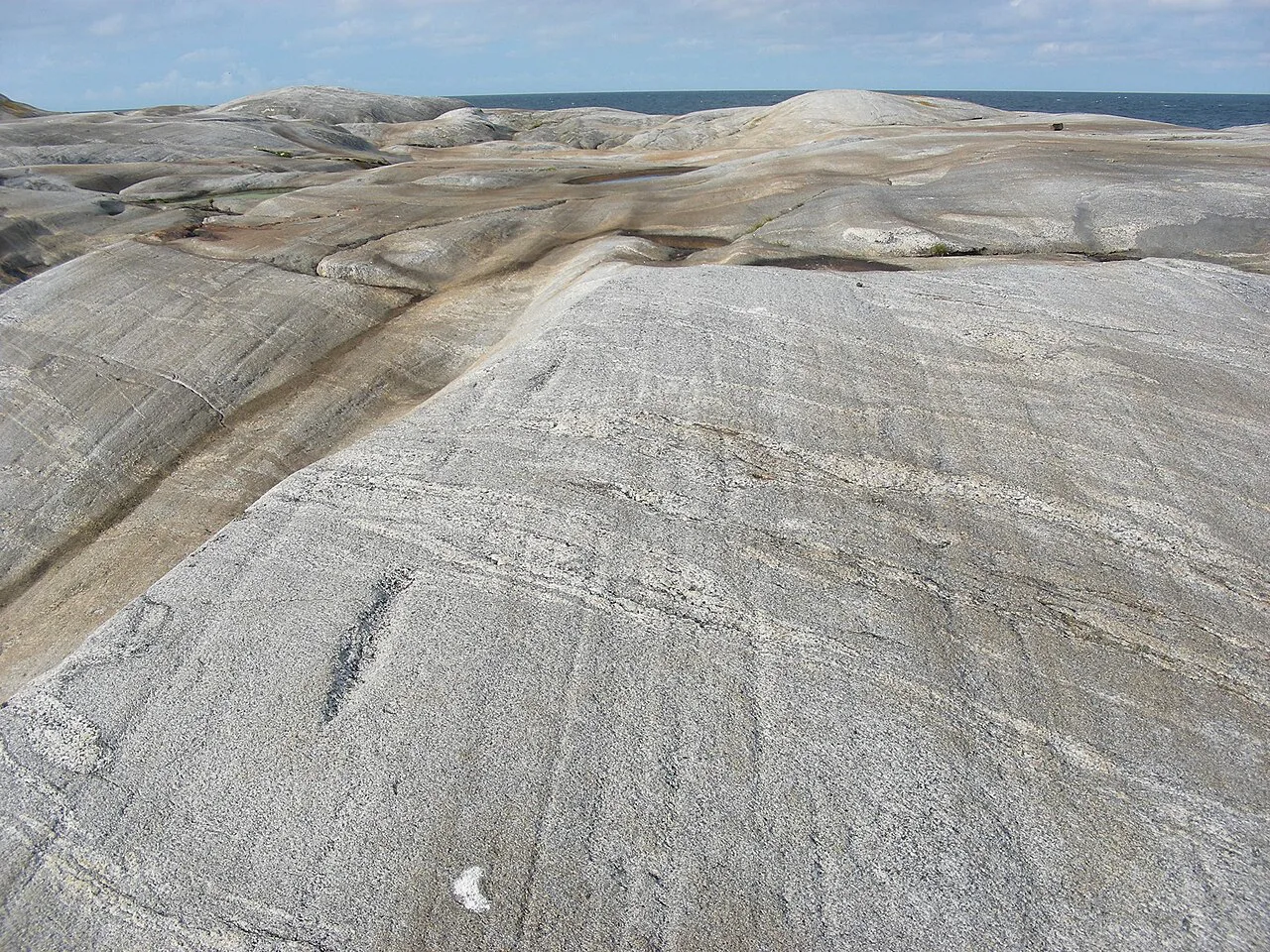
Gothenburg as the start or end of the drive
Gothenburg, Sweden's second city, is the obvious start or finish for a Bohuslän drive, and its trams are one of its best-known symbols for getting around. A boat tour on Paddan gives you the city from the water if you have an afternoon spare before heading north.
Eriksberg, a former port being redeveloped as a residential district, is a rewarding walk on a fine day, with the harbour crane left standing as a reminder of the area's history. It sits outside the usual tourist circuit, which is precisely its appeal if you want a contrast to the villages.
If you are weighing up a longer island trip elsewhere in Sweden, the wider Swedish archipelago picture helps:Sandhamn in the Stockholm archipelago is a very different kind of island day, reached by different ferries.
Gothenburg archipelago: Hönö, Styrsö and Vrångö
The Gothenburg archipelago is worth adding if you want islands without committing to the far north of Bohuslän. Hönö is one of the most popular, with a harbour to stroll, outdoor cafés and swimming; Styrsö is completely car-free and good for walking or cycling among wooden houses; Vrångö, furthest south, is a car-free nature reserve with walking trails and a relaxed pace.
Ferries are simple to use: Hönö is reached by ferry from Lilla Varholmen, while Styrsö and Vrångö are served from Stenpiren in the city centre or from Saltholmen. Knowing which departure point you need decides whether you drive or take a tram to the water first.
If you like the sound of car-free islands with marked trails, Grinda offers the same idea with a Stockholm base rather than a Gothenburg one. For a short west coast break, though, Hönö is the easiest add-on because the ferry leaves from the northern edge of the city.
Getting around the coast without a car
A car makes the Bohuslän villages far easier, because the coast is a chain of small places rather than one town. Without one, pick a single base such as Gothenburg or Stenungsund and use buses for day trips to Marstrand or the archipelago ferries; you will see fewer villages but spend less time waiting at interchanges.
Fjällbacka, Smögen and Strömstad are strung out along the northern half, so trying to reach all three by public transport in a short break is slow. Choose two, or stay a night further north rather than doubling back to Gothenburg each evening.
How many days the coast needs
Two days works as a taster: Gothenburg plus Marstrand and Klädesholmen on day one, then Fjällbacka and Smögen on day two if you have a car and start early. Three days lets you add Strömstad and the Kosterhavet area, or swap one village for an archipelago ferry.
A four-day or longer trip suits a north-to-south drive with overnight stops, for example Gothenburg, then Fjällbacka or Smögen, then Strömstad, with the southern villages on the way back. More than that and you are into holiday territory rather than a city break, which changes the packing and the budget.
When to go: summer crowds versus spring and autumn
Summer is when the coast is at its busiest, with boardwalks and harbour cafés drawing crowds. Spring and autumn give you the villages with far fewer people, at the cost of some seasonal businesses being shut and changeable weather; strong wind and sudden cloud are normal in April, so plan indoor or scenic alternatives.
Further south, Halland's beaches at Varberg, Falkenberg, Halmstad and Tylösand are summer places where beach life, outdoor cafés and bars make up much of the appeal. They are a separate trip from the Bohuslän villages, worth considering only if you are driving the whole west coast.
What a Bohuslän coast trip costs in SEK
Prices for ferries, village parking, the Marstrand crossing, museum-style sights such as Carlstens Fortress and archipelago boats are set by the operators and change with the season. Check the current fares and opening days on the relevant operator or attraction page before you commit to a route, since one closed sight can reshape a day.
Sweden is largely cashless, so a card or mobile payment is the practical default in the villages, and you should not plan on drawing kronor at every stop. Budget for fuel or bus fares and a couple of museum or fortress entries rather than assuming a set figure for the day.
Which Bohuslän route to book
For a first trip, drive Gothenburg to Marstrand and Klädesholmen on day one, then Fjällbacka and Smögen on day two, and leave Strömstad and Kosterhavet for a longer visit. If you would rather not hire a car, base yourself in Gothenburg and use the archipelago ferries from Saltholmen and Stenpiren instead.
Explore more Sweden guides
Frequently Asked Questions
What are some seaside towns on the Bohuslän coast?
Marstrand, Klädesholmen, Fjällbacka, Smögen and Strömstad are the main ones, along with Stenungsund and Lysekil further south. Marstrand is split across islands with Carlstens Fortress as its landmark, while Smögen is known for its long wooden boardwalk.
Is the Gothenburg archipelago worth visiting on a Bohuslän trip?
It is if you want car-free islands without driving north. Hönö is reachable by ferry from Lilla Varholmen and has harbour cafés and swimming, while Styrsö and Vrångö are served from Stenpiren or Saltholmen, with Vrångö a car-free nature reserve.
How many days do you need for the Bohuslän coast?
Two days covers Marstrand and Klädesholmen in the south plus Fjällbacka or Smögen further north. Three days lets you add Strömstad and Kosterhavets National Park, and four or more suits a south-to-north drive with overnight stops.
Sources
Notes for your next Swedish city break
Optional updates to our Sweden guides.
You might also like
Continue reading
More guides you'll find useful