Fika: What the Swedish Coffee Break Is and How to Do It
Fika is the Swedish habit of pausing for coffee and something sweet, usually with others. Here is what it means, when Swedes take it and what to order.
On this page
Fika is the Swedish custom of stopping for a coffee or tea with something to eat, usually a bun or an open-faced sandwich, and usually in company. It is a pause rather than a drink to carry away, which is the practical difference from a British or American coffee break. This guide covers what the word means, when Swedes take fika, what to order, the home version with seven kinds of cake, and how to fit a fika into a Swedish city break.
You do not need a reservation, a special café or a particular order to try it. Sit down, order a coffee and one thing from the counter, and stay for ten or twenty minutes instead of walking off with a paper cup.
What fika means and how to say it
Fika is pronounced fee-ka, with a short first syllable and equal stress. It began as back-street slang: Swedes used kaffe and kaffi for coffee, the word split into two syllables and was then reversed, and the second f eventually dropped away to give fika. Kaffe remains the ordinary Swedish word for coffee.
In everyday use fika means both the break and the refreshments. You can enjoy any snack you like, and a simple coffee-and-bun stop counts as much as a full tray of pastries at a table.

Why fika is a break rather than a takeaway coffee
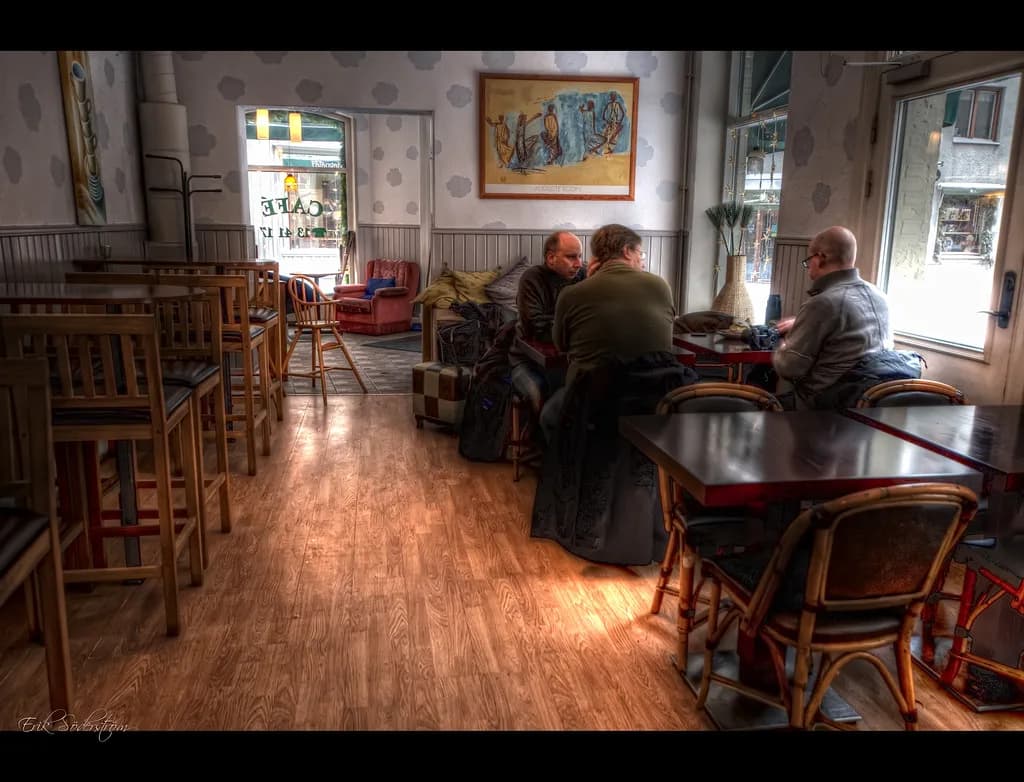
The distinction is behavioural. Fika involves sitting down, eating something rather than only drinking, and generally switching off from the task at hand instead of taking a latte back to a desk. That is why a Swedish fika tends to include food on the table alongside the cup.
Is fika just a coffee break? No. A coffee break can be a drink taken back to a desk, while fika means sitting down, eating something with the drink and usually sharing the pause with someone else.
Can children and non-coffee drinkers take part in fika? Yes. Children traditionally have saft, a sweetened fruit drink, or hot chocolate, and tea is a normal alternative to coffee.
Do I need to order seven cakes to have a proper fika? No. Seven cakes belongs to the home fika party, a tradition linked to the 1945 cookbook Sju Sorters Kakor.
For a visitor the payoff is simple: fika is a cheap way to spend half an hour doing what people in the city are doing. Order at the counter, take a seat, and let the pause run. The pastries are the other half of the point, and Swedish Cinnamon Buns are the order most people recognise, so learn the name before you queue.
When Swedes take fika: mid-morning and mid-afternoon
Fika traditionally sits between meals as a snack, at around eleven in the morning and again in the afternoon. A coffee and a doughnut straight after waking is breakfast, not fika. The habit is social as much as nutritional: a workplace will down tools together, and children take part too, often with saft, a sweetened fruit drink, rather than coffee.
The useful consequence for a city break is that a fika fills the gap when museums and shops are between opening times, or when you need a rest before the next sight. Plan one mid-morning stop and one mid-afternoon stop, and treat them as part of the itinerary rather than an interruption to it. Swedish traditions run through the year, and fika is the one that needs no calendar date at all, though the best time to visit Sweden still shapes how much of the day you spend outdoors.
What to order: cinnamon buns, cardamom buns and open-faced cheese sandwiches
Two orders cover most visits. The first is a baked good: a cinnamon bun, a cardamom bun, an oat cookie, a kladdkaka (sticky chocolate cake) or a piece of prinsesstårta if the counter has one. The second is an open-faced cheese sandwich on rye bread, the savoury default that makes fika lunch as easily as a snack.
Cardamom buns and cinnamon buns are the two classic fika bakes, alongside oat cookies and open-faced cheese sandwiches on rye. Knowing those names is enough to read a bakery counter at a glance, and you can read more about the cinnamon-bun tradition on the Swedish Cinnamon Buns page.
Drinks are straightforward: coffee, tea, or saft and hot chocolate for anyone avoiding caffeine. Filter coffee is the usual fika cup, and the price board by the till shows what a second cup will add.
Seven kinds of cake and the fika-party tradition
The home version of fika is grander than anything a café will serve you. The influential cookbook Sju Sorters Kakor, Seven Types of Cake, was published in 1945 to mark the end of rationing, and its title set the ideal for a fika party: seven cakes at home, since more made you a show-off and fewer looked stingy. It remains the best-selling cookbook in Sweden.
Treat this as home entertaining rather than something to expect on a café table. If you are invited to a Swedish home for fika, arrive expecting coffee and something baked, and bring nothing more demanding than yourself; the cake count is the host’s business, not a test for the guest. If you want a small Swedish thing to take home afterwards, the painted Dala horse is the souvenir most people recognise, though it has nothing to do with the coffee table.
Fika as a verb: how Swedes use the word in a sentence
Fika works as a verb, a noun and even an adjective. You might hear "we are going to fika now" or "do you want to fika?", and "will there be fika?" or "I’m going to make fika" for the noun. A baker might describe fika cookies. Recognising that flexibility is what lets you read a café blackboard or a colleague’s message correctly.
In practice you can use the English-friendly construction "shall we fika?" and be understood. Swedes are used to visitors borrowing the word, and it is one of the few pieces of Swedish vocabulary a short-break traveller can deploy on day one without embarrassment.
Having a fika on a Swedish city break
Build fika into the day rather than saving it for a treat. A mid-morning stop after a museum, an afternoon pause before a waterfront walk, and a bun on the train home covers the habit without eating into sightseeing time. Keep it seated and unhurried, and you are doing what the custom asks.
Prices vary by city and by café, and no fixed figure applies across Sweden, so read the counter menu or the price board by the till rather than budgeting from a guidebook. Coffee is the modest part of the bill and pastries add up quickly if you order two or three.
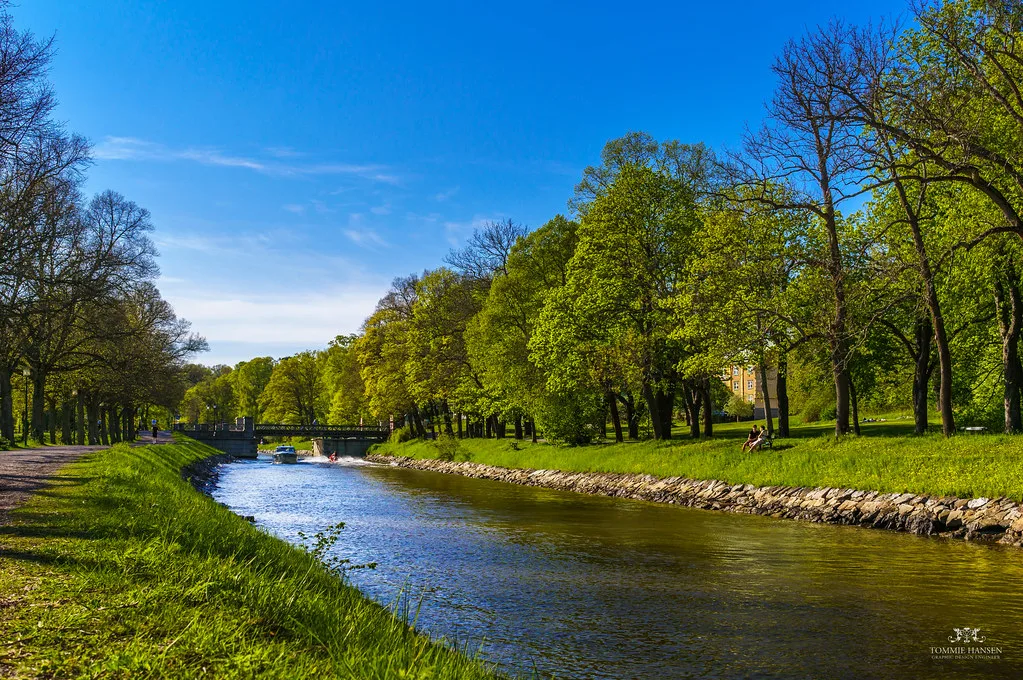
If your trip falls in the long summer evenings, the same stop works outdoors with a thermos — bringing a thermos of coffee and drinking it outdoors is a normal Swedish habit — and it ties neatly to allemansrätten, the right to roam and to pause on public land.
One etiquette point makes the visit smoother: fika is a shared pause, so if you are meeting someone, sit down together and enjoy it as a joint break rather than a quick individual purchase.
Is a fika worth planning into your day?
Yes, and it costs little more than the coffee you were going to buy anyway. The custom rewards sitting down rather than walking on, so the only real decision is which of the two daily slots to protect and where to take it.
Pick one bakery near your first sight of the morning and one café near your last of the afternoon, order a bun and a coffee, and leave the phone in your pocket for twenty minutes. That is the whole of fika, and it is the part of a Swedish city break most people remember.
Explore more Sweden guides
Frequently Asked Questions
Is fika just a coffee break?
No. A coffee break can be a drink taken back to a desk, while fika means sitting down, eating something with the drink and usually sharing the pause with someone else. The food and the stopping are both part of the custom, not optional extras.
Can children and non-coffee drinkers take part in fika?
Yes. Children traditionally have saft, a sweetened fruit drink, or hot chocolate, and tea is a normal alternative to coffee. Fika is a household and workplace habit for everyone rather than an adult coffee ritual.
Do I need to order seven cakes to have a proper fika?
No. Seven cakes belongs to the home fika party, a tradition linked to the 1945 cookbook Sju Sorters Kakor. In a café, a coffee and one bun or an open-faced sandwich is a complete fika.
Sources
Notes for your next Swedish city break
Optional updates to our Sweden guides.
You might also like
Continue reading
More guides you'll find useful