Sweden Itinerary: How to Plan 3–10 Days by Train and Ferry
Build a Sweden itinerary that fits your days: Stockholm and Uppsala first, then Gothenburg, Malmö, Lund or Visby by train and ferry.
On this page
Three days is enough for Stockholm and nothing else; give the trip five days and Uppsala and Gothenburg come into range, while Malmö, Lund and Visby fit best once you have seven to ten. Sweden rewards a one-city-at-a-time rhythm rather than a dash between capitals, and almost all of this works without a car. This guide sets out how many days each city needs, which order to tackle them in, and how the trains and ferries join them up.
Use it as a build-your-own plan: pick your trip length, take the cities listed for it, and leave the rest for another visit. Costs are quoted in Swedish kronor and the plans assume you are moving on every few days rather than unpacking once.
How many days a Sweden itinerary needs
For a first trip, count three full days for Stockholm, one for Uppsala, two for Gothenburg and one to two for Malmö, with Lund as a half-day from Malmö and Visby needing two nights once the ferry is factored in. That totals roughly ten days if you want every city, which is why most one- to four-day breaks should stay in one or two places.
Treat the days as full sightseeing days, not nights: a Friday evening arrival plus a Sunday departure is two usable days, and a ferry crossing or a long train hop eats a large share of another. Sweden's cities are compact and walkable once you are in them, so the time goes on the between-city legs rather than on local transport.
If you are still choosing between the six, the trade-offs are mostly about scale and setting rather than quality: Stockholm is the grandest and most spread out, Gothenburg is smaller and canal-side, Malmö and Lund sit close enough to pair, and Visby is a walled island town.

Which cities to pick: Stockholm, Uppsala, Gothenburg, Malmö, Lund and Visby
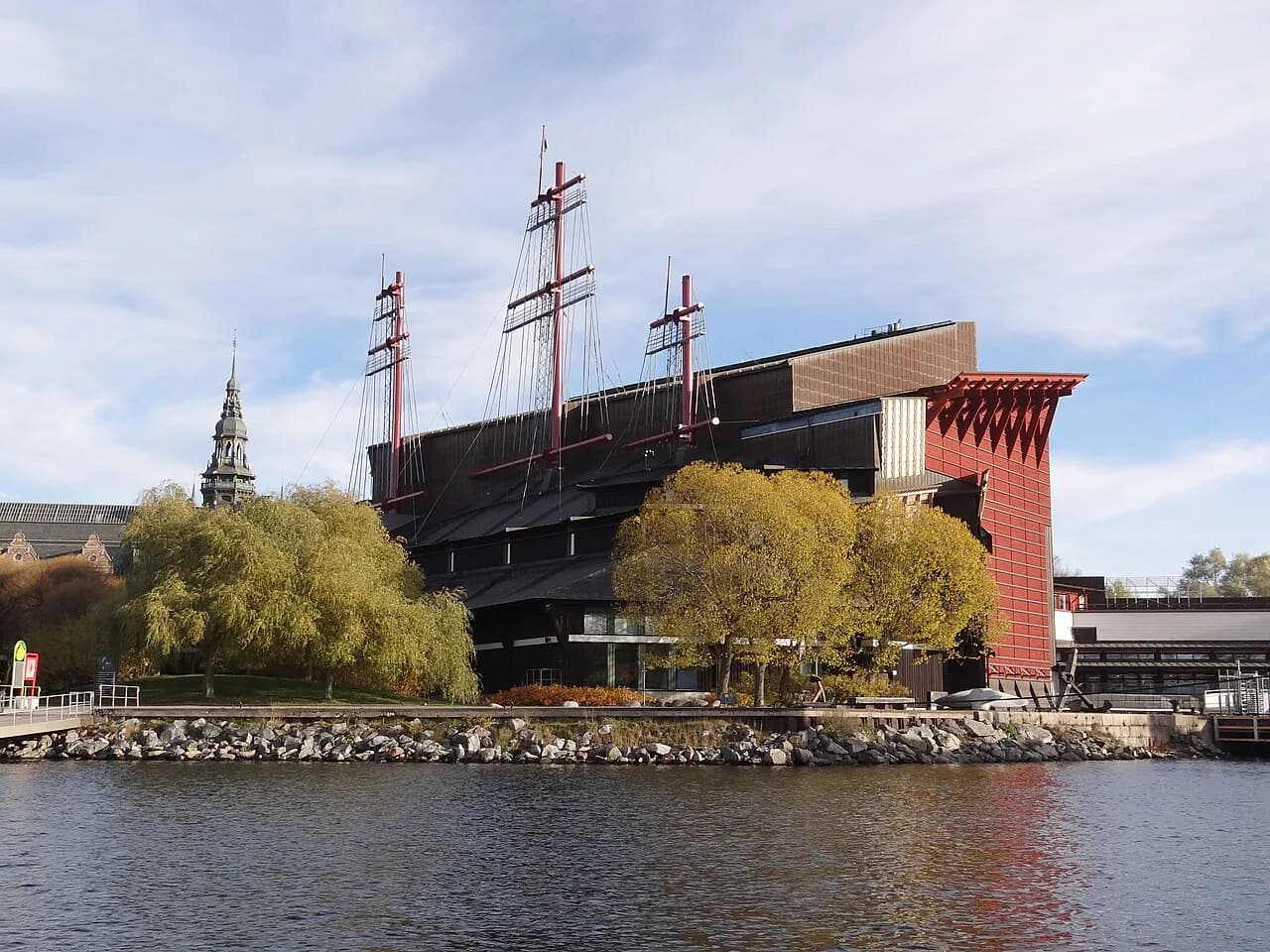
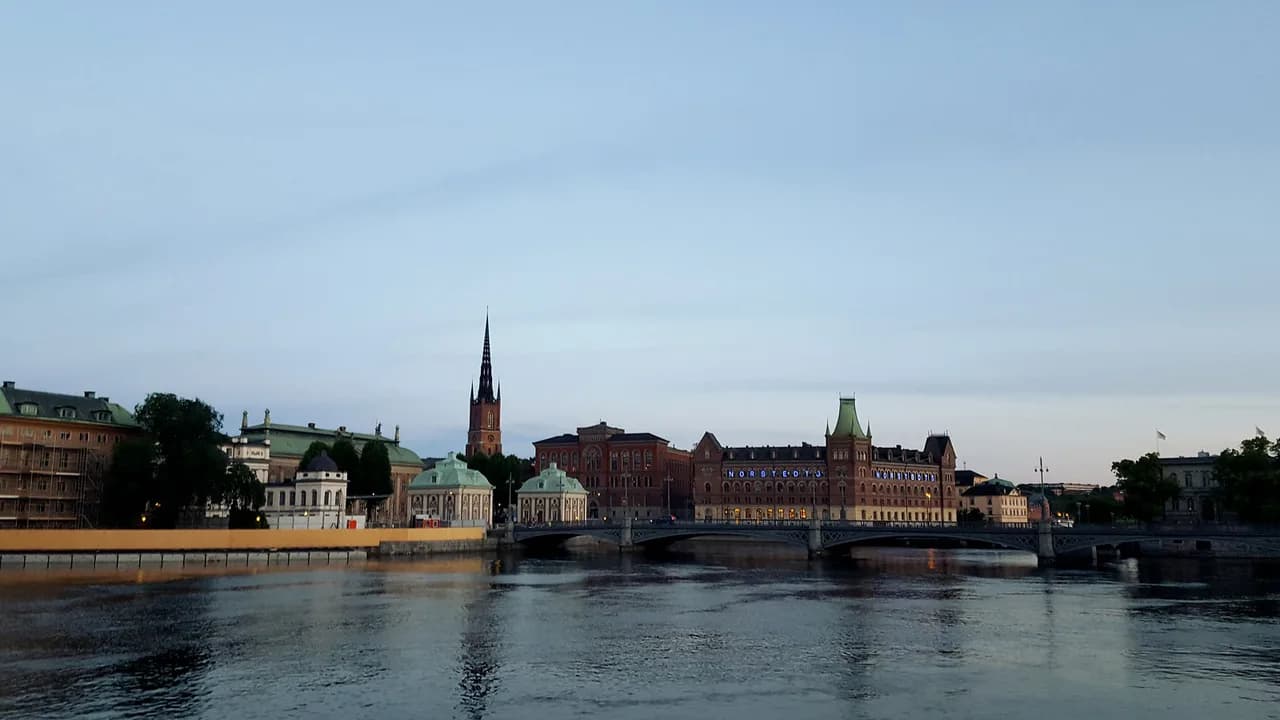
Stockholm is the anchor, with Gamla Stan's old-town lanes, the museums and green space of Djurgården, and the viewpoints and neighbourhood streets of Södermalm. Riddarholmen and Skeppsholmen sit within easy walking distance of the centre and fill an afternoon between them without any transport.
Can you visit Sweden without a car? Yes. Stockholm, Uppsala, Gothenburg, Malmö and Lund are the mainland cities most city-break itineraries use, and Visby sits on Gotland and is reached by ferry rather than by rail.
Is Stockholm worth visiting in Sweden? Stockholm is the natural anchor for a first Sweden trip: Gamla Stan, Djurgården, Södermalm, Riddarholmen and Skeppsholmen give you three full days of walking without leaving the city. Other cities are easier to add once Stockholm is fixed than to substitute for it.
Uppsala, less than an hour north by train, pairs its cathedral and university streets with Gamla Uppsala's burial mounds a short bus ride out of town. Gothenburg brings the Haga district's wooden houses, the wooded slopes of Slottsskogen and the harbour waterfront at Västra Hamnen, all within a compact centre.
Malmö mixes the canal-side squares of Lilla Torg and Gustav Adolf's Torg with the modern waterfront at Västra Hamnen, and Lund is a short hop away with its Romanesque Domkyrkan as the centrepiece. Visby, on Gotland, is the outlier: a medieval walled town on the Baltic that repays a stay of two nights rather than a rushed day.
Sweden's cities sit within a few hours of each other by rail, which makes the classic loop of Stockholm, Gothenburg and Malmö realistic in a week. If your dates are fixed but your route is not, compare the shortlist before committing to a direction of travel.
A 3-day Sweden itinerary: Stockholm only
Three days in Stockholm works best as one day in Gamla Stan and on to Riddarholmen, one on Djurgården for the museums and parkland, and one on Södermalm for the streets, viewpoints and fika stops. That gives you three distinct areas without a single bus or tunnelbana ride you could avoid, and keeps the trip unhurried.
Book the museums you care about into the Djurgården day and hold the third day flexibly: if it rains, swap the Södermalm walk for an indoor collection, and if the sun is out, take the Djurgården day late and linger in the park. This is the plan to follow if your flight lands late on day one and leaves early on day three, because everything is contained within the city.
Three days also lets you see the archipelago without committing a full day to it: the ferries and boats leave from the city centre, so an afternoon on an island is a substitute for a museum rather than a separate excursion.
A 4-day itinerary: Stockholm and Uppsala
Add a fourth day and the easiest gain is Uppsala: a morning train, the cathedral and the university quarter, then Gamla Uppsala's mounds in the afternoon, and back to Stockholm for the evening. It is a day trip in the truest sense, with no need to change hotels.
The alternative use of a fourth day is a deeper Stockholm: the Vasa and other Djurgården museums at a slower pace, or a longer archipelago boat trip. Choose Uppsala if you want a second city on the list, and stay in Stockholm if you would rather not spend the time on trains.
A 5- to 7-day itinerary: Stockholm, Uppsala and Gothenburg
A five-day trip is the natural point to leave Stockholm: take the train to Gothenburg, giving the city two full days and Uppsala a day before you go, with Stockholm taking the first three. Our A 5-Day Sweden Itinerary sets out that shape day by day if you want the sequence already worked out.
In Gothenburg, spend one day on Haga and the canal-side streets and one on Slottsskogen and the harbour, which keeps the pace matched to Stockholm's. The train link between the two cities is the backbone of most Swedish city-break routes, and it is worth reading up on before you fix a departure time.
With seven days, add a third Gothenburg day or use the extra time for Malmö, which turns the trip into a southward progression rather than a return leg.
A 7- to 10-day itinerary adding Malmö and Lund
From Gothenburg, continue south to Malmö for two nights and give Lund a full day from there: the cathedral, the university buildings and the small-town streets are easy on foot. That makes a Stockholm–Gothenburg–Malmö–Lund line with no backtracking, which is the most efficient week-and-a-half route between the mainland cities.
In Malmö itself, plan a day around Lilla Torg and the old centre, with the Turning Torso visible across the water as the city's modern landmark. Lund fits into a single day, so it does not need its own hotel night if you are watching your time budget.
Ten days gives you room to add Visby at the end or to slow the pace in each of the three main cities. If you would rather spend longer in fewer places, the ten-day shape is also the one that tolerates a lazy morning or a rainy afternoon without falling behind.
Where Visby fits: the ferry crossing and the days it costs
Visby is not on the mainland rail network, so it costs you a ferry crossing from the Swedish coast and at least two nights to justify it. Build it in as a separate leg at the end of a longer trip rather than squeezing it between Stockholm and Gothenburg, because the crossing and the transfer each take a bite out of a day.
Once on Gotland, the walled town, the Almedalen park by the harbour and the medieval church ruins are all within walking distance of each other, so the days on the island themselves are cheap in transport terms. The cost is in the sea crossing and in the nights you give it.
For a seven- to ten-day trip, adding Visby means dropping one mainland city rather than adding a day. Decide which matters more before booking: a third city on the mainland or two slow days inside a walled Baltic town.
How to travel between the cities by train and ferry
The Stockholm–Gothenburg and Stockholm–Malmö lines are the ones that make a multi-city itinerary practical without a car. Book seats for the long legs in advance during the summer, when the popular departures fill up.
A car makes sense only if you want the countryside between the cities, as the self-drive products marketed by operators such as Nordic Visitor show: a seven-day Sweden road trip from Stockholm loops towards Lake Siljan, with driving and accommodation arranged for you.
There is also a ten-day self-drive version that stretches the same idea further, combining Stockholm with historic towns and countryside stops.
For a city-break itinerary, though, the train is our pick: you arrive in the centre of each city, you do not pay for parking, and you can read on the way.
When to go: summer versus the rest of the year
Summer is when the archipelago boats and island ferries are most likely to be running, and it is also when Stockholm and Gothenburg are busiest. The trade-off is price and crowds against the widest choice of outdoor things to do.
Outside summer, the cities are quieter and the museums stay open, but some seasonal boats and island services wind down, and daylight shrinks fast from autumn onwards. If your priority is city museums and walking rather than island hopping, spring and early autumn give you most of the experience with fewer people.
Visby in particular is a summer-shaped destination: its appeal is the walled town and the harbour in good weather, so put it at the front of the queue if your dates are in July or August and at the back if they are not.
What a Sweden city break costs in SEK
Budget in Swedish kronor and expect the big costs to be intercity trains, museum entry and the ferry to Gotland, with everyday spending on transport and fika being comparatively small. A card that works abroad covers almost everything.
Rather than guessing at figures, check current museum and ferry prices directly on the operator's own site close to your trip, since they change by season and by ticket type. That is the one number that varies most between a three-day and a ten-day itinerary.
Laying out each day so museums and ferries fit
Build each day around one anchor: a museum, a ferry or a long walk, and fill in around it rather than booking two timed entries back to back. Museums cluster on Djurgården in Stockholm and around the centre in Gothenburg, so group them geographically and leave the evenings free.
Put ferry days at the start or end of a trip, not in the middle, because a crossing with a transfer either side takes most of a day. On the mainland, a morning train followed by an afternoon walk is a realistic moving day.
Leave the last day light: a single museum or a final walk near your departure point is better than a timed ticket you might miss. This is especially true if you are flying home from a different city from the one you arrived in.
Which Sweden itinerary shape fits your dates?
If you have three days, stay in Stockholm; with four, add Uppsala; at five to seven, bring in Gothenburg; and at seven to ten, continue to Malmö and Lund, with Visby as an extra leg if you can spare the crossing. The common mistake is trying to see all six in a week, which leaves you on trains rather than in cities.
Pick your trip length first, then the cities, then the trains, and leave the museum bookings until you know which days you are actually in each place. If you are still deciding where to base yourself, start with the shortlist of Swedish cities and work outwards from there.
Explore more Sweden guides
Frequently Asked Questions
Can you visit Sweden without a car?
Yes. Stockholm, Uppsala, Gothenburg, Malmö and Lund are the mainland cities most city-break itineraries use, and Visby sits on Gotland and is reached by ferry rather than by rail. A car is only worth it if you want the countryside between cities, such as the self-drive products that loop from Stockholm towards Lake Siljan.
Is Stockholm worth visiting in Sweden?
Stockholm is the natural anchor for a first Sweden trip: Gamla Stan, Djurgården, Södermalm, Riddarholmen and Skeppsholmen give you three full days of walking without leaving the city. Other cities are easier to add once Stockholm is fixed than to substitute for it.
Sources
Notes for your next Swedish city break
Optional updates to our Sweden guides.
You might also like

Continue reading
More guides you'll find useful