Castles in Sweden: 12 Worth Visiting and How to Reach Them
The Swedish castles and palaces worth your time, from Drottningholm and Gripsholm near Stockholm to Malmö Castle, Uppsala Castle and Läckö on Lake Vänern.
On this page
If you have one castle in you, make it Drottningholm Palace: a royal residence and UNESCO World Heritage Site west of Stockholm, reachable by boat as well as by road. If you have a car and a full day, Gripsholm Castle and Skokloster Castle on Lake Mälaren add two more of Sweden's finest, while Uppsala Castle, Malmö Castle, Bohus Fortress and Läckö Castle each anchor a different city break. This guide sorts the castles and palaces by the city you are basing yourself in, flags which ones need a car, and explains why some Swedish castles are furnished palaces and others are bare stone forts.
Which castles in Sweden are worth visiting: the short answer
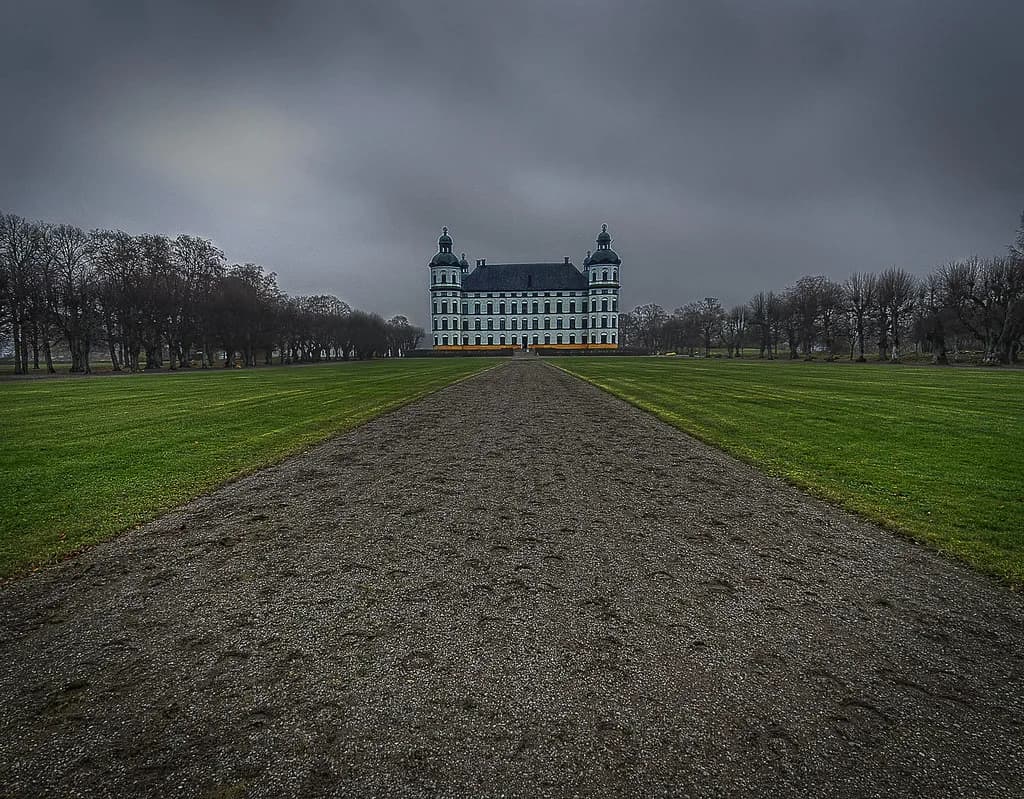
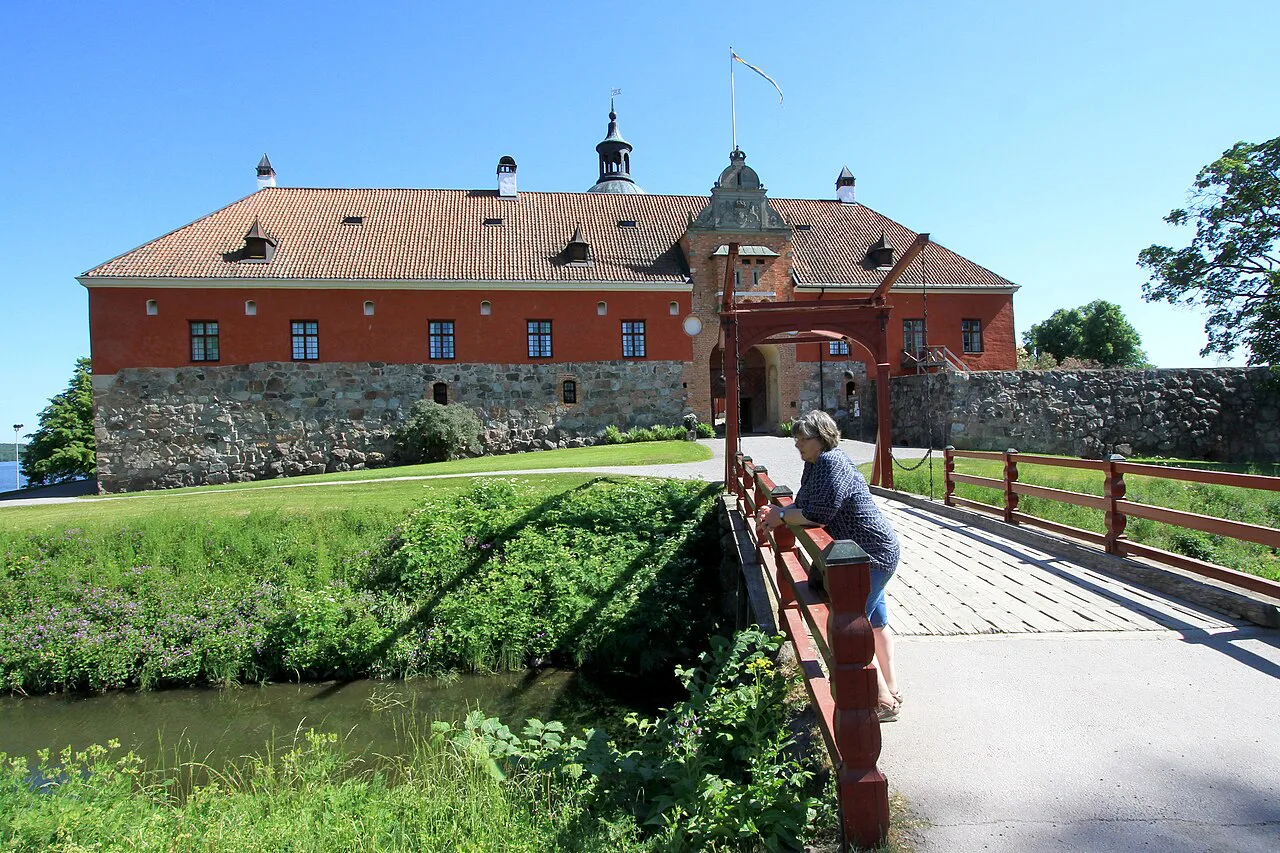
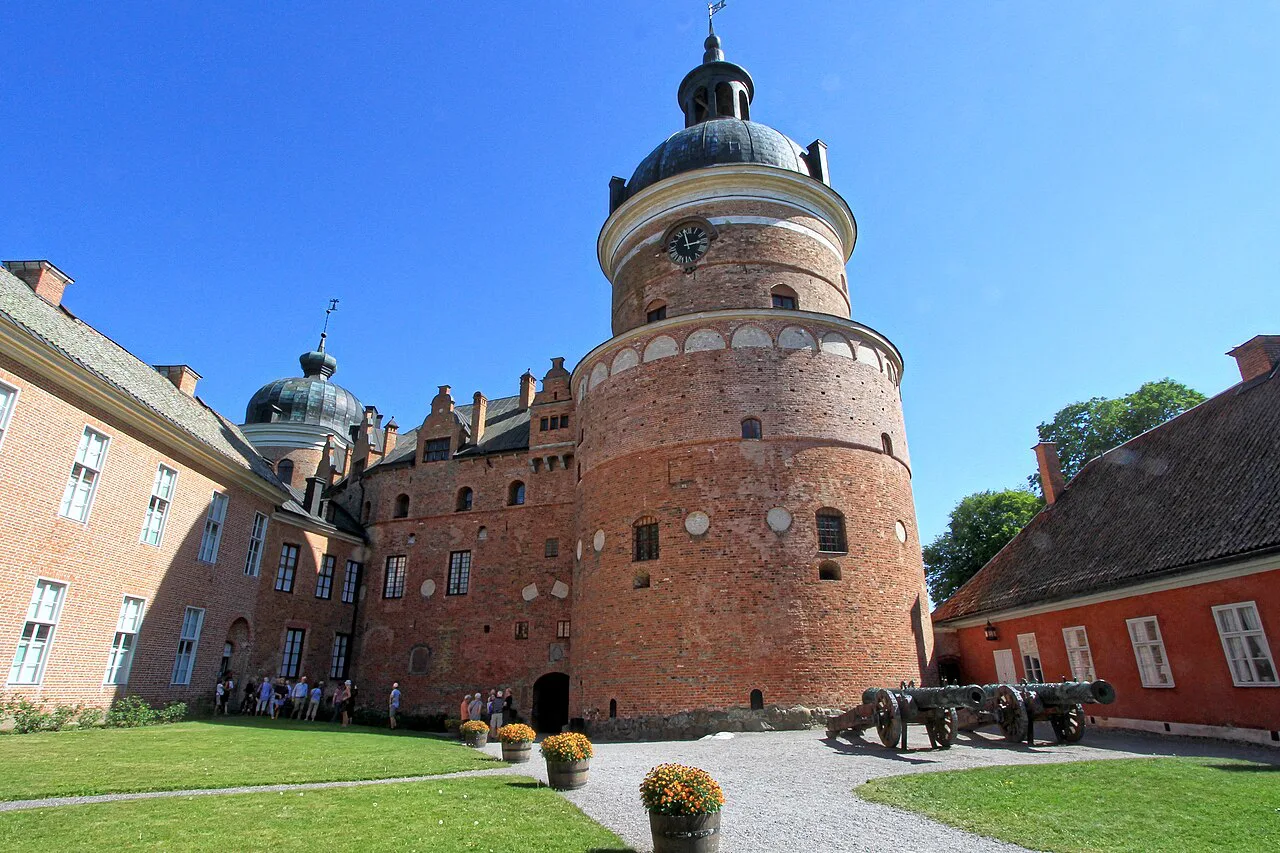
For a first trip, three stand out. Drottningholm Palace combines a working royal residence with a Chinese Pavilion and a Baroque garden, and you can arrive by boat from central Stockholm. Gripsholm Castle sits on the shore of Lake Mälaren with a vast garden and deer roaming the grounds, and the castle holds the Swedish National Portrait collection. Skokloster Castle, a Baroque castle on Mälaren's shore, is about a 50-minute drive from Stockholm and rewards a guided walk through its halls and staterooms.
The city-centre option is the Royal Palace in Stockholm, the official residence of the King and a building of more than 600 rooms with five museums on site. In Gothenburg, Skansen Kronan is a fort on the hill that now works as a free viewpoint over the city, with a few steps to climb and, in summer, a café selling treats and ice cream. Those two give you a castle fix without leaving the city or booking a car.
Castles near Stockholm: Drottningholm Palace, Gripsholm Castle and Skokloster Castle
Drottningholm Palace dates from the 17th century and is one of the official residences of the Swedish royal family. Its French-influenced architecture, Chinese Pavilion and Baroque garden make it the most complete half-day out of the three, and the boat from Stockholm turns the journey into part of the visit.
How many castles are there in Sweden? Sweden has hundreds of castles, palaces and fortresses across the country, far more than any short trip can cover. The practical approach is to pick by base city: Drottningholm, Gripsholm and Skokloster from Stockholm, Uppsala Castle in Uppsala, Malmö Castle in Malmö, Bohus Fortress and Skansen Kronan at Gothenburg, and Läckö Castle if you have a car on Lake Vänern.
Which Swedish castle is a must-see? Drottningholm Palace is the one to prioritise: it is a royal residence, a UNESCO World Heritage Site, and reachable by boat from Stockholm, so it combines a proper palace visit with a day on the water. Gripsholm Castle is the best second choice if you have a car, with its Lake Mälaren setting, gardens and the Swedish National Portrait collection.
Gripsholm Castle is around 40–50 minutes by car from Stockholm, and arriving first thing in the morning means you will likely have the place to yourself before the coaches arrive. The lake views and the trees along the approach make it as much a walk as a house visit, and the portrait collection gives the interiors a purpose beyond decoration.
Skokloster Castle, roughly 50 minutes by car from Stockholm, is the one to pick if you want Baroque state rooms rather than a royal family home. It sits on the shore of Lake Mälaren, so it pairs naturally with Gripsholm if you have a car and a whole day. Without a car, choose Drottningholm and leave the Mälaren pair for a day when you can drive.
The Royal Palace in Stockholm: the city-centre option
The Royal Palace is the one castle you can see without planning transport at all. It is the King's official residence, it has more than 600 rooms, and five museums sit on site, so you can spread a visit across a morning and still have the afternoon for Gamla Stan. Treat it as a city sight rather than a country excursion; the trade-off is that you get ceremony and collections instead of gardens and water.
Rosendal Palace on Djurgården
Rosendal Palace sits on Djurgården, the island that already holds Skansen and a cluster of museums, and it is built in the Swedish Empire style. Inside you find period furniture and textiles gathered from across the world, so it suits travellers who care more about interiors and craft than about scale. Because it shares an island with other sights, it works best as one stop on a Djurgården day rather than a standalone trip.
Uppsala Castle: the pink façade and the roof view
Uppsala Castle is the pink-faced landmark in the centre of Sweden's fourth-largest city, and its construction was commissioned in 1549 by Gustav Vasa, the king who shaped modern Sweden. It now houses an art museum, and some tours take you up to the roof for a view over the city centre, which is the reason to go up rather than simply walk past.
For a short break, Uppsala is the easiest castle add-on in the country: the city centre is compact and the castle sits in it, so a morning here fits around the cathedral and the university buildings. Check the castle's own programme for which tour includes the roof before you build your day around it.
Malmö Castle in the south
Malmö Castle was built in the 16th century, and the Danes who built it lost the city to Sweden in 1658, which is why it feels more like a fortress than a palace. It was once feared as a place to imprison criminals, and that history gives the building a different atmosphere from the royal residences around Stockholm. It sits within easy reach of central Malmö, so it slots into a city break without any transport planning.
Bohus Fortress and Skansen Kronan near Gothenburg
Bohus Fortress is a medieval castle on the outskirts of Gothenburg, and even when it is not open you can walk up to the entrance and take in the stonework and the views. That makes it a low-risk stop on a day when you are heading north out of the city, though a visit timed for opening hours gets you inside the walls.
Skansen Kronan is the Gothenburg option that costs nothing to enjoy: a fort finished with 23 cannon ready for battle, though it was never attacked, and now a panoramic viewpoint over the city. Climb the steps, look out over the rooftops, and treat the summer café as a bonus rather than the reason for going.
Läckö Castle on Kållandsö in Lake Vänern
Läckö Castle sits on the island of Kållandsö in Lake Vänern and is roughly a two-hour drive from Gothenburg, which makes it a full-day commitment rather than an afternoon detour. The reward is a castle beside the water with gardens to walk, and the drive works as a pitstop if you are continuing further east across Sweden. Parts of the castle close in winter, though the grounds stay open for walks around the castle and the lake.
Örebro Castle and Kalmar Castle: the longer detours
Örebro Castle and Kalmar Castle are the two that ask for an overnight rather than a spare afternoon, both sitting well outside the main city-break bases. Kalmar is the stronger draw of the pair if you are working along the south-east coast, and Kalmar Castle carries a history tied to the Kalmar Union that shaped Scandinavia. Build either into a route between cities rather than treating it as a day return.
Eketorp Fortress on Öland: a fortress, not a castle
Eketorp Fortress on southern Öland is not a castle in any furnished sense: it is one of the oldest standing fortresses in Sweden, built in the Iron Age and almost 1,700 years old. Öland has also been awarded World Heritage status by UNESCO, so the surrounding landscape is part of the reason to make the trip. Go for the archaeology and the open setting, not for state rooms.
Which castle to pick if you have one day, two days or a city break
With one spare day in Stockholm, choose Drottningholm: the boat from the city makes it a complete day out without a car, and the palace, garden and Chinese Pavilion fill the time comfortably. With two days and a car, add Gripsholm and Skokloster together, since both sit on Lake Mälaren and the driving between them costs less than returning to the city. On a Stockholm city break with no day to spare, take the Royal Palace and Rosendal Palace on Djurgården instead.
From Gothenburg, Skansen Kronan fills an hour and costs nothing, while Läckö is a full day and needs a car. From Malmö, the castle is a city-centre stop; from Uppsala, the castle is already in the centre. If you are choosing when to travel, spring and summer give you the best odds of finding castles open and gardens at their best.
Castles, slott and fästning: what the Swedish words tell you
Swedish distinguishes a castle or palace, slott, from a fortress, fästning, and the difference tells you what kind of visit to expect. A slott such as Drottningholm or Skokloster means furnished rooms, collections and often gardens; a fästning such as Bohus or Eketorp means walls, earthworks and a story of defence. Skansen Kronan and the Royal Palace blur the line, being a fortification now used as a viewpoint and a palace still in royal use, so read the label before you set expectations.
Reaching the castles: car, boat and public transport trade-offs
The rule of thumb is simple: the closer a castle is to a city centre, the less you need a car. The Royal Palace, Uppsala Castle, Malmö Castle and Skansen Kronan all sit within their cities, and Drottningholm has a boat from Stockholm. Gripsholm, Skokloster, Läckö and Eketorp reward a car, and while Skokloster is doable on several buses with patience, some of the castles on a Swedish road trip cannot be reached by public transport at all, so a hire car changes what is possible.
Midsummer in Sweden is worth planning around, since it falls in the season when castle gardens and grounds are at their best, but it is also the busiest time for the ones closest to Stockholm. Arrive early at Gripsholm if you go in high summer, and keep an inland day for Skokloster where the drive thins the crowds.
One castle worth treating with care is Trolleholm Castle, a private residence that can be hired for events such as weddings, so it is not a visitor attraction. You can admire it from the road and walk the lake path opposite if you find parking, but do not plan on getting inside. Leave it to the drive and put your time into the ones that open their doors.
Which castle to book your day around
Pick one castle as the spine of your trip and let the others be bonuses. From Stockholm that is Drottningholm by boat, with Gripsholm and Skokloster saved for a car day; from Gothenburg it is Läckö if you will drive and Skansen Kronan if you will not. Uppsala, Malmö and the Royal Palace need no planning beyond a city map, which is exactly why they suit a short break.
Explore more Sweden guides
Frequently Asked Questions
How many castles are there in Sweden?
Sweden has hundreds of castles, palaces and fortresses across the country, far more than any short trip can cover. The practical approach is to pick by base city: Drottningholm, Gripsholm and Skokloster from Stockholm, Uppsala Castle in Uppsala, Malmö Castle in Malmö, Bohus Fortress and Skansen Kronan at Gothenburg, and Läckö Castle if you have a car on Lake Vänern.
Which Swedish castle is a must-see?
Drottningholm Palace is the one to prioritise: it is a royal residence, a UNESCO World Heritage Site, and reachable by boat from Stockholm, so it combines a proper palace visit with a day on the water. Gripsholm Castle is the best second choice if you have a car, with its Lake Mälaren setting, gardens and the Swedish National Portrait collection.
Sources
Notes for your next Swedish city break
Optional updates to our Sweden guides.
You might also like
Continue reading
More guides you'll find useful