Smögen, Sweden: The Bohuslän Boardwalk Village Guide
Smögen is a Bohuslän fishing village built around Smögenbryggan, a roughly 600-metre pier lined with boathouses, shops and cafés.
On this page
Smögen is a fishing community on Sweden's west coast whose main street is a working pier: Smögenbryggan, an almost 600-metre boardwalk where boathouses are packed shoulder to shoulder and now hold shops, cafés and restaurants. It sits in Bohuslän, the province that forms Sweden's westernmost edge, and from Gothenburg the drive north takes just under two hours. This guide covers what the village is, how to get there, what to do along the pier and how to judge whether it earns a place in a short break.
What Smögen is and where it sits in Bohuslän
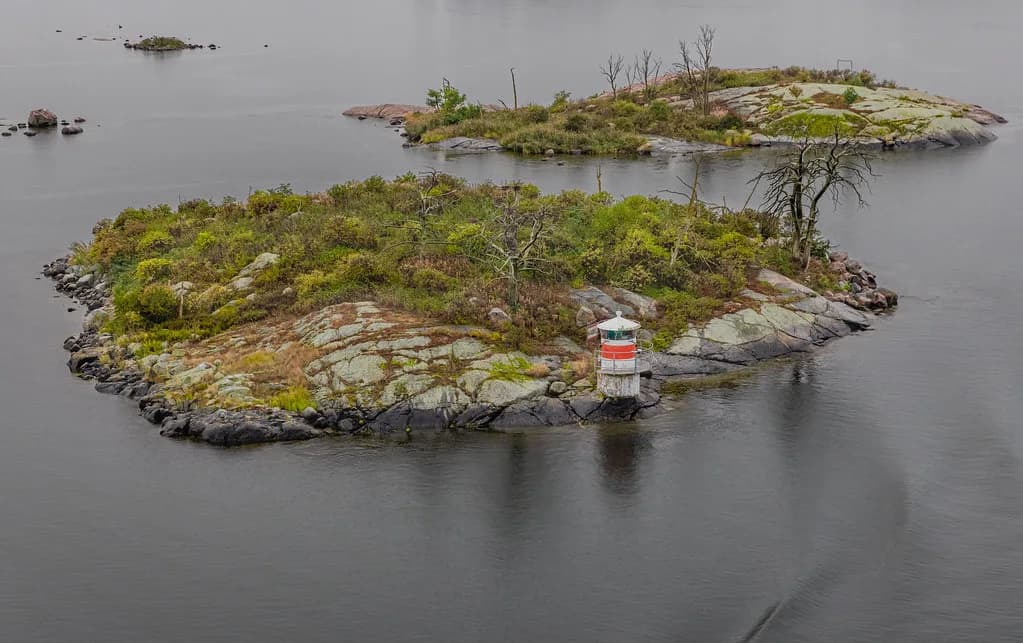
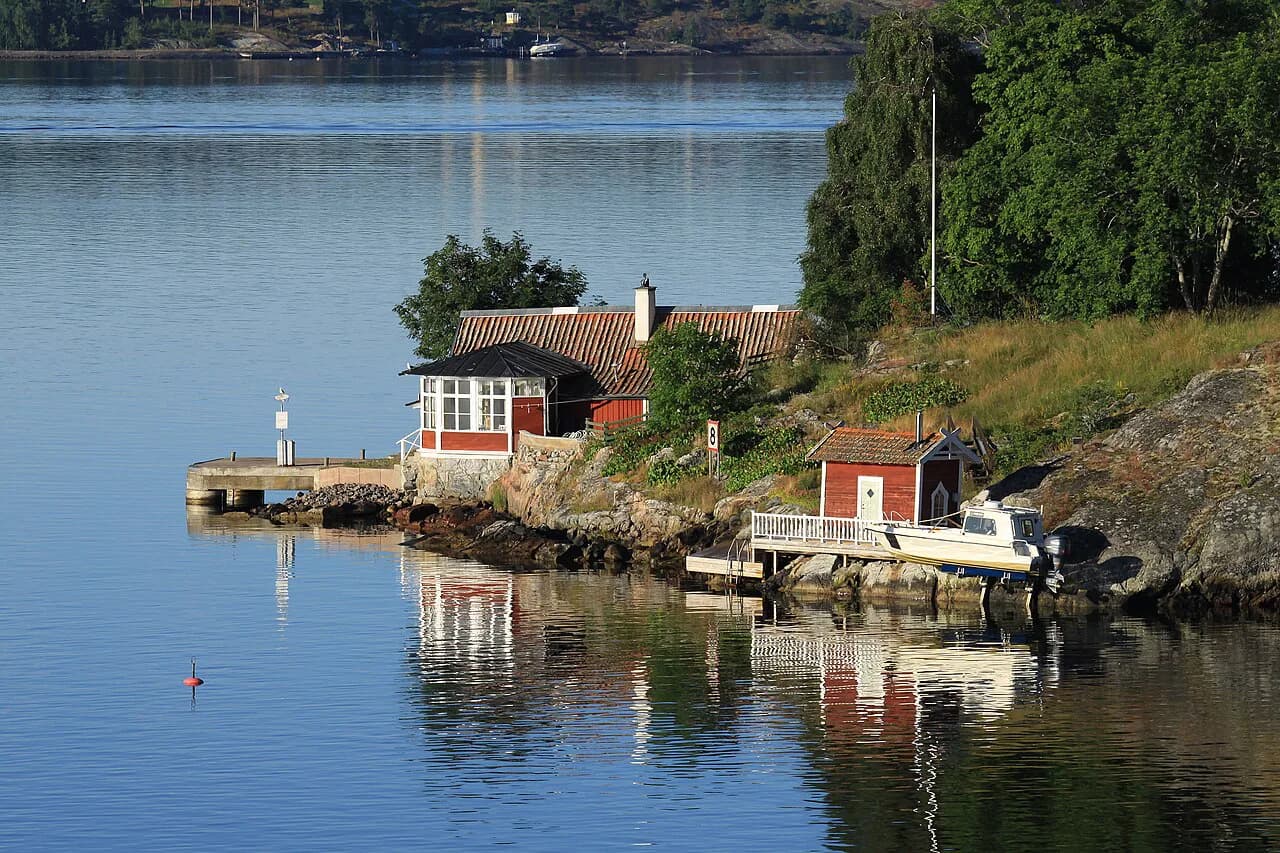
Smögen is an old fishing community in the outermost sea belt of Bohuslän, the westernmost province in Sweden, set among the rocky islands and skerries of the west coast. The settlement grew around catching and processing fish and shellfish rather than around farming or industry. Its name appears in writing from the sixteenth century, and the community expanded during four major herring periods spanning the sixteenth to the early twentieth century.
The first written mention dates from 1594, and herring runs in the years 1556–1589, 1660–1680, 1747–1809 and 1877–1905 each pushed the population and the fishing trade forward. In the nineteenth century the island also became a health resort, with visitors arriving for the seaweed baths and sea air as much as the boats. That double identity, working harbour and holiday resort, still shapes what you see today.
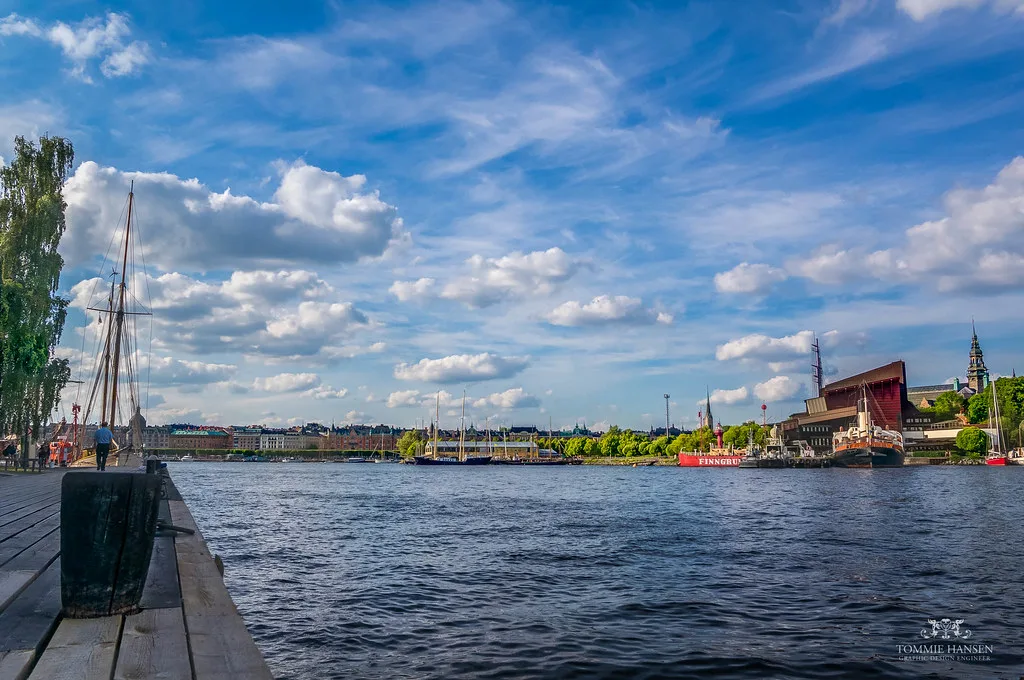
Smögenbryggan: the boardwalk and what lines it
Smögenbryggan is the reason most people come, and it is not a promenade in the usual sense: boathouses sit tightly packed along the water and have been converted into shops, cafés, restaurants and, in recent decades, nightclubs. Walking it takes minutes, but the view back across the wooden facades to the boats is the signature image of the west coast. Some of the taverns and restaurants along the pier stay open all year round, so the village is not entirely a summer phenomenon.
How far is Smögen from Gothenburg? The drive from Gothenburg to Smögen takes just under two hours, heading north along the coast. You cross from the mainland at Kungshamn on the Smögen Bridge and reach the northern part of the community, Hasselön, before arriving at Smögenbryggan about five minutes further on.
What is there to do on Smögenbryggan? Smögenbryggan is an almost 600-metre pier lined with former boathouses that now hold shops, cafés and restaurants. From the pier you can also take boat trips to Hållö and Kungshamn, cruise the Sotekanalen, or join a seal safari or deep-sea fishing trip with a local fisherman.
The pier is around 600 metres end to end, which makes it a slow, comfortable walk rather than a hike. Plan it as the centre of a day rather than a stop: walk the boards, look at the boats tied up alongside, and let the cafés do the rest. Smögen's restaurants draw on locally caught fish and shellfish, so the seafood you see on menus tracks what comes off the boats around you.
Smögen's fishing heritage and how the village grew
Fishing was not a backdrop here, it was the point. In 1939, 85 per cent of the population depended directly on fishing, with 325 active fishermen on the island, two canneries and a busy trade in fish and shellfish. That same year around nine hundred visitors arrived to stay in the island's two hotels, a guesthouse or private rooms, a hint of the resort economy that would eventually overtake the fishery.
Sweden's statutory holidays expanded over the twentieth century, from two weeks to three in 1951, four in 1963 and five in 1978, and Smögen's visitor numbers rose with them. By 1963 around 30,000 tourists were arriving, and by the late 1970s room rentals had jumped and many boathouses and warehouses along the boardwalk had turned into shops, cafés and restaurants. In summer 1975 there were sixteen summer shops on the boardwalk, while at the same time Smögen was the most important fishing location outside the Gothenburg region.
The shift since then is the honest story of the place. The fleet has shrunk sharply, and the remaining fishermen, who mostly chase shrimp and crayfish, can probably be counted on the fingers of two hands. Tourism, meanwhile, keeps growing. What you visit is a village whose prettiness is real but whose working harbour is a shadow of its former scale, which is the trade-off at the heart of any day here.
Getting there from Gothenburg: drive time and the Smögen Bridge approach
The practical planning anchor is the drive. From Gothenburg it takes just under two hours to drive north to Smögen, which makes it a long day trip or an easy overnight rather than a quick city detour. Coming from the mainland at Kungshamn, you cross the Smögen Bridge and arrive first in the northern part of the community, Hasselön.
That road order matters for first-timers: you reach Hasselön before the famous pier. Hasselön has the residential streets, fishing huts and quieter natural areas, and from there it is about five more minutes to Smögenbryggan.
Hasselön and the northern part of the community
Hasselön is the part of Smögen most day visitors rush past, and it rewards a slower look. This northern section has housing areas, fishing huts and good natural ground, which makes it a better place to find quiet than the boardwalk in high season. It also gives you the sense of a lived-in island rather than a stage set.
Treat it as a loop: come off the bridge, take in the northern streets and shoreline, then drive or walk the last few minutes to the pier. If you like the west coast's bare rock and sea views, this is the side of Smögen that shows it without the crowds. It also makes a sensible start for a wider swing along the coast, which the Bohuslän Coast guide covers in more detail.
Boat trips and archipelago excursions from the pier
Several boat trips leave Smögenbryggan for nearby Hållö and Kungshamn, and there are cruises through the Sotekanalen as well as seal safaris and deep-sea fishing trips with local fishermen. These are the excursions that fill a day beyond the boardwalk itself.
If you enjoy the island-hopping rhythm of Swedish coastal trips, Smögen fits naturally into that habit. Further east, the Swedish archipelago around Stockholm offers a different take on the same idea, with wooded islands and a slower pace.
Is Smögen worth visiting for a short break?
For a short break, Smögen works best as one full day built around the boardwalk, with an overnight if you want the evenings when the summer crowds thin. The honest trade-off is that the village is tourism-centred now, not the working harbour it once was, and anyone expecting a fully functioning fishing port will find the reality smaller. What remains is one of the west coast's most striking waterfronts and a simple, compact visit.
Dining and accommodation could fill more of your trip, but the essentials are the pier, the northern island and a boat out when it suits. If your frame of reference is Stockholm's islands, think of Smögen as a west-coast village with a pier at its heart rather than a wilderness island, closer in spirit to a place such as Sandhamn than to an empty skerry. For a Stockholm-side version of archipelago life, try Grinda: A Day Trip Guide to Stockholm's Archipelago Island.
The crowds arrive with the summer season, and the island's own history explains why: the rise of statutory holiday weeks is what turned Smögen into a resort. Some taverns open all year, but the boardwalk experience is at its fullest between June and August. If the two-hour drive from Gothenburg is the main cost, aim to see the pier before the midday press of visitors in high summer.
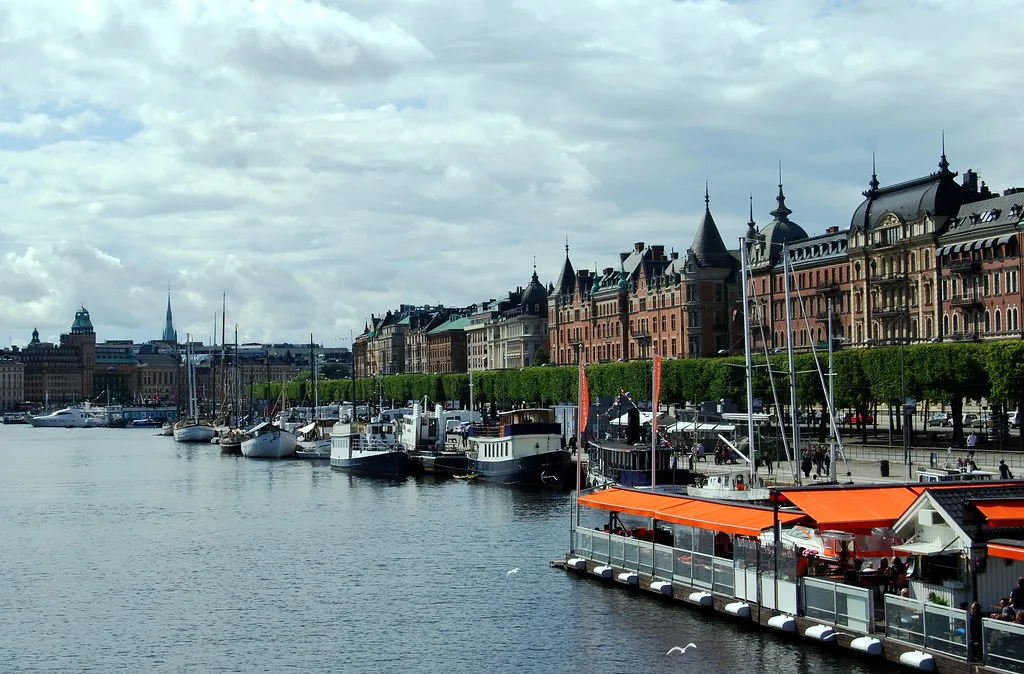
How long Smögen needs and when the village is busiest
One day is enough for the pier, a walk through Hasselön and a meal, with time left for a boat trip if a departure suits. Two days make sense if you want to slow down and treat Smögen as a base for the surrounding coast rather than a single stop; the Bohuslän coast has a lot more of the same landscape within easy reach.
The village is busiest in summer, when visitors come from all over the world, and the season has grown steadily in recent decades. The pier handles the crowd better than a single street would because it is a linear route, but the cafés and the boats fill. Outside high summer, expect that some places open all year while others close, and the weather decides how much time you spend outdoors.
Is Smögen worth the two-hour drive?
If you are already spending time in Gothenburg, Smögen is worth the drive for the boardwalk alone, the almost 600-metre pier that makes the place unique on the Swedish west coast. It is not a hidden village in peak season, and the working harbour is a shadow of its old scale, so go for the setting, the boats and the seafood rather than for authenticity hunting.
Build the day around Smögenbryggan and Hasselön, ask at the pier about the boat trips to Hållö and Kungshamn, and allow the roughly two hours back to Gothenburg. If the weather turns or you have less time than you thought, keep the plan simple: walk the boards, eat, and let the west coast do the rest.
Frequently Asked Questions
How far is Smögen from Gothenburg?
The drive from Gothenburg to Smögen takes just under two hours, heading north along the coast. You cross from the mainland at Kungshamn on the Smögen Bridge and reach the northern part of the community, Hasselön, before arriving at Smögenbryggan about five minutes further on.
What is there to do on Smögenbryggan?
Smögenbryggan is an almost 600-metre pier lined with former boathouses that now hold shops, cafés and restaurants. From the pier you can also take boat trips to Hållö and Kungshamn, cruise the Sotekanalen, or join a seal safari or deep-sea fishing trip with a local fisherman. Some taverns stay open all year round.
Sources
Notes for your next Swedish city break
Optional updates to our Sweden guides.
You might also like
Continue reading
More guides you'll find useful