Is Stockholm Worth Visiting? An Honest Answer for a City Break
Yes, Stockholm is worth visiting for its preserved old town, island waterfronts, strong museums and easy ferries, if you accept higher costs.
On this page
Yes, Stockholm is worth visiting, provided you want a compact, walkable capital with a genuinely intact old town, water on every side and two or three museums strong enough to anchor a short break. It is not the cheap European city break, and it rewards planning more than spontaneous wandering. This guide sets out what the city does better than most, where it falls short, and how many days it deserves.
The verdict rests on geography as much as sights: Gamla Stan sits on its own island, Djurgården holds the headline museums, and ferries and bridges knit the centre together. That layout is why three days feels generous rather than rushed.
What Stockholm does better than most European capitals
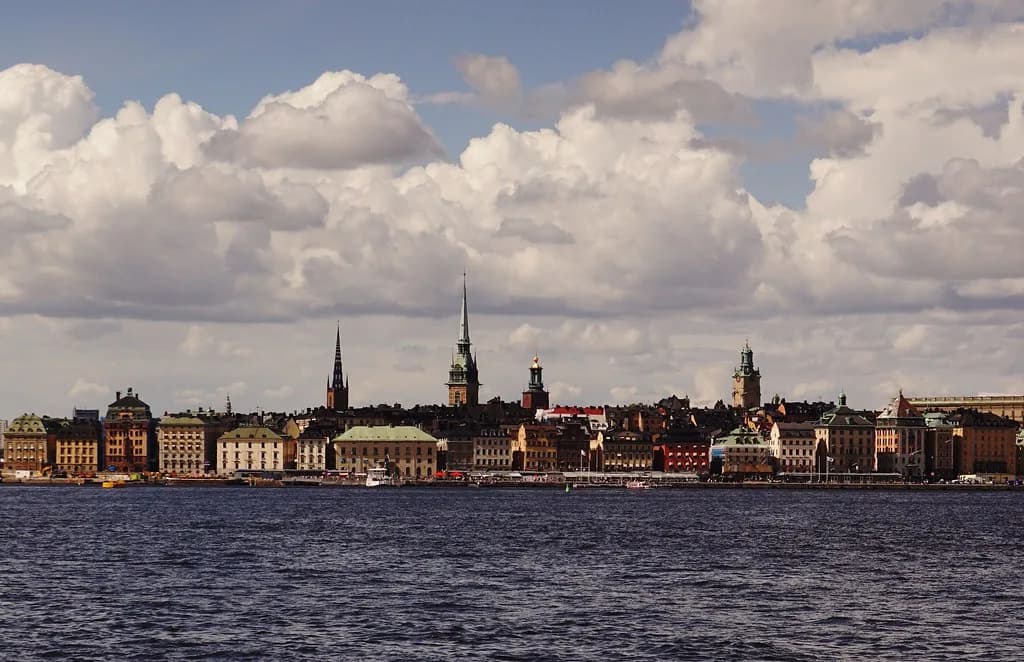
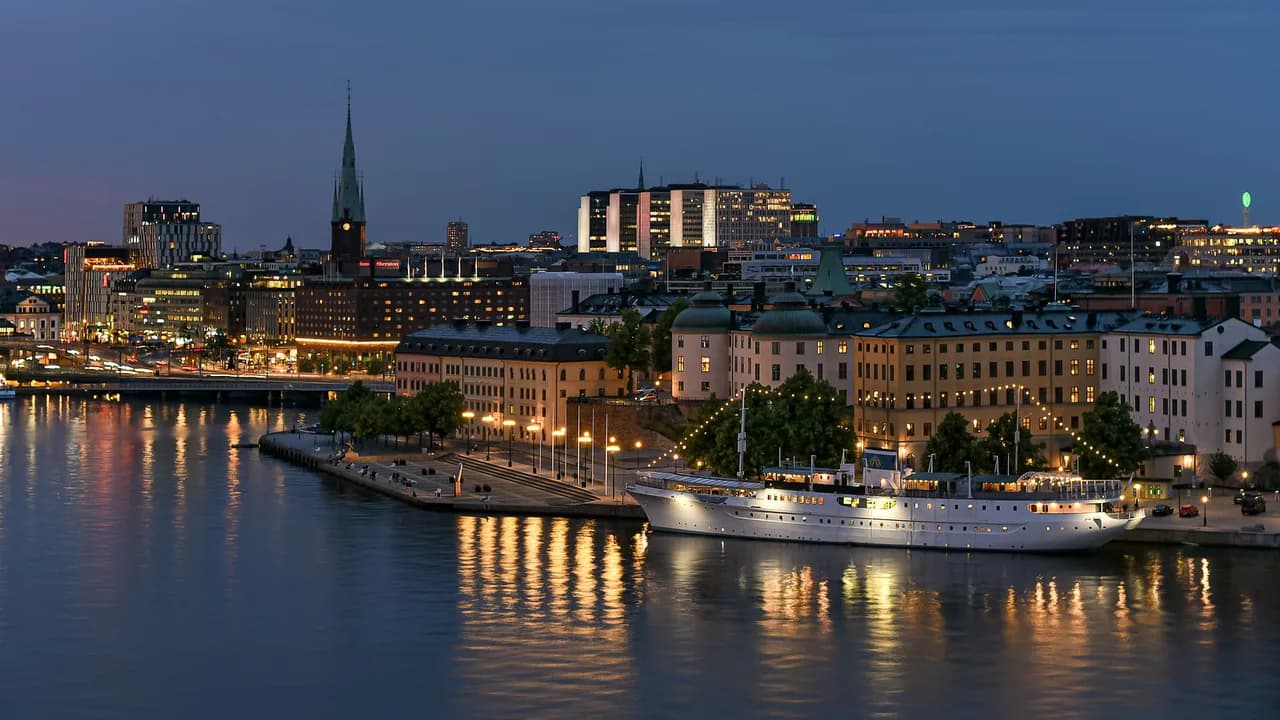
Two things stand out. First, the old town: Gamla Stan is one of Europe's best-preserved historic centres, dating to the thirteenth century and occupying an island of its own, which lets you walk the whole thing in an afternoon without crossing modern traffic. Second, the water: the city spreads across islands, so a short break naturally includes ferry decks and waterfront views rather than only streets and museums.
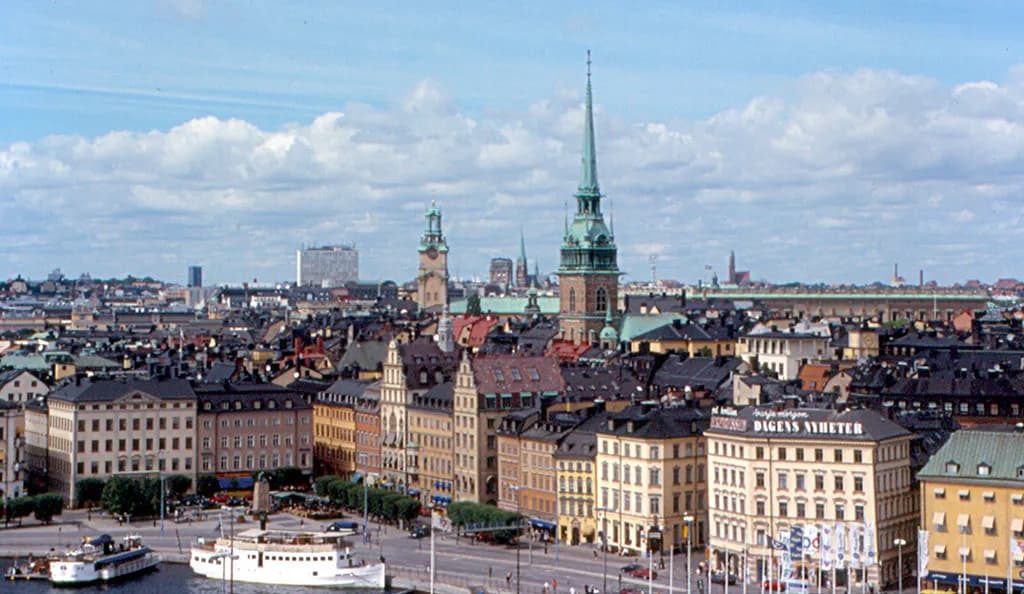
The architecture holds up on foot. Dark rooftops, gabled merchants' houses and waterfront facades mean the sightseeing happens as much between sights as at them, and viewpoints around the islands pay off quickly.

Gamla Stan: the old town that carries the trip
If one district decides whether you enjoy Stockholm, it is Gamla Stan. Founded in 1252 on the island the old town still occupies, it grew as the seat of government and royalty, and it survived fires and plague to keep a dense medieval street plan. Give it half a day at minimum: the main square, the narrow lanes and the water edges are the point, and the side streets thin the crowds fast.
The trade-off is crowds and prices in the central lanes, so walk it early or late and eat and shop elsewhere. Riddarholmen, the small island next door, gives you the same waterfront views with far fewer people, and it links naturally into a wider walking route.

A city built on islands, with water never far away
Stockholm's centre covers fourteen islands, and you feel that more than you see it: bridges, quays and ferry piers break up every walk. The archipelago begins at the city's edge, and public transport reaches the outer points, which makes a short boat crossing an easy addition rather than an expedition.
For a short break, treat water as transport, not scenery: the Djurgården ferry turns a museum visit into a mini crossing, and Södermalm's waterfront gives you the skyline view back towards Gamla Stan. Ferries and museum opening days shift between summer and the rest of the year, so check timings for your dates before fixing a route.
The museums that justify the trip
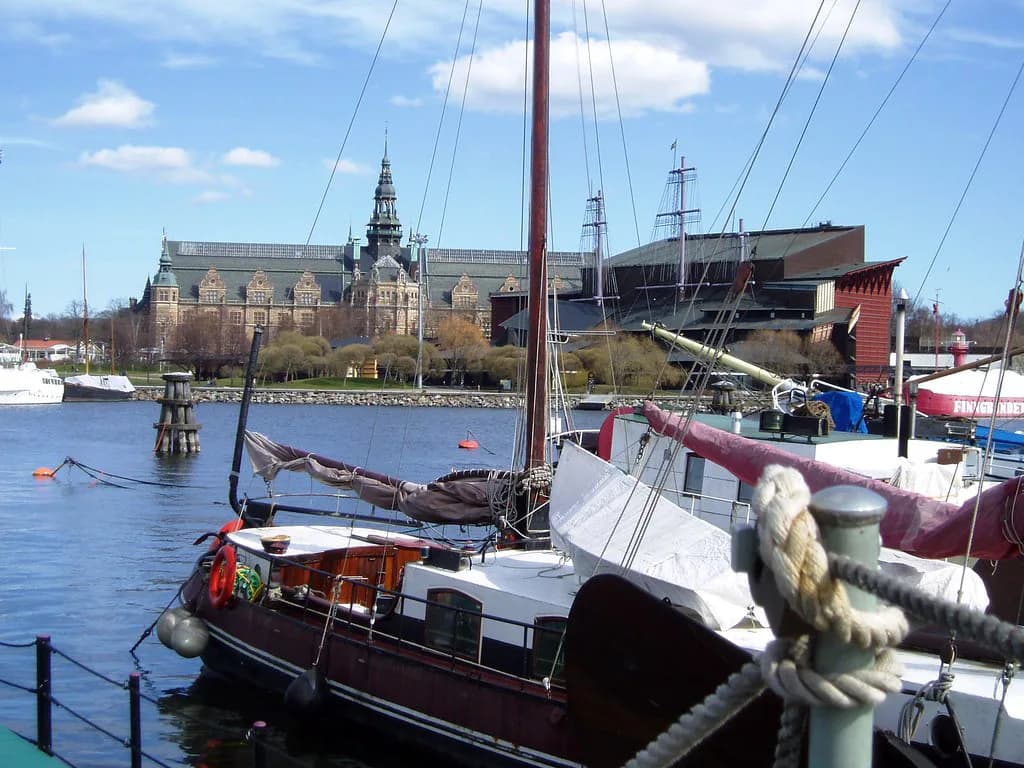
The Vasa Museum is the single strongest reason to come. The warship sank in 1628 within yards of setting out because of poor weight distribution, was found in the 1950s, and now forms the centre of a museum built around the hull and the objects recovered with it. If you see only one museum in Stockholm, choose this one.
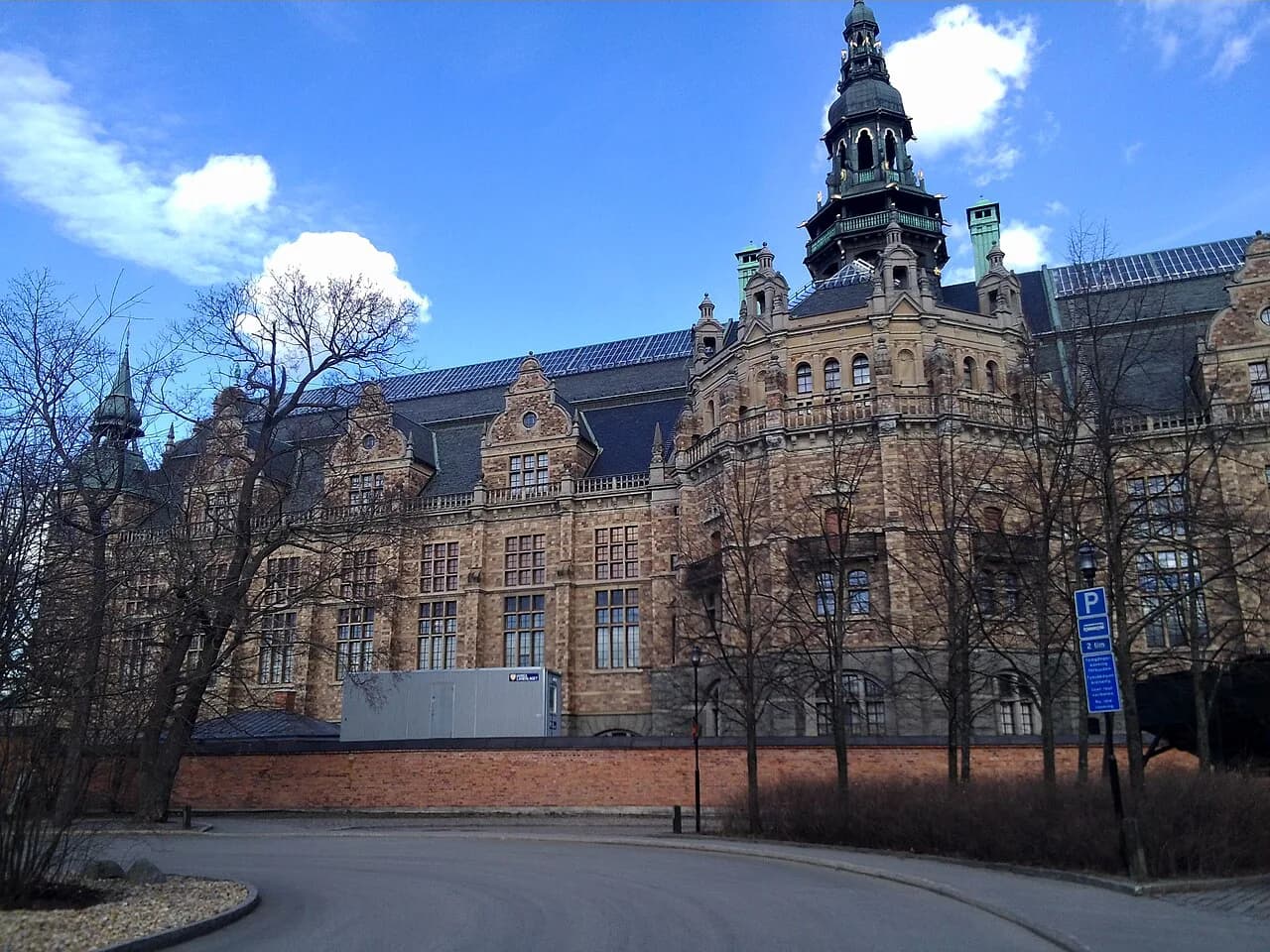
The Swedish History Museum is the stronger second stop for adults, rich in Viking material and artefacts rather than reconstructions; the Nordic Museum covers Nordic culture and celebrations more broadly. Vrak – Museum of Wrecks sits a short walk from the Vasa and sells a combination ticket with it, but it is the thinner visit and suits children better than wreck-minded adults.
Budget your time honestly: the Vasa takes two hours or more, the history museums about the same, and doing all three in one day flattens the experience. Spread them across two days and keep one afternoon free for the old town and water.
Skansen and the open-air museum idea
Skansen is the world's oldest open-air museum: wooden buildings were dismantled across Sweden and rebuilt on the hill as a small town of shops, a school and a church, with animals including reindeer. It is a full-day or half-day commitment with a lot of walking, so it competes directly with a museum day rather than fitting around one.
Timing matters more here than at indoor museums. In colder months many buildings stay shut, which removes much of the appeal, while summer visits allow the interiors and the grounds to work together. Skansen also hosts a Midsummer celebration, useful if you have no Swedish household to join, though it is a staged version of a family holiday.
Fika and the everyday side of the city
Fika, the coffee-and-bun break, is the cheapest way to feel the city rather than look at it, and Stockholm's café culture supports it easily. Build one into each afternoon: it costs little, buys you a sit-down, and is the habit locals actually keep.
The Stockholm City Museum is free, a rarity in this city, and its exhibits on the plague and industrialisation give context to the streets outside. If the weather turns, it is a sensible low-cost filler rather than a headline sight.
Who will love Stockholm, and who may not
It suits travellers who like walking, water and well-run museums, and who are happy to pay for a well-kept capital. It suits short breaks especially: the centre is compact, the metro doubles as an art gallery, and public transport is reliable enough that you rarely need a taxi.
It may not suit anyone chasing cheap food, late nights or beach weather. Stockholm is a daytime, outdoors-in-summer city, and travellers who measure a break by restaurant bills will find it thin value; families with small children should plan around Skansen and short ferry hops rather than long museum queues.
Stockholm is described by travel writers as one of Europe's most beautiful cities, particularly in summer, though the praise is about looks and setting rather than bargains.
Is Stockholm expensive for UK travellers?
Yes. Stockholm is one of the pricier European capitals, and the costs that bite are museum tickets, meals and transport rather than the sights themselves, many of which are streets, squares and water. Sweden is also largely cashless, so plan to pay by card or phone almost everywhere and keep only a small cash backup.
Museum admission is the line item to check before you commit to a schedule, since ticket prices are set by each institution and are not consistent across the city. Compare the cost of the two or three museums you actually want against a lighter plan built around Gamla Stan, Skansen's grounds and the ferries.
Is 3 days in Stockholm too much, or about right?
Three days is about right for a first visit, not too much. It gives you one day for Gamla Stan and the central water, one for Djurgården's museums, and one for Skansen or Södermalm without rushing any of them. Two days works if you cut either Skansen or one museum.
One day is enough only for a taste: Gamla Stan, a ferry and the Vasa, with nothing else. If your dates are tight, see what a single day realistically covers before booking flights, and compare it with a slower city break.
When to go: what the seasons change
Summer gives the longest days, working ferries, open Skansen buildings and the archipelago at its best, which is why most praise for the city is summer praise. It also brings the heaviest crowds and the highest prices in Gamla Stan and on Djurgården.
Spring and autumn trade some outdoor time for thinner queues and cheaper rooms, with museums unaffected. The city genuinely changes character across the year, so a visit planned around indoor sights is a different trip from one built on water and islands.
Stockholm against other Swedish cities
Stockholm wins on museums and setting, but it is not the whole country. Gothenburg and Malmö are smaller, cheaper and easier on foot, and Uppsala and Lund suit a slower, university-town break. If you want one strong city break with a mix of old town and water, Stockholm is the pick; if cost is the deciding factor, compare it directly with Copenhagen before booking.
Flights from the UK are short and frequent, which keeps the trip within reach of a long weekend. Sort out flights before accommodation, since fares move more than the sights do.
Book the trip if you want old town, water and two good museums
Stockholm justifies a city break for anyone who values a preserved old town, island geography and museums worth the ticket, and who accepts capital-city prices for food and admissions. Three days is the sweet spot; two works with one cut.
Choose your dates by season first, then build the days around the Vasa, Gamla Stan and one open-air or waterfront afternoon. Check the current opening days and ferry times for your own dates before you lock in a schedule.
Explore more Stockholm guides
Frequently Asked Questions
What is Stockholm known for?
Stockholm is known for Gamla Stan, its preserved medieval old town on its own island, for a centre spread across fourteen islands, and for museums including the Vasa Museum, Skansen and the Swedish History Museum. Its waterfront setting and archipelago edge shape almost every short break.
Is 3 days in Stockholm too much?
No, three days is close to ideal for a first visit. It allows one day in Gamla Stan and the central water, one on Djurgården for the Vasa and another museum, and one for Skansen or Södermalm without rushing.
Sources
Notes for your next Swedish city break
Optional updates to our Sweden guides.
You might also like
Continue reading
More guides you'll find useful