Stockholm on a Budget: Free Sights and Cheap Ways to Get Around
Plan a cheap Stockholm break with free walking routes, low-cost kayak hire and a card-first budget, plus honest trade-offs on what is worth paying for.
On this page
Stockholm on a budget comes down to two habits: walk almost everywhere and pay for one or two things rather than a dozen. The free stuff is genuinely good, from the lanes of Gamla Stan to the island viewpoints and the park paths along Riddarfjärden, so a tight budget costs you convenience rather than substance. This guide sets out a free day, a low-cost day and the transport choices that decide how much the rest of your money has to stretch.
What a budget Stockholm break actually costs
Sweden uses the Swedish krona (SEK), but sorting cash before you fly is the wrong first move. Stockholm is card-first to the point where a surprising number of places do not take cash at all, so a travel money card with low transaction fees matters more than a wallet of notes. Check your bank's foreign transaction charges before booking anything, because a fee on every coffee adds up faster than one big purchase.
Public drinking in the city is illegal, so a supermarket beer in a park is not the cheap option it looks like elsewhere in Europe. Budget your money for transport and the odd paid sight instead, and treat food and drink as a daytime café stop rather than an all-evening plan.
Free sights that fill a whole day
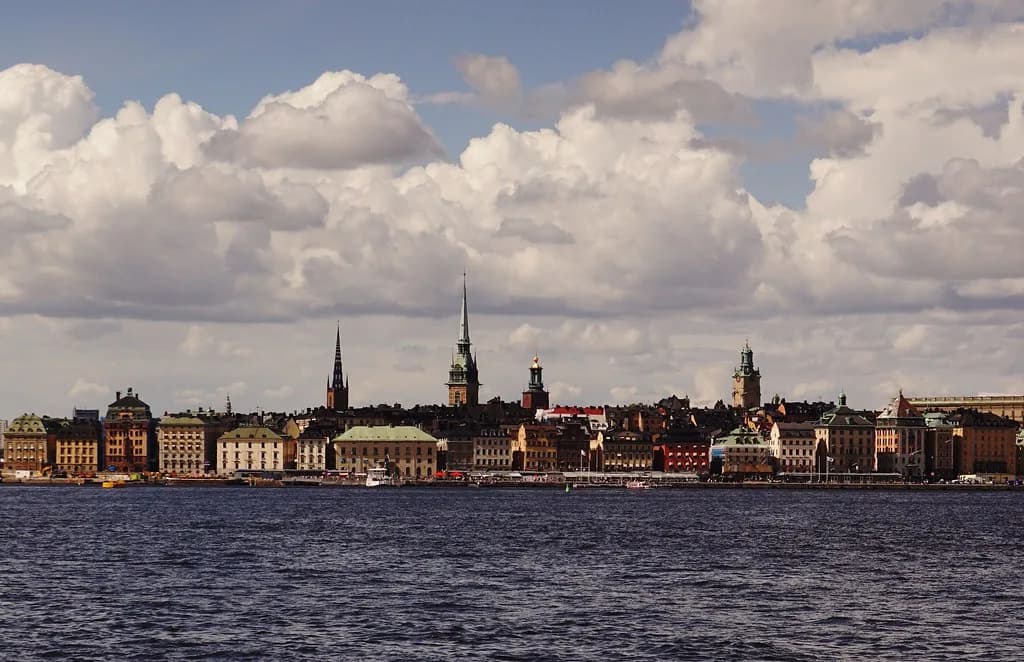
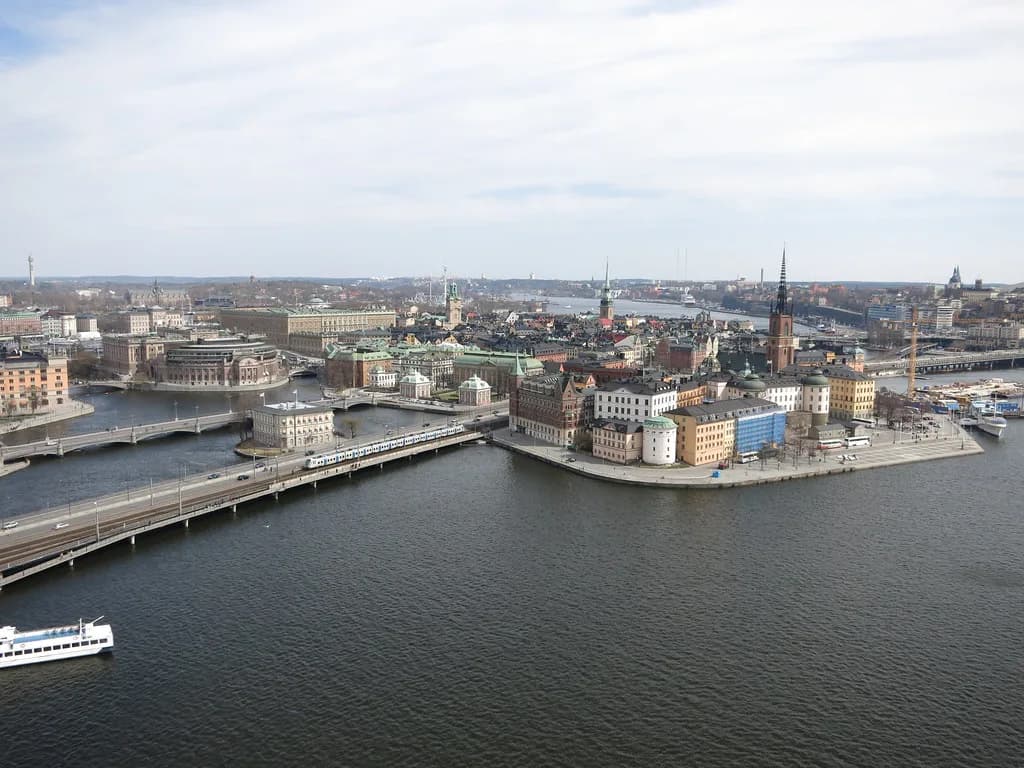
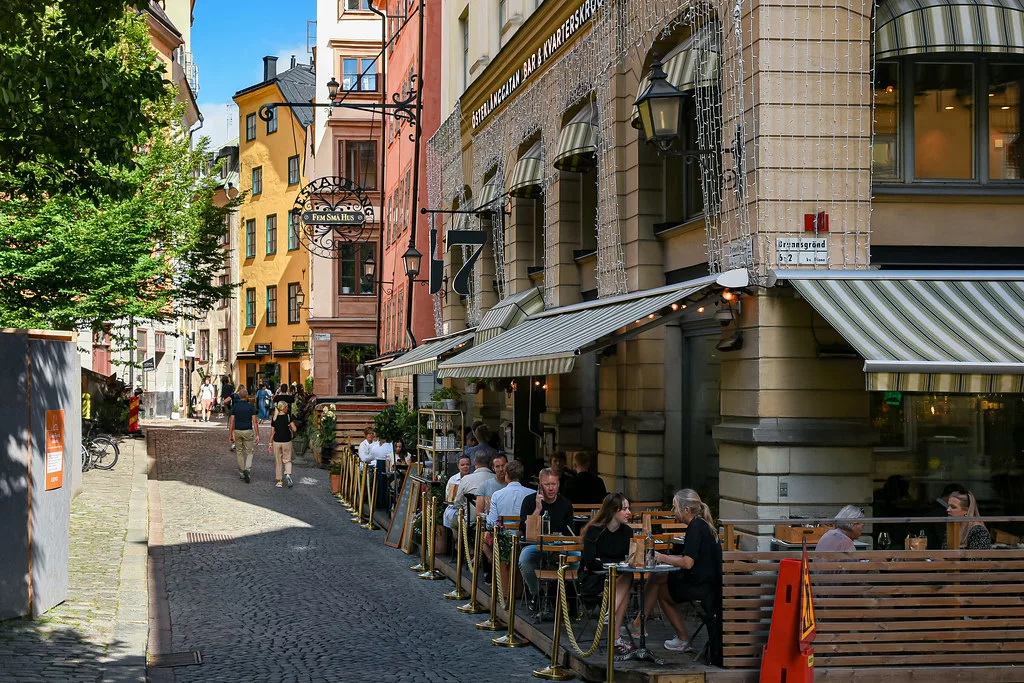
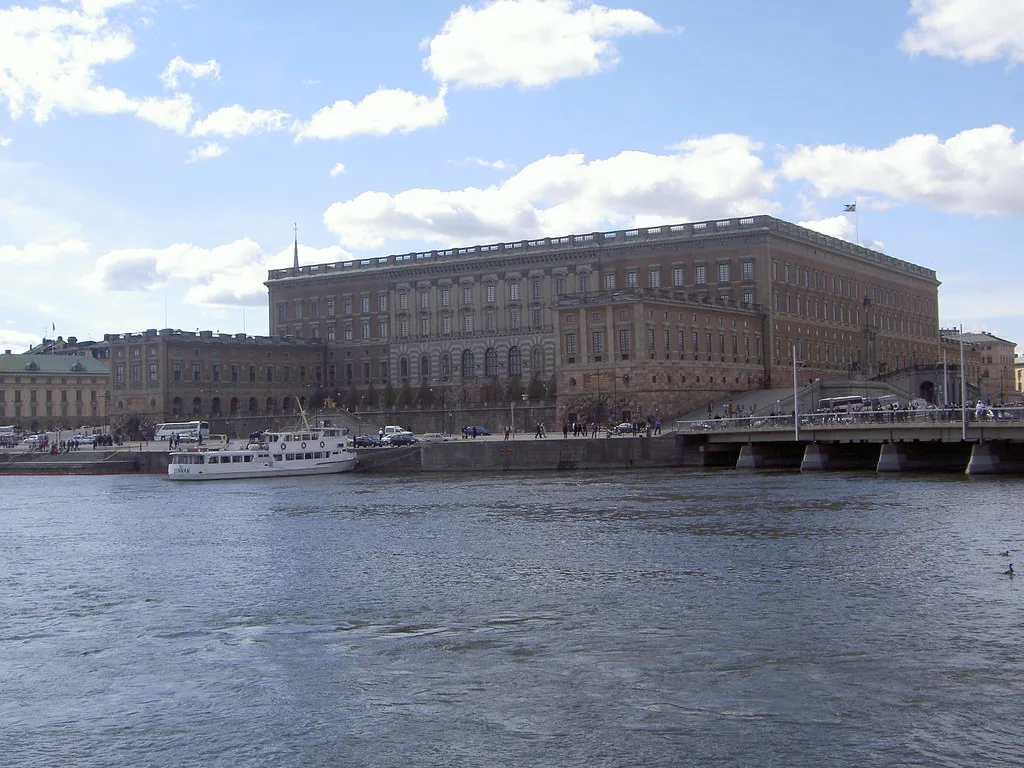
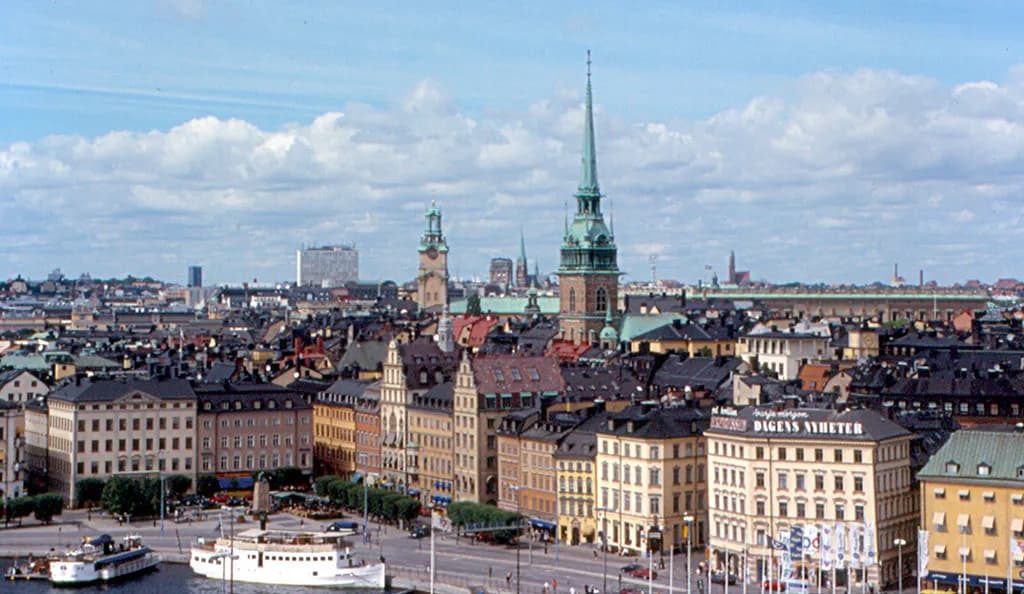
Gamla Stan is the obvious first stop and the one that rewards aimless walking most. Wander past the Royal Palace, the House of Nobility and Stockholm Cathedral, all of which you can see from the outside without paying a krona, and let the alleyways do the work. The old town is compact enough that you cannot get truly lost, which makes it a good place to spend a slow morning.
If you have given the old town a full day, a Stockholm city break of three days lets you repeat the same trick in a different neighbourhood each morning. Treat Gamla Stan as day one and build outward rather than trying to cover the whole city in an afternoon.
Waterfront and island walking
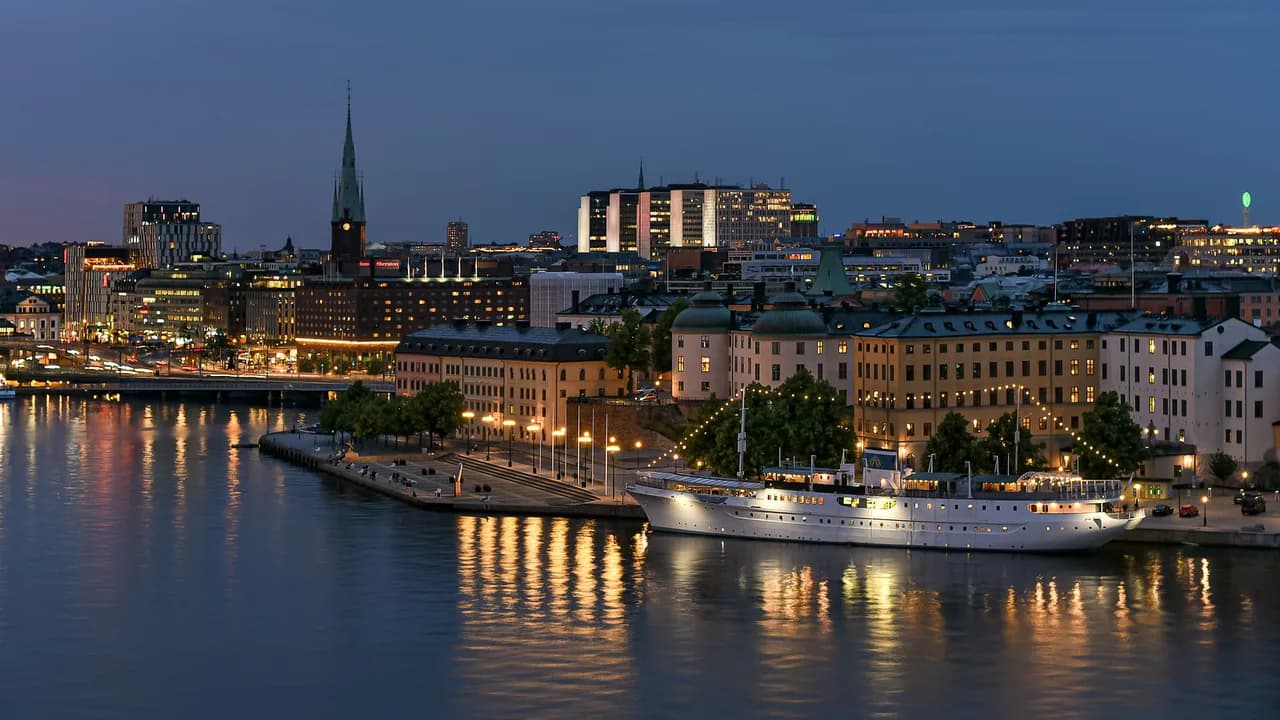
Cross from Gamla Stan onto Skeppsholmen and walk up towards Östasiatiska Museet, where the path opens onto a viewpoint looking back over the water to the old town. It is the best free ending to a day in central Stockholm: time it for late afternoon and you get the low light over the rooftops without paying for a viewing platform.
For a longer walk, head west to Långholmen. Take the metro to Fridhemsplan, cut through Rålambshovsparken beside Riddarfjärden and follow the water out to the island, where a small sandy spot gives you somewhere to sit and cool off for free. The route is the point rather than the destination, so allow more time than the distance suggests.
Djurgården on foot or by bike
Djurgården is a park rather than an attraction, and that is exactly why it suits a tight budget: the water, the trees and the paths cost nothing, and the big paid sights sit around its edges. Walking in gives you the bay on one side and the green space on the other, so you can enjoy the setting without buying a ticket to anything.
Bikes make the island quicker to cover. Look for a rental scheme through its app and check the bike's condition before you ride off. Walking is still the better choice if you plan to stop often.
Cheap things worth paying for
Kayak and canoe hire on Djurgårdsbrunnsviken is a low-cost splurge. Sjöcaféet, the lake café on the bay beside Djurgården, rents kayaks and canoes, and the bay is central enough to give you the city skyline from water level without a tour price. Confirm prices and opening times with the operator before you go.
The same café is a sensible place to stop afterwards, since you are already there and paying for one sit-down meal rather than several. Compare that with a paid museum ticket and decide which experience you would rather have, because on a short trip you probably cannot do both without spending more than planned.
Getting around without overspending
If you are moving between neighbourhoods all day, a three-day travelcard at SEK260 covers unlimited travel on the metro and selected ferries, which is the version worth considering for a weekend trip. Download the SL app for route planning and use it to decide whether a walk is genuinely too long before you tap in.
In practice, central Stockholm is walkable enough that a travelcard only pays off if you are crossing the city repeatedly or using the ferries. A 3 days in Stockholm plan built around one district per day needs far less transport than a scattergun approach, so map your days first and buy the card second.
Free and low-cost culture
Stockholm's metro stations double as an art gallery if you already have a ticket, with decorated platforms worth a detour on the way to somewhere else. Budget time for one or two rather than riding the network for its own sake, since a travelcard is only good value when it is also getting you places.
Museums are where a budget breaks most easily, so plan which paid ones you actually care about and check free entry separately from general admission. Planning entry around free opening times rather than assuming every state museum is free is the difference between one paid visit and none.
What to skip when the budget is tight
The honest trade-off is paid attractions against free wandering, and Stockholm rewards the latter unusually well. Skip the interior of a palace or a second museum and put the money into the kayak hour instead, because the water gives you a view of the city that no ticket does.
Another easy saving is to treat paid viewpoints and observation decks as optional when Skeppsholmen and Långholmen offer elevation for nothing. Spend the saved money on transport that saves you an hour, rather than on a ticket that shows you something you could have walked to.
Where to put the money you save
Build the trip around free walking days, buy the travelcard only if your plan genuinely needs it, and spend the difference on one water-based hour or one museum you care about. That structure keeps a short break affordable without turning it into a list of things you cannot do.
Explore more Stockholm guides
Frequently Asked Questions
Do I need cash in Stockholm?
Plan on cards rather than notes. Stockholm is card-first and many places do not accept cash, so a travel money card with low foreign transaction fees is the practical option. Check your bank's charges before you fly.
What is the cheapest way to see Stockholm's waterfront?
Walk it. The route from Gamla Stan across to Skeppsholmen and up to the viewpoint by Östasiatiska Museet costs nothing, and Långholmen via Rålambshovsparken gives you a longer waterside walk with a small sandy spot to rest.
Is a travelcard worth it for a short Stockholm trip?
It depends on how far apart your days are. A three-day card at SEK260 covers unlimited metro travel and selected ferries, which suits a weekend that hops between districts but is unnecessary if you stay on foot in the centre.
Sources
Notes for your next Swedish city break
Optional updates to our Sweden guides.
You might also like
Continue reading
More guides you'll find useful