Stockholm vs Copenhagen: Which City Break Suits You?
Stockholm and Copenhagen compared for a city break: what each city gives you, how layouts differ, and who should pick which for one to four days.
On this page
Pick Stockholm for water views, island-hopping and Gamla Stan; pick Copenhagen if you want a compact centre you can cross on foot in under half an hour. Stockholm suits a longer break of three to four days because the main sights spread across islands, while Copenhagen works well for a two- to three-day trip where you rarely need transport. This guide compares the two on layout, sights, days needed, daily budget and getting around, so you can choose before you book flights.
The short answer: which city suits which trip
Choose Stockholm if your idea of a city break is standing on a quay looking at water in every direction, wandering a medieval old town, and taking a short ferry to a museum island. Choose Copenhagen if you want everything within walking distance, a flatter and more compact centre, and a shorter transfer from airport to hotel. The trade-off is real: Stockholm spreads its best sights out and asks more of your time, while Copenhagen concentrates its appeal into a smaller area and can feel exhausted in two days.
For a first trip to Scandinavia, the deciding factor is usually how much time you have. With four days, Stockholm rewards you with Djurgården, Södermalm and a boat trip without rushing; with two days, Copenhagen's tighter geography means you see more per hour. If you are weighing whether Stockholm justifies the flight, our answer to is Stockholm worth visiting sets out what a short break actually delivers.
How each city is laid out on foot and by water
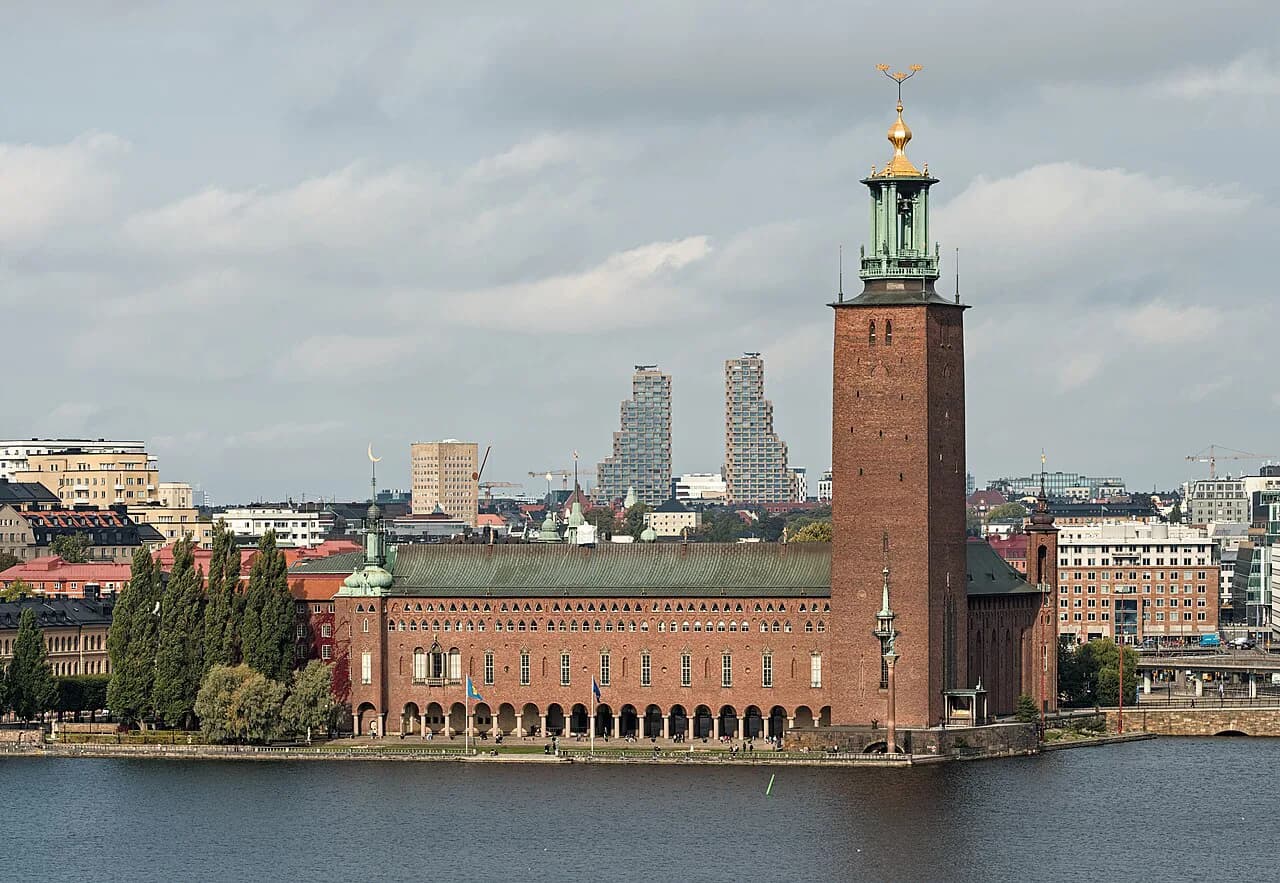
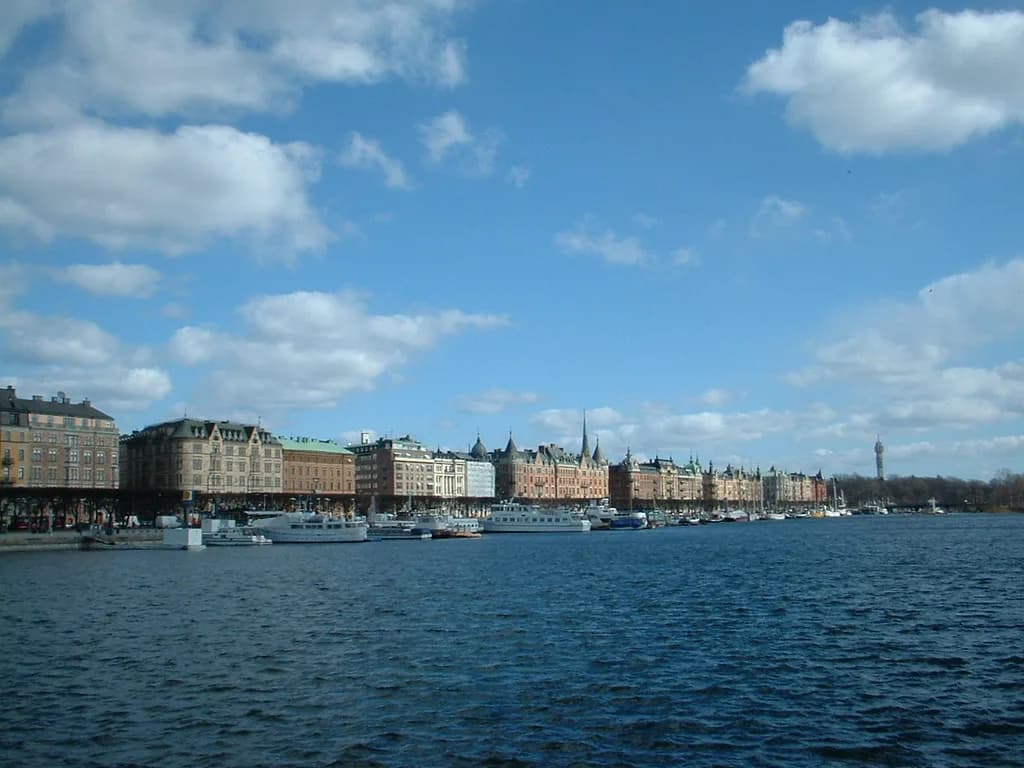
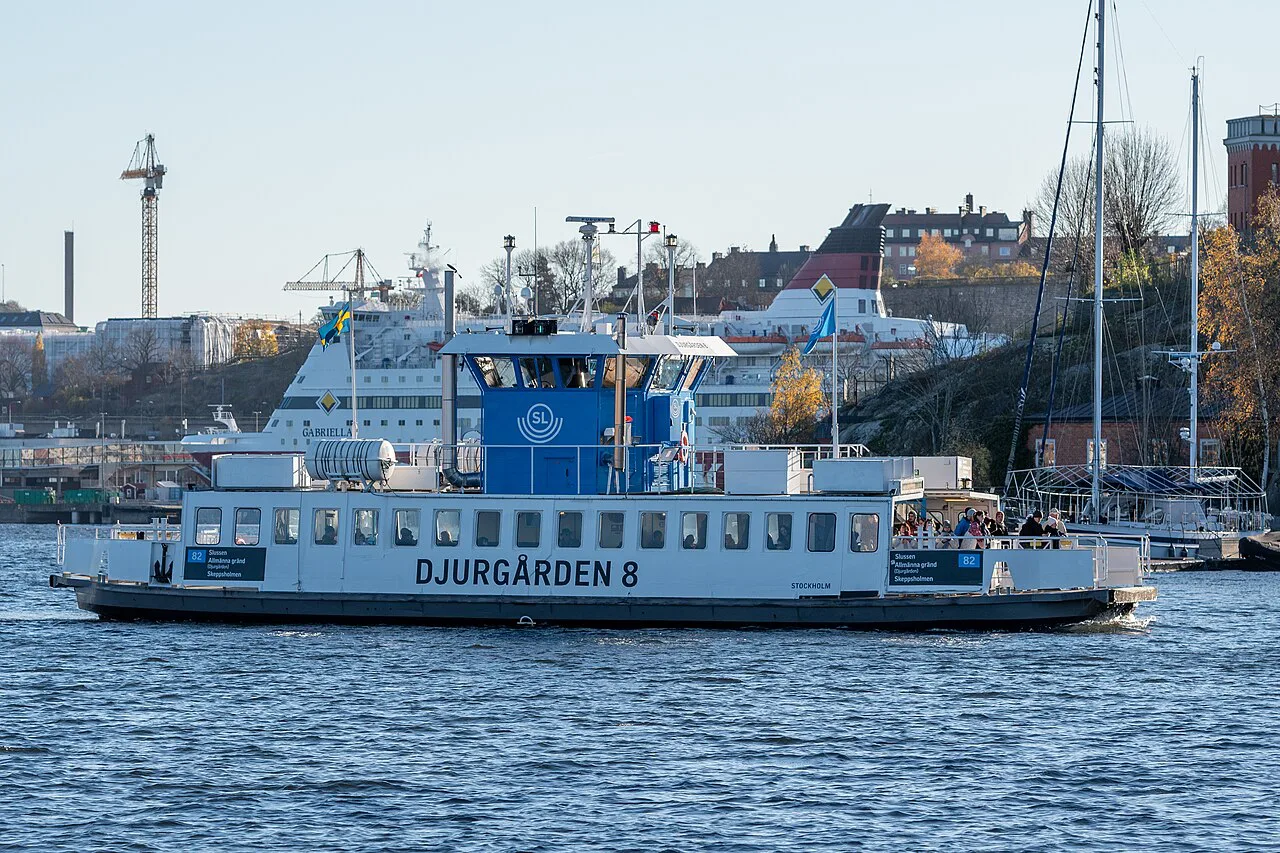
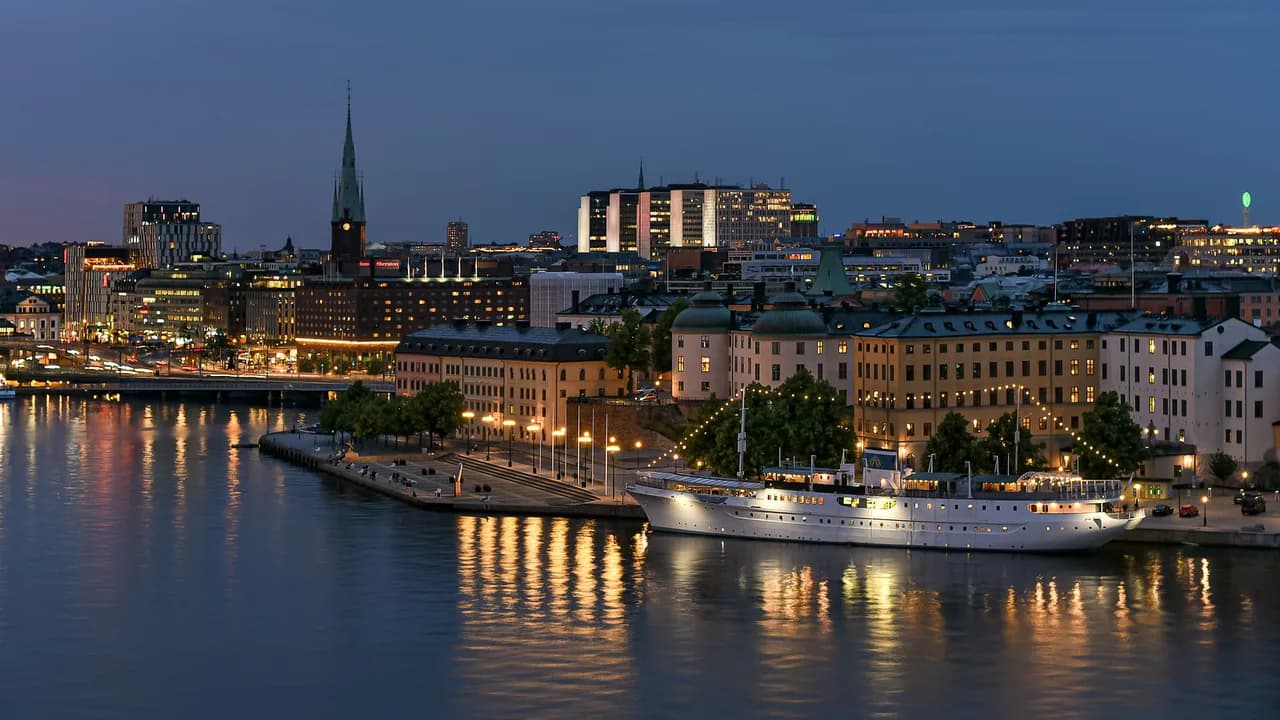
Stockholm is built across 14 islands, and that shape defines your visit. Gamla Stan, the medieval old town, sits on its own island in the middle; Djurgården, the museum and park island, lies to the east and is reached by tram, bus, ferry or a walk along Strandvägen. Södermalm, the southern district, rises above the water with viewpoints, and the small islands of Skeppsholmen and Riddarholmen sit within easy walking distance of the centre. The result is a city where water is never far away and where a short ferry hop is part of the day rather than an excursion.
Copenhagen is lower, flatter and more continuous, with a centre you can cross on foot and a harbour that loops around rather than separating districts. The result is a city that comes out ahead on walkability in third-party comparisons: one side-by-side comparison scores Copenhagen 9 out of 10 for walkability against Stockholm's 8 out of 10. That small walkability edge matters on a two-day trip when every extra minute of transport eats into sightseeing time.
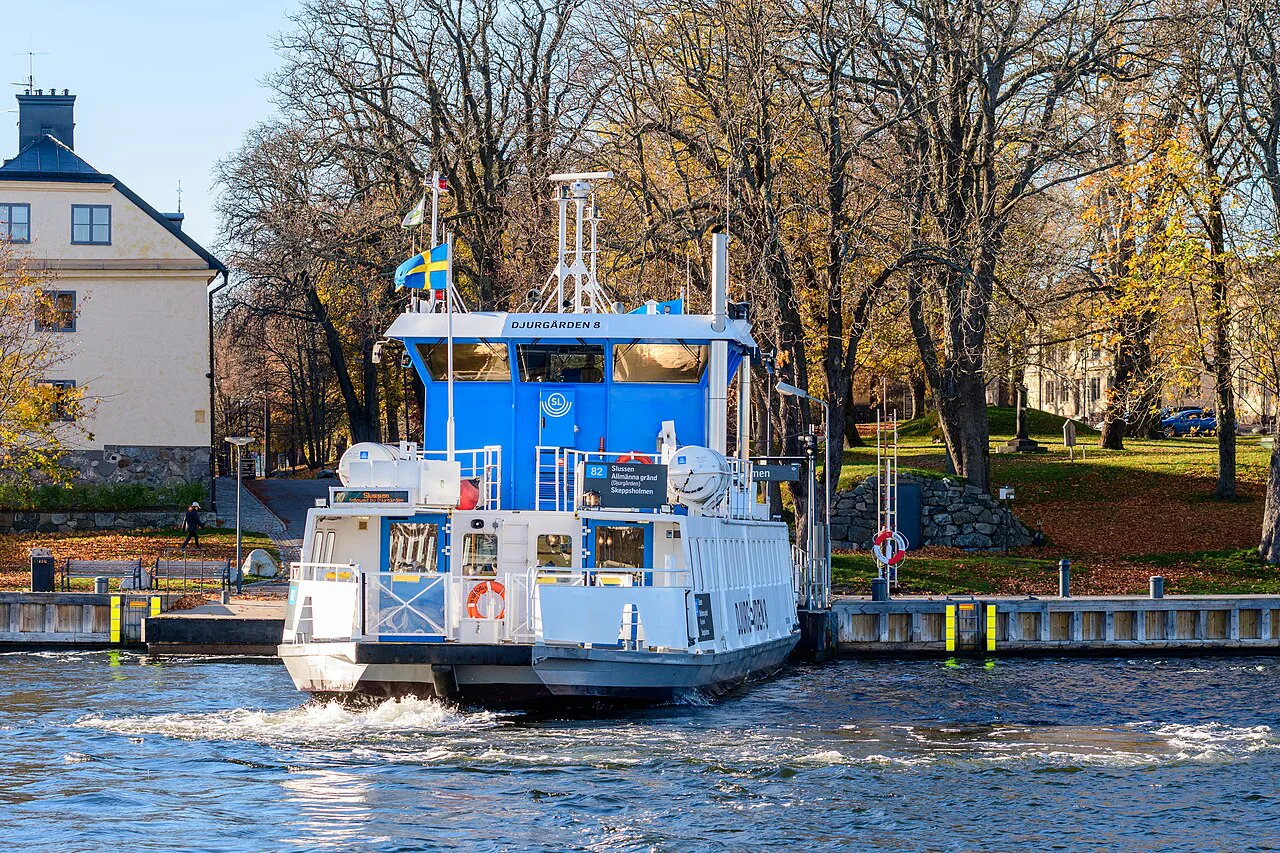
What you actually see in Stockholm
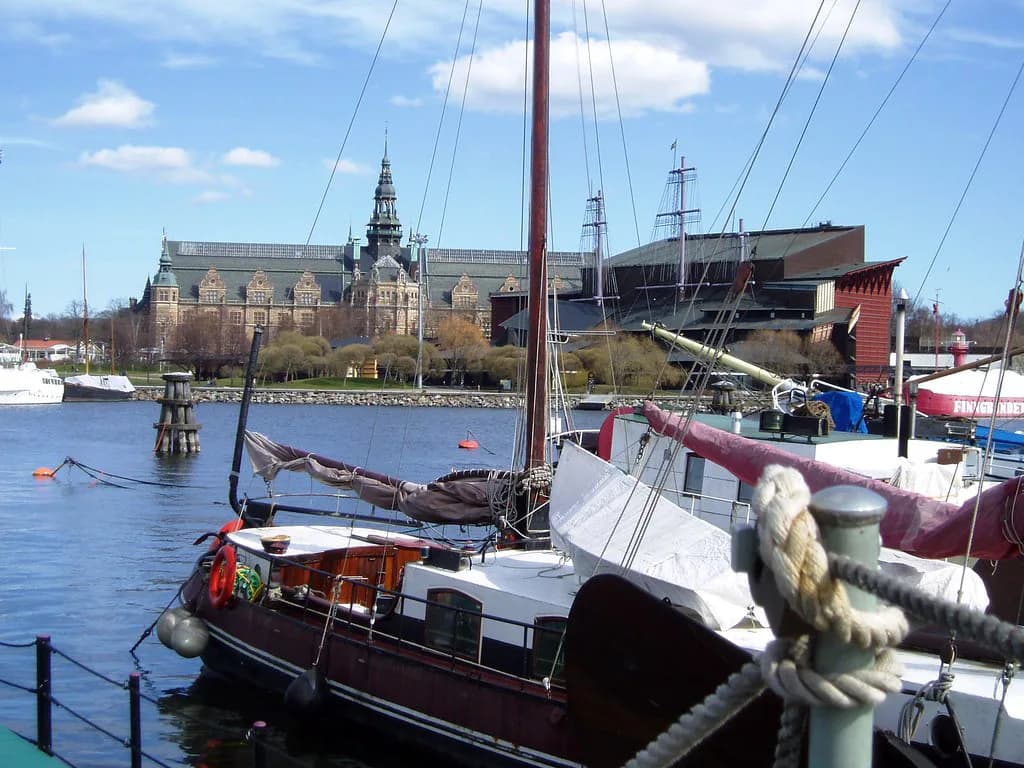
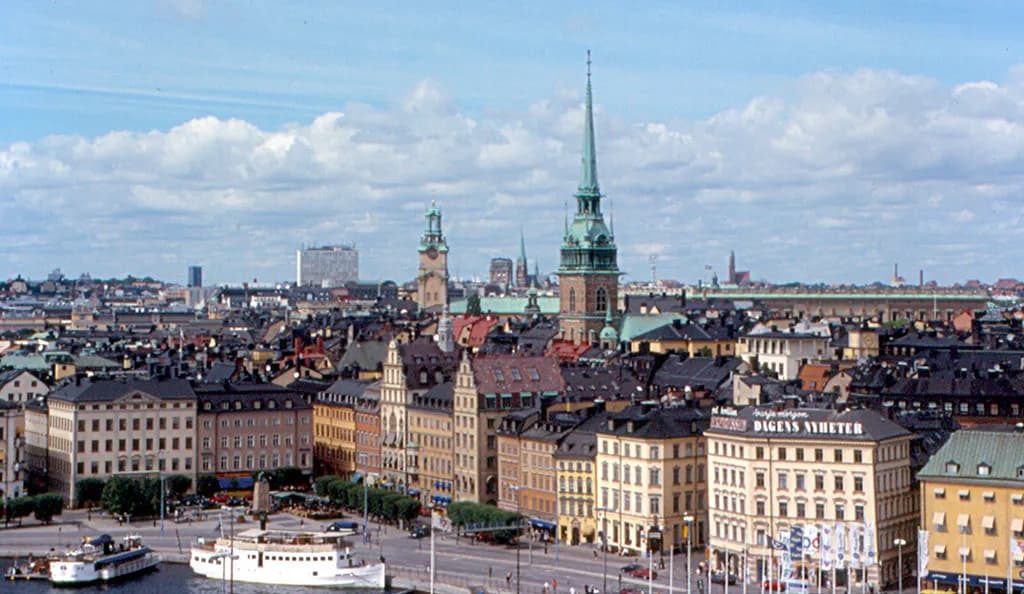
Gamla Stan gives you cobbled lanes, the royal palace and the Nobel Prize Museum in a single compact area, and it is the one part of Stockholm that feels genuinely medieval rather than reconstructed. From there, Djurgården holds the Vasa Museum, Skansen and a cluster of other museums in a green setting; Södermalm offers viewpoints such as Monteliusvägen and a slower neighbourhood feel; and Skeppsholmen and Riddarholmen are small islands you can loop on foot within an hour. The spread is the point: each island feels like a different part of the trip.
The practical consequence is that you need to plan Stockholm by island rather than by street. A sensible shape gives Gamla Stan and the central islands one day, Djurgården another, and Södermalm a third; our 3 days in Stockholm itinerary does exactly that and shows how the ferries and walks fit together. If you only have a weekend, a Stockholm city break can still cover Gamla Stan and Djurgården, but you will be choosing between sights rather than seeing them all.
What you actually see in Copenhagen
Copenhagen's signature sights are close together: Nyhavn's coloured harbour houses, the royal palaces around Amalienborg, the round tower and the Strøget pedestrian street all sit within a walkable core. The city is also the more food-focused of the two in third-party scoring, and it earns a higher nightlife mark, though nightlife sits outside this guide's scope. For a visitor, the effect is a city where you can see the headline sights in a day and spend the second day on a single neighbourhood or a harbour swim rather than on logistics.
The trade-off is variety of landscape. Copenhagen does not have Stockholm's island geography, so a boat trip is a pleasant extra rather than a way of getting between sights. If your ideal break is about moving from water to old town to park without repeating yourself, Stockholm has the edge; if it is about seeing a lot in a small area, Copenhagen is the stronger choice.
Days needed: a one to four-day shape for each city
For Stockholm, one day gives you Gamla Stan and a walk along the water; two days add Djurgården; three days bring in Södermalm and Skeppsholmen; four days let you slow down and take a boat without cutting anything. Our guide to how many days in Stockholm sets out that shape in detail. For Copenhagen, two days cover the centre and a neighbourhood, and three days is enough to add a museum or a harbour area without rushing.
The key difference is that Stockholm's days are shaped by transport between islands, while Copenhagen's are shaped by how far you want to walk. On a three-day trip, Stockholm gives you more distinct experiences but asks you to use the tram, metro or ferry; Copenhagen gives you fewer distinct areas but you can walk between them. If you are tight on time, our One Day in Stockholm guide shows what a single day can realistically cover.
Cost: what each city does to a mid-range daily budget
Published third-party comparisons put Stockholm slightly above Copenhagen for a mid-range day. One 2026 comparison estimates an actual daily cost of about 204 US dollars in Stockholm against 182 US dollars in Copenhagen, and 200 against 180 on the headline figure, with Stockholm also carrying a higher hidden-fee burden. Treat those as published estimates rather than current prices: they are converted from dollars and shift with exchange rates, so check the latest figure before you budget. For a fuller breakdown in kronor, our guide to is Stockholm expensive goes through what a city break actually costs in SEK.
The same comparison notes a cheaper airport transfer in Copenhagen (about 4 dollars against 9 dollars for the cheapest option), which matters on a short break when the transfer is a larger share of what you spend. For live comparisons of everyday costs between the two capitals, the city comparison tool at Numbeo lets you put Stockholm and Copenhagen side by side. Neither figure should be read as a fixed price: check current fares and entry charges directly with the operators before you commit.
Museums and wet-weather options in each city
Stockholm's museum strength is concentrated on Djurgården, where the Vasa Museum, Skansen and several smaller museums sit within a short walk of each other, making a rainy day easy to fill without crossing the city. Gamla Stan adds the Nobel Prize Museum, and Skeppsholmen has Moderna Museet. The catch is that Djurgården is a separate island, so a wet day still involves a tram, bus or ferry before you are under cover.
Copenhagen's museums are more scattered through the centre and the surrounding neighbourhoods, which means a rainy day can be spent moving between them on foot rather than waiting for transport. The practical difference is small on a two-day trip but noticeable on a four-day one: Stockholm gives you a single museum district, Copenhagen gives you a spread. Wherever you go, opening days vary between summer and the rest of the year, so check the museum's own site before you build a day around it.
Getting around and getting there from the UK
Both cities are easy to reach from the UK, with direct flights from London and several regional airports, and both have efficient public transport. The difference is how much you need it. In Stockholm, the metro, trams and ferries are part of the sightseeing and you will use them most days; in Copenhagen, you can walk the centre and reserve transport for the airport and one or two outlying areas. If you are booking flights to Stockholm, our guide covers routes and what to expect on arrival.
On the ground, Stockholm's layout means a travel card or single tickets are worth working out before you arrive, while Copenhagen's compact centre makes a walk-first plan realistic for most of a short break. Neither city requires a car, and both reward travellers who treat public transport as part of the day rather than an interruption. Fares and ticket options change, so check the local transport operator's site when you plan your days.
Which city should you book?
Choose Stockholm if you have three or four days, want water and islands as the backdrop to your trip, and are happy to use trams and ferries to move between sights. Choose Copenhagen if you have two or three days, want to walk everywhere, and prefer a denser centre over a scattered one. The cost difference is modest in published estimates, so let trip length and walking preference decide rather than the daily budget.
Explore more Stockholm guides
Frequently Asked Questions
Is Stockholm or Copenhagen better for a first-time Scandinavia trip?
It depends on your time. With two or three days, Copenhagen's compact centre lets you see more without transport, which suits a first trip. With four days, Stockholm's islands, Gamla Stan and Djurgården give you more variety, and the ferries and trams are part of the experience.
Which city is cheaper for a city break, Stockholm or Copenhagen?
Published third-party comparisons put Stockholm slightly higher for a mid-range day, though the gap is small and depends on exchange rates. Both cities are expensive by UK standards, and the bigger variable is how many paid museums you visit. Check current entry prices and transport fares before you budget.
Can you walk between the main sights in Stockholm?
Gamla Stan, Riddarholmen and Skeppsholmen are walkable from each other, but Djurgården and Södermalm are separate islands and are quicker by tram, bus or ferry. Copenhagen's centre is more continuous, which is why it scores higher for walkability in side-by-side comparisons.
Sources
Notes for your next Swedish city break
Optional updates to our Sweden guides.
You might also like
Continue reading
More guides you'll find useful