Stockholm City Break: A Day-by-Day Plan for 2–4 Days
Plan a Stockholm city break day by day, from Gamla Stan to Djurgården and Södermalm, with a clear order of sights and what to cut if time runs short.
On this page
Two days is enough to see Stockholm's essential pair, and four days lets you slow down on Södermalm and Skeppsholmen. Build a 3 days in Stockholm plan around one island group per day so you spend less time crossing the water between them. This guide gives you a day-by-day order, puts the islands in walking sequence and flags the trade-offs when you have only one Djurgården day.
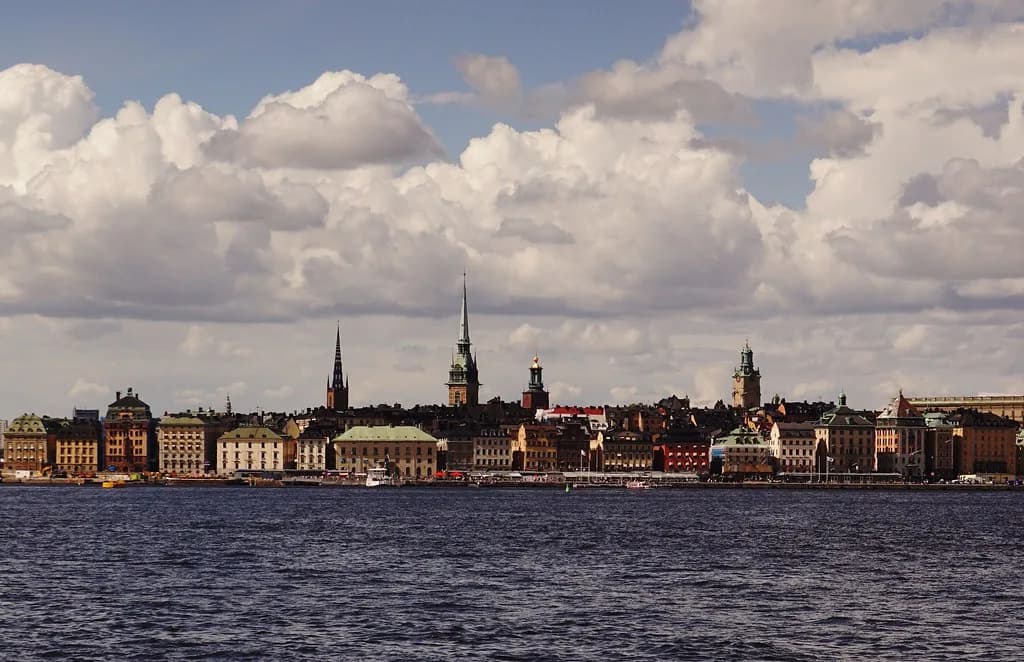
Stockholm spreads across islands linked by bridges, so the layout matters more than any single sight. Gamla Stan and Riddarholmen sit at the centre, Djurgården and Skeppsholmen lie to the east, and Södermalm rises to the south. Group your days by these clusters and you spend your time looking at the city rather than crossing it.
How many days a Stockholm city break needs
Two days covers Gamla Stan, the Royal Palace, Storkyrkan and a Djurgården morning at the Vasa Museum or Skansen. Three days adds Södermalm, Fotografiska and the Monteliusvägen viewpoint without rushing. A fourth day suits Skeppsholmen, the architecture museum and a slower morning on the west side. If you are weighing up the options, our guide to how many days in Stockholm compares each length honestly.
The honest trade-off is depth against coverage. A two-day break gives you the headline sights but leaves Södermalm for another trip, while four days lets you eat lunch without checking the clock. Most travellers on a UK weekend flight land on one of these two shapes, and neither is wrong.

How Stockholm is laid out
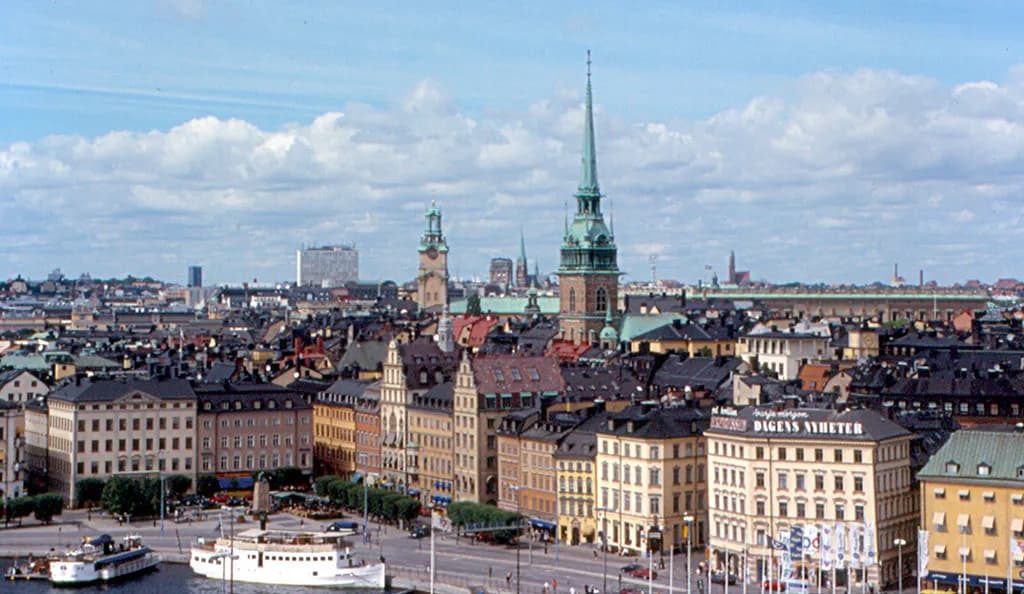
Gamla Stan is the old town on its own island, with the Royal Palace and Storkyrkan at its heart and Riddarholmen attached at the western tip. Norrmalm is the commercial centre north of Gamla Stan, and Östermalm stretches east towards Djurgården. Södermalm sits south across the water, reached on foot from Gamla Stan in minutes, and the city's historic old town and Södermalm, with its vibrant streets, are the quarters most often treated as its defining ones.
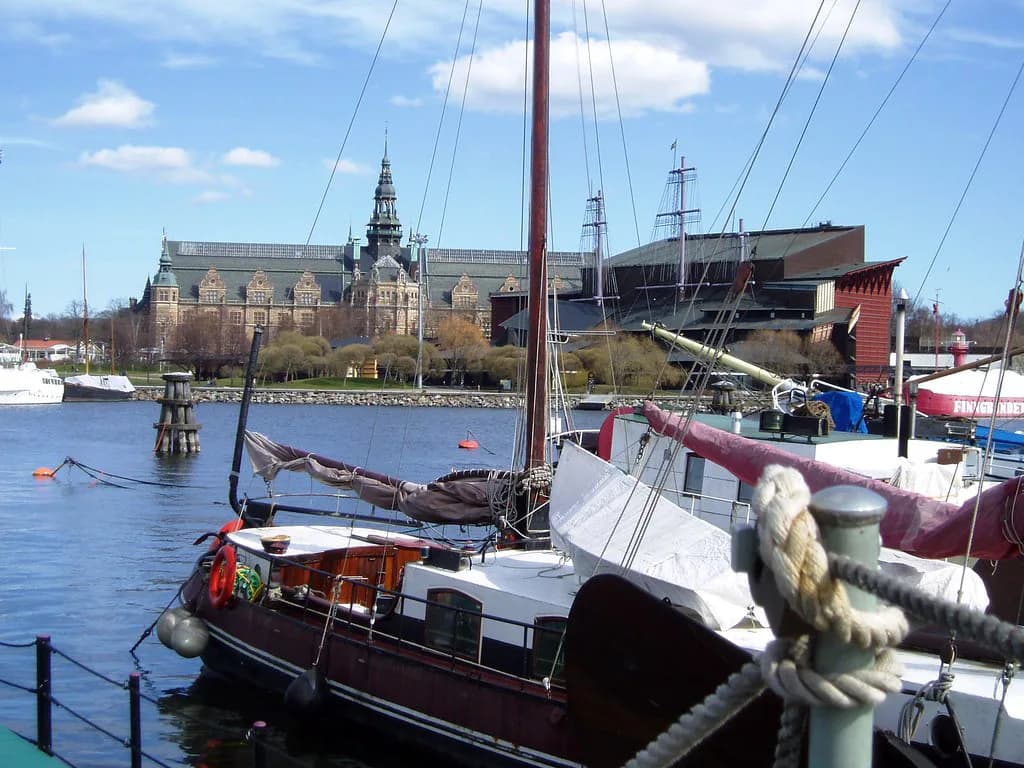
Djurgården and Skeppsholmen are the green, museum-heavy islands to the east. Ferries and trams connect Djurgården with the centre, and Skeppsholmen is a short walk from the Nationalmuseum area. Treat each island as a half-day or full-day block and the city becomes easy to navigate on foot.
Day 1: Gamla Stan and Riddarholmen on foot
Start in Gamla Stan before the crowds arrive, walking the main street from the palace end towards Järntorget. The Royal Palace and Storkyrkan, the cathedral, are the anchors of the old town and both sit within a few minutes of each other. Allow a morning for the palace interiors and the cathedral, then wander the side streets towards Riddarholmen.
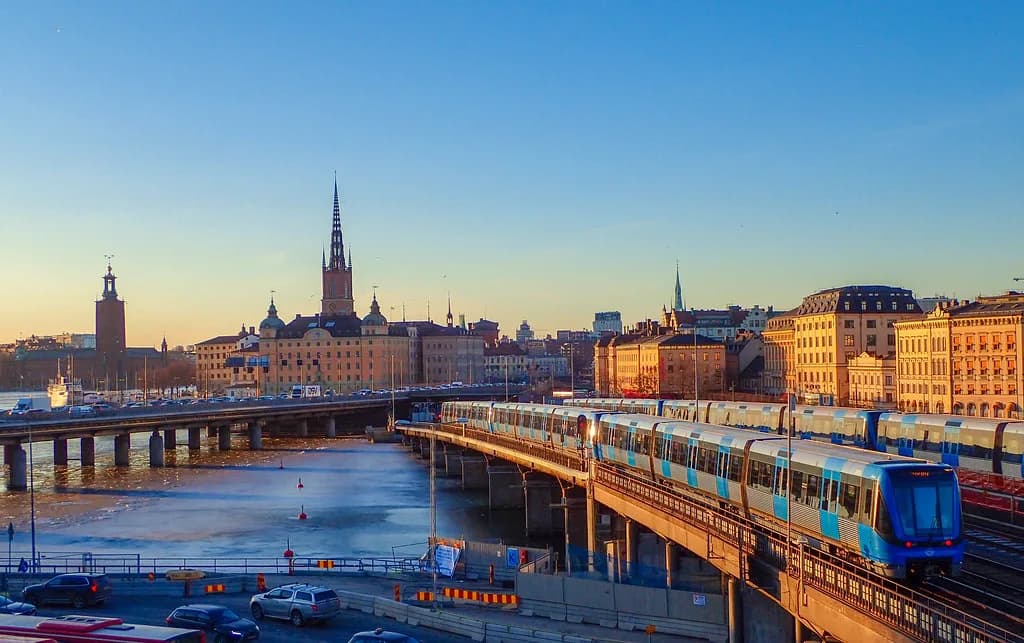
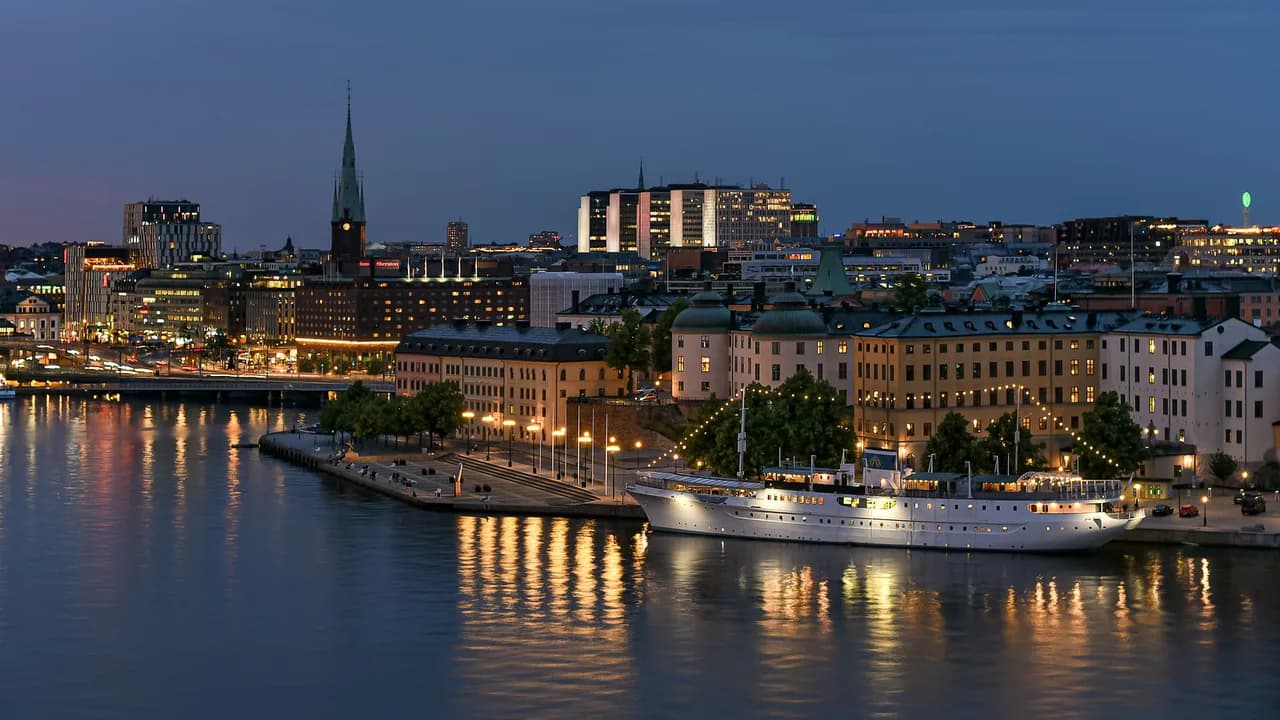
Riddarholmen is quiet, with waterfront views back towards the city and a church that anchors the small island. It is the calm counterpoint to Gamla Stan's bustle and takes under an hour to walk. Finish the day with a slow loop along the water before crossing into Norrmalm for the evening.
Day 2: Djurgården by ferry or tram
Djurgården holds the Vasa Museum and Skansen, and fitting both into one day is tight. The Vasa Museum is the stronger single choice if you want one unforgettable sight; Skansen is the better pick for families or anyone wanting open-air space. Our guide to Stockholm for families explains how Skansen works with children in tow.
Reach Djurgården by ferry from the centre or by tram, then walk between the museums once you are on the island. The ferry adds a short crossing on the water and lands you close to the museum cluster. Give the Vasa Museum at least two hours and Skansen a half-day if you choose it.

Day 3: Södermalm, Fotografiska and Monteliusvägen
Cross to Södermalm on foot from Gamla Stan and climb towards the Monteliusvägen viewpoint for the classic view back over the water to the old town. Fotografiska, the photography museum, sits on the Södermalm waterfront and pairs naturally with a walk along the quays. The steep streets reward slow walking rather than a checklist.
Södermalm is where a Stockholm break starts to feel local: independent shops, quiet squares and long views. If you only have one day in the city, see our One Day in Stockholm plan instead and save Södermalm for next time.
Budget-minded travellers can spend the day here cheaply, with viewpoints and waterside walks costing nothing. Our Stockholm on a budget guide sets out where the free sights sit on Södermalm and how to combine them with one paid museum.
Day 4: Skeppsholmen and a slower west-side morning
Skeppsholmen is a small island of museums and quiet paths, with the architecture museum as its main draw and the water on every side. Pair it with a slow morning around the western waterfront, then take a late lunch before heading home. This is the day that makes four nights feel unhurried rather than padded.
If you are still deciding whether the trip is worth it, our is Stockholm worth visiting guide weighs what a short break actually delivers against the cost.
When to go: summer daylight versus spring and autumn
Summer brings long daylight hours that let you keep walking well into the evening, which suits a packed two- or three-day plan. Spring and autumn give shorter days but fewer visitors, and the light on the water is often the best of the year. Build your day around daylight hours rather than a fixed timetable, and check current opening times with each museum before you go.
Time your visit around the museums you most want to see, since a closed museum reshapes a whole day. If you are flying from the UK, our flights to Stockholm guide covers route options and timings for the journey.
Costs in SEK for a city break
Budget in Swedish kronor, because that is what you will pay on the ground. Confirm transport passes, museum tickets and any city card against the official Storstockholms Lokaltrafik and museum websites before you buy, since the figures change with the season. Our is Stockholm expensive guide breaks real costs in SEK down by category.
A card bundling transport and admissions only pays off if you visit several included attractions in one day, so compare the price against individual tickets for the exact sights on your list. If your plan is two museums and a lot of walking, buying single tickets is usually the simpler decision.
What is open on a Sunday and a Monday
Museum opening days vary, and Monday is the day most likely to catch you out, so check each venue's own calendar for the week you travel. Plan your Sunday around sights that stay open, such as the old town streets, the waterfront walks and the Monteliusvägen viewpoint, which have no opening hours to work around.
If a museum is closed on the day you planned, swap it for another on the same island rather than crossing the city. Djurgården has several options within walking distance, and Södermalm keeps you close to Fotografiska and the waterfront if one door is shut.
Sweden's cashless habits
Stockholm runs on cards and mobile payments, so keep a contactless card and your phone wallet ready for museums, ferries and cafés. Carry a little cash only as backup, and make sure your card works with Swedish terminals before you fly. This is one practical point where a little planning saves friction at the till.
What to skip on a short break
On two days, skip Skeppsholmen and the western waterfront, and pick either the Vasa Museum or Skansen rather than both. On three days, drop the fourth-day west-side morning. The trade is always the same: fewer sights, seen properly, beat a rushed circuit of the city.
Archipelago boat trips and trips beyond the city are worth a single sentence here only: they need their own day and do not fit a two- or three-day city break. Keep them for a longer Sweden trip.
Where a Stockholm break fits with Copenhagen
Stockholm and Copenhagen pair well for a longer Scandinavian trip, but they are not a single weekend. Each city deserves at least two full days, so combining them means four days or more, usually with a flight between them. Our Stockholm vs Copenhagen guide compares the two for anyone choosing one city break over the other.
Which Stockholm plan suits your dates?
Choose two days if you want Gamla Stan, the Royal Palace and one Djurgården museum, and accept that Södermalm waits. Choose three days to add Södermalm and Monteliusvägen, or four to slow down on Skeppsholmen. Then check each museum's own calendar for your dates before booking anything; Stockholm Attractions covers the individual sights in more depth.
Frequently Asked Questions
What is a must-buy in Stockholm?
Swedish design and craft shops in Gamla Stan and Södermalm are the obvious stop for gifts, but nothing in the city is a compulsory purchase. Decide what you want to bring home before you shop, then compare prices in kronor across a few shops rather than buying at the first stop.
How does Stockholm compare with Copenhagen for a city break?
Stockholm spreads across islands with more water and longer walking distances between sights, while Copenhagen is flatter and easier to cross on foot. Stockholm's museum cluster on Djurgården is a strong single draw. Pick Stockholm if you want island geography and old-town streets, and Copenhagen if you want a compact centre.
Sources
Notes for your next Swedish city break
Optional updates to our Sweden guides.
You might also like
Continue reading
More guides you'll find useful