Stockholm with Kids: Family Guide to the Sights That Work
A practical guide to Stockholm with kids: the Vasa Museum, Skansen, Junibacken and Djurgården, plus how to group them and how many days you need.
On this page
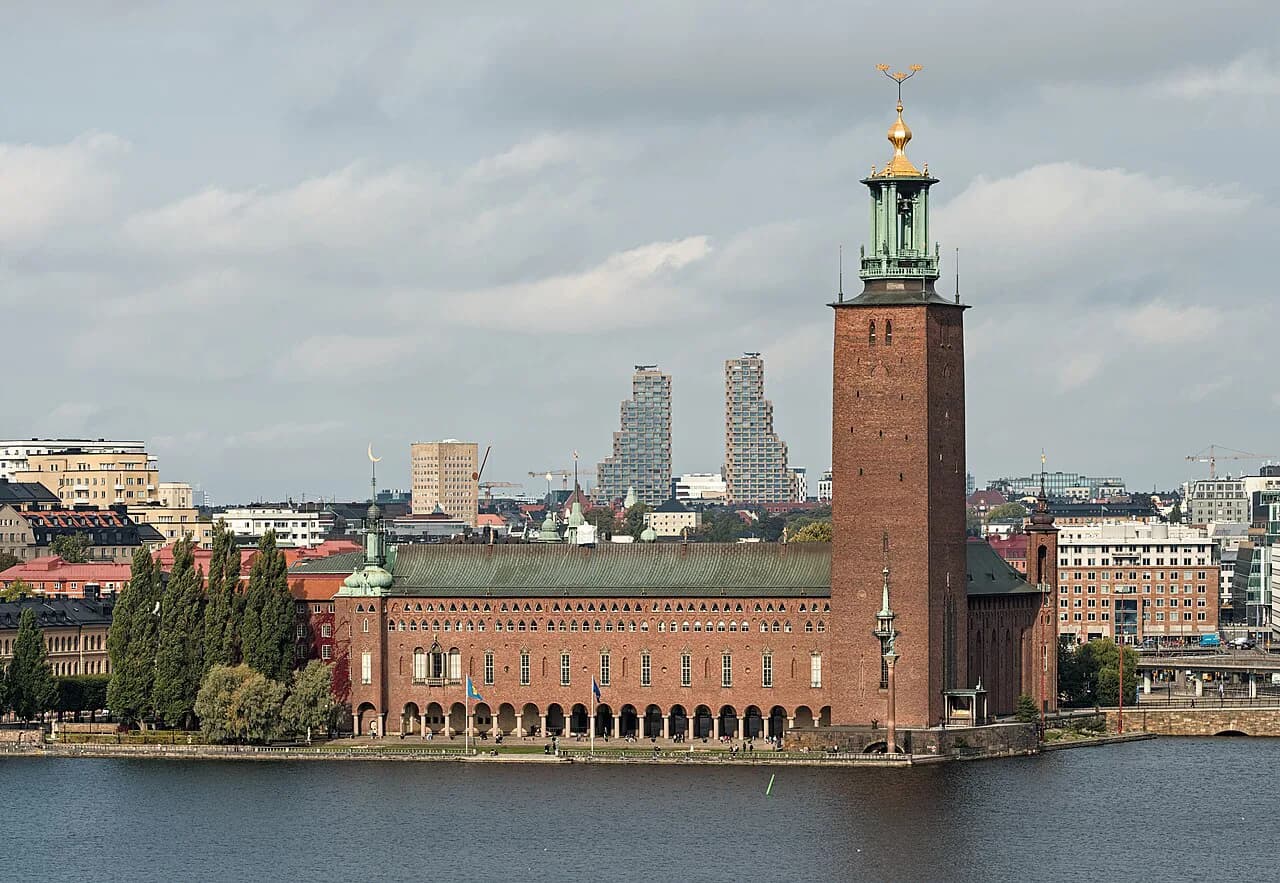
Stockholm for families comes down to one island: Djurgården holds the Vasa Museum, Skansen and Junibacken within walking distance of each other, so you can build a day around a single ferry crossing rather than criss-crossing the city. Pair that with a half-day in Gamla Stan and the Royal Palace and you have a workable two- or three-day trip without rushing small children through crowds. This guide groups the sights by island, sketches a one-day and three-day plan, and covers the practical points that decide how much you actually fit in.
The family sights cluster on Djurgården
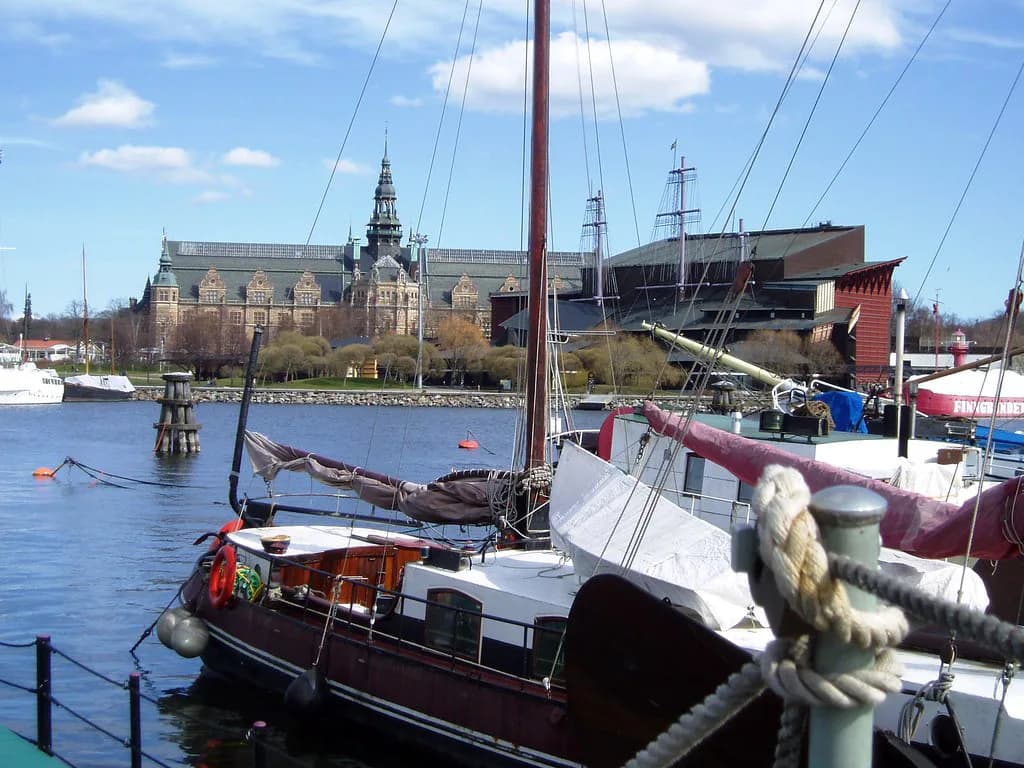
Djurgården is the green island east of the city centre, reached by tram, bus, walk or ferry, and it carries most of Stockholm's family weight in a compact area. The Vasa Museum, Skansen and Junibacken sit close enough that you can move between them on foot in a single outing, which is why families tend to give the island a full day rather than tacking one museum onto something else.
Treat Djurgården as a spine and Gamla Stan as the second anchor. Walk or take the ferry between them, and accept that each museum eats more time than the map suggests: the Vasa Museum is multi-level with tours in several European languages and interactive zones, and Skansen spreads across large grounds. Choosing two heavy sights in one day is realistic; three is not, especially with younger children.

Vasa Museum: the ship that sank in 1628
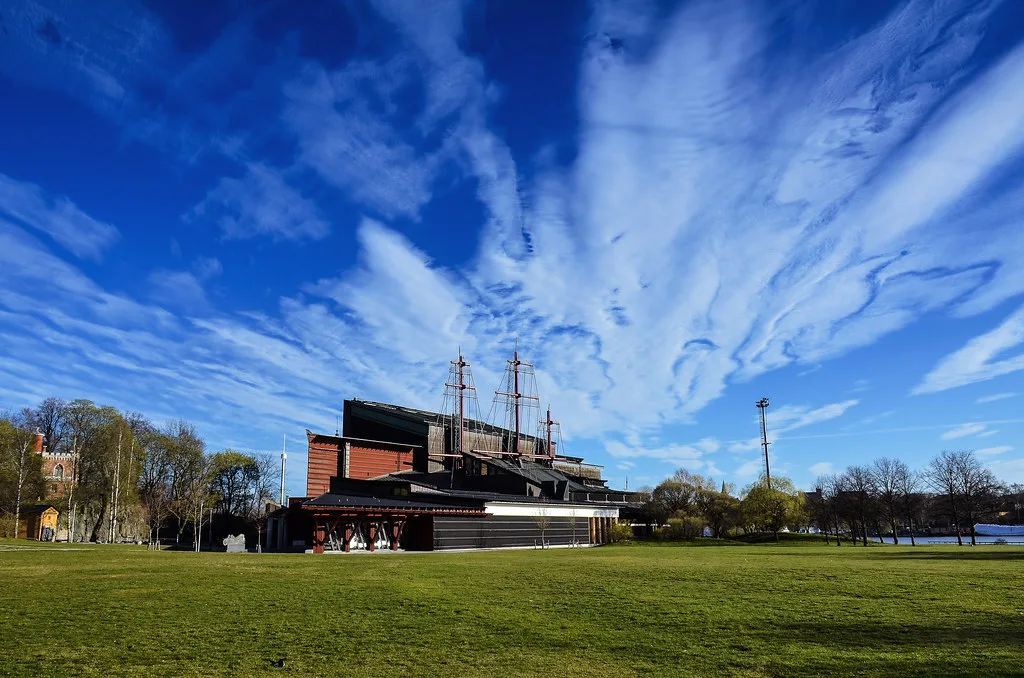
The Vasa capsized on her maiden voyage in Stockholm in 1628 and was salvaged 333 years later, and the museum now displays the preserved warship on the dry dock of the old naval yard. It holds the world's only preserved 17th-century ship, which is the reason to go even if your children are not usually museum types. The building is multi-tiered, so you can circle the hull at different heights rather than standing in one queue.
Families consistently name this as the surprise hit, because the scale of the ship inside the hall does the work that interpretative panels cannot. The café looks out over the water, which makes it a sensible lunch or fika stop before you move on. If you have limited time in Stockholm, this is the one indoor sight worth protecting.
Skansen: open-air museum and zoo in one
Skansen is the world's oldest open-air museum, a reconstruction of historic houses, farmsteads and churches from across Sweden set on Djurgården's hillside. It covers large grounds with a funicular to spare small legs, and an open-air zoo with Scandinavian animals including moose, brown bear, wolf and lynx. That combination of buildings, animals and open space is why it takes a half day at minimum.
The trade-off is real: Skansen's size is its strength and its problem with tired children, because the appeal is spread out rather than gathered in one building. Arrive early, ride the funicular up, and work downhill rather than zig-zagging. If your children are under five, consider Skansen plus just one museum in a day rather than trying for both Djurgården showpieces.
Junibacken and Astrid Lindgren for younger children
Junibacken is the story museum built around Astrid Lindgren's characters, and it earns its place with younger children through the Storybook Train, which runs through scenes from classic stories, plus a theatre and play areas both indoors and out. There is a café and plenty of locker space for coats and boots, which matters when half the family arrives in waterproofs and wellies. Parents who grew up on Pippi Longstocking tend to enjoy it as much as the children.
This is the one sight on the island to drop if your children are older and museum-resistant, since the appeal is squarely aimed at early readers and pre-schoolers. It also works as a wet-weather substitute rather than a companion to Skansen, because both want a generous slice of the day.
Kungliga Djurgården as breathing space
Beyond the paid attractions, Kungliga Djurgården is parkland with paths, lawns and water views, and it does useful work between museum visits rather than becoming a destination of its own. Children who have been indoors for two hours need somewhere to run before the next queue, and the island supplies that without a separate journey. Use it as the hinge of the day, not a third item on the list.
Gamla Stan and the Royal Palace
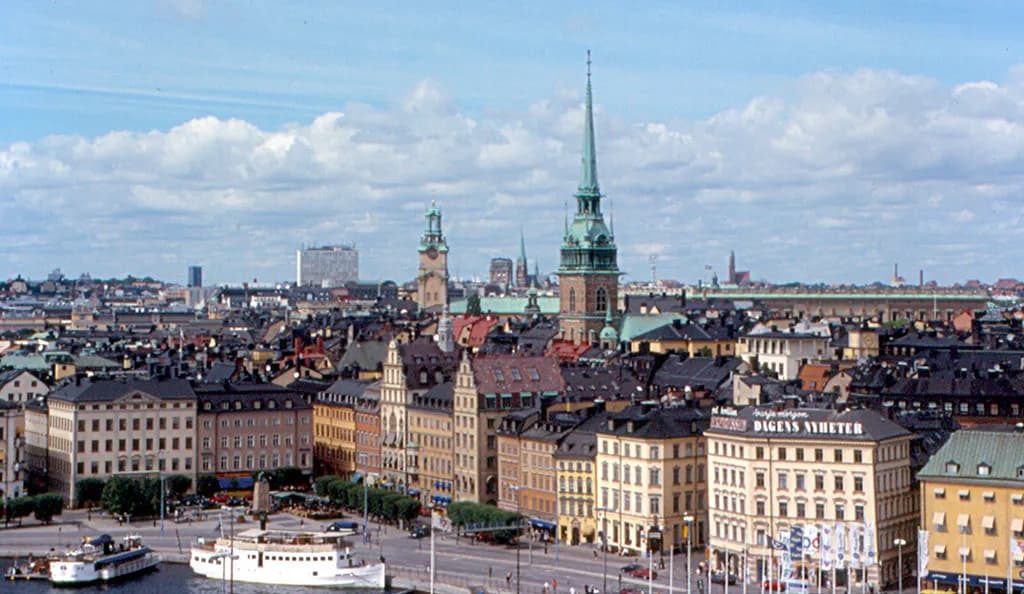
Gamla Stan is the old town of narrow lanes and cobbles, and the Royal Palace sits at its edge as the King's official residence, with more than 600 rooms and several museums open to visitors. The Treasury is the part children remember, because it holds the crown jewels and the sword of state rather than rows of formal furniture. Budget half a day for the pair, and expect the cobbles to slow a buggy.
The changing of the guard gives the palace forecourt a reason to linger, but check the schedule at the palace on the day rather than planning the rest of the afternoon around it, since ceremonial timings change with the season. Even without it, the Treasury plus a short wander through the old town makes a solid morning. If you only have a weekend, this is the half-day that fits alongside Djurgården more easily than anything else.
One day versus three days with children
One day in Stockholm with children should mean one island: Djurgården for the Vasa Museum plus either Skansen or Junibacken, with a ferry ride as the treat in itself. Three days lets you add Gamla Stan and the Royal Palace, a slower pass through Skansen, and a fika break that is not squeezed between queues. Trying to do both islands plus the old town in 48 hours is the classic family mistake.
If your children are old enough to walk a few kilometres without complaint, the sights compress well and two days is enough for the headline museums. With toddlers, the same list stretches to three days because everything slows down.
Getting around on foot, by ferry and by metro
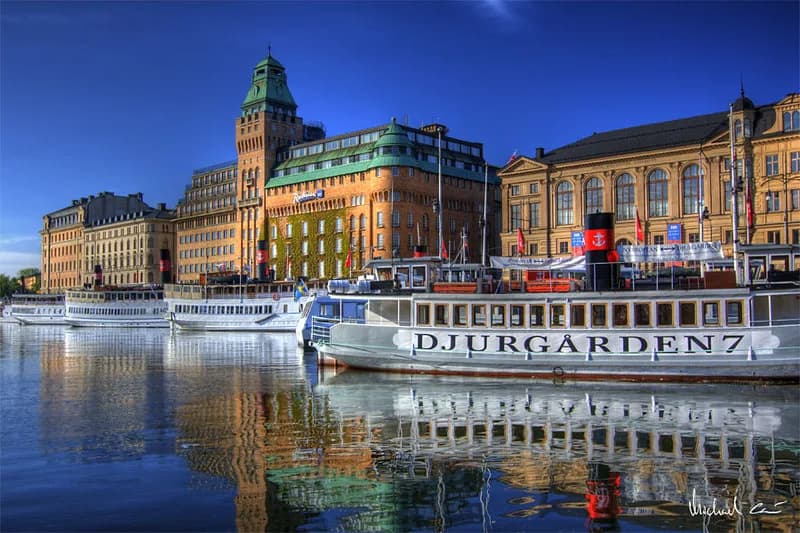
Stockholm is best experienced on foot, with hop-on hop-off buses and boats and CityBikes covering the longer hops. With children, the ferry to Djurgården doubles as entertainment, and walking between the Vasa Museum, Skansen and Junibacken is straightforward once you are on the island. Save the metro for wet days or for getting from your base to Gamla Stan.
A multi-day travel card covering trains and trams pays off when you are moving around a lot rather than staying in one neighbourhood, so it suits a three-day trip better than a single-day visit. Most metro stations have lifts, which makes a buggy practical. Check current ticket prices and card options before you travel.
Costs in Swedish kronor and where families save
Stockholm is one of the more expensive Nordic cities, and a family weekend here can cost roughly what a comparable London weekend would, so transport, tickets and snacks are worth budgeting before you go. Sweden is largely cashless, so plan to pay by card rather than relying on cash for small purchases. Read current prices in Swedish kronor on each attraction's own site before booking, since family tickets and combination offers change.
The cheapest multiplier is the free outdoors: Kungliga Djurgården, the ferry crossing and the old town lanes cost nothing beyond transport. Families who buy one big museum ticket per day and fill the rest with parks and walking usually come out ahead of those buying a multi-attraction pass they cannot use. If your dates are fixed, price the pass against the two or three sights you genuinely intend to see.
Fika as the afternoon reset
Fika is the Swedish custom of stopping for coffee and something sweet, and it is the most useful parenting tool in the city: a scheduled pause that heads off the late-afternoon meltdown before it starts. A cinnamon bun and a sit-down does more for everyone's mood than squeezing in a fourth sight. Put fika in the plan at roughly the same time each day rather than treating it as a reward for finishing.
What to leave out of a short family trip
Theme parks, nightlife and long day trips belong to a different kind of holiday, and with one to three days they compete badly with the museums children actually ask about afterwards. A single sentence on Gröna Lund is as much as a short family plan needs. Better to finish Djurgården properly than to split the day.
Buggies, lockers and wet-weather swaps
Junibacken provides locker space for coats and boots, which is worth knowing when you are carrying half the family's waterproofs. The Vasa Museum's indoor layout and Skansen's open grounds make a natural wet-day and dry-day pairing: rain swaps Skansen for Junibacken or the palace Treasury. Cobbles in Gamla Stan are hard on buggy wheels, so plan the old town for a dry slot.
Which family day suits your children's ages?
With pre-schoolers, build the trip around Junibacken, the Vasa Museum and plenty of park time, and accept that Skansen may need a whole morning of its own. With older children, Skansen and the Royal Palace Treasury tend to hold attention in a way the story museum will not, and you can comfortably add Gamla Stan on the same day. Either way, one island per day keeps the walking manageable and leaves room for fika.
If you are still deciding how long to give the city, compare a weekend and a three-day shape before booking anything, and check each attraction's current opening days and prices on its own website as your dates approach.
Frequently Asked Questions
Is Stockholm a fun city for children?
Yes, largely because the big sights are close together and hands-on. The Vasa Museum's preserved warship, Skansen's open-air zoo and buildings, and Junibacken's Storybook Train give children three different kinds of day out within one island, with parks and ferry rides between them.
How many days do we need for the main family sights?
Two full days covers the Vasa Museum, one of Skansen or Junibacken, and a morning in Gamla Stan with the Royal Palace Treasury. Three days lets you add the second Djurgården museum without rushing, with an afternoon kept free for fika and park time.
Do we need to book family attraction tickets in advance?
Booking ahead is sensible for the Vasa Museum and Skansen on weekends and in high season, but availability and opening days vary through the year. Check each attraction's own website for current hours, ticket types and family pricing rather than relying on a pass bought months earlier.
Sources
Notes for your next Swedish city break
Optional updates to our Sweden guides.
You might also like
Continue reading
More guides you'll find useful