Malmöhus Castle: What's Inside and How Long to Allow
Malmöhus Castle in Malmö holds the city's art museum, natural history collections, a children's museum and the fortress rooms.
On this page
Malmöhus Castle is a moated Renaissance fortress that today works as a museum complex rather than a furnished royal palace. Inside its walls you get the Malmö Art Museum, natural history collections, a children's museum and the castle rooms themselves, so budget two to three hours rather than an hour. This guide covers what each part holds, how to walk there, how to split your time and how to check entry details before you go.
What Malmöhus Castle is today
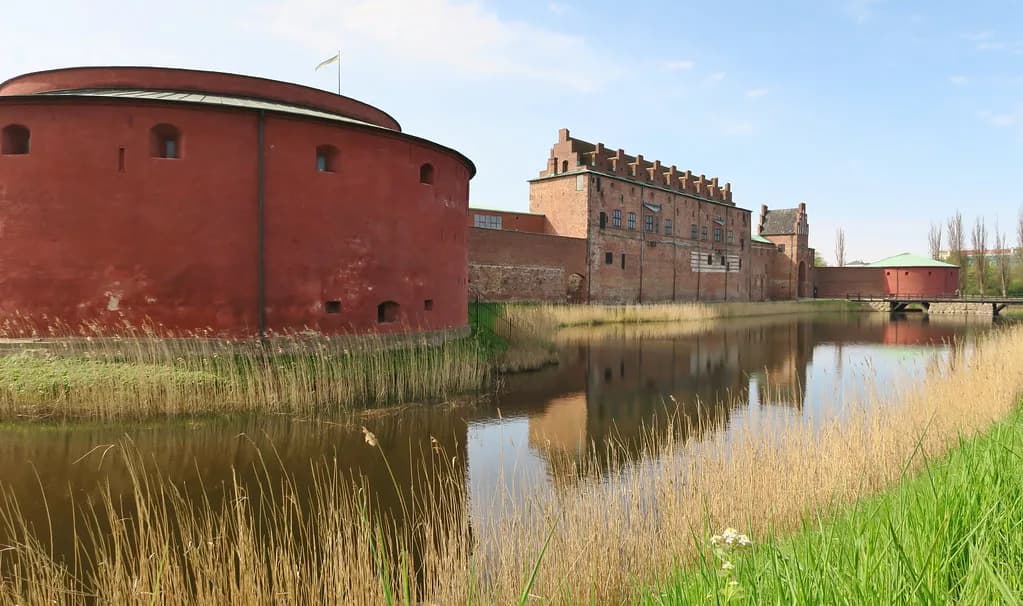
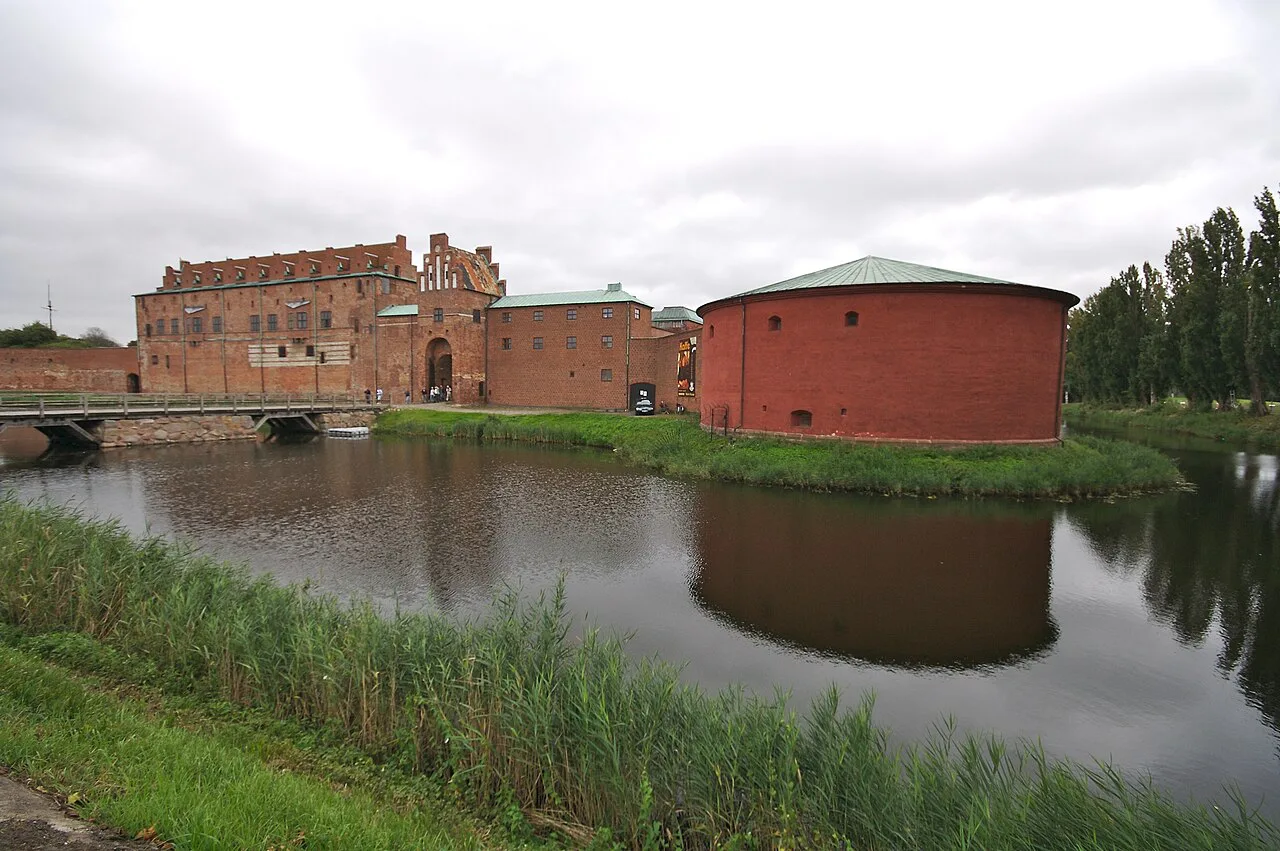
The building is a near-perfect rectangle with heavy round towers, set on its own island and ringed by a double water-filled moat. That island setting was a defensive choice, and it is also what makes the approach memorable: you cross the water to reach the gate rather than arriving off a street. The address is Malmöhusvägen 6 on the harbour side of central Malmö.
Where many European castles sell you one state room after another, this one splits into separate museums under a single roof. The art collection, the natural history galleries, the children's museum and the castle rooms each have their own space, and the fortress architecture ties them together. If you are working through the bigger list of Castles in Sweden, this is the one that doubles as a museum quarter.
Where Malmöhus sits and how to walk there
From Malmö Central Station the castle is roughly a 20-minute walk, heading west through the city towards the water. The route passes through the centre and out along the harbour, so it is an easy leg to do on foot rather than planning a bus. Allow a little more if you are dragging luggage or stopping on the way.
Local buses run close to the castle, and a taxi from the station is short. Walking is still the better call on a dry day, because the last stretch brings the moat, the bridge and the park into view before you reach the entrance. Keep an eye out for the swans in the moat: they are large, and the males are known for seeing off anyone who gets too close.
What's inside: art, natural history and the castle rooms
The art museum is the strongest single reason to come. It holds one of Sweden's largest art collections, with Nordic and European works running from the Renaissance through to contemporary pieces, and the displays explain how the politics and society of each era shaped what artists made. There is even a changing showcase on conservation, showing the materials behind paint and preservation.
Alongside the art you get natural history galleries, a children's museum and the castle's own rooms, which carry furniture and objects from its different periods, with recreated prisoner cells among the more sobering exhibits. It is a museum experience that works well for mixed-age groups. If you would rather compare it with a grand palace interior, Gripsholm Castle and the Royal Palace in Stockholm are the obvious counterparts for a separate day.
The building itself repays a slow look: massive walls, the two round towers tied into the main block, and windows that once looked out over the Öresund. Some of those upper windows are used for a light show after dark, projecting shadows of the castle's party-and-scandal past, which you can watch from the pavement outside.
The building's story in brief
The first fort here went up in 1434 on the orders of Eric of Pomerania, built to control the Öresund strait and take tolls from passing ships in competition with the Hanseatic League. Coins were minted inside, with a substantial workforce turning them out. That early stronghold was destroyed in the fighting of the early 16th century.
Christian III rebuilt it in the mid-16th century with Italian Renaissance features, and it served both as a residence and a fortress, with guest wings and prisoner wings side by side. Sweden took the region from Denmark in the mid-17th century and the castle became a defensive outpost. By the 19th century it was a prison, with executions carried out on the front lawn, then a homeless shelter after the prison closed in 1909, and finally a museum shortly before the Second World War.
If dynastic history is what draws you, the 16th-century chapters here sit alongside Gripsholm Castle, built by Gustav Vasa on Lake Mälaren, and Kalmar Castle, whose story runs through the Kalmar Union. Seeing one or two of them gives the Malmö building context.
How long a visit takes and how to split your time
Budget two to three hours for the whole complex rather than trying to dash through in one. That is a typical allowance for the art galleries, the castle rooms and at least one other museum, and it leaves room to read the labels that make the collection interesting. If you only have an hour, choose one side and do it properly.
The layout matters more than the clock. Upstairs, the museum route runs to one side and the castle route to the other, so whichever you pick first you will have to backtrack to see the second. Take the castle rooms first while your legs are fresh, then settle into the art collection, or reverse the order if art is the priority.
Tickets and what to check before you go
Entry is charged, and the official Malmö museum complex site is the place to confirm the current rate and any concession for students or retirees. Some visitors report a reduced senior rate for people retired in their own country, but treat any figure you read online as a rough guide rather than a quote. Note that the currency is Swedish kronor, so check prices in SEK before you convert.
The grounds: moat, bastion park and windmill
The walk around the moat, which gives you the full outline of the fortress, and the park laid out on the old military bastions cost nothing and are a pleasant place to sit between museum wings. Look out too for the white bus at the entrance, one of the vehicles used to carry prisoners out of Nazi camps during the Second World War.
Practical points inside
On the ground level there is a large gift shop, restrooms and a restaurant, which makes the castle a sensible place to break a day rather than a detour that leaves you hunting for lunch. The museum tour and the castle tour both start upstairs, so plan your stop at the shop for the end.
Is Malmöhus worth it on a short break?
Yes, if you want one stop that covers art, history and something for children. It is the rare castle where the collection competes with the building, and the moat-and-park circuit gives you a proper walk even if you skip the museum ticket. On a one-day Malmö itinerary, pair it with the nearby harbour and the old centre rather than adding another museum.
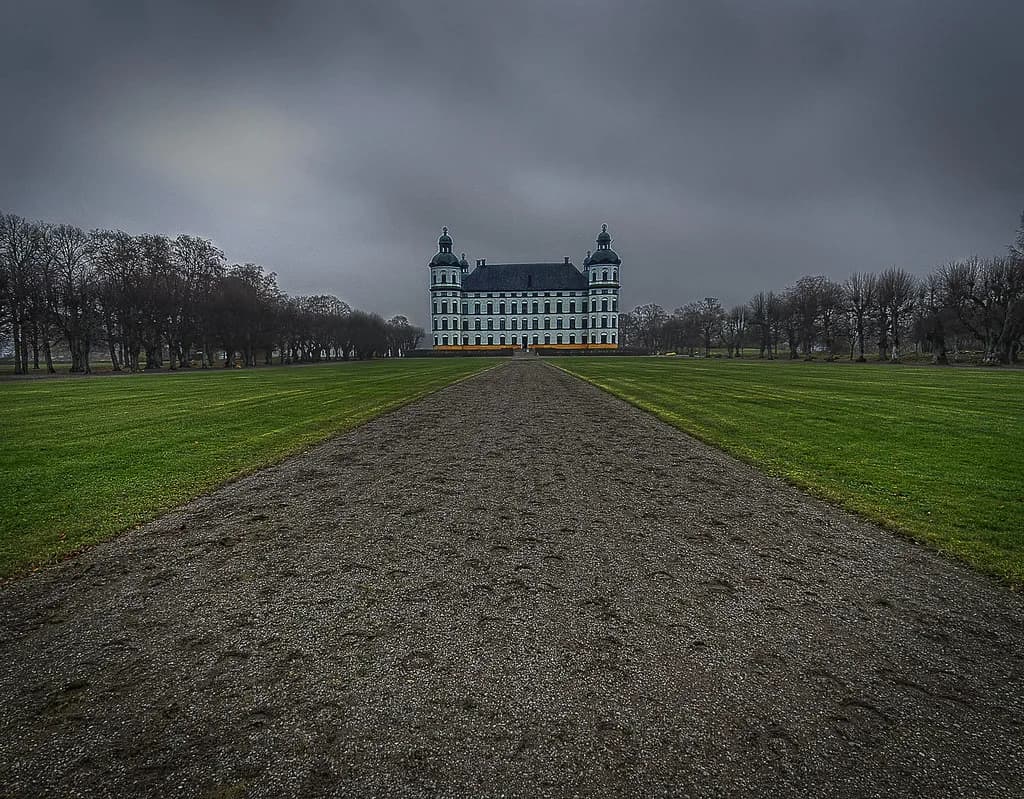
Choose the art museum over the castle rooms if your taste runs to paintings and design and you have limited patience for armoury displays; choose the castle rooms if you want the prisoner cells, the minting story and the sense of the fortress itself. Architecture-led travellers should also see Skokloster Castle, a Baroque palace on Lake Mälaren, to compare what a Swedish castle looks like when it was built to impress rather than defend.
Which side of Malmöhus to start with
Start in the castle rooms if you want the building's story, the recreated cells and the fortress architecture while you still have energy, then finish in the art galleries. If paintings are the point of the trip, reverse it and do the art museum first. Either way, leave 20 minutes for the moat walk and the windmill, which cost nothing and frame the whole visit.
Explore more Sweden guides
Frequently Asked Questions
Do I need to book Malmöhus Castle tickets in advance?
The castle has its own booking and ticketing arrangements, and the current entry rate and any concession for students or retirees should be confirmed before you travel. Prices are in Swedish kronor, so check figures in SEK before you convert.
Is Malmöhus Castle the oldest castle in Sweden?
Published accounts call it the oldest preserved castle of its kind in the Nordic region, with a first fort begun in 1434. Treat that as a historical claim from published accounts rather than a formal national record.
Sources
Notes for your next Swedish city break
Optional updates to our Sweden guides.
You might also like
Continue reading
More guides you'll find useful