Skokloster Castle: Sweden's Baroque Masterpiece by Lake Mälaren
Plan a visit to Skokloster Castle on Lake Mälaren, with the boat from Stockholm, what the entrance fee covers and which rooms justify the long day out.
On this page
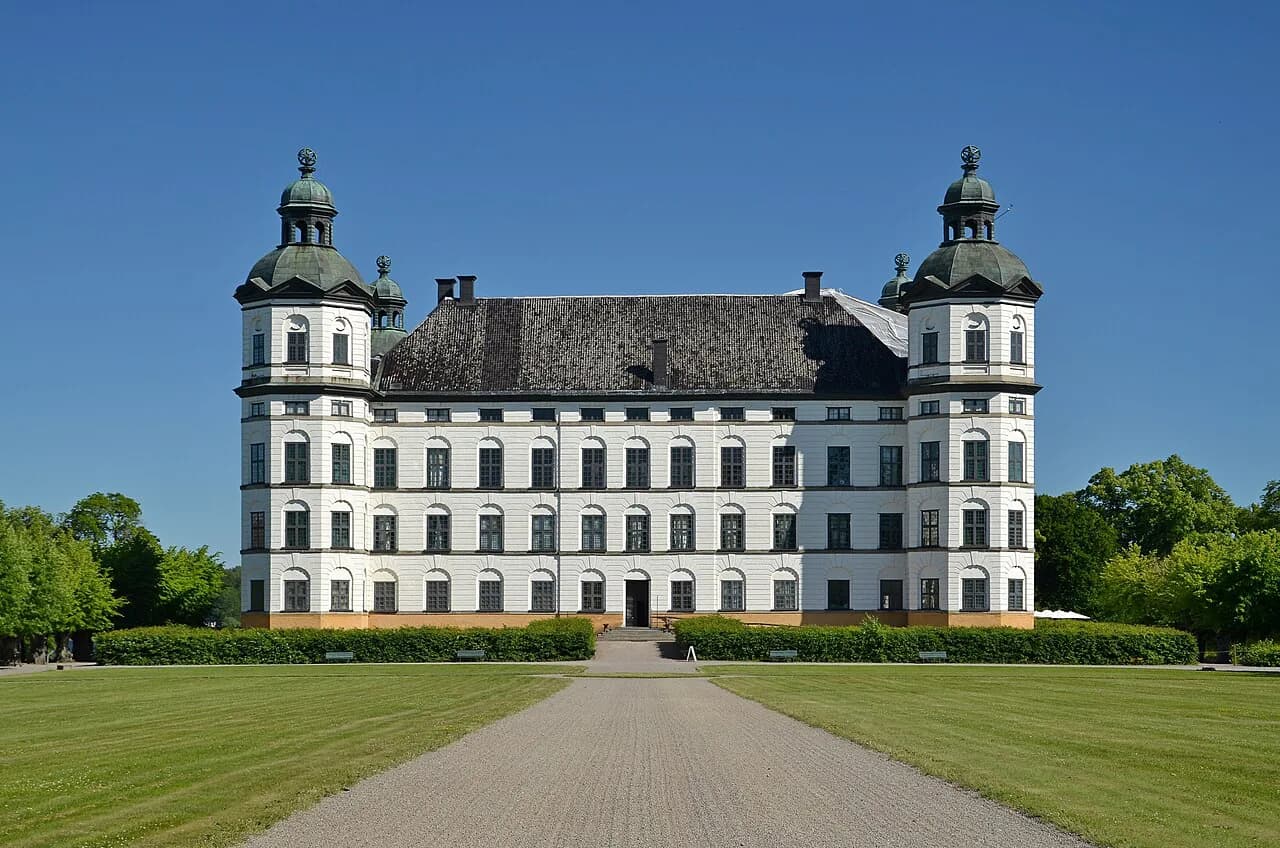
Skokloster Castle is a baroque palace on a peninsula in Lake Mälaren, roughly 60 km northwest of Stockholm, and it rewards a full day rather than a quick stop. It was built for Count Carl Gustaf Wrangel between 1654 and 1676 and was left incomplete when he died in 1676, so the interiors feel frozen rather than restored.
This guide covers the boat from Stockholm, the separate castle entrance fee, the rooms worth your time and who should choose a shorter palace trip instead. It is written for a one to four day city break, where an eight-and-a-half-hour excursion is a serious commitment.
What Skokloster Castle is and where it sits
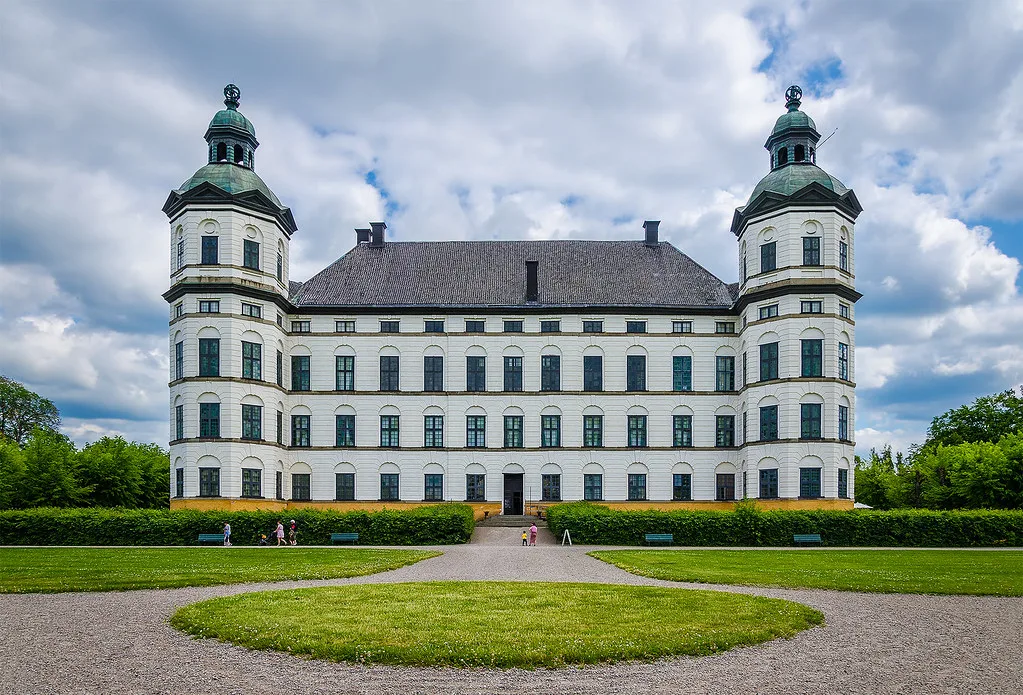
The castle stands on a peninsula of Lake Mälaren, built in the baroque style between 1654 and 1676 for the statesman and military commander Carl Gustaf Wrangel. Its architecture, intact interiors and vast collections place it among the great baroque castles of Europe, and it is often described as one of Sweden's most beautiful.
Wrangel died in 1676 and the building was never fully completed, so the banquet hall still stands unfinished and many original construction tools remain on site. Much of the rest has stayed untouched for more than 300 years, and the estate became an entailed estate in 1701, a form of ownership that prevented any part being sold or given away.
Architect Caspar Vogel designed the palace, likely drawing on Ujazdów Castle in Warsaw, and the front courtyard is deliberately plain so the grandeur sits on the floors above. That restraint is worth knowing before you arrive: the payoff is inside, not on the façade.
The boat from Stockholm: departure point, duration and tickets
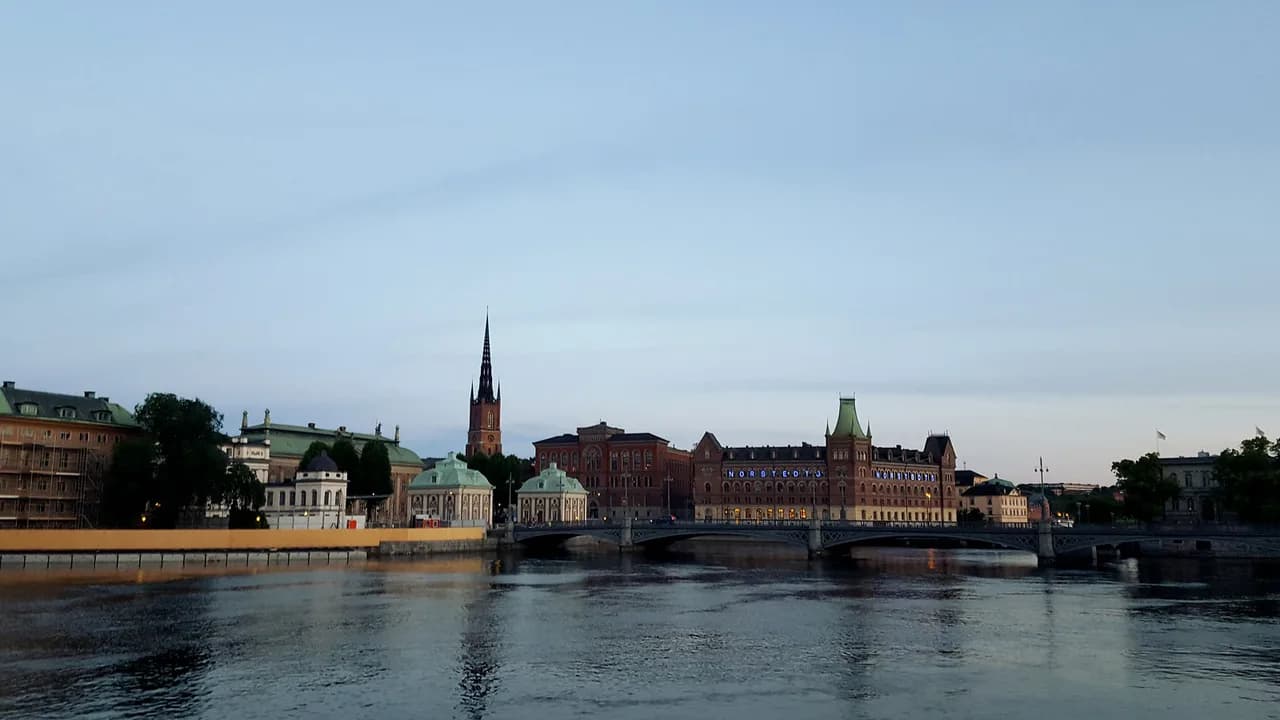
Strömma has run a live-guided boat tour to Skokloster from Klara Mälarstrand, departing at 10:00 from berth area 2, with guiding in English and Swedish. The round trip is listed as 8 h 30 min, so it consumes most of a short city break's daylight, and the boat has a café, bar and restroom on board. The operator currently lists this tour as not available, so confirm before planning around it.
The listed round-trip fare is SEK 495, with free cancellation up to 24 hours before departure when the tour runs. The boat fare covers transport only: the castle entrance fee and any guided tour inside are not included, so budget for both.
Choose a one-way trip only if you have arranged your own return by road, since the castle sits between Stockholm and Uppsala. When the boat is running, the round trip keeps things simple, and the outbound cruise through calm Mälaren waterways is part of the day rather than dead time.
Getting there independently and how the tickets fit together
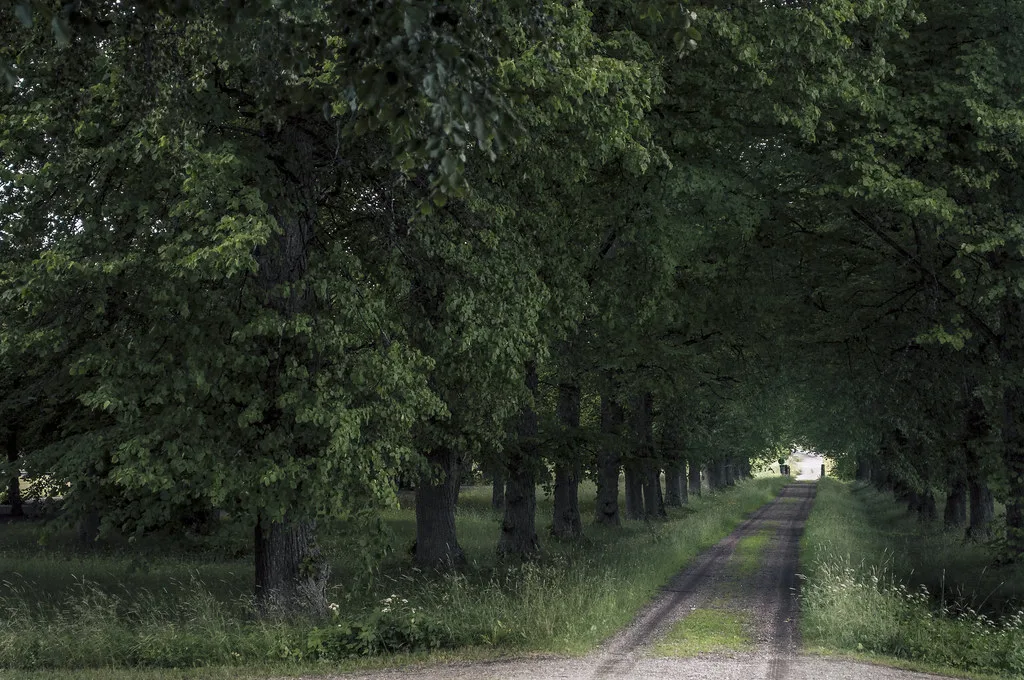
Travelling independently gives you a later start and more control over how long you spend inside, which suits anyone who wants to linger in the armoury or the park. The trade-off is that you miss the live commentary that introduces the sights along Lake Mälaren, and any fixed boat departure sets the pace for everyone on board.
Whichever route you take, treat the two costs as separate: boat ticket first, then castle admission. Buy or pre-book the castle ticket through the castle itself, because the boat operator states plainly that entrance and guided tour are not part of the fare.
If you are weighing up several palaces, our guide to Castles in Sweden sets Skokloster against the alternatives, and Gripsholm Castle makes a shorter and easier day from Stockholm if time is tight.
Inside the castle: the entrance fee and what it covers
Castle admission is SEK 140 and includes the permanent ground-floor exhibition, the Wrangel floor with the King's Hall, and the summer exhibition in the guest rooms on the second floor. Audio guide tracks for the ground and first floors work through your own phone, in Swedish and English, with a child version in Swedish only.
The same ticket lets you wander the castle park, visit the church with medieval origins and browse the handicraft shop in Stenhuset. Children get a garden area where they can water plants, do crafts and ride hobby horses, which helps on a long family day.
That combination makes the admission good value if you use the park and church as well as the interior, rather than treating the castle as a twenty-minute photo stop.
What to see: the King's Hall, Wrangel's bedchamber and the armoury
Start with the King's Hall, the most lavish room in the castle, sitting between the Count's and Countess's bedchambers and originally used as an everyday dining room before royal portraits gave it its name. Wrangel's own bedchamber carries more paintings, baroque furniture, expensive stone and moulded ceiling panels, with his monogram and coat of arms on the fireplace.
The Unfinished Hall is the room that explains the whole building: it looks essentially as it did in the summer of 1676 when the builders walked away. The armoury holds the largest collection of seventeenth-century military weapons in the world, mostly muskets and pistols but also swords, pikes and armour, much of it taken as war booty.
Look out for Wrangel's lathe workshop and the corner-tower gallery of neoclassical sculpture, both easy to miss if you follow the main flow. The collections also include seventeenth-century Delftware, with two blue and white ring-jugs made around 1665 a highlight of the ceramics.
The corridors are hung with Wrangel's personal painting collection, portraits dominating but most genres represented. Give the upper floors at least an hour if you want to read the rooms properly rather than pass through.
The castle park, church and craft shop
The park and the church with medieval origins can be visited alongside the interior, and make a natural pause between the museum and the boat, with the craft shop in Stenhuset the place for a small purchase and the children's garden something to do after the formal rooms.
On a boat day, keep an eye on the return departure time rather than the castle clock; the excursion's length is set by the operator and the schedule matters more than how much of the collection you have seen.
Who Skokloster suits and who should pick a shorter palace trip
Skokloster suits travellers with a genuine interest in seventeenth-century interiors, collections and military history who can give it a whole day. The combination of baroque rooms, an unfinished hall and a world-class armoury is hard to match elsewhere in Sweden.
If you have only two or three nights in Stockholm, the 8 h 30 min round trip plus the castle fee is a big slice of your trip. A shorter palace excursion, such as Drottningholm Palace on the city's doorstep, leaves the evening free; see our Castles in Sweden guide to compare the options.
Families should weigh the long boat day against the children's garden and the child audio guide, which soften the historical weight of the rooms. Anyone wanting a sunnier, shorter version of Swedish castle history could look to Kalmar Castle instead, though it is a different journey entirely.
Should Skokloster be your castle day?
Choose Skokloster if you can spare a full day and want the boat journey, the baroque interiors and the armoury in one hit. Book the boat, then the castle ticket separately, and build the day around the boat's departure from Klara Mälarstrand while checking it is operating.
If your itinerary is tight, keep Skokloster for a return trip and take a shorter palace excursion this time. Either way, check current boat and castle details before you travel, as both change with the season.
Explore more Sweden guides
Frequently Asked Questions
What is a Swedish castle called?
In Swedish a castle is a slott, and the word appears in names such as Skokloster and Kalmar Slott. Larger royal residences are often called slott too, so expect the term to cover both fortresses and palaces.
What is the biggest castle in Sweden?
Size claims vary by measure, and Skokloster is described as the largest private palace built in Sweden and one of the great baroque castles of Europe. That private-palace size claim is the operator's description; compare individual sites before you plan a day around one.
Can I visit Skokloster Castle without the boat tour?
Yes. The boat fare and castle admission are separate, so the castle can be reached independently and the SEK 140 entrance fee paid on arrival or in advance. Independent travel gives you a later start and more time inside, but you lose the live commentary on the water.
How long does the Skokloster boat trip take?
The round trip from Stockholm is listed as 8 h 30 min, departing at 10:00 from Klara Mälarstrand, when the tour is running. That covers the cruise through Lake Mälaren and time at the castle, so treat it as a full day rather than a half-day outing; the operator currently lists it as not available.
Sources
Notes for your next Swedish city break
Optional updates to our Sweden guides.
You might also like
Continue reading
More guides you'll find useful