Sweden in Summer: Where to Go and What the Season Is Like
Plan a Swedish city break in summer: long daylight hours, which cities suit a short trip, and how to fill one to four days in Stockholm, Gothenburg and Visby.
On this page
Sweden in summer gives you more usable daylight than almost anywhere in Europe, so a one-to-four-day city break can stretch well into the evening without feeling rushed. The catch is that you should choose your city by how you want to spend those hours: Stockholm for islands and water crossings, Gothenburg for parks and a west-coast feel, Malmö for a compact waterfront break, Visby for medieval streets inside a wall. This guide sets out the city-by-city choice, how the season behaves, and how to shift indoor sights into wet afternoons.
Why summer changes the shape of a Swedish city break
Long evenings are the practical reason summer works so well for short trips. You can pair a museum morning with an outdoor afternoon and still have daylight left for a waterfront walk after an early dinner, which effectively adds a session to each day. Build the day around two fixed anchors rather than a tight schedule, and let the extra light absorb the slack.
Use the light deliberately. Put the sights that close in the late afternoon first, then keep the island ferries, squares and viewpoints for the long tail of the day when the streets thin out. In Stockholm that pattern matters most, because crossing water is part of moving between neighbourhoods rather than a separate excursion.
Typical summer conditions to plan around
Treat summer weather as a pattern, not a promise. Stockholm in summer regularly brings showery days, so a wet afternoon is normal rather than a ruined trip, and the sensible response is a flexible indoor option held in reserve. Palaces and museums make good wet-weather swaps, and a guided tour inside a royal palace fills a rainy stretch neatly.
What is the prettiest place in Sweden for a summer city break? Visby is the most atmospheric choice, with its medieval walls, cobbled byways and rose-filled gardens making the town itself the attraction. Stockholm is the most striking for water and architecture, because its 14 islands mean you cross the water as you move between neighbourhoods.
Can you wear jeans in Sweden in summer? Yes. Swedish summer days are comfortable in jeans for city walking, and a light waterproof layer matters more than heavy clothing.
How long is summer in Sweden? The summer holiday season covers June, July and August. Early summer is calmer in places like Visby, while the middle weeks are the busiest and have the longest evenings.
What you cannot do is rely on a forecast more than a few days out, so plan for variability and pack for a shower even on a bright morning. If you are choosing dates, compare the month-by-month picture for Sweden in June and Sweden in July before you book, since early and high summer feel different in crowds as well as light.
How long summer lasts and which months fall inside it
The Swedish summer holiday season runs through June, July and August. That is also when the country's travel trade expects visitors, so the three months are the safe window for planning a city break built on outdoor time. A trip in late August still counts as summer but sits closer to the autumn feel, which some travellers prefer for quieter streets.
If your dates have any flex, the calmer end of the season is often early summer, before the busiest weeks. Visby is a clear example: the medieval town is at its best in the summer months, but a stay early in summer is the more relaxing option. That is a general seasonal pattern rather than a guarantee for any given week.
Stockholm in summer: Gamla Stan, Djurgården and Södermalm
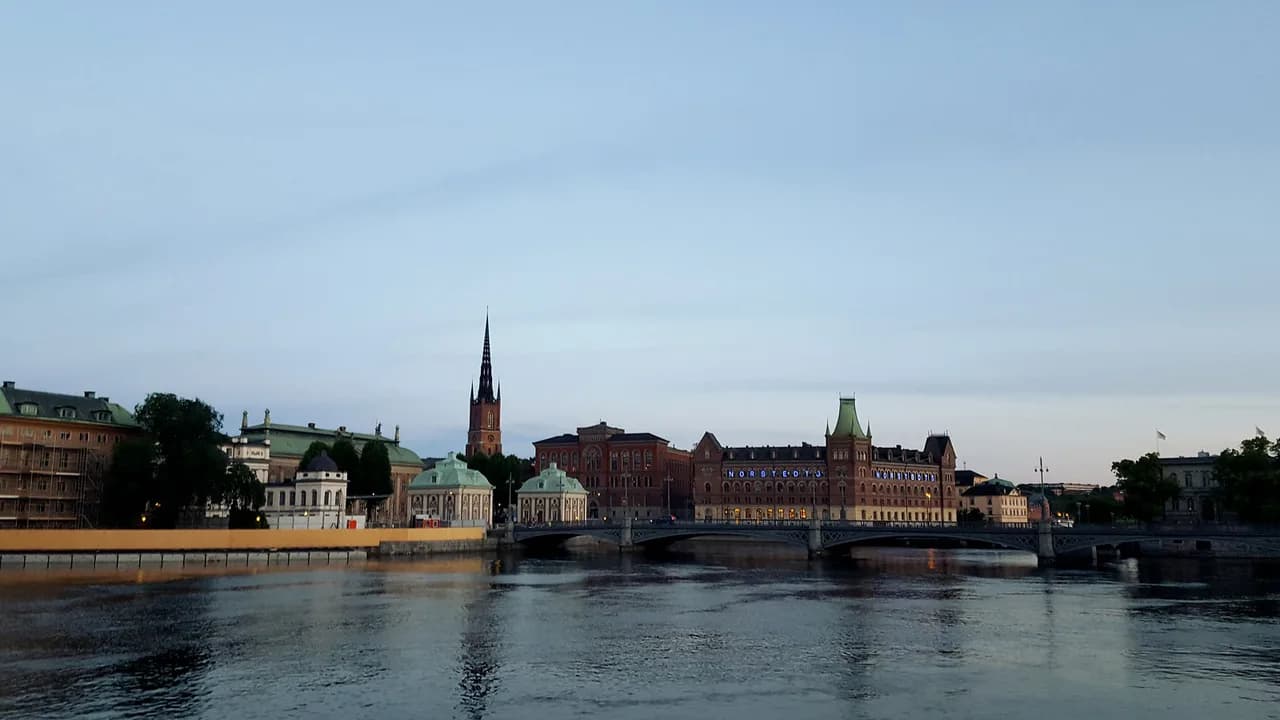
Stockholm rewards a two-to-three-day stay because the city is a collection of 14 islands, and water crossings are simply part of how you get around. Plan a walking loop through Gamla Stan's alleys and courtyards, then use ferries to reach Djurgården and the greener islands. Keeping the first day on foot in the centre gives you the layout early, and the ferry legs then make sense as a second-day route.
Södermalm earns its own half-day. Cobbled streets and tall buildings make it rewarding in light rain as well as sun, and the neighbourhood holds the sort of cake-and-coffee houses that suit a fika stop; Chokladkoppen is one such spot in the old town. Stockholm's metro is described as the world's longest art exhibit, with 14 stations filled floor to ceiling with art, which makes a rainy hour underground a legitimate sight in itself.
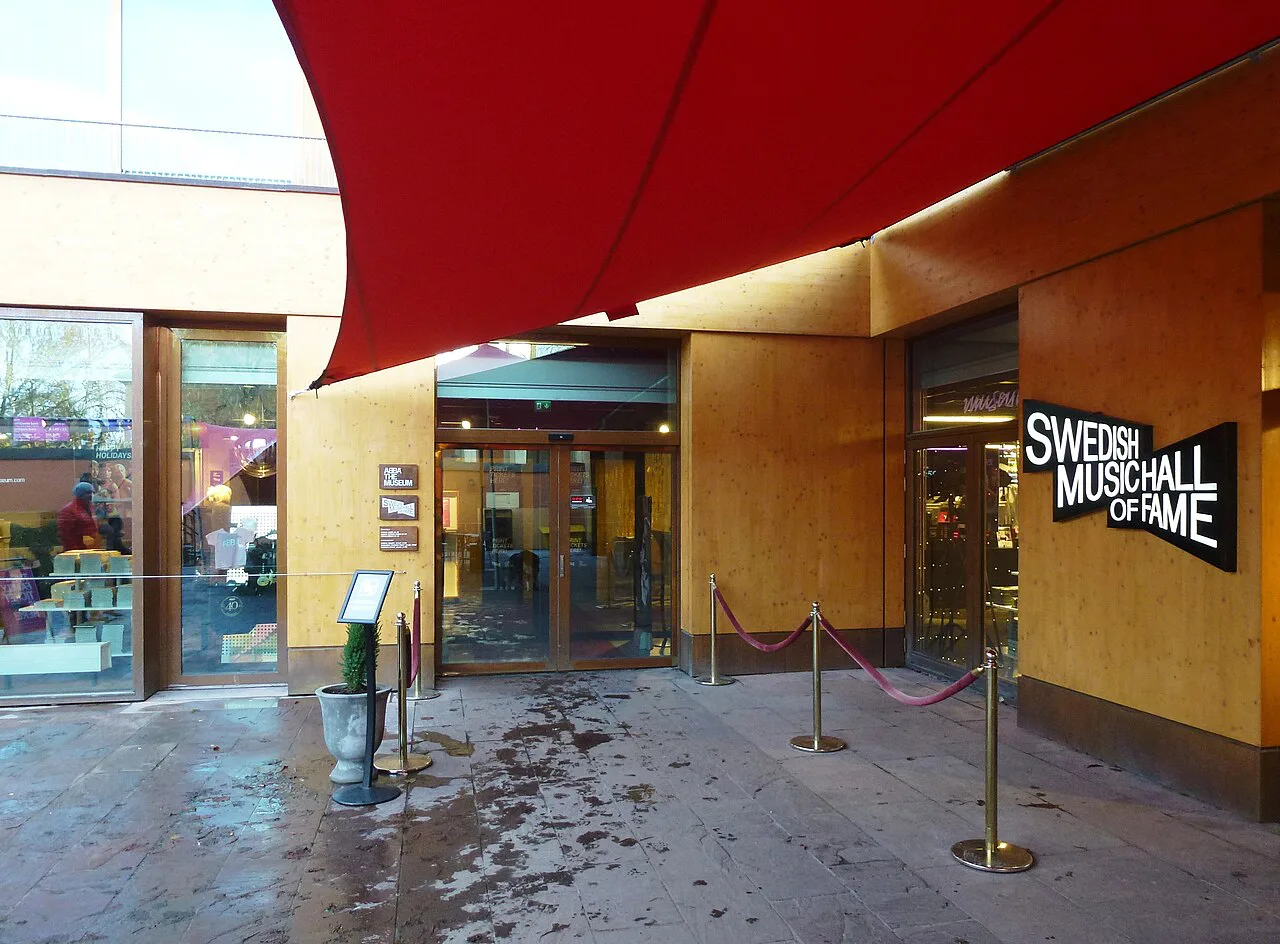
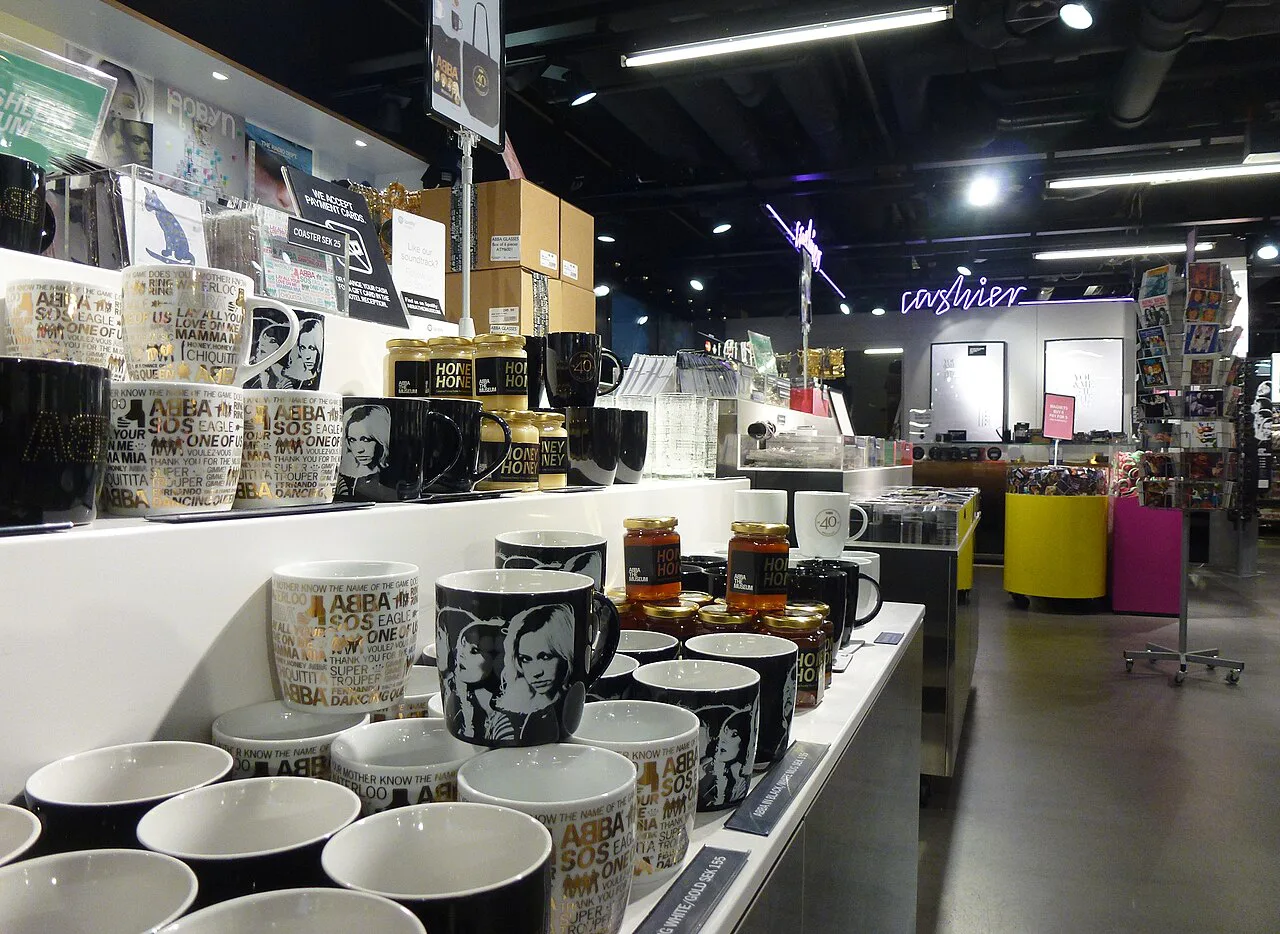
If you want one indoor anchor, the ABBA Museum is a popular Djurgården attraction with music throughout and an immersive digital experience, and booking ahead is the practical move because it gets busy from opening. Pair it with the island's outdoor space so a single ferry crossing covers both. Arriving on the Arlanda Express puts you in the centre quickly on day one, which leaves the afternoon free.
Gothenburg in summer: Haga, Slottsskogen and the west-coast feel
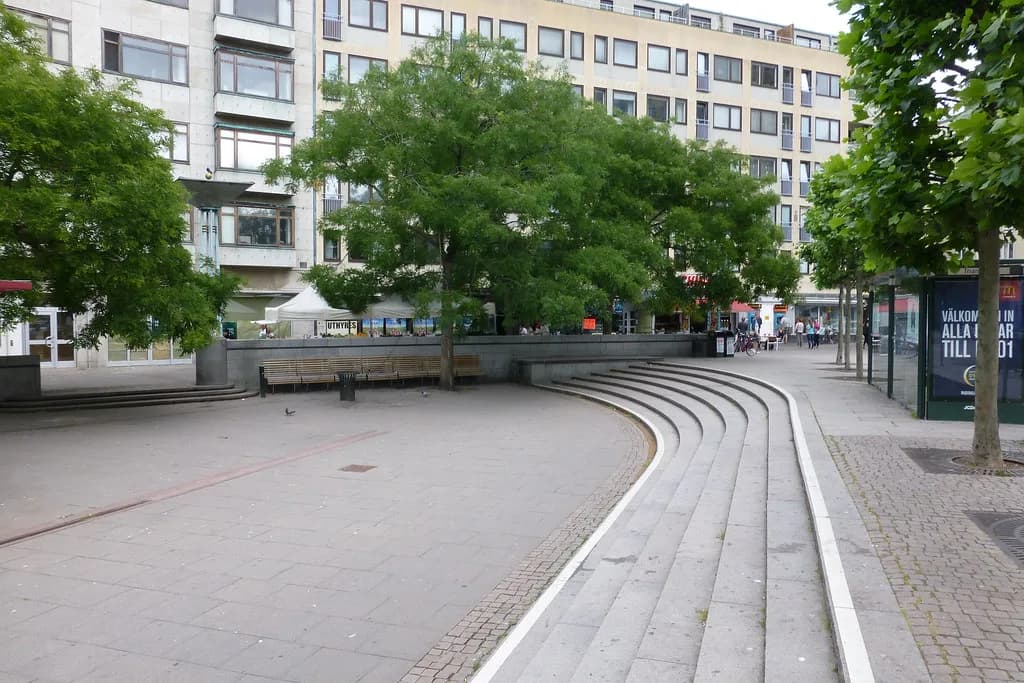
Gothenburg suits travellers who want a city break with room to breathe. Haga's low wooden houses and cafés give you a gentle morning, and Slottsskogen's parkland is the natural afternoon counterpart when the weather holds. Two days covers this comfortably, with a third reserved for whatever the forecast allows.
The city's west-coast position shapes how summer feels here: expect a breezier, more changeable day than inland, which makes layering more useful than a single heavy jacket. Keep one indoor attraction in reserve and treat the park and the neighbourhood streets as the flexible half of the plan. For travellers arriving from the UK, Gothenburg is the shortest hop of the main Swedish cities and works well for a two-day break.
Malmö in summer: Västra Hamnen and Lilla Torg
Malmö is the best pick for a very short trip. Västra Hamnen gives you a modern waterfront to walk, and Lilla Torg provides the old-town square for a coffee or fika pause within easy reach of the centre. One full day plus an evening covers the core, so it fits a long weekend without squeezing.
The trade-off is scale. Malmö is compact and calm, so it suits a first taste of Sweden or a stop before crossing to Copenhagen, but it will not fill four days for most visitors. Combine it with Lund if you want a second, quieter base rather than adding another large city.
Visby in summer: walls, roses and sea air
Visby is the most atmospheric of the summer options and the one where the season matters most. The town is a UNESCO World Heritage city whose medieval walls, byways and rose-and-sea air make wandering the main event, and Gotland's light draws the crowds accordingly. Two days inside the walls is enough for a first visit, and if your dates fall near Midsummer in Sweden, the walled town fills quickly.
If you want the medieval core without the peak-season crush, aim for early summer, when Visby is described as blooming but calmer. The price you pay is a slightly less reliable chance of warm, still days. Within the walls, Sankt Hans Café sits in a garden by the city walls for a coffee or lunch stop, and Krönet serves medieval-inspired dishes with views over the city and sea towards sunset.
Visby also works as an eat-and-walk town rather than a tick-list one. Leva Kungslador, a stone-oven bakery and farm shop a short trip outside town, is a reasonable half-day add-on if you have a bike or car, and Tofta Strand to the south covers the swimming urge that the city walls do not. Keep those as single mentions and let the walled town stay the centre of the trip.
Uppsala and Lund as quieter summer city stops
If you want one city per trip but less bustle, Uppsala and Lund do the job. Both are university cities with cathedral and old-town cores, and both suit a single unhurried day or an overnight. They also pair naturally with Stockholm and Malmö respectively, which makes them useful bases for a slower two-centre break.
The honest trade-off is that neither has the waterfront drama of Stockholm or the walled town of Visby, so they work better as complements than as a whole trip. If your priority is a first visit to Sweden, put Uppsala or Lund in the second half of the itinerary rather than the first.
Choosing one city or two for a one-to-four-day trip
Keep it to one city for anything up to three days. Adding a second city costs at least half a day in transfers and leaves you seeing both places at a superficial pace; Stockholm alone can absorb four days once you count the islands and a wet afternoon. If you have four days and want two centres, pair Stockholm with Uppsala or Malmö with Lund, where the journeys are short.
Decide the split by weather risk as well as travel time. Cities with strong indoor options carry a wet day better, and Stockholm's palaces and museums give you that buffer. Visby, by contrast, is an outdoor town at heart, so budget extra time rather than extra sights.
Rainy-day museums, palaces and indoor sights
A shower does not have to break the plan if you have already chosen the swap. Royal palaces are a good fit for a wet afternoon, and a guided tour inside one gives you both shelter and context; Stockholm's palace interiors are described as increasingly ornate room by room. Book the indoor option for the day with the least reliable forecast rather than gambling.
Museums work the same way. A music museum on Djurgården or a metro art tour suits a wet hour, and both are indoor by nature, so no view is wasted. The trick is to hold one indoor card unused each day rather than scheduling every hour in advance.
Fika and Midsummer as summer pauses
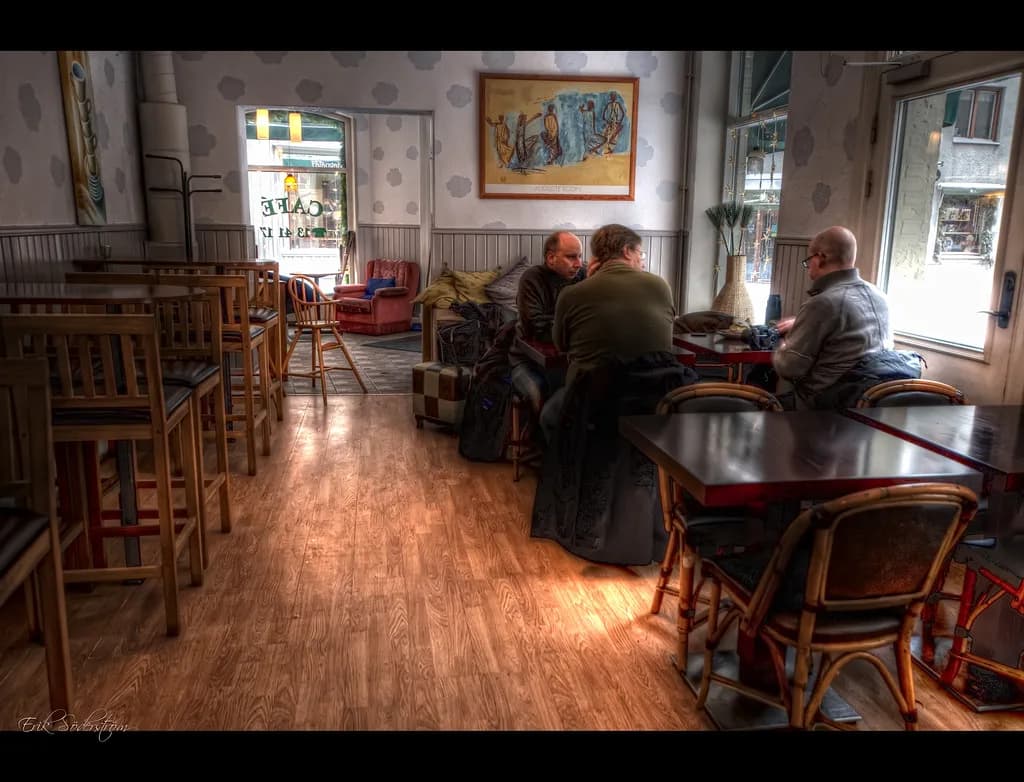
Fika is the Swedish habit of coffee and something sweet taken as a proper pause, and in summer it becomes the natural way to break a long walking day. Sit indoors in a café during a shower, then take the next coffee outside in the shade when the sun returns. One cinnamon swirl is enough to understand why the custom survives.
Sensible timing matters more than venue choice. Aim for mid-afternoon, when you have been on your feet for a few hours, and use the stop to plan the evening stretch rather than losing an hour to indecision elsewhere. Visby's Gute-style ice cream is the alternative summer stop when you want something cold instead of coffee.
Pride and city events to plan around
Stockholm Pride is a large summer fixture that can reshape a trip's logistics. It is described as the biggest event in the city's calendar, with an estimated 600,000 attendees annually, so if your dates coincide with it, expect the parade route and surrounding streets to be busy. Staying near the route is the practical choice if you want to join in.
For most travellers the right approach is to check event dates before booking and plan around them, rather than assuming a city will be quiet or busy in a given week. Outside the event, ordinary summer weekends are the main variable, and the long evenings absorb a crowd far better than a short winter day would.
Which Swedish city should you book for summer?
For a first trip with three or four days, book Stockholm and use the ferries to spread yourself across the islands. For a shorter break, choose Malmö for the waterfront and a compact centre, and pick Visby if atmosphere matters more than convenience. Gothenburg sits between the two: a two-day city with parks, a west-coast breeze and room to slow down.
Whichever you choose, put the indoor sights first in the plan and the outdoor hours second, so a shower costs you a view rather than a day. Then decide your dates by month rather than by forecast. For the practical details, see the best time to visit Sweden.
Explore more Sweden guides
Frequently Asked Questions
What is the prettiest place in Sweden for a summer city break?
Visby is the most atmospheric choice, with its medieval walls, cobbled byways and rose-filled gardens making the town itself the attraction. Stockholm is the most striking for water and architecture, because its 14 islands mean you cross the water as you move between neighbourhoods.
Can you wear jeans in Sweden in summer?
Yes. Swedish summer days are comfortable in jeans for city walking, and a light waterproof layer matters more than heavy clothing. Showers are common enough that a compact rain jacket earns its place in a day bag.
How long is summer in Sweden?
The summer holiday season covers June, July and August. Early summer is calmer in places like Visby, while the middle weeks are the busiest and have the longest evenings.
Sources
Notes for your next Swedish city break
Optional updates to our Sweden guides.
You might also like
Continue reading
More guides you'll find useful