
Swedish Design for Travellers: What It Is and Where to See It
Swedish design in plain terms: lagom, folkhemmet and honest materials, plus what to notice in Stockholm and Gothenburg on a short break.
On this page
Swedish design means furniture and objects built to be useful first: plain forms, wood and other honest materials, and decoration kept to what the object actually is. Two ideas make it click for a visitor — lagom, roughly 'just right', and folkhemmet, the people's home — and both shaped what Swedish manufacturers put in ordinary houses. This guide explains those ideas, untangles Swedish design from the broader Scandinavian label, and sets out what to look at and buy on a short city break.
Stockholm and Gothenburg both carry the story in their buildings and showrooms, and a single afternoon is enough to see the difference between a well-made piece and a merely stylish one. The practical aim is to help you spend museum time sensibly across a one- to four-day trip and to shop with fewer regrets.
What Swedish design means: lagom, clean lines and functionality
Lagom is the word Swedes reach for when something is the right amount — not minimal for its own sake, not extravagant, simply sufficient. Applied to objects, it produces clean lines and a strong emphasis on function rather than ornament, which is why a plain wooden chair can read as typically Swedish while a heavily carved one does not. Think of it as a test you can apply in any showroom: does the form explain the use?
Hygge, the Danish word for cosy contentment, popularised a version of Nordic living in the 2010s, and IKEA did much to spread the wider Scandinavian look. Those are useful entry points but loose ones: they describe a mood, not a manufacturing tradition. Swedish design is more specific, tied to how housing, light and honest construction were promoted in the twentieth century.
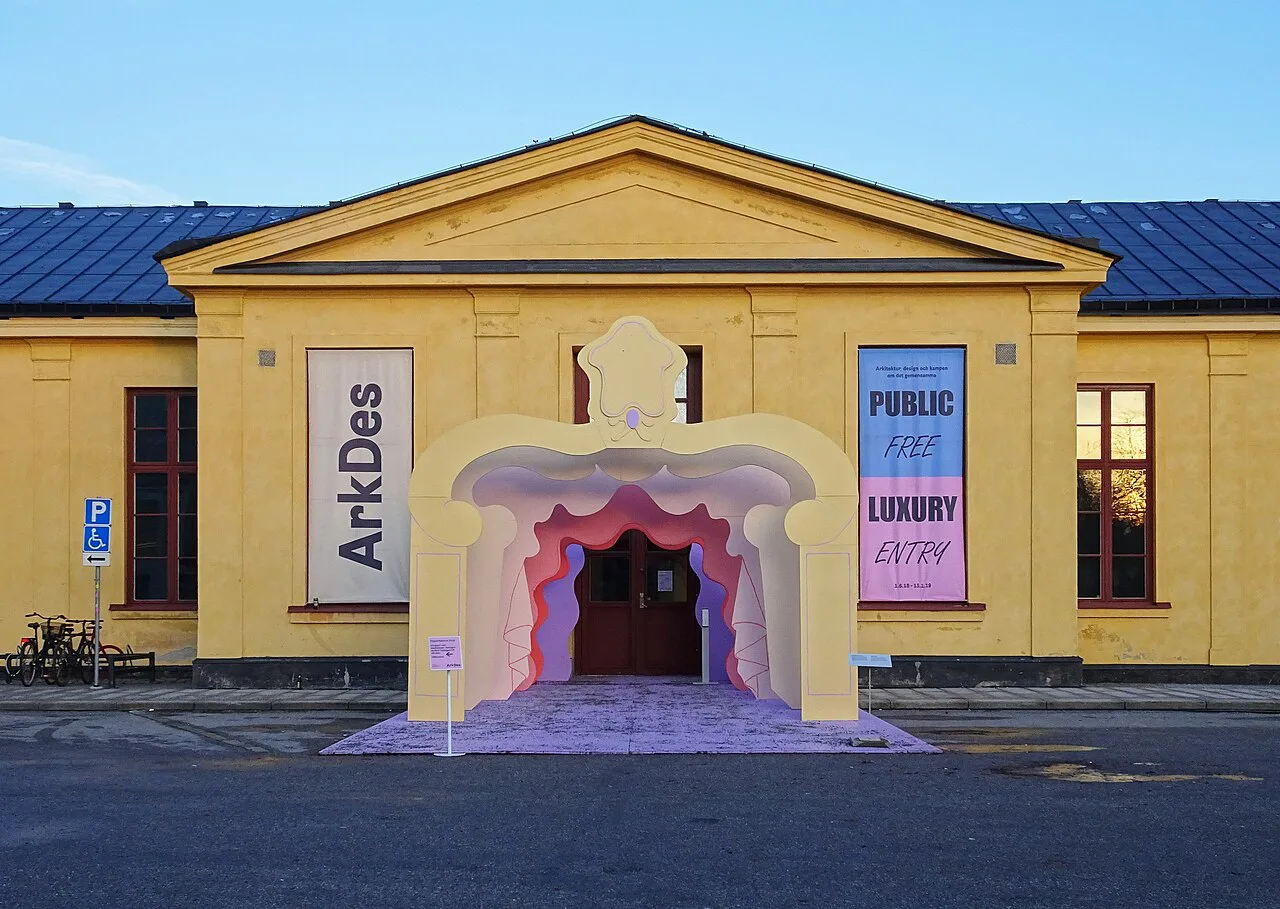
Folkhemmet and the 1932 roots: why good housing shaped the aesthetic
The aesthetic has a political origin. With the Social Democratic Party coming to power in 1932 came folkhemmet, the idea of society as a family in which everyone contributes and is looked after, and good housing sat at the centre of it. When the state builds homes for newly urbanised families, the furniture that fills them has to be affordable, practical and easy to live with — precisely the qualities Swedish design became known for.
What is meant by Swedish design? Plain, functional objects made from honest materials, with decoration kept to what the object is and does. The two ideas behind it are lagom, roughly 'just right', and folkhemmet, the people's home, which tied good design to good housing for everyone.
Where can I see Swedish design in Stockholm? The Nationalmuseum is the obvious collection to visit, alongside the city's own housing and central streets, which show the folkhemmet ideals in built form. Check the museum's own site for its opening days before you plan around it.
What is the traditional Swedish art style? Swedish craft traditions include painted wooden figures such as the Dala horse, and interiors favour simple forms, pale colours, natural wood and layered lamplight rather than heavy ornament. These folk traditions sit alongside the twentieth-century functional style rather than replacing it.
Organised advice followed. Svenska Slöjdföreningen, later Svensk Form, set out to teach people how to furnish and decorate their homes, and in the 1940s the state offered newlyweds a low-interest loan for furniture and home supplies along with a brochure on how to spend it. The guidance was to avoid buying everything at once and to skip heavy, ornamental pieces. That is history rather than current policy, but it explains why restraint reads as good manners in Swedish interiors.
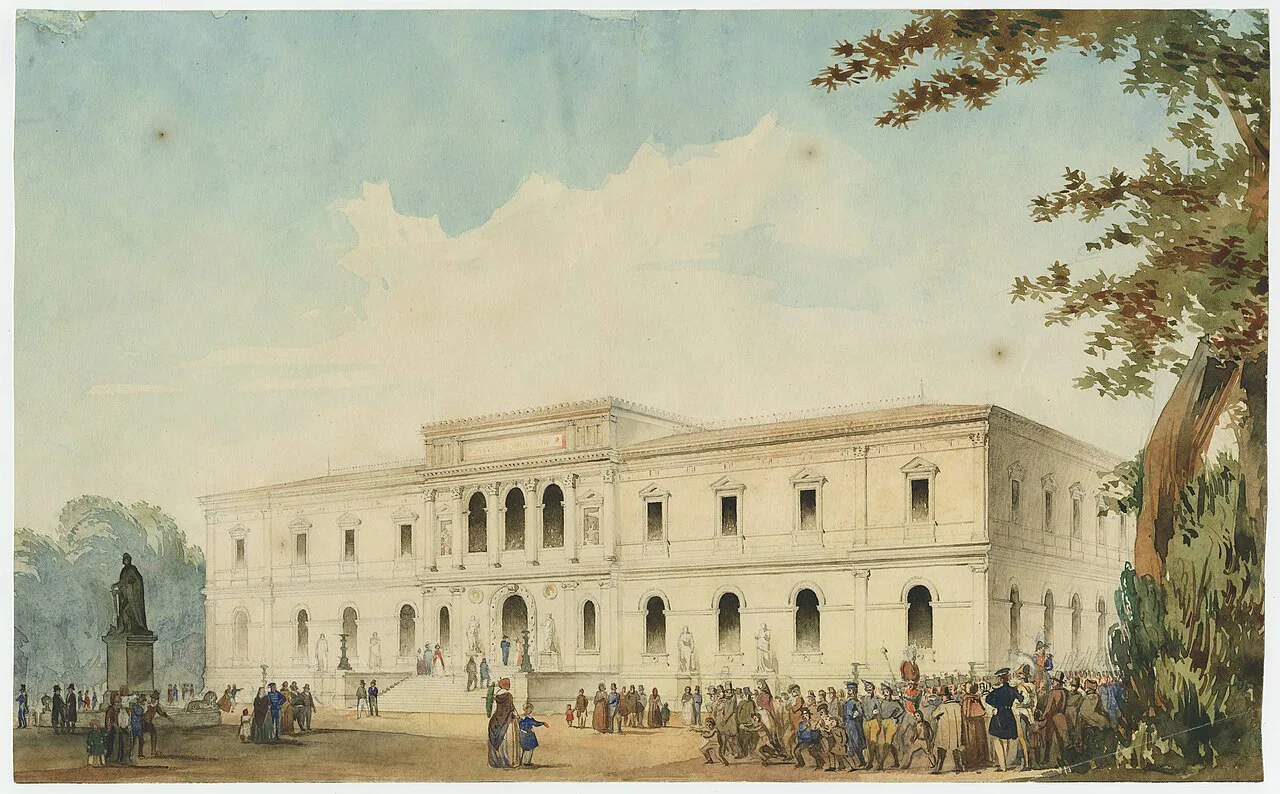
Honesty in materials: no fake linoleum, no superfluous decoration
The strongest idea to carry into a shop is honesty of materials: a linoleum floor should not pretend to be stone, and decoration that serves no purpose was frowned upon. In Sweden this was tied to a wider sense of morality — not pretending to be something you are not. Look at edges, joints and surfaces: a piece that shows what it is made of sits squarely in the tradition.
For a visitor this is the most useful filter when buying. Skip veneered pieces that imitate rare timber, and skip anything whose ornament cannot be explained by how it was made or used. A simple wooden object with a visible joint will date better and travel home better than a busy one.
Light and natural textures: how dark winters shaped Swedish interiors
Long, dark Nordic winters pushed interiors towards brightness and comfort: simple forms, pale colours and as much natural light as a room can take. Large windows are common and curtains are often left off, and lighting is arranged as several small pools of light from different lamps rather than one central fixture. That layered approach is why a Swedish room can look calm and still feel warm.
Natural materials do the rest of the work, with wood especially carrying the look, and the same instinct runs through craft traditions such as the painted wooden Dala horse. Functionality led and minimalism followed, rather than the other way round — which is why practical objects here rarely feel austere.
How Swedish design differs from Scandinavian design as a whole
Scandinavian design usually covers Norway, Sweden and Denmark together, with Finland and Iceland often folded in as Nordic neighbours sharing a climate and similar attitudes. The shared traits are minimalism, functionality and natural materials, and the style is generally traced to mid-century modernism after the Second World War, when rural woodworking skills met progressive modern ideas in fast-growing cities.
Danish functionalism, with figures such as Poul Henningsen and Vilhelm Lauritzen, gave the wider region its form-follows-function language. Sweden's own contribution is the social dimension described above: design as housing policy and public education rather than only as a style. That is why Swedish design writing keeps returning to folkhemmet while general Scandinavian guides rarely mention it.
For a traveller the distinction is practical rather than academic. If you admire a Danish chair by Ole Wanscher, you are looking at superb craftsmanship in rosewood and shearling; if you admire a plain Swedish cabinet, you are usually looking at an argument about how ordinary homes should be furnished. Both are worth your time, but they answer different questions.
Where to see Swedish design on a Stockholm city break
Stockholm is where the story was argued out, so treat the city itself as the first exhibit: the housing built for the newly urban masses and the clean, efficient, easy-on-the-eye ideals behind it. Walk central neighbourhoods and look at façades, stairwells and window shapes rather than only at displays. The city's design reputation is bound up with that building programme and the education campaign around it.
For a collection-based visit, the Nationalmuseum in Stockholm is the obvious anchor, and a curator there is among those quoted on the honesty principle described above. Give it a half day if design is your main reason for the trip and a couple of hours if it is one interest among several. Check the museum's own site for opening days and ticket terms before you fix a day.
If your break is short, do the city walk first and let it decide whether you want more. Architecture and interiors reward looking up and slowing down, and a single well-chosen room can teach you more than a rushed circuit of galleries. Pair the design stop with a proper coffee break, since the daily ritual of fika is part of the same culture of doing a few things properly — Fika: The Swedish Coffee Break Explained for Visitors covers what to order and how long to sit.
Where to see Swedish design on a Gothenburg city break
Gothenburg gives you a smaller stage for the same filters. Look for honest materials and plain forms in the shops and buildings you pass, and treat the streets themselves as the exhibit rather than expecting a single design district. Set aside a morning to wander.
The same filters apply as in Stockholm: look for honest materials and plain forms, and be sceptical of pieces that imitate something they are not. Gothenburg's smaller scale means less choice but often more conversation with the people selling. If you are travelling with someone who is not a design enthusiast, a half day here is a fair compromise before you move on.
Buying Swedish design: what to look for and what to skip
Buy one thing you will actually use rather than five souvenirs. A plain wooden bowl, a well-made lamp or a simple textile carries the tradition further than an ornamental piece, and it will survive the trip home more easily. Ask what the object is made of and how it is joined; the answers tell you whether you are looking at the real thing.
Skip anything romanticising the countryside that is not backed by how it was made, and skip heavy purchases you cannot carry on a short break. Shipping is usually the hidden cost of furniture bought abroad, so price the object as delivered, not as tagged. Budget in Swedish kronor and expect to pay by card or mobile, as you would across most of Sweden.
Small edible gifts sit nicely alongside design purchases, and Swedish Cinnamon Buns travel better as a recipe than as luggage. If you want something edible to bring back, buy it near the end of the trip and check the packaging for how long it keeps.
How much time to give design museums in a one- to four-day trip
On a one-day stop, give design a couple of hours at most: one museum or one neighbourhood, not both. On two days, a museum morning plus an afternoon of walking the city is a comfortable pace. With three or four days, you can add a second city and compare, or return to an exhibition you rushed.
Bookend museum time with walking, because the strongest design impressions come from ordinary streets and homes rather than glass cases. If you are travelling in summer, note that Swedish traditions move outdoors and shop hours can shift, so build flexibility into the plan rather than fixing every hour.
Should you build your city break around design?
Build the trip around design only if you enjoy looking closely and slowly. Swedish design rewards attention to joints, materials and light rather than checklist sightseeing, so a museum plus a long walk beats three rushed venues. If design is a secondary interest, one morning in Stockholm or Gothenburg is enough and the rest of your days are better spent on the cities themselves.
Either way, buy less and choose better. A single honest object will remind you of the trip more than a bag of imitations, and the principles you have read here — lagom, honest materials, layered light — are the same ones worth applying at home.
Frequently Asked Questions
What is meant by Swedish design?
Plain, functional objects made from honest materials, with decoration kept to what the object is and does. The two ideas behind it are lagom, roughly 'just right', and folkhemmet, the people's home, which tied good design to good housing for everyone.
Where can I see Swedish design in Stockholm?
The Nationalmuseum is the obvious collection to visit, alongside the city's own housing and central streets, which show the folkhemmet ideals in built form. Check the museum's own site for its opening days before you plan around it.
What is the traditional Swedish art style?
Swedish craft traditions include painted wooden figures such as the Dala horse, and interiors favour simple forms, pale colours, natural wood and layered lamplight rather than heavy ornament. These folk traditions sit alongside the twentieth-century functional style rather than replacing it.
Sources
Notes for your next Swedish city break
Optional updates to our Sweden guides.
You might also like

Continue reading
More guides you'll find useful