Trains in Sweden: How to Book, Plan Routes and Travel by Rail
Sweden's rail network links Stockholm, Gothenburg, Malmö, Uppsala, Lund and Visby with fast intercity services. Here is how booking, routes and timetables work.
On this page
Sweden's trains do the job that matters most on a short city break: they move you between Stockholm, Gothenburg, Malmö, Uppsala and Lund without a car, and they run on a domestic network Visit Sweden describes as among the most environmentally friendly in the world. What the network does not do is reach Visby, which sits on Gotland across the Baltic. This guide separates the intercity services you will actually use from the leisure-focused Inlandsbanan, then shows how to book and how to slot a rail leg into a one to four day trip.
What Sweden's rail network covers for a city break
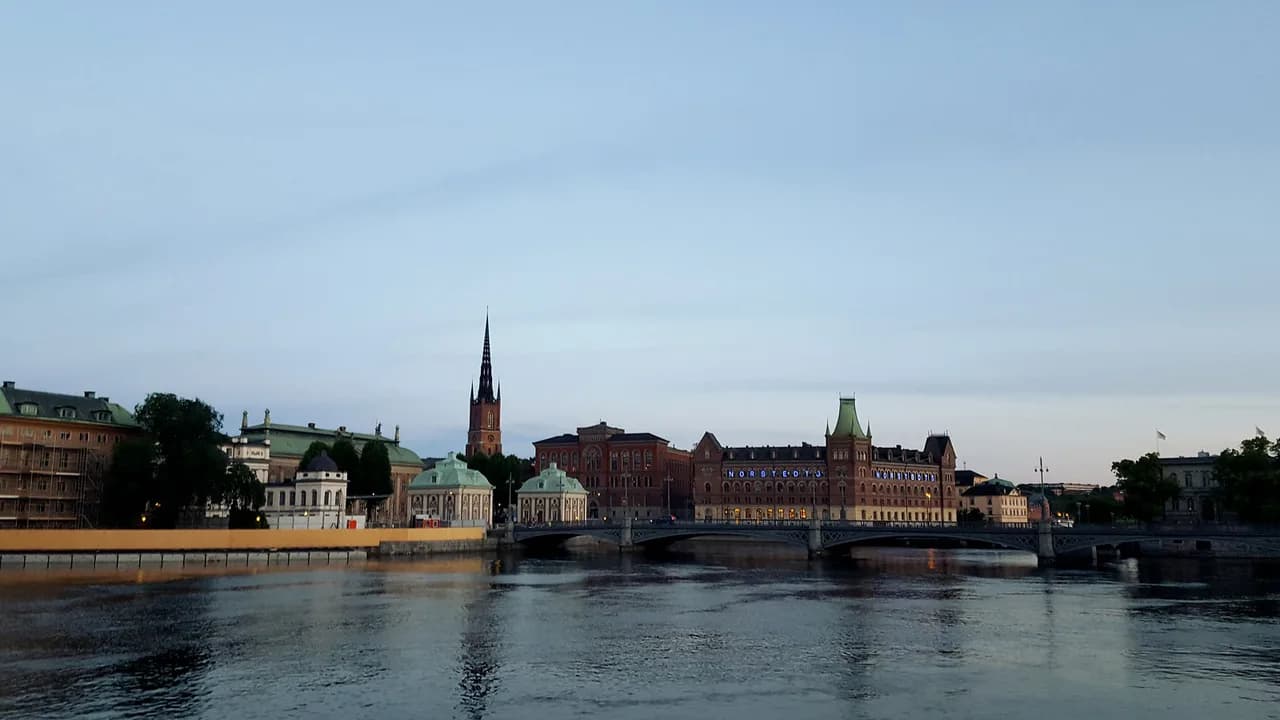
For a city break, the railway is a chain of connected urban stops rather than a scenic tour. Stockholm, Gothenburg, Malmö, Uppsala and Lund all sit on the domestic network, so you can treat them as a sequence and ride between them instead of re-booking flights or hiring a car. Visit Sweden frames the system as long-distance routes linking major cities plus local lines, which is exactly how most short trips use it.
The practical consequence is that you can build a trip around two bases and a single rail transfer, then walk or use local transport at each end. That is the logic behind our suggested Sweden itinerary, which treats the country as a set of city stops rather than one destination. Pick your cities first, then let the train solve the middle of the trip.
One gap catches people out: Visby and Gotland are not on the rail map. A Baltic island city cannot be reached by train, so a Gotland leg means a ferry or a flight, and the rail planning stops at the mainland. If Visby is on your list, plan it as a separate island hop rather than a station on the loop.
The main operators and what they run
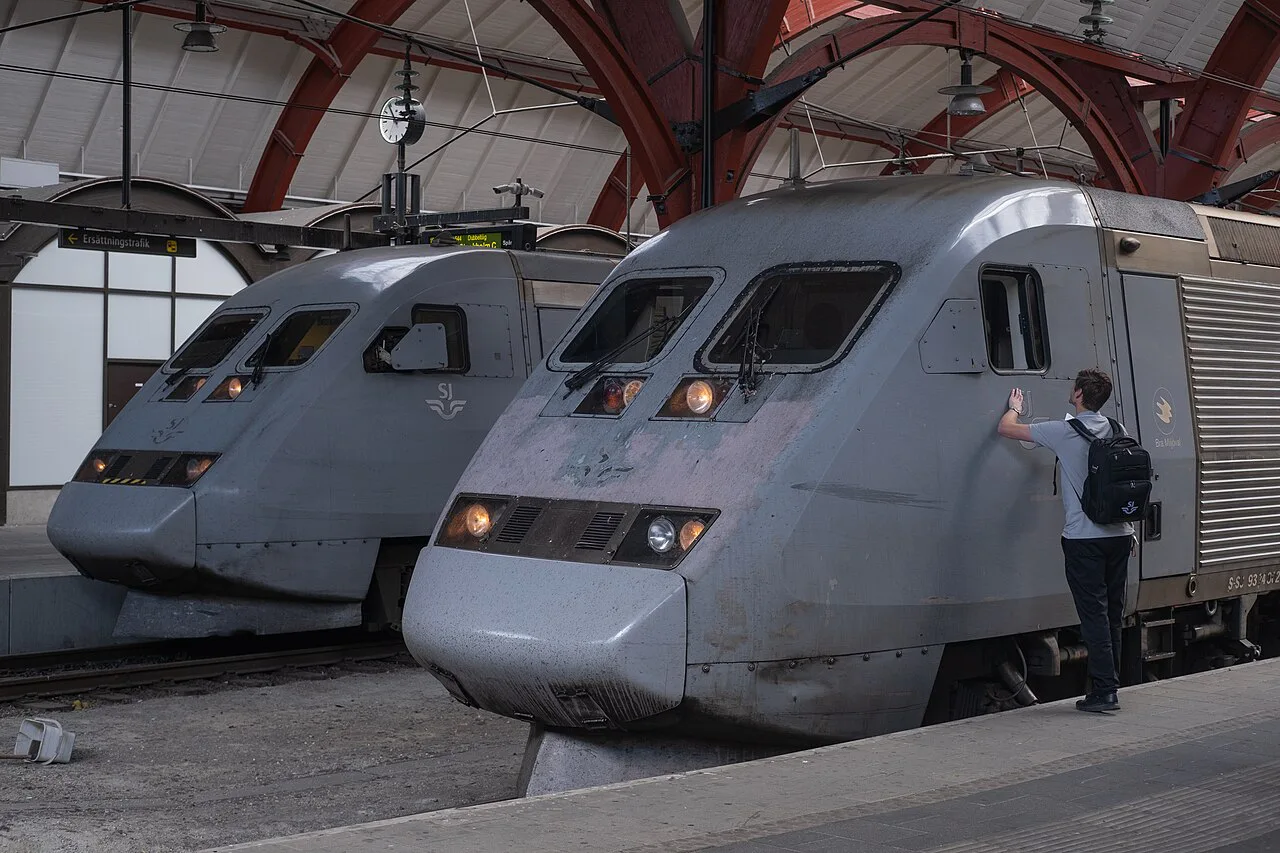
Two different kinds of rail product cover most traveller needs. The intercity network moves you city to city, while Inlandsbanan runs a specific inland route through the Swedish interior and Lapland, operated by Destination Inlandsbanan AB from Östersund. Treating them as interchangeable is the most common planning mistake, because they serve different purposes and different parts of the country.
Inlandsbanan describes itself as a route where you can get off and on where you want, crossing the polar circle, with train hosts on board and food and coffee stops built into the summer timetable. That is a leisure product with sightseeing baked in, not a commuter service. For a three-day city break in Stockholm or Gothenburg it is irrelevant; for a longer northern trip it may be the main event.
Railbookers packages Swedish rail into planned holidays, which suits travellers who want the itinerary assembled for them rather than booked leg by leg. If you prefer to choose your own trains and times, book directly with the operators instead. Either way, the rail product you pick should match the shape of your trip.
High-speed and long-distance services between the big cities
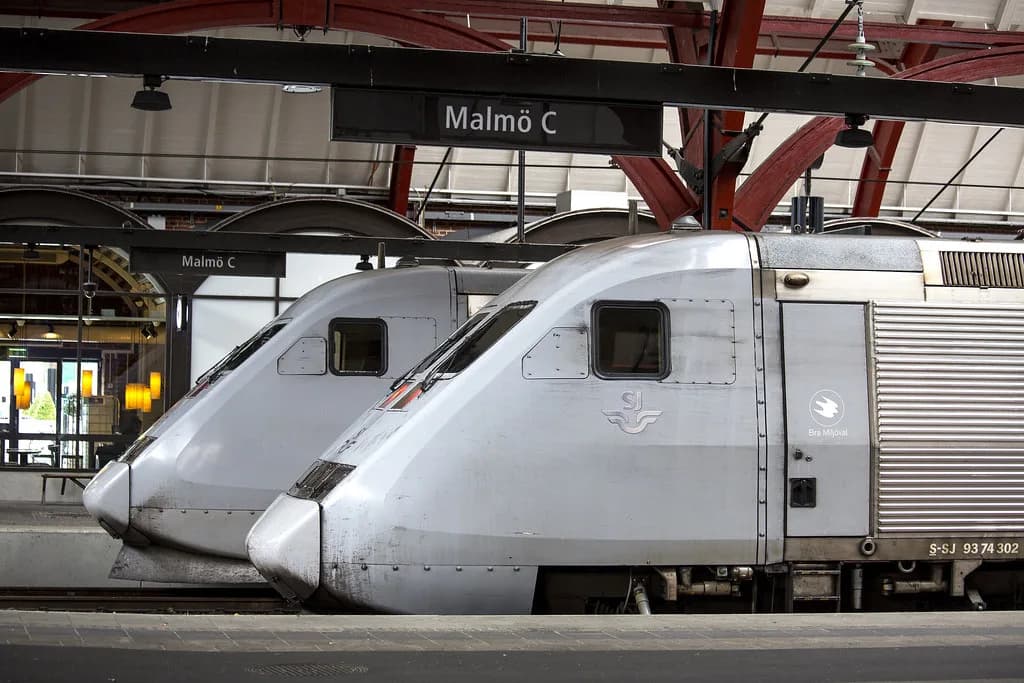
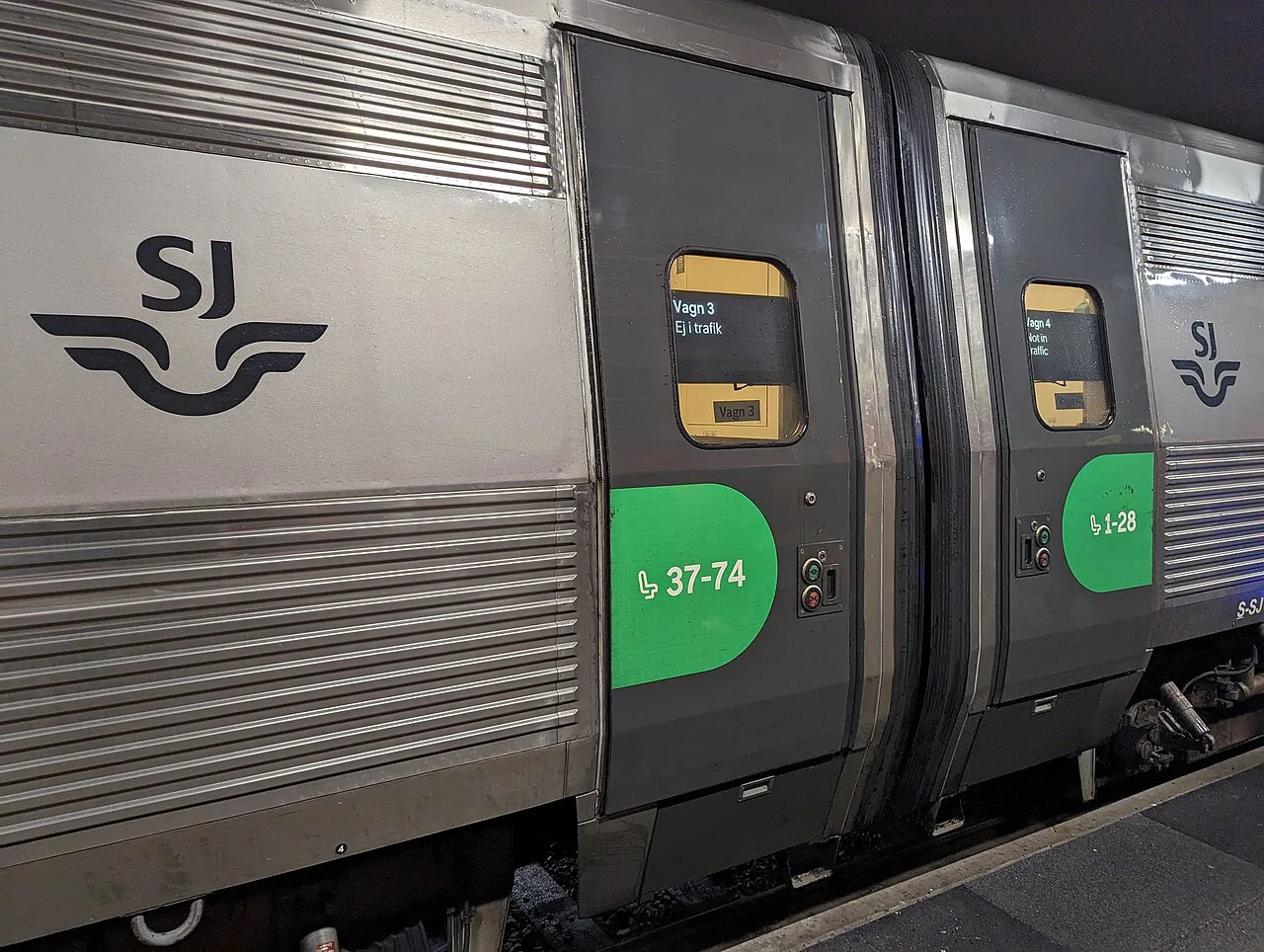
Sweden's long-distance services are the workhorse of a multi-city trip, and Visit Sweden calls the domestic system among the most environmentally friendly in the world. On a short break the train competes well with flying once you count the time spent getting to and from airports. Book your long leg early in the day so a delay does not eat your first afternoon.
For the southern corridor, Stockholm to Malmö and Stockholm to Gothenburg are the two legs most city-break travellers book, and each has its own planning page on this site. Both routes reward a direct train over a flight, because you arrive in the centre rather than on the edge. Check the journey time for your date when you book rather than relying on a remembered figure.
The shorter hops matter too: Uppsala and Lund are university cities that sit close enough to the big hubs to work as a half-day add-on or an overnight. That makes them good candidates for the spare day in a longer break. Plan them as a rail trip from your base rather than a separate booking with its own accommodation.
How to book tickets and seat reservations
Inlandsbanan's own booking guidance is blunt: buy a ticket for the distance you are travelling between two destinations on the line, and book in advance, including a seat reservation. The same advance-booking habit makes sense on intercity services too. Book the long legs first, then fill in the short ones.
Booking ahead also lets you compare a single ticket against a pass-style product. Inlandsbanan sells a travelcard that allows unlimited journeys on the line for two weeks, which only pays off if you are actually stopping along the route rather than riding end to end. For a two-day city break, a standard ticket is the simpler answer.
Keep your booking together, whether that is the operator's app or a printed reference, so you can show it on board. If your plans shift, change the booking rather than boarding a different train and hoping. Advance booking is where you compare prices and lock in a seat where one is offered.
City cards and combined tickets
City cards and combined transport-and-attraction products exist in Sweden, but whether one saves money depends on how many paid sights you actually visit. Do the arithmetic on the specific card for your dates, since inclusions and prices change with the season. If you are mainly walking and visiting free sights, a plain ticket usually wins.
The same logic applies to rail passes aimed at multiple stops. Add up the individual legs you plan to ride and compare that with the pass price before committing. A pass that covers days you will spend on foot in Gamla Stan is money spent on nothing.
Inlandsbanan: what it is and who it suits
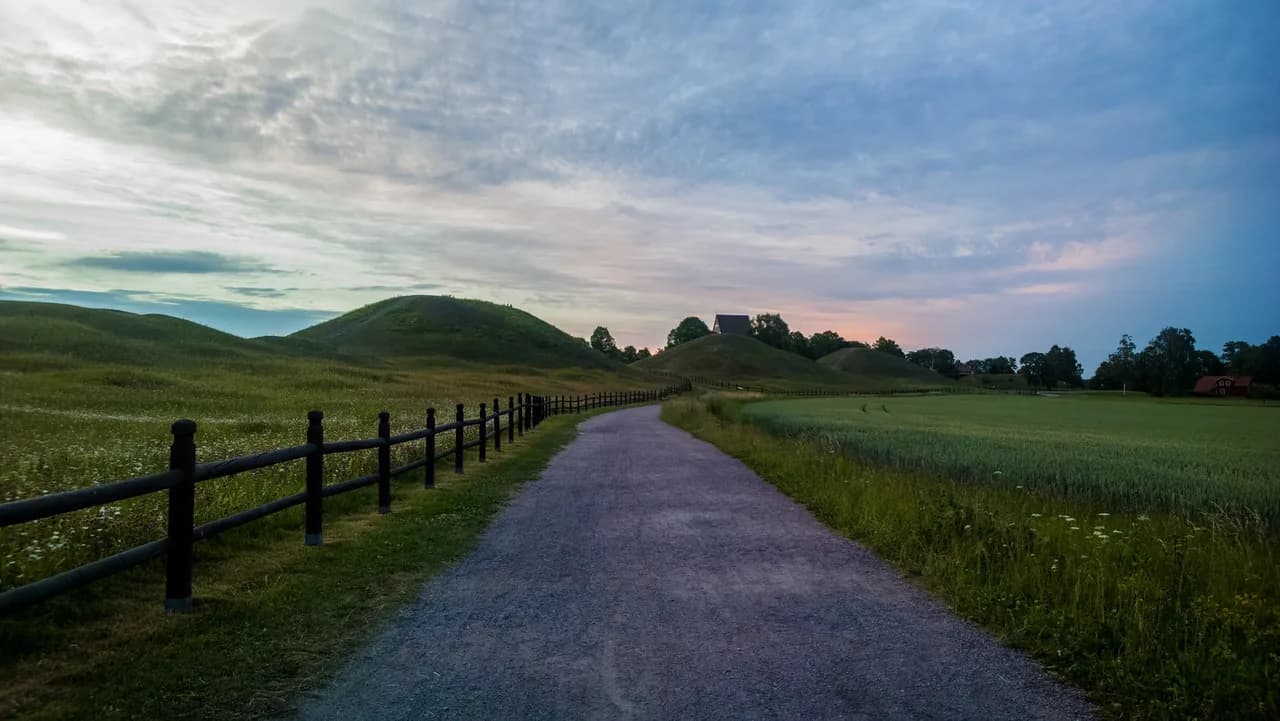
Inlandsbanan is a slow inland railway through the Swedish interior, and the operator markets it around Lapland, the Laponia world heritage area and Sami culture. It suits travellers who want the journey itself to be the trip, with stops at places along the way. It does not suit a one to four day city break unless that break is already in the north.
The route runs through named stops including Gällivare, Jokkmokk, Arvidsjaur, Östersund and Mora, and the operator also sells package tours and combinations with the Hurtigruten coastal voyage in Norway. Those packages bundle the awkward parts of a northern trip, which is their main appeal. Independent travellers can still ride the line and choose their own stops.
Be realistic about what you are buying: this is a scenic, stop-heavy experience rather than fast transport between cities. If your priority is seeing Stockholm, Gothenburg and Malmö in four days, leave Inlandsbanan for a future trip. If you have a week or more and want the interior, it earns its place as the centrepiece.
Seasonal timetables and summer stops
Inlandsbanan runs a summer timetable during which the train stops for food and coffee breaks and for tourist attractions, according to the operator. Outside that season the rhythm of the journey is different, so the experience you read about is not the experience you get year-round. Match your travel month to the timetable before you build a trip around the line.
The operator publishes its summer timetable and a trip calendar, which are the documents to read before booking a northern itinerary. Use them to check which stops are served on your dates rather than assuming every named place is a daily stop. Seasonal variation is the norm on this line, not an exception.
For city breaks in the south, seasonal variation shows up mainly in how busy trains are rather than in the product itself. Book earlier for summer weekends and public holidays, when leisure travellers compete for the same seats. Outside peak periods, a few days' notice is often enough for the short legs.
Where rail fits against flying or driving on a short trip
On a short break, the train's advantage is that it delivers you into the centre of town, so the transfer at each end is a walk or a short local ride rather than an airport bus. Visit Sweden's point that the domestic network is among the most environmentally friendly in the world is a bonus rather than the main reason to choose it. Time, not virtue, is usually the deciding factor.
Driving gives you flexibility for rural stops but costs you the ability to read a book or nap between cities, and parking in the old centres is a hassle you do not need on a two-day trip. Flying wins only on the longest domestic legs, and even then the airport time erodes the gain. For the Stockholm-Gothenburg-Malmö triangle, rail is the straightforward choice.
If cost is your main concern, compare the rail fare with the airfare plus airport transfer before deciding. Our guide to whether is Sweden expensive sets out where the money actually goes on a city break. The train is rarely the item that breaks the budget.
Visby and Gotland: why the train does not reach it
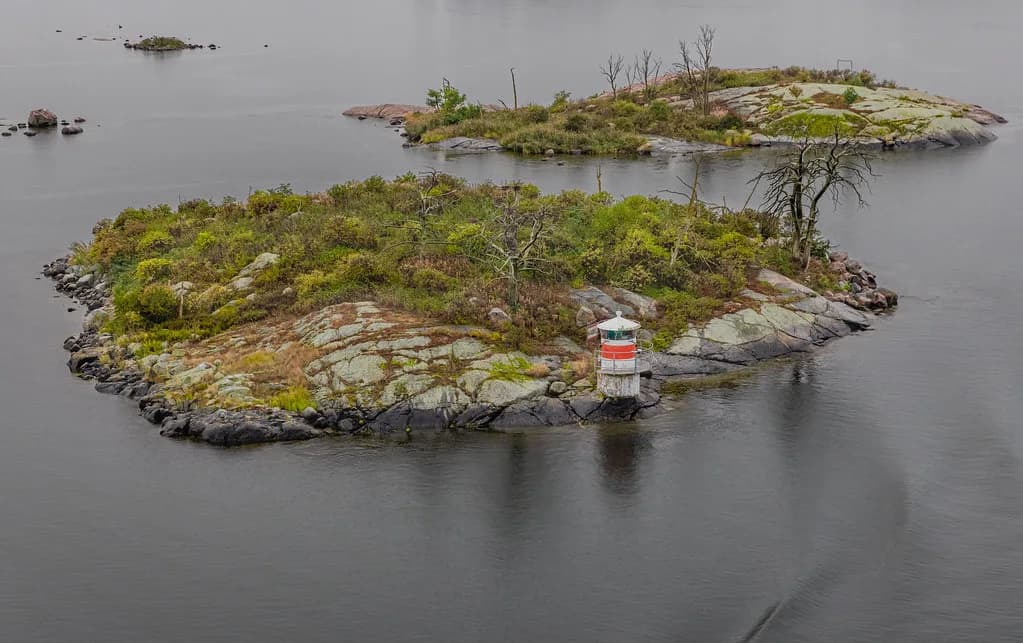
Gotland is an island in the Baltic, and Visby, its walled main town, is not connected to the Swedish rail network. No amount of timetable searching will produce a train there, because the line does not exist. Plan a ferry crossing or a flight instead, and treat the island as its own short break rather than a stop on a mainland rail loop.
This matters when you are sequencing a trip, because a Gotland leg adds a crossing at each end and eats a day. If you have four days total, adding Visby to a Stockholm-and-Uppsala plan leaves you rushing all three. Choose either the island or the mainland cities for this trip.
The compensations are real: Visby's medieval walls and Almedalen park make it one of the most distinctive towns in Sweden. Just budget the crossing properly and do not try to bolt it onto a rail pass. Our round-up of the best cities in Sweden puts it in context against the mainland options.
Matching rail legs to a one to four day city break
With one or two days, stay put: pick one city and walk it, because a rail transfer costs you half a day once you count getting to the station and settling in. Stockholm alone can absorb two days between Gamla Stan, Djurgården and Södermalm. Adding a second city only works if the leg is short and the timetable is kind.
With three or four days, one transfer is realistic: Stockholm plus Uppsala, or Malmö plus Lund, gives you two centres without wasting a day in transit. That pattern also means one hotel booking change rather than three. For a longer version of the same logic, see our 5 day Sweden itinerary.
If your trip stretches beyond four days, that is when a third city and a longer leg start to make sense, and when the southern corridor between Stockholm, Gothenburg and Malmö becomes worth booking as a chain. Above that, Inlandsbanan and the north come into play. Build the trip outward from your available days rather than from a wish list of stations.
Which rail leg should you book first?
Book the longest intercity leg first, because that is the one where advance booking and a seat reservation matter most, then fill in the short hops around it. If your trip is heading north rather than between cities, book Inlandsbanan directly with the operator and read its summer timetable before you commit to dates.
Leave Visby out of the rail plan entirely and treat Gotland as a separate island trip. That single decision keeps a four-day itinerary from turning into a rush between stations. Everything else follows from how many days you actually have.
Explore more Sweden guides
Sources
Notes for your next Swedish city break
Optional updates to our Sweden guides.
You might also like
Continue reading
More guides you'll find useful