Where to Go in Sweden: Cities, Coast and Islands by Trip Type
Where to go in Sweden depends on your days and the season. Compare Stockholm's archipelago, Gothenburg, Malmö, Uppsala, Lund and Visby before you book.
On this page
For a first trip of one to four days, go to Stockholm: it packs a medieval old town, a design-led waterfront and a 30,000-island archipelago that starts about 20 minutes from the centre. If you have already done Stockholm, Gothenburg and Malmö make strong short-break alternatives, while Uppsala, Lund and Visby reward a slower pace. This guide sorts the choices by days, season and character rather than ranking every region of a large country.
Sweden is long, and trying to see the far north and the southern cities in the same short break wastes your time on trains. Treat the country as a set of clusters: the Stockholm region plus its islands, the west coast around Gothenburg, the Öresund south around Malmö and Lund, and Gotland in the Baltic. Pick one cluster per trip and you will spend your days sightseeing instead of in transit.
Where to go in Sweden: the short answer
Choose by trip length. One to four days: Stockholm, because the old town, Djurgården and the ferries are close together. A long weekend with a coast focus: Gothenburg. A short city break with a Danish add-on: Malmö. A calm day of cathedral and cobbles: Uppsala or Lund. A summer island trip: Visby.
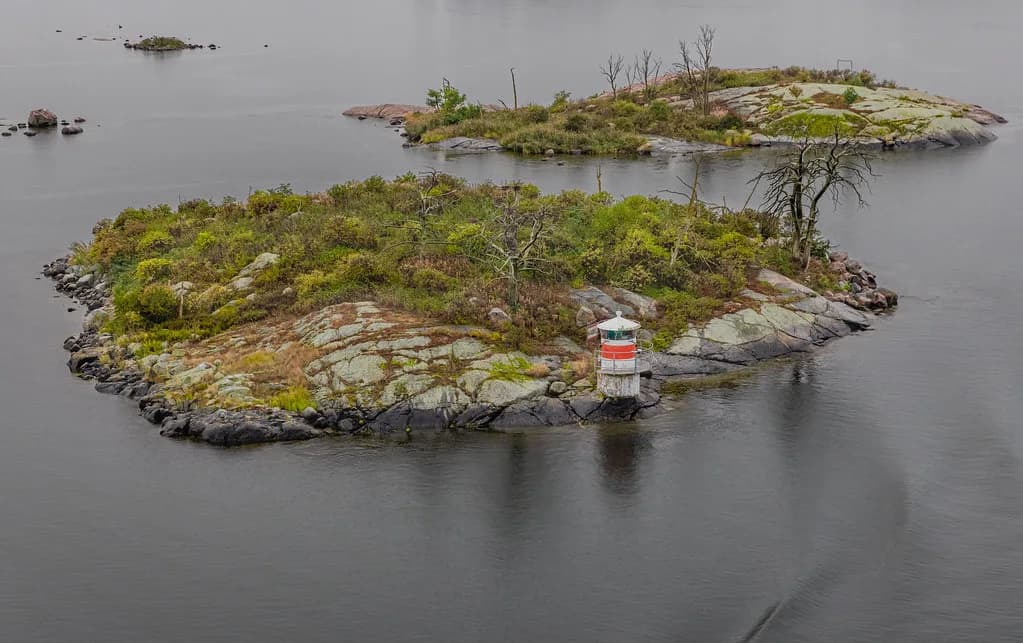
Season decides the second half of the question. Stockholm's archipelago runs from city-close islands such as Fjäderholmarna and Vaxholm to outer outposts like Sandhamn, Utö and Finnhamn, and Visit Stockholm describes the spread as covering more than 650 square miles. Near islands work on a half-day; outer islands eat a whole day or more, so weigh the crossing against what you want to see on land.
If you have one to four days: which city suits your trip
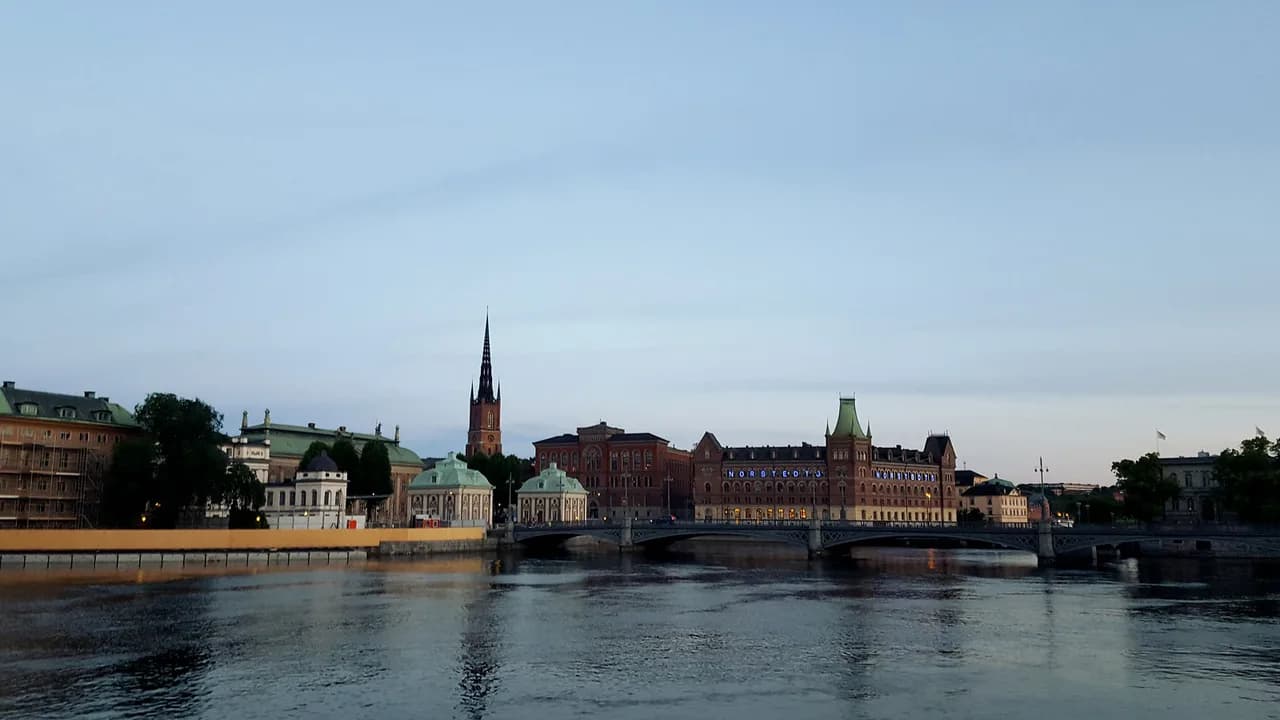
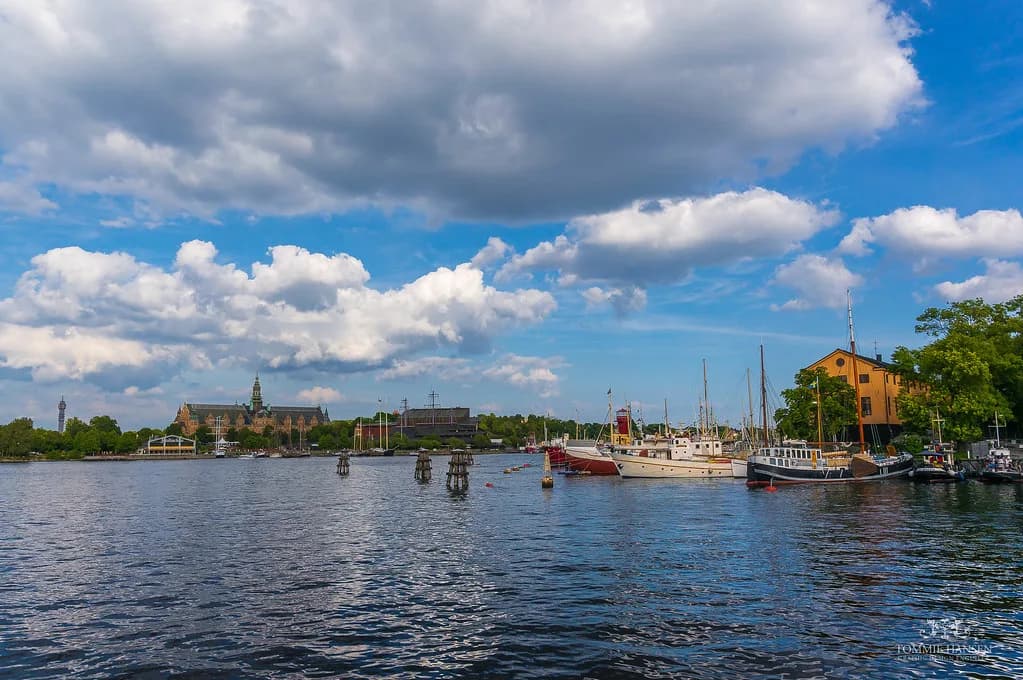
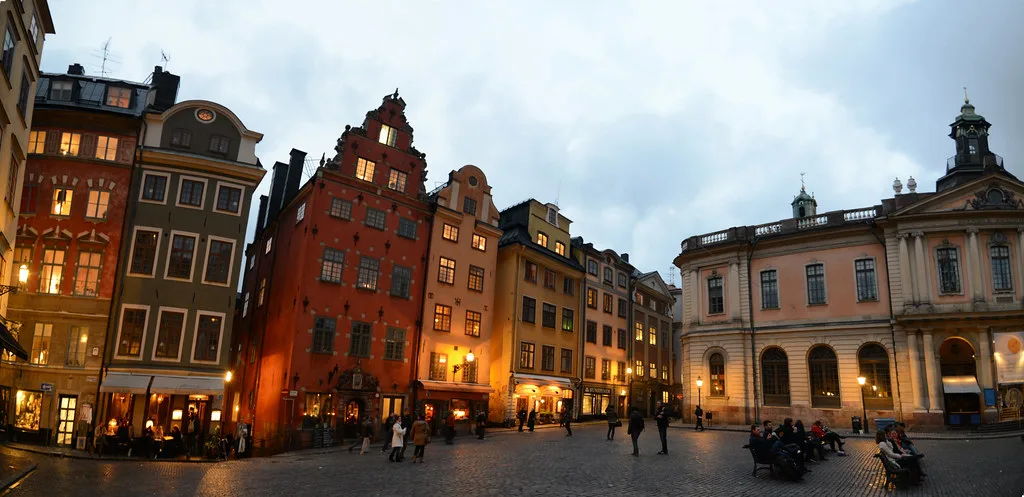
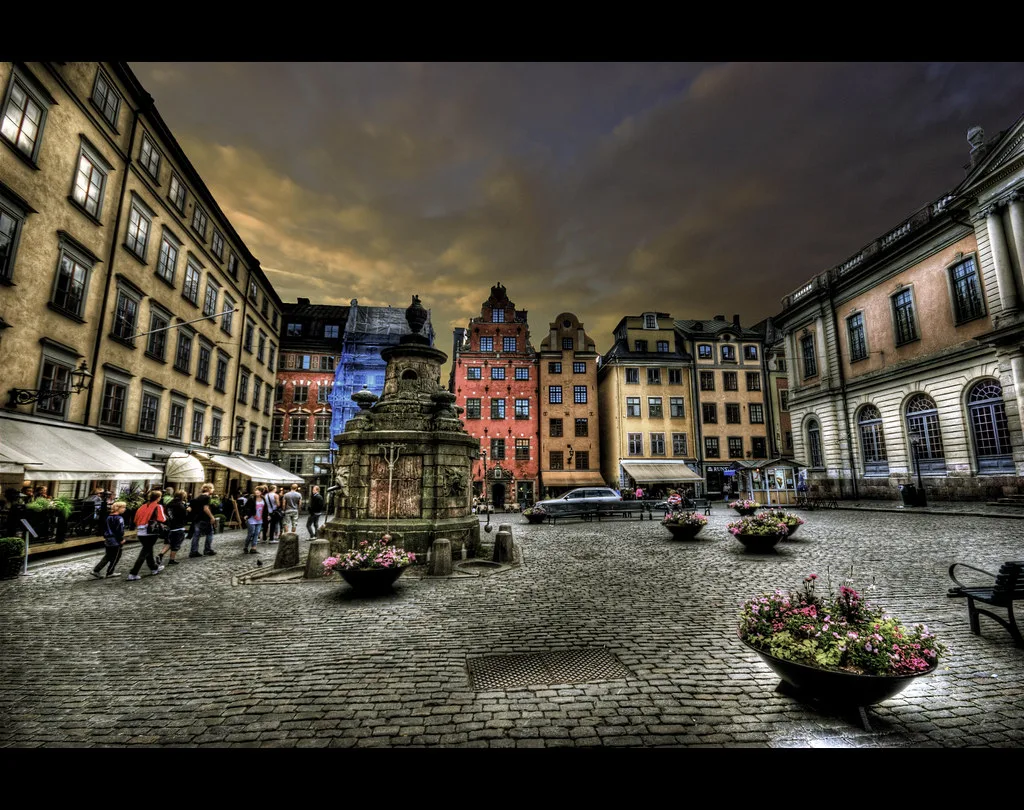
One day is a taster, not a tour. In Stockholm, spend it walking Gamla Stan, crossing to Riddarholmen for the water views and taking a ferry to Djurgården. Two days lets you add a museum or Skeppsholmen. Three or four days is where the archipelago, Södermalm and a slower meal stop become realistic rather than rushed.
What is the Swedish currency? Sweden uses the Swedish krona, written SEK. Card payment is widely used across cities and islands, so a contactless card that works abroad is usually enough for a short break.
What food is Sweden known for? Swedish food culture includes fika, the coffee-and-bun break, and Baltic fish and seafood in the archipelago. Fried herring with potato purée, green peas, lingonberry jam and clarified butter is described by Visit Stockholm as the quintessential archipelago dish.
Gothenburg and Malmö are compact enough for a two-night break. Gothenburg gives you Haga's wooden houses, Slottsskogen park and the harbour; Malmö gives you Lilla Torg, the Västra Hamnen waterfront and the Öresund view towards Denmark. Uppsala and Lund are university towns best treated as a day or an overnight, with the cathedral as the anchor of each.
Visby is the exception: it is a destination in its own right, not a stop on a city circuit. The walled town and its rose-covered lanes fill a day, and the surrounding Gotland coast fills more. It makes most sense as a summer trip of two or three nights rather than a day return.
Stockholm: the archipelago on the doorstep
Stockholm is the easiest place in Sweden to combine a city break with island time. Visit Stockholm puts the archipelago at roughly 20 minutes from the city, with Fjäderholmarna, Vaxholm, Gustavsberg, Värmdö and Grinda all reachable by local transport or ferry within about an hour of downtown. Those are the ones to pick when your schedule is tight and you want a sample rather than an expedition.
For more space, the outer islands such as Sandön, Möja, Nåttarö, Utö and Finnhamn sit a couple of hours away and need more planning. If you want a night or two by the water, these are where to look. The trade-off is simple: fewer city sights, more walking, swimming and quiet.
Sandhamn is the classic outer-island choice, a sailing hub with an inn, the Royal Swedish Yacht Club and a lively summer scene, and Visit Stockholm notes it is worth visiting off-season when the archipelago returns to its peaceful state. It also appears in Nordic Noir: Viveca Sten's Sandhamn Murders is set there. Go in July for atmosphere, or outside summer for the empty version of the same village.
Culture has a place in the islands too. Artipelag, set in its own natural surroundings, is described by Visit Stockholm as probably the archipelago's most famous cultural destination. Pair it with a short ferry hop rather than a long crossing, and you get art and water in a single day without committing to an outer island.
Gothenburg and the west coast
Gothenburg is the pick when you want a city with sea air. Haga's cafés and wooden houses, Slottsskogen park and the harbourfront give you a full two days, and the west-coast archipelago is within reach for a day out. It is also the natural base for a longer west-coast road or rail run if your trip stretches beyond a city break.
Compared with Stockholm, Gothenburg feels calmer and less monumental, which suits travellers who have already done the capital or who want a lower-key weekend. The flip side is fewer headline sights in the centre, so plan on using the coast as part of the trip rather than an afterthought.
Malmö and the far south
Malmö suits a short break with a difference: Lilla Torg for the square life, Västra Hamnen for modern waterfront architecture, and the Öresund bridge in view. Because Denmark is a short hop away, it works well as a two-centre trip if you want a second country without a long journey.
The far south is underrated for a first Sweden trip. It is compact, easy to combine with Lund and Copenhagen, and less crowded than Stockholm in high season. If your priority is variety rather than bucket-list sights, Malmö earns its place on the shortlist.
Uppsala and Lund: the university towns
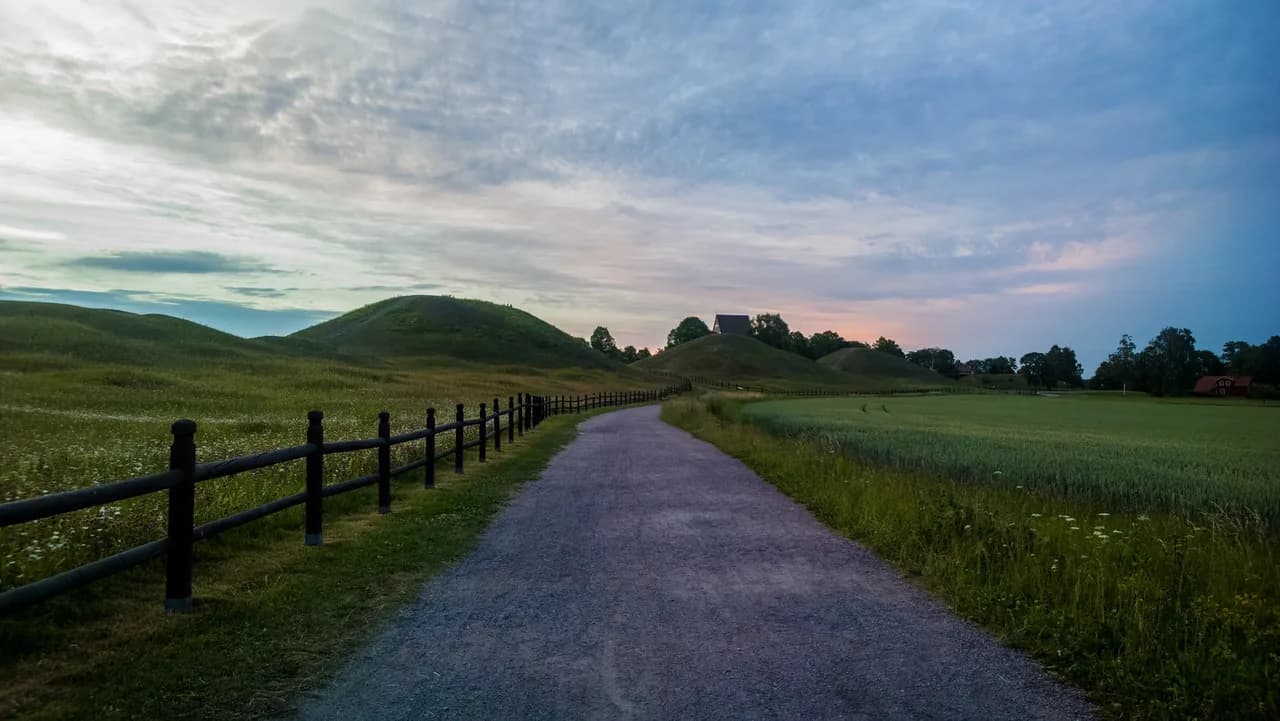
Uppsala is a half-day to a day from Stockholm and pairs a grand cathedral with Gamla Uppsala's burial mounds. Lund is smaller and gentler, with cobbled lanes and a cathedral of its own, and sits close enough to Malmö to combine. Neither needs more than an overnight unless you are tied to the university calendar.
Treat both as texture rather than headline. They reward wandering, a long fika and a look inside the cathedral, not a checklist of attractions. If your trip is already full of cities, one of these makes a good slow day between busier stops.
Visby and Gotland: a summer island trip
Visby is the summer choice: a walled Hanseatic town, rose-covered cottages and the Baltic on all sides. It is small enough to walk in a day but rich enough to hold you for two or three, and the surrounding Gotland countryside adds beaches and quiet roads. Book it as its own trip, not a detour from Stockholm.
The catch is seasonality. Visby's appeal is at its peak in summer, and a visit outside it is a different, quieter experience with fewer places open. If you want the full picture of the town, plan for the warmer months; if you want solitude, go outside them and accept a reduced choice of what is open.
City versus coast versus island: the trade-offs
Cities give you museums, food and transport in a small area, and they work in any weather. Coast and islands give you space and water but depend on ferries and the season. The Baltic Travel Company describes the archipelago as popular in summer but visitable year-round, so the honest trade-off is atmosphere and crowds, not closure.
The same logic applies across the country. A city break of three days delivers more named sights per hour than a multi-island hop, while an island trip delivers the scenery that makes Sweden distinctive. If you only have a long weekend, choose one mode and do it well rather than splitting the days in half.
When to go: summer, and what changes outside it
Summer is the obvious season for coast and islands, and the archipelago at its busiest. Outside summer, city breaks keep working: Stockholm, Gothenburg and Malmö are year-round cities with indoor sights and public transport that does not depend on a boat. Island trips need more checking of what runs and what opens.
For a mixed trip of city and island, late spring and early autumn give you the best of both: enough daylight for a ferry, fewer crowds, and city sights still open. Decide which half of the trip matters more before you book, because the answer changes the month you should travel.
What a trip costs in Swedish kronor
Sweden prices everything in Swedish kronor (SEK), so a card that works abroad is the practical default. City costs vary by season and by whether you eat out or self-cater, and island days add ferry fares and island prices. Budget per day, not per sight, and leave room for a boat ticket.
Package holiday prices quoted in pounds by UK operators are not a guide to local costs, so do not use them to plan a day's spending. Check current ferry fares and museum tickets with the operator or venue before you go, and keep a buffer for island food, which tends to cost more than in the city.
Getting between the choices
Sweden's cities are linked by rail, and the main lines connect Stockholm, Gothenburg and Malmö with reasonable frequency. Uppsala is a short hop from Stockholm and Lund a short hop from Malmö, which is why they pair so naturally with the bigger cities. Book ahead for the longer legs and keep the short hops flexible.
Islands are the exception: ferries and local boats set the pace, and some outer islands need careful planning or an overnight. That is the main argument for basing yourself in one city and taking island day trips rather than trying to string several islands together in a short break.
Questions travellers ask before choosing
The most common question is whether to base in Stockholm or Gothenburg. Stockholm wins on headline sights and island access; Gothenburg wins on calm and the west coast. If you have four days or more, you can do both by rail; if you have fewer, pick one and go deeper.
The second is whether Visby is worth the journey. For a summer trip of two or three nights, yes: the walled town is unlike anywhere else in Sweden and the Gotland countryside is the point. For a one-day stop squeezed into a city break, no: the travel time outweighs the reward.
Which of these fits your trip?
If you have one to four days, book Stockholm and use the near islands as your archipelago taster. If you have already done the capital, Gothenburg or Malmö gives you a different angle, and Uppsala or Lund adds a slow day. Visby is the summer trip to save for when you can give it two or three nights.
Whichever you choose, build the trip around one cluster rather than crossing the country, and check ferry and venue details before you travel. That single decision does more for a short Swedish break than any list of attractions.
Explore more Sweden guides
Frequently Asked Questions
What is the Swedish currency?
Sweden uses the Swedish krona, written SEK. Card payment is widely used across cities and islands, so a contactless card that works abroad is usually enough for a short break.
What food is Sweden known for?
Swedish food culture includes fika, the coffee-and-bun break, and Baltic fish and seafood in the archipelago. Fried herring with potato purée, green peas, lingonberry jam and clarified butter is described by Visit Stockholm as the quintessential archipelago dish.
Sources
Notes for your next Swedish city break
Optional updates to our Sweden guides.
You might also like
Continue reading
More guides you'll find useful