Gothenburg for Families: Things to Do with Kids
Plan a family break in Gothenburg with Haga, Slottsskogen, the art museum and the car-free Southern Archipelago, plus how long each stop takes.
On this page
Two full days are enough to cover Gothenburg's best family stops without rushing: Haga and the city centre on day one, Slottsskogen and the waterfront on day two, with the Southern Archipelago added when you have a third day. Families who try to squeeze the islands into a half-day usually end up watching the clock rather than the scenery. This guide sets out what suits children, how long each stop realistically takes and how to plan around the weather; our Gothenburg Itinerary has a day-by-day shape to borrow from.
The city is compact and walkable in the centre, and the archipelago is a proper excursion rather than a filler stop. Below are the places that work hardest for families, the trade-offs between them, and how to budget in Swedish kronor in a city where cards do almost all the work.
What families can realistically fit into one to three days in Gothenburg
One day in Gothenburg with children should mean one big thing plus one small thing, not a checklist. Haga in the morning and the art museum or a park in the afternoon is a comfortable shape, with a short stop at Kronhuset or Götaplatsen in between. Children tire faster on cobbles than on grass, so put the open space after the walking.
With two days, give Slottsskogen its own block and keep the second afternoon loose for the waterfront around Feskekôrka. With three days, add the Southern Archipelago as a half-day or full-day outing, because the journey alone takes about an hour each way from central Gothenburg by public transport. That hour is the deciding factor: the islands are a day-out decision, not somewhere to slot between lunch and a museum.
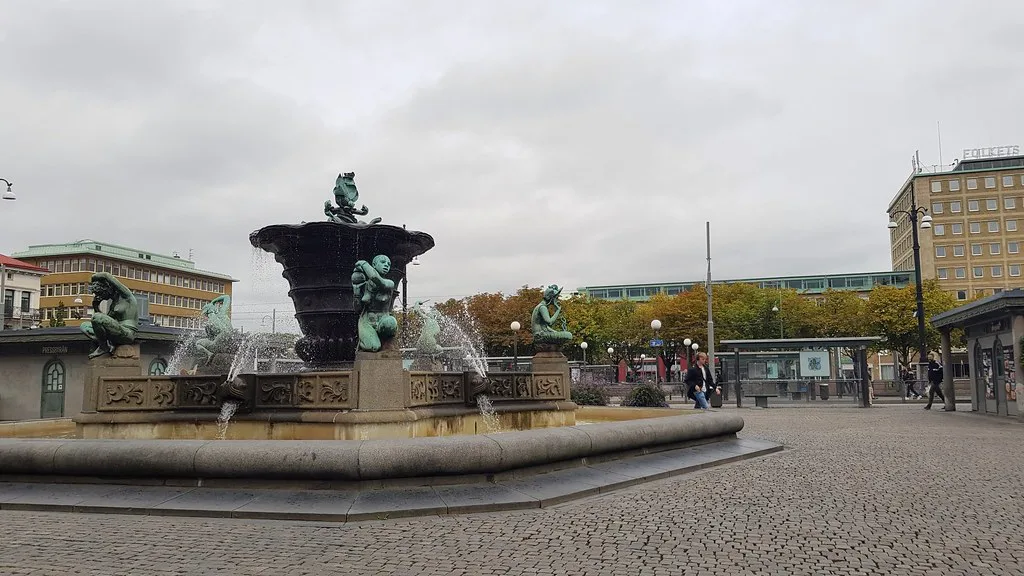
Start in Haga: cobbled streets, small shops and the cinnamon bun on Haga Nygata
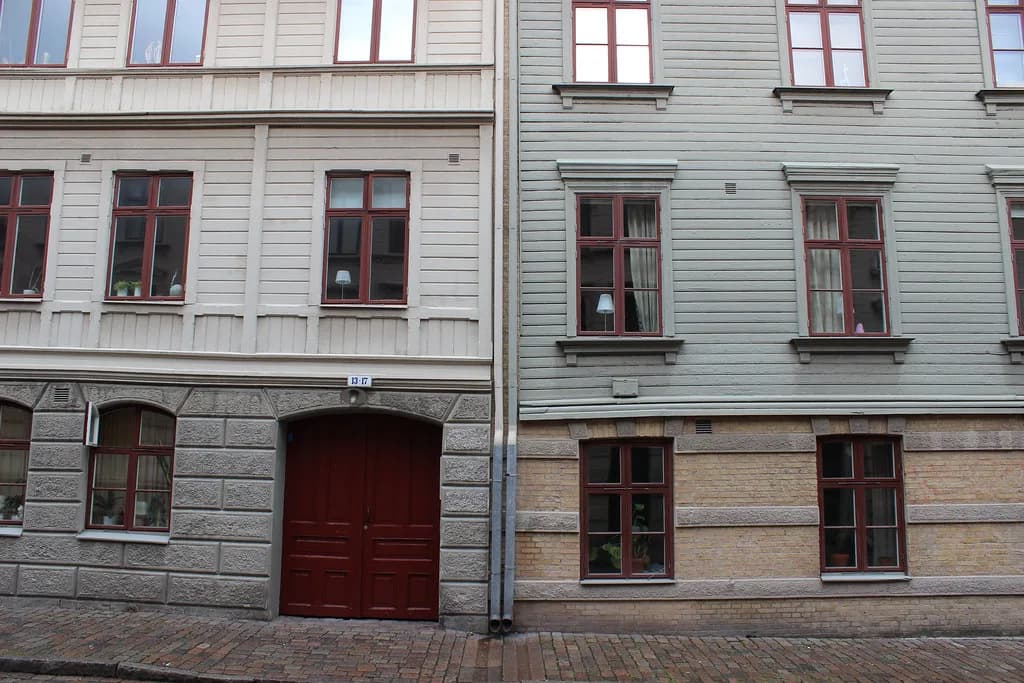
Haga is one of Gothenburg's oldest quarters, with cobbled streets, traditional county governor's houses, independent shops and classic cafés. It works best as a wander of an hour or two rather than a destination in itself, and the main street Haga Nygata is where the cafés and small shops cluster. The bakery windows are the draw for children, and the street is known for what is billed as possibly the world's largest cinnamon bun.
Come early or late in the day, because the narrow pavements fill with prams and tour groups at peak times. Pushchairs cope with the cobbles but the going is slow, so leave time for dawdling. Haga sits within walking distance of the centre, which makes it an easy first stop before anyone gets tired.
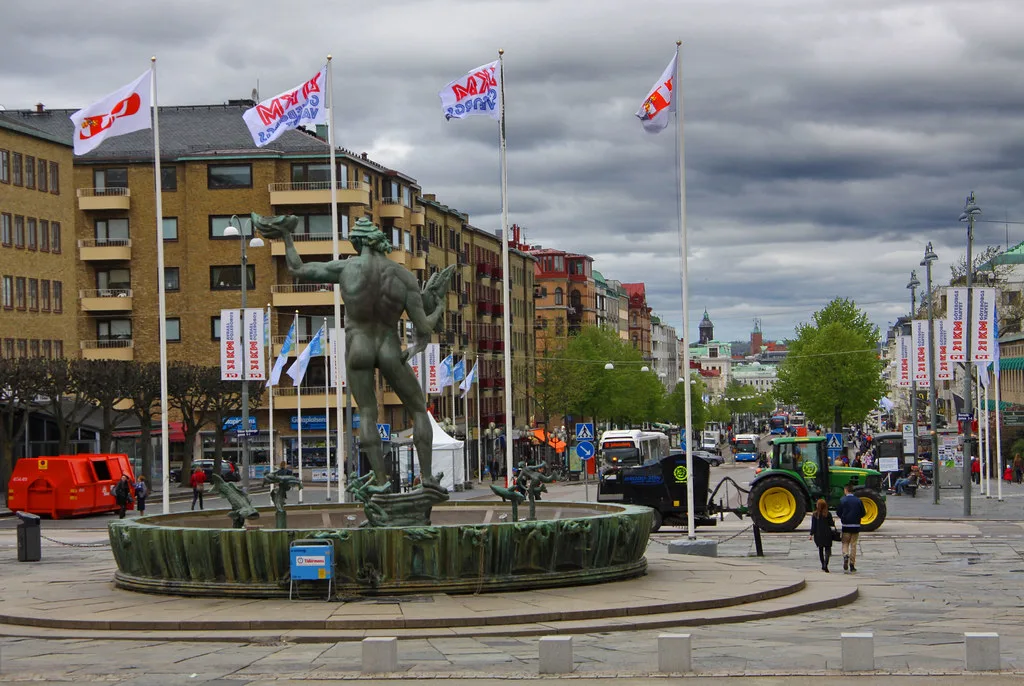
Slottsskogen and the city's parks for a run-around break
Slottsskogen is the city's big green space and the obvious place to let children burn off energy between museum and waterfront stops. Gothenburg's parks and gardens are one of the reasons the city suits families, and a park block costs nothing beyond a tram ticket. Treat it as recovery time rather than a sight: an hour of running about resets everyone for the afternoon.
Pair the park with the surrounding neighbourhood rather than backtracking into the centre. A picnic bought in the morning saves queueing at lunchtime with hungry children, and Swedish supermarkets and bakeries take cards. If rain sets in, swap the park for the art museum instead of pushing on.
The Gothenburg Museum of Art at Götaplatsen: Nordic collections and family activities
The Gothenburg Museum of Art sits at Götaplatsen at the top of Avenyn, the main street, and holds Nordic collections from the fifteenth century onwards alongside works by Rembrandt, Monet, Picasso and Chagall. It runs major exhibitions through the year plus guided tours and activities for children and young people, which makes it a sensible wet-weather anchor. The climb up Avenyn from the centre is straightforward but steady, so take the tram to the top if little legs are flagging.
Check what the temporary exhibitions are before you commit, because a family that dislikes the current show will move through the galleries quickly. Götaplatsen itself is a short stop on the way in or out, with the square, the fountain and the concert hall giving children space to let off steam.
The Southern Archipelago: car-free islands reached by boat from Saltholmen
The southern islands such as Brännö, Styrsö and Vrångö are car-free and reached by boat from Saltholmen, while the northern islands Hönö, Öckerö and Björkö are served by car ferry from Lilla Varholmen. For families without a car, the southern route is the practical choice: no vehicle, no parking, just a boat ride and fishing villages to walk through. The archipelago consists of around twenty islands north and south of the mouth of the Göta älv.
Budget about an hour each way from central Gothenburg, and a simple public transport ticket is enough for the journey. That makes it a half-day at minimum and a full day if you want time on the rocks and in the villages. Pack layers, because the sea breeze on the granite cliffs is cooler than the city centre, and check the return sailings before you settle on an island.
Feskekôrka and the seafood side of the city
Feskekôrka is Gothenburg's iconic market hall and one of its best-known landmarks, with the catch of the day served in the hall's restaurants. Fish and shellfish are the port city's speciality, from shrimp sandwiches to clams and oysters, and children who like prawns will find plenty to choose from. It sits close to the centre, so it works as a lunch stop between Haga and the waterfront rather than a trip of its own.
Market halls get busy at midday, so arrive before the lunch rush if you want seats together. The hall is a good place to introduce children to Swedish seafood without committing to a full restaurant meal. Combine it with a short walk along the water and the day still has room for a park.
Kronhuset and Götaplatsen as short stops between bigger sights
Kronhuset, one of Gothenburg's oldest buildings, combines history with artisanal goods in a small, manageable package that suits short attention spans. Götaplatsen does the same job for the museum quarter, and both take twenty to thirty minutes rather than a half-day. Slot them between bigger stops rather than making them the reason for the outing.
These small stops are where a family day gains texture: a quick look at a historic building, a souvenir bought directly from a maker, then on to the next thing. They also give you natural breaks for snacks and toilets. If time is tight, drop them rather than the park or the islands.
How families get around: walking distances and the trip out to the islands
The centre of Gothenburg is walkable, with Haga, the waterfront and Avenyn within a reasonable stretch for older children. Use trams for the climb to Götaplatsen and for Saltholmen, where the boats to the car-free southern islands leave; the public transport network covers the whole journey. A city break here does not need a car, which simplifies life with children.
Allow more time than the map suggests, because cobbles, prams and snack stops all slow you down. The archipelago trip is the one journey that needs planning around sailings and a fixed return. If you are weighing Gothenburg against the capital, its compact scale is one of the arguments in its favour.
What a family day costs and why Sweden's cashless habit matters
Budget in Swedish kronor and assume cards: Sweden is largely cashless, so a travel card that works abroad, or a phone wallet, covers museums, cafés, transport and shops. Many Swedish museums and attractions publish ticket prices on their own websites, and prices differ between temporary exhibitions and permanent collections, so check before you go rather than budgeting from memory. Family tickets often undercut buying separately, but only where a venue offers one.
Tell your bank you are travelling and carry a backup card in case one is blocked. Free stops such as Slottsskogen, Haga and the waterfront balance out the paid ones, which is how a family break stays affordable. Carry a little cash only as a fallback, not as your main plan.
Summer versus the rest of the year: what changes for families
Summer is the easiest season for families: long days, boats running to the islands and parks at their best. The trade-off is crowds and higher demand at the most popular stops. Spring and autumn bring shorter days and fewer visitors, but the archipelago feels wilder and some seasonal services wind down.
Winter is out of scope for a family planning guide like this one, but the general rule holds across the year: outdoor plans depend on weather, and the parks and islands are no fun in horizontal rain. Build one indoor anchor into every day, the art museum being the obvious one, so a wet morning does not derail the trip.
Should the archipelago be your family's big day out?
If you have three days and children who cope with a boat and a walk, the Southern Archipelago is the memory-maker of the trip and worth the hour each way. If you have two days, keep the islands for next time and put the time into Slottsskogen, the museum and a slow wander through Haga instead. Either way, leave slack in the plan, because families in Gothenburg do better with fewer stops and longer stays.
Explore more Gothenburg guides
Frequently Asked Questions
How many days do families need in Gothenburg?
Two full days cover Haga, Slottsskogen, the art museum and the waterfront comfortably. Add a third day if you want the Southern Archipelago, since the journey takes about an hour each way from central Gothenburg.
Do families need a car in Gothenburg?
No. The centre is walkable, trams reach Götaplatsen and Saltholmen, and the car-free southern islands are served by boat from Saltholmen. A car only helps if you want the northern islands, which are reached by car ferry from Lilla Varholmen.
Can you pay by card everywhere in Gothenburg?
Sweden is largely cashless, so cards and phone payments are the normal way to pay for transport, museums, cafés and shops. Carry a backup card rather than relying on cash.
Sources
Notes for your next Swedish city break
Optional updates to our Sweden guides.
You might also like

Continue reading
More guides you'll find useful