Gothenburg on a Budget: Free Sights and Cheap Days Out
Plan Gothenburg on a budget with free sights like Slottsskogen, Haga Nygata and Skansen Kronan, plus honest notes on paid museums and ferry fares.
On this page
A cheap day in Gothenburg is easy to assemble because the city's best-known sights sit outdoors and cost nothing: Slottsskogen park, the old Haga neighbourhood and the harbourfront can fill a full day without a single ticket. The money question is not whether you can afford Gothenburg but where a paid entry actually adds something. This guide sorts the free from the paid, covers eating and getting around, and sets out one-day and two-day plans built from the free stops.
What a cheap Gothenburg day looks like
Plan the day around walking. Haga, Slottsskogen and the central streets sit close enough that you can link them on foot, and the trams are there when your legs give out rather than as the default. A realistic cheap day means one café stop, a picnic or market-hall lunch, and no more than one paid attraction, if any.
Sweden runs largely on cards, and Gothenburg is no exception: a travel blogger's practical notes describe card payment as expected for everything from tram tickets to supermarket snacks. Budget in kronor on your card rather than estimating a cash pot, and keep a small buffer for the odd place that handles things differently.

Free things to do: Slottsskogen, Haga Nygata, Skansen Kronan and the Botaniska
Slottsskogen is Gothenburg's main park, with walking paths, the Natural History Museum and a children's zoo inside its grounds, all free to wander. It is the obvious anchor for a budget morning: bring a coffee, take a long loop and use the park as a break between the city centre and the Haga side.
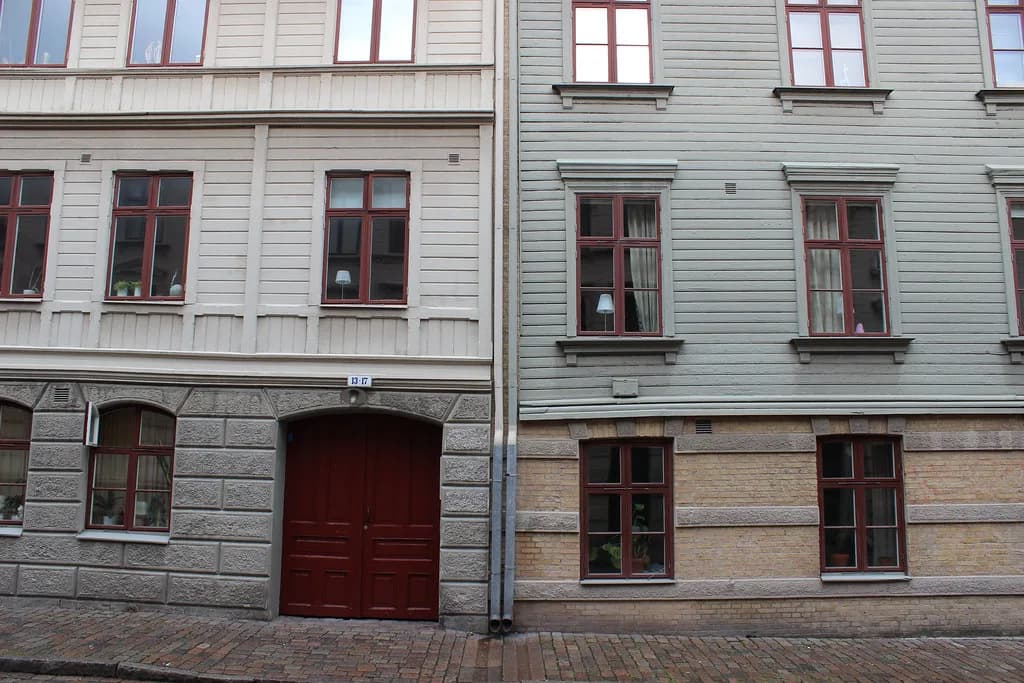
Haga is one of Gothenburg's oldest neighbourhoods, and Haga Nygata is its pedestrian spine of independent shops and cafés. Window-shopping costs nothing, and the street is the natural place to spend an hour without spending much more. Café Husaren, the bakery behind the plate-sized cinnamon buns, sits in Haga; the bun is the novelty here, so see it in the window and decide whether it earns the price.
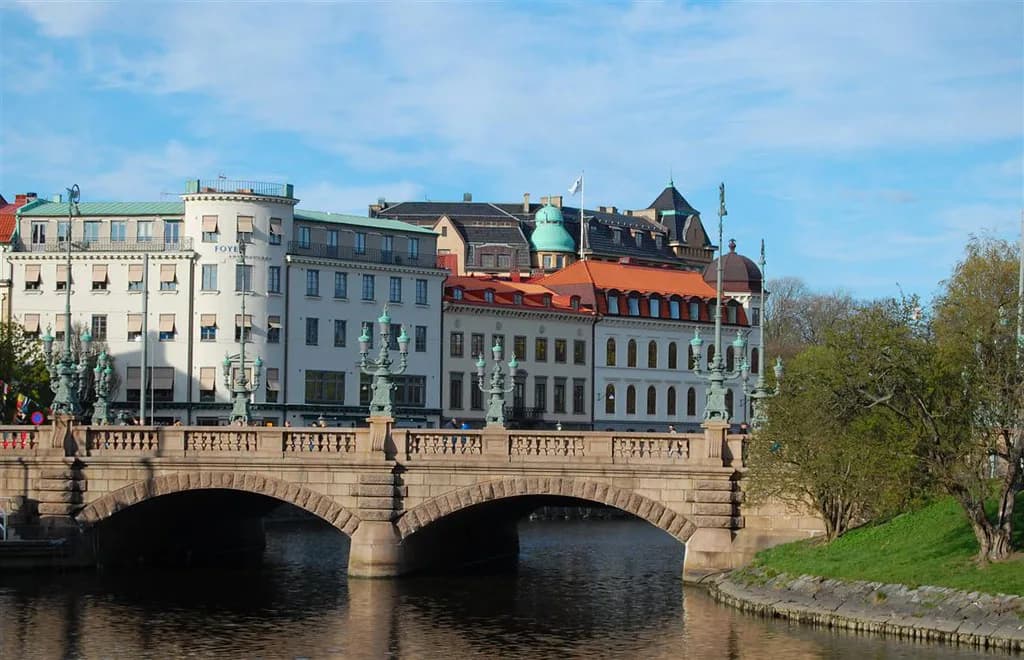
The harbourfront and the archipelago ferries give you water views and a change of scene. As a free afternoon filler, walk the waterfront and watch the boats, then decide separately whether a ferry trip fits your budget rather than assuming the ride is free.
Skansen Kronan is a hilltop fortification with a view over the Haga rooftops, and reaching it is a climb rather than a ticket. Treat it as a viewpoint stop on the walk back from Slottsskogen rather than a separate outing.
When you need a dry hour, check the Natural History Museum inside Slottsskogen and the art museum's own site for the days you are in town, since opening days and what is on vary. Build a wet-weather backup around confirmed options rather than assuming any specific museum is free on the day you visit.
Which museums cost money and which are free
The pattern in Gothenburg is that parks, streets and viewpoints cost nothing, while the big science and experience museums charge. Universeum, the science centre, is a paid attraction and the sort of place that absorbs half a day and a chunk of budget. If you have children in tow, it may be the one ticket you choose; if not, the free outdoor ground and a cheap museum day may cover similar ground for less.
The Gothenburg Botanical Gardens are free to visit, but the greenhouses carry a small fee, so a garden day costs nothing if you stay outside. That is a good trade-off in the growing season, when the outdoor beds are the main event.
Museum prices and opening days change between summer and the rest of the year, so check the ticket page for the week you are visiting before you commit. Tickets are sold in kronor and paid by card at the door or online.
Eating cheaply: café buns, market halls and self-catering
Café Husaren's cinnamon buns are a novelty worth seeing rather than a budget meal; the blogger who tried one found it large, pricey and not the best bun of the trip. Split one between two and treat it as the day's treat, then eat properly elsewhere.
Stora Saluhallen is the central market hall, good for assembling a picnic from counters rather than sitting down for a full meal. Feskekôrka, the fish market hall, is the other classic stop for a cheap shrimp sandwich or a snack on the go.
Self-catering is the biggest lever on a short trip. A supermarket breakfast and a market-hall lunch leave room in the budget for one paid museum and a proper dinner.
Getting around on foot and by tram without overspending
Most of the budget itinerary fits into a walkable loop: Haga to Slottsskogen to the harbourfront and back through the centre. Use trams for the longer hops, such as reaching the archipelago ferry quays or the art museum, and pay by card on board or in the app rather than hunting for cash.
Arriving at Landvetter Airport means a transfer into the centre, which is the one transport cost you cannot walk away from. Book it as part of your arrival plan rather than improvising at the airport.
A one-day budget plan that strings the free sights together
Start in Haga with a coffee and a walk down Haga Nygata, then climb to Skansen Kronan for the view. Walk into Slottsskogen for the middle of the day, looping past the Natural History Museum and the children's zoo, and eat a picnic or market-hall lunch. Finish along the harbourfront before dark.
That plan costs nothing beyond food and a tram fare or two, and it covers the city's best free sights in a single loop. If the weather is poor, swap the park for an indoor museum and check its admission and opening days first.
A two-day budget plan with one paid museum or viewpoint
Day one follows the free loop above. Day two adds one paid entry: Universeum if you are travelling with children, or a paid museum of your choice if not. Keep the afternoon free for the harbourfront and, if the fare fits your budget, one of the archipelago ferries.
Choose the paid stop by what it gives you that the free ones do not. A science centre earns its ticket with hands-on exhibits; a second ticketed museum may not, when the free streets, parks and viewpoints are already on the list.
Is Gothenburg expensive for tourists?
Gothenburg can be done cheaply, but the city does not hand you budget options by default: the headline attractions are paid, and the café culture that makes Haga charming is priced accordingly. What makes it affordable is the volume of free outdoor ground, not low prices. The city breaks down honestly into cheap days on foot and expensive ones built around ticketed attractions.
Compare it with Stockholm before you decide: Gothenburg is smaller and easier to cover on foot, which cuts transport costs, and the compact centre means fewer fares between the main sights. The trade-off is scale versus convenience.
Rainy-day free and cheap options
When it rains, drop the park and head indoors. The Natural History Museum sits inside Slottsskogen and gives you a dry stop in the middle of a wet walk, and the city's museums are worth checking for the days you are there before you build the day around one.
A wet day is also the moment to use a tram rather than walk, so budget for a day ticket instead of a single fare. And a long café stop in Haga is a legitimate way to wait out a shower without spending much.
Budget mistakes to avoid in a cashless city
The first mistake is assuming you need cash. Cards are the norm in Gothenburg, so arrive with a card that does not charge foreign transaction fees and skip the currency exchange. The second is buying a city card without doing the sums: work out which paid attractions you will actually visit before paying for a pass.
The third is treating every listed attraction as worth its ticket. Separate the free sights from the paid ones before you build the day, and the budget takes care of itself.
Which free stop earns your first morning?
Start with Haga and Slottsskogen: they are free, close together and give you the city's character before you spend anything. Add one paid museum only if it fills a gap the free sights leave.
If you are still deciding whether the trip is worth it at all, read the honest take on what Gothenburg does well before you book. A two-day trip built on the free loop plus one ticket is the best value shape for most visitors.
Explore more Gothenburg guides
Frequently Asked Questions
Is the ferry in Gothenburg free?
Some archipelago ferries and harbour ferries sit within the public transport network, so whether they are free depends on your ticket. Check the operator's own timetable and fare page for the route you plan to use, and budget a tram or ferry fare rather than assuming zero.
Is Gothenburg nicer than Stockholm?
They suit different trips. Gothenburg is smaller, walkable and easy to cover in a day or two on foot, while Stockholm has more free museums and a bigger spread of neighbourhoods. If budget is the deciding factor, Gothenburg's compact centre cuts transport costs.
Sources
Notes for your next Swedish city break
Optional updates to our Sweden guides.
You might also like

Continue reading
More guides you'll find useful