Is Gothenburg Expensive? What a City Break Really Costs
Gothenburg sits in one of Europe's pricier countries, but a short break can stay reasonable. Here is what costs money, what is free and where to trim.
On this page
Yes, Gothenburg is an expensive city by European standards, because Sweden is a high-cost country and the kronor price of a coffee, a meal or a museum ticket reflects that. The good news is that much of what makes a Gothenburg weekend memorable — the cobbles of Haga, the view from Skansen Kronan, the canal-side parks and the ferries out to the archipelago — is either free or covered by a local transport pass. This guide separates the costs you commit to before you leave from the day-to-day spending you actually control, and shows where a smaller budget still buys a good trip.
Is Gothenburg expensive? The short answer
Gothenburg is Sweden's second-largest city, and Sweden's cost base makes day-to-day prices high next to most of Europe. That reality is worth accepting up front: a moderate budget goes further here than you might expect, because much of the best sightseeing comes without an entry fee.
The saving grace is the shape of the city. It is compact, walkable and strung along a waterfront, so you are not paying for taxis or long metro hops between sights, and much of the headline sightseeing sits within a short walk of each other in the centre.
The costs you cannot avoid on a city break
Two costs dominate any Gothenburg budget and neither is negotiable: getting there and sleeping there. Flights from the UK land at Landvetter Airport outside the city, and your accommodation — a hotel, an apartment or a riverside cabin — will be the single biggest line on the bill, especially in summer.
Book these early and treat them as fixed, then build the rest of the trip around what is left. A useful test is to price the trip in SEK from the outset rather than converting every coffee back into pounds, which makes the smaller costs feel less alarming than they are.
What Gothenburg gives you for free
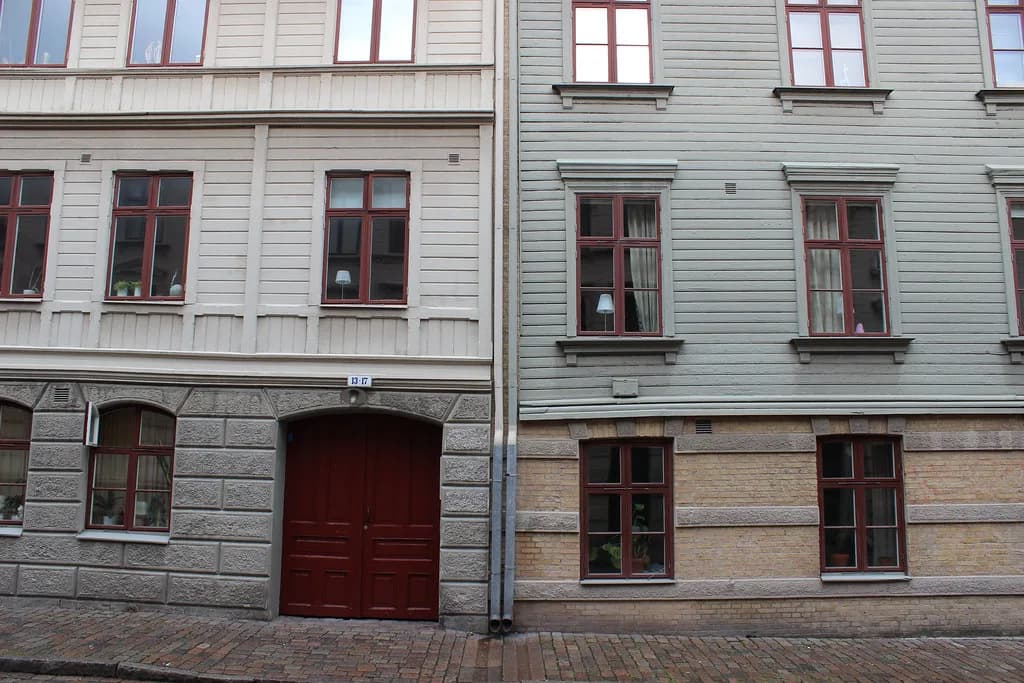
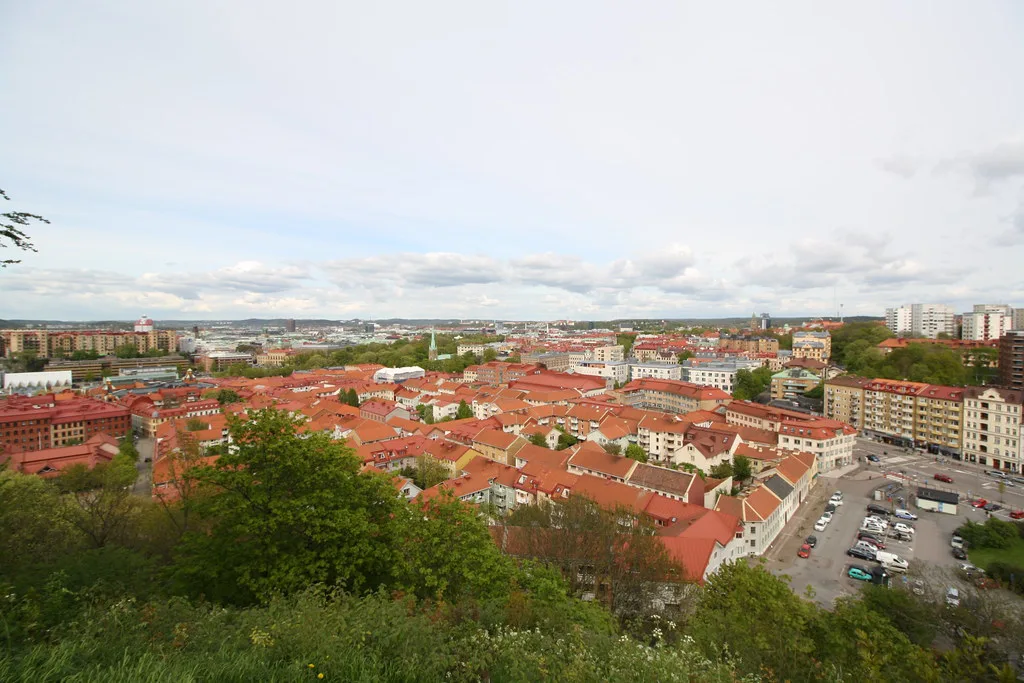
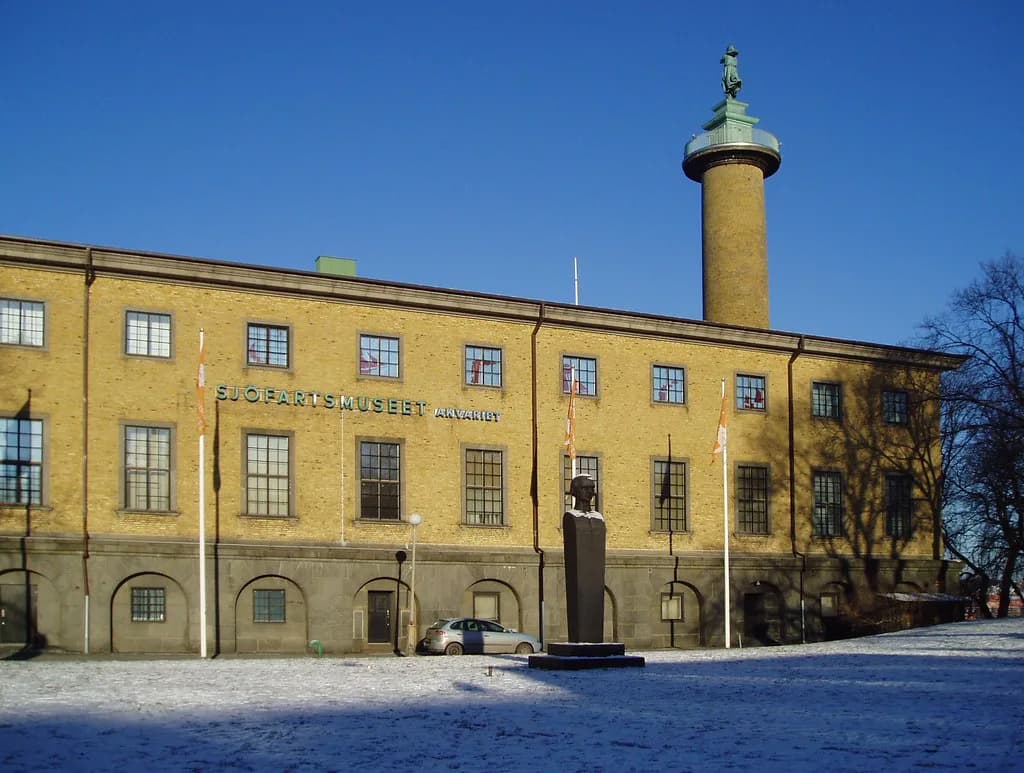
Much of the city's best-value sightseeing comes without an entry fee. Haga is a neighbourhood of cobbled streets, low wooden houses and small shops that costs nothing to wander, and the climb from Haga up to the Skansen Kronan fortress rewards you with a panoramic view over the rooftops and parks — a short but steep walk that is one of the cheapest good viewpoints in town.
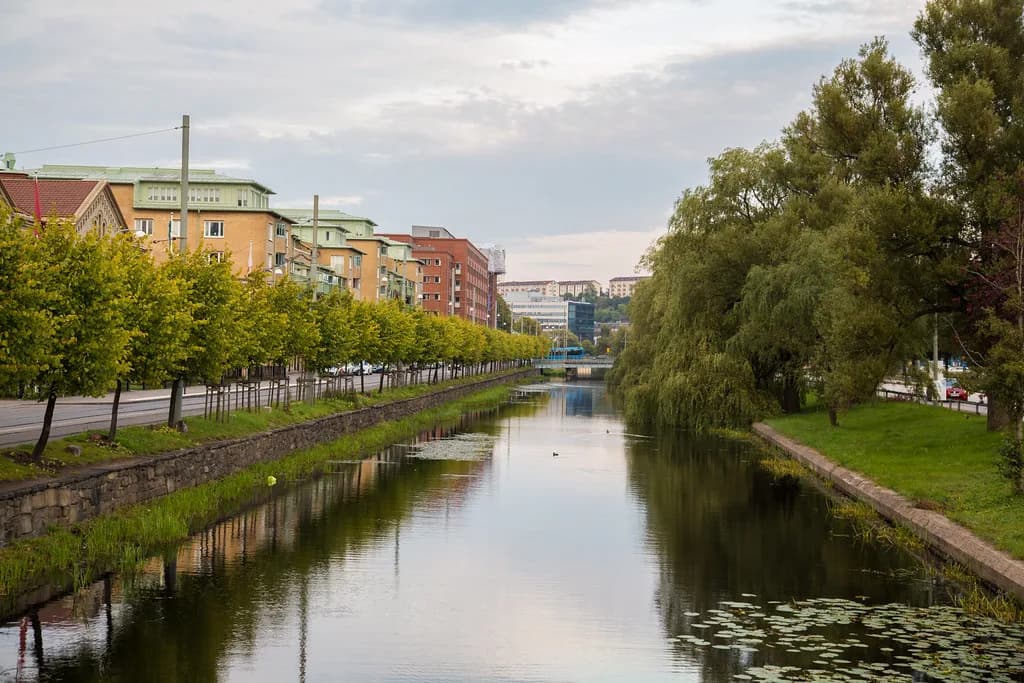
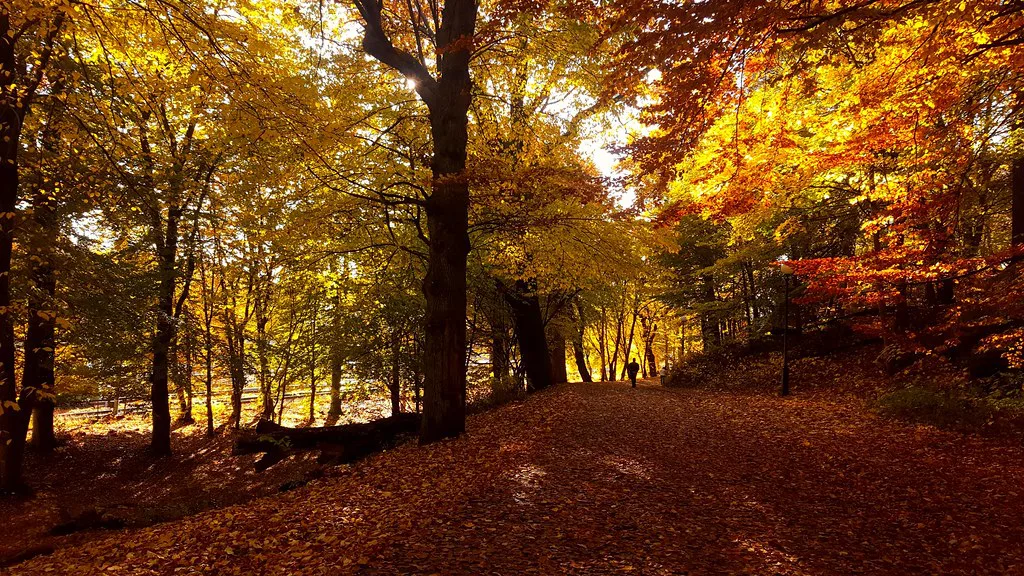
Green space follows the same pattern. Kungsparken runs as a narrow leafy strip beside the canal through the centre, and next to it Trädgårdsföreningen is a carefully kept nineteenth-century park containing the Palmhuset, a glasshouse of exotic plants. That is an easy half-day of interest for very little.
Haga, Skansen Kronan and the parks: a low-cost morning
String these free stops into one morning and the only thing you are likely to spend on is a coffee. Start in Haga, where the café-lined main street and antique shops keep you occupied without an entry fee, then take the steep path up to Skansen Kronan for the view before dropping down to the canal-side parks.
Carry a water bottle and a picnic, since the fortress hill and Kungsparken both invite sitting down, and you have a morning that costs little more than a bun. That pattern — one paid activity in the afternoon, a free morning around it — is how a Gothenburg weekend stays affordable without feeling like a compromise.
Getting around: Zone A tickets and the ferry to the archipelago
Public transport is one of the better deals in the city. A Zone A pass covers travel within the Gothenburg area and, according to a recent visitor account, can extend to the ferries out to the archipelago, so island-hopping may come as part of the ticket rather than as a separate excursion cost — confirm current zone coverage and ferry inclusion before you travel.
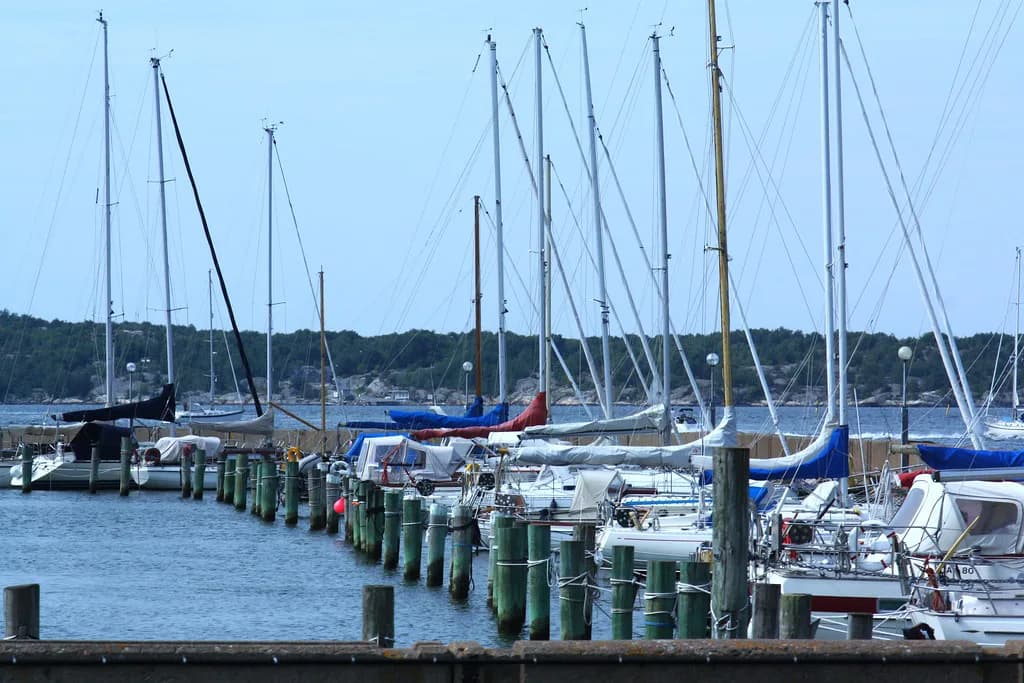
The ferry is the easy way across. A bus to Saltholmen puts you at the ferry terminal in under an hour from the centre, and the islands are car-free and small enough to explore on foot, which means no further transport spending once you are across.
Ferries to Brännö, Styrsö and Vrångö and what they add to the bill
The three islands most worth your time are Brännö, Styrsö and Vrångö, all suited to gentle walks and a swim rather than paid attractions. Vrångö in particular is a place for a coastal path and sea air, not for spending money, which is exactly why the archipelago day is such good value on a tight budget.
Plan the island day as a full day and consider taking provisions with you, so the day stays close to free apart from the transport pass. The walking, swimming and coastal paths are what the islands do best, and none of that carries an entry fee.
Fika and coffee: the everyday cost that adds up
Fika — a coffee and something sweet, taken as a proper pause — is the small, repeated spend that adds up across a city-break bill. Two or three a day across a long weekend is several times the price of one, so choose your cafés deliberately rather than drifting into the nearest one whenever you feel tired.
For a memorable version, Café Husaren in Haga is known for oversized cinnamon buns, which at least makes the spend feel like an event rather than a routine stop. Treat fika as a small cultural experience to budget for once or twice a day rather than an unlimited drip of coffees.
Filling a day without spending much
A full day in Gothenburg with almost no entry fees is easy to build: a morning in Haga, the Skansen Kronan climb, a packed lunch, an afternoon in Kungsparken, and a waterfront walk as the light softens. None of these charged for entry when this guide was researched, and the day feels full rather than thin.
Save paid attractions — a museum, a boat trip, or a look inside Feskekôrka — for one or two focal points rather than stacking them. Budgeting for one paid experience a day keeps the trip affordable while still giving the weekend a shape.
Where a bigger budget goes further
With more to spend, Gothenburg rewards you with seafood rather than with expensive attractions. The city is known for its seafood, so a proper meal at one of the harbour-side spots or a food hall such as Saluhallen is where extra money buys the most memorable part of the trip.
The same logic applies to the archipelago: a longer ferry day and a good lunch on Styrsö or Vrångö costs little more than the transport you have already paid for. The upgrade that matters is time, not tickets.
How many days you need before the cost per day drops
A long weekend is the natural length for Gothenburg, and the highlights can be squeezed into one or two days if you must. The trade-off is that short trips carry the same fixed costs — flights and accommodation — spread over fewer days, so the daily cost looks steeper than it really is.
Adding a third day or a fourth usually cuts the average cost per day, because the free walking, park and ferry experiences fill extra days at almost no marginal cost. If your budget is tight, stretching to three days often feels cheaper than cutting to one.
Is Gothenburg more expensive than Stockholm?
Stockholm is the bigger capital with a deeper bench of major museums, while Gothenburg's advantage is scale: a smaller centre, free viewpoints and easy archipelago access mean you can build a satisfying weekend with fewer paid entries.
So Gothenburg is not cheaper in the sense of being a bargain destination; it is simply easier to do cheaply. If you want a city break where free viewpoints, parks and island walks carry much of the day, Gothenburg is worth considering on a modest budget.
Where to trim your Gothenburg budget
Gothenburg is expensive in the way that Sweden is expensive, but the costs that hurt are the flights and the accommodation you book in advance, not the days themselves. Build each day around one paid focal point and let Haga, Skansen Kronan, the parks and the island ferries do the rest of the work.
Travel within the city is where the smart saving lives: a local pass may cover the archipelago ferries, so a whole island day can cost little beyond a ticket you would buy anyway — check current coverage before relying on it. Budget for fika as a treat rather than a habit, and put your money into one good seafood lunch instead of a string of small ones. For more, see the Gothenburg Itinerary and the Gothenburg City Break guide.
Explore more Gothenburg guides
Sources
Notes for your next Swedish city break
Optional updates to our Sweden guides.
You might also like
Continue reading
More guides you'll find useful