How Many Days in Gothenburg? 1, 2 or 3 Days
Two days in Gothenburg covers Haga, the canals and a viewpoint. Add a third for museums or the archipelago, and keep one day for a short city break.
On this page
Two days in Gothenburg is enough for most city-break travellers. That gives you Haga, the Kungsportsavenyn boulevard up to Götaplatsen, a viewpoint and a Paddan canal tour without rushing. One day is tight but workable because the centre is compact; a third day is worth adding only if you want museums or time in the archipelago.
This guide matches each extra day to what it actually adds, explains how the districts fit together on foot, and sets out the summer-versus-off-season trade-off. It also points you to the separate pages for a fuller Gothenburg itinerary and a shorter Gothenburg city break.
How many days in Gothenburg: the short answer
Treat two full days as the baseline. Gothenburg is Sweden's second city but a laid-back, walkable one, and many of the sights sit within a 15–20 minute walk of the centre, with trams and buses filling the gaps. That scale is why a weekend covers the headline districts and why one day feels thin only if you try to add museums.
Go to three days if you want both a museum and an archipelago outing; the city and the islands pull in different directions and each needs half a day or more. Go to one day only if you accept a taster: Haga, the Avenue and a canal tour, with nothing else. For the one-day version, see One Day in Gothenburg.
What one day in Gothenburg covers
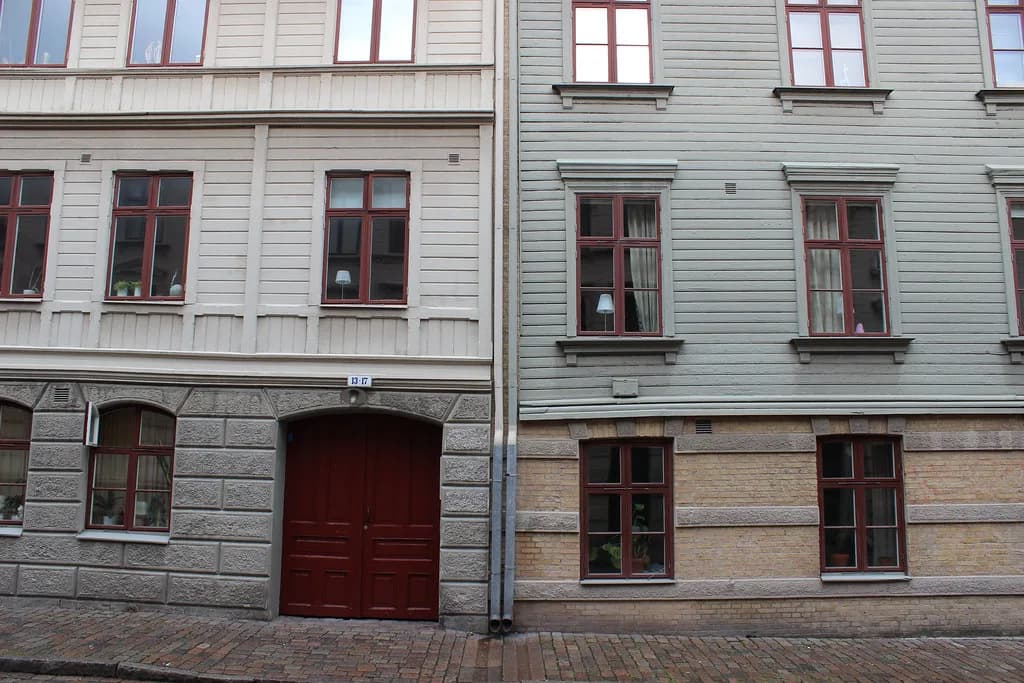
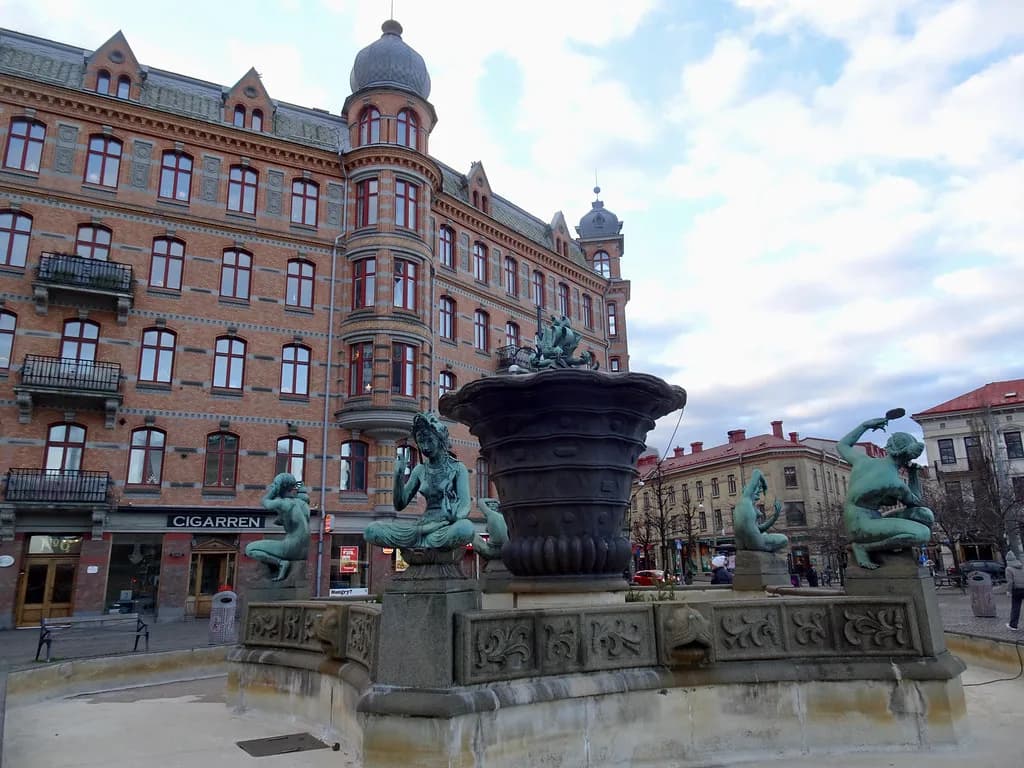
A single day works best as a loop through the centre. Start in Haga, the old workers' district of cobbled streets and wooden buildings now filled with small shops and cafés, then walk the Kungsportsavenyn boulevard to Götaplatsen for the Poseidon statue, the art museum and the concert hall at the top end. From there, drop down to the canals and the Göta River frontage.
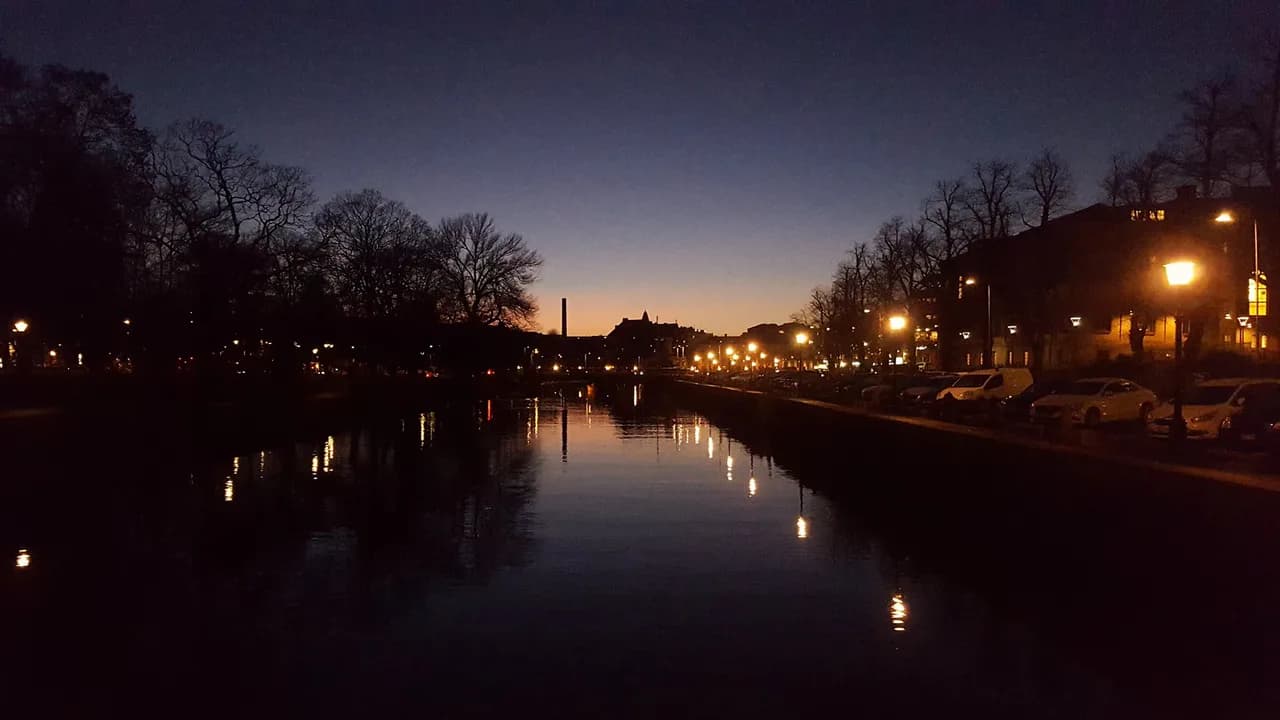
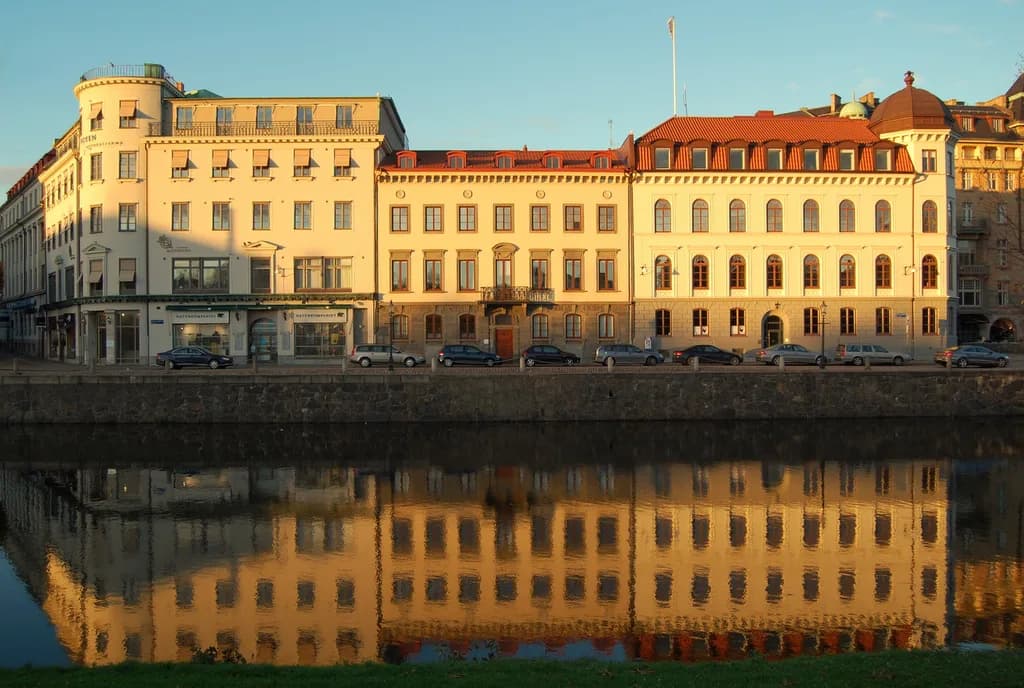
The Paddan boat tour is the efficient way to see the water side: it runs from Kungsportsplatsen for just under an hour through the remaining canals and out onto the river, past the opera house and Feskekôrka. Book it as your mid-afternoon anchor and build the walking around it. A one-day Gothenburg day trip leaves no room for a museum, so choose the boat over a gallery.
Two days: Haga, the canals and a viewpoint
With two days you can split the city. Give day one to Haga, the Avenue, Götaplatsen and the canal tour, then use day two for a viewpoint and a second district. Skansen Kronan is the pick for views: a former fortress on a hill above the city, now used for functions, with the climb rewarding you because Gothenburg is otherwise flat and short of vantage points.
Fill the rest of day two with Trädgårdsföreningen, the central park and garden, or take the tram out to Linné for the Botaniska Trädgården. If gardens are not your thing, walk the waterfront instead and look across to Nya Älvsborg Fortress at the mouth of the river. Two days lets you pick two of these, not all four.
Three days: adding museums or an archipelago trip
The third day is where the choice gets interesting. Stay in the city and you can give a proper half-day to the Gothenburg Museum of Art and another to the city museum, which holds Äskekärrsskeppet, the country's only exhibited Viking ship. That is a solid wet-weather or culture-heavy plan, and it keeps you close to Haga and the centre.
The alternative is the archipelago: Göteborg's identity is tied to the sea and its island chain, and a day out there is the reason many people add a third night. The trade-off is real. An archipelago day means no museum and a lot of time on ferries, so it suits travellers who prefer landscape to galleries. Ferry times and routes change with the season, so check the operator's own timetable before committing.

How Gothenburg is laid out and how much you walk
The city sits on the Göta River and the sea, with a handful of canals left from its Dutch-influenced origins. The historic core is small: Haga, the Avenue, Götaplatsen, the canals and the riverfront all sit within walking distance of each other. Expect to cross tram tracks, roads and cycle paths as you go, so keep your head up at junctions.
For anything further out, trams and buses are the practical option, with bike and e-scooter hire as alternatives in good weather. Plan your days by district rather than by attraction list: Haga and the centre in one block, Linné and the gardens in another. That structure is what an itinerary should protect.
When to go: summer days versus the rest of the year
Summer is the easiest season for a short visit. The days are long, the parks and gardens are at their best, and the city has a warmer, more outdoorsy feel. That matters when your plan depends on walking the waterfront and taking a canal boat rather than standing in museum queues. The flip side is that summer is when everyone else has the same idea.
Outside summer, build more indoor time into the plan. The Gothenburg Museum of Art, the city museum and the museums covered on the Gothenburg Attractions hub page fill a wet day well. The trade-off is that a short daylight window makes an archipelago day less appealing, so lean towards the city and keep the islands for a return trip.
What a Gothenburg city break costs
Package holidays quote their own all-in figures, and those are not the same as the cost of visiting the city independently. The Regent summer break includes return flights, three nights, airport transfers and a 72-hour Go City pass, with the pass covering the hop-on-hop-off sightseeing bus and boat. Read any package price as a bundle, not as a daily budget.
For day-to-day spending, budget separately for museums, the Paddan tour and meals. The Go City pass bundled into that package only makes sense if you will actually use the bus, boat and enough included sights to beat the individual ticket total. Our guide to whether Gothenburg is expensive sets out the costs in more detail.
Gothenburg in one to four days: a quick comparison
One day: Haga, the Avenue to Götaplatsen and a Paddan canal tour, with no museum. Two days: add Skansen Kronan and one of Trädgårdsföreningen or the Botaniska Trädgården. Three days: choose between a museum half-day and an archipelago outing. Four days: do both, and add a slower morning in Haga without watching the clock.
If you are weighing Gothenburg against the capital, the comparison is less about size than pace: Gothenburg is the more laid-back of the two, and it rewards a shorter trip. Our Gothenburg vs Stockholm page covers that decision directly.
Should you book two days or three?
Book two days unless you already know you want the archipelago or a museum day. Two days covers the city's core without turning the trip into a checklist, and it leaves room for a slow fika in Haga. Add the third day if the islands are the reason you are coming, and treat the city as the warm-up.
Our Gothenburg City Break guide takes the two-day plan further, and the one-day page is there if your time is tighter. Landvetter Airport sits outside the city, with the Flygbussarna coach running into the centre, so factor the transfer into whichever length you choose.
Explore more Gothenburg guides
Frequently Asked Questions
Is Gothenburg expensive for tourists?
Sweden is a high-cost country, and Gothenburg is no exception, though the city is largely cashless so you will pay by card almost everywhere. The bigger variable is what you add: canal tours, museum tickets and archipelago transport all push the total up. Our cost guide breaks it down.
How far apart are Stockholm and Gothenburg?
They are on opposite sides of southern Sweden, and the train is the usual way between them, taking most of a day. If you only have a short break, pick one city rather than trying to combine both.
How many days in Sweden is enough?
For a city break, two to three days in one city is realistic. Gothenburg fits that shape well; adding Stockholm or the archipelago extends the trip rather than filling it.
Sources
Notes for your next Swedish city break
Optional updates to our Sweden guides.
You might also like

Continue reading
More guides you'll find useful