Is Gothenburg Worth Visiting? An Honest Take for a City Break
Yes, Gothenburg is worth visiting for canals, Haga's cafés, Feskekôrka and car-free Brännö. Here is what it does well and who should pick Stockholm.
On this page
Yes, Gothenburg is worth visiting if you want a compact, walkable city with canals, a historic neighbourhood, a famous fish hall and car-free islands a tram ride away. It rewards travellers who like wandering and fika stops more than ticking off big-ticket sights. This guide sets out what the city does well, how many days it needs and where the trade-offs lie.
What Gothenburg does well: canals, islands and a walkable centre
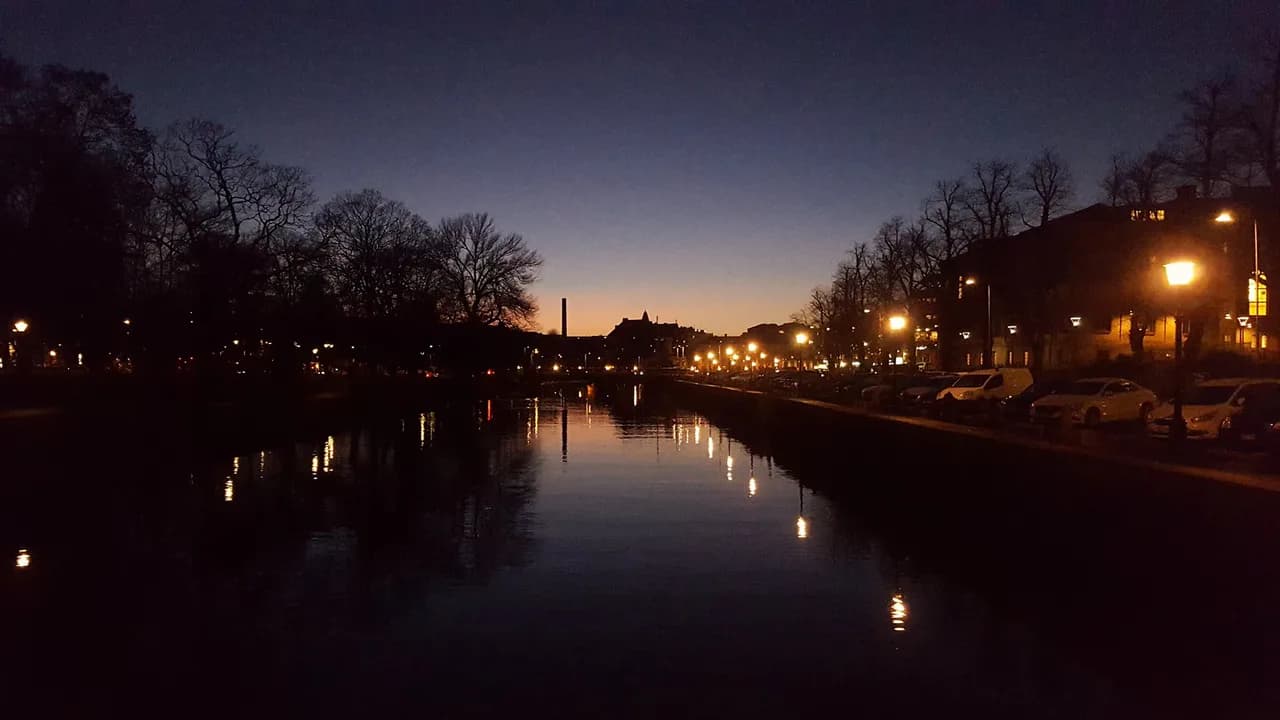
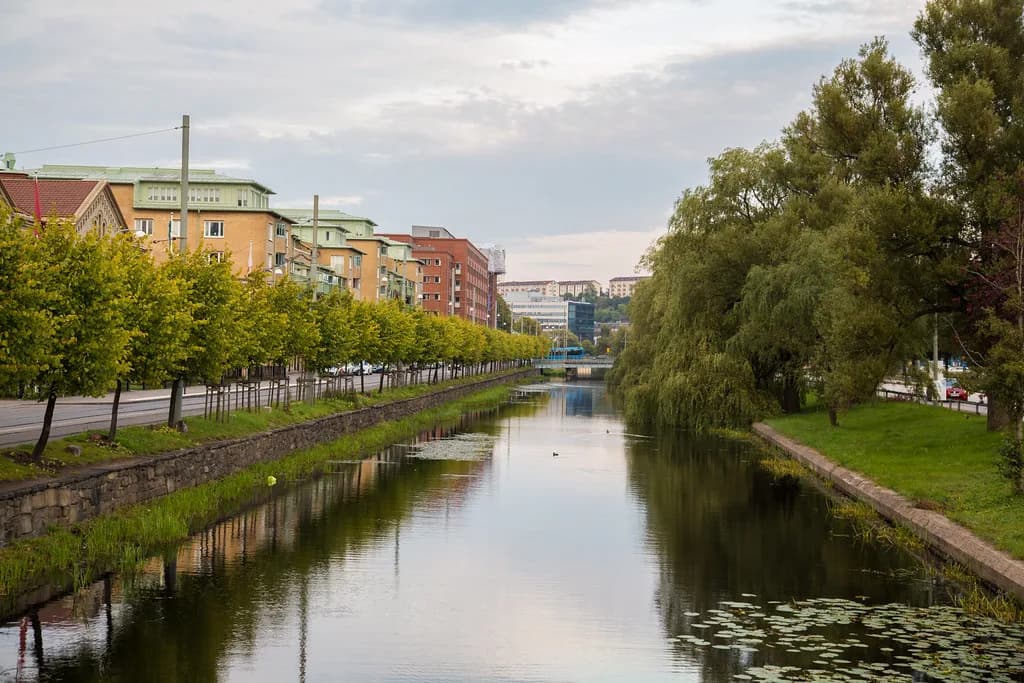
Gothenburg, or Göteborg, is a port city built around water, and much of its appeal comes from moving between the centre, the old neighbourhoods and the harbour on foot. It has a reputation as an under-the-radar destination free from much of the big-city crush, which is exactly the mood a short break here delivers. Plan on walking between districts rather than treating each sight as a separate trip.
The other advantage is the sea. The southern archipelago begins within the city's transport network, so you can pair an urban morning with an island afternoon without hiring a car. That combination of city and coast in one short break is the strongest argument for choosing Gothenburg.

Haga and the Garden Society park: the neighbourhood to start in
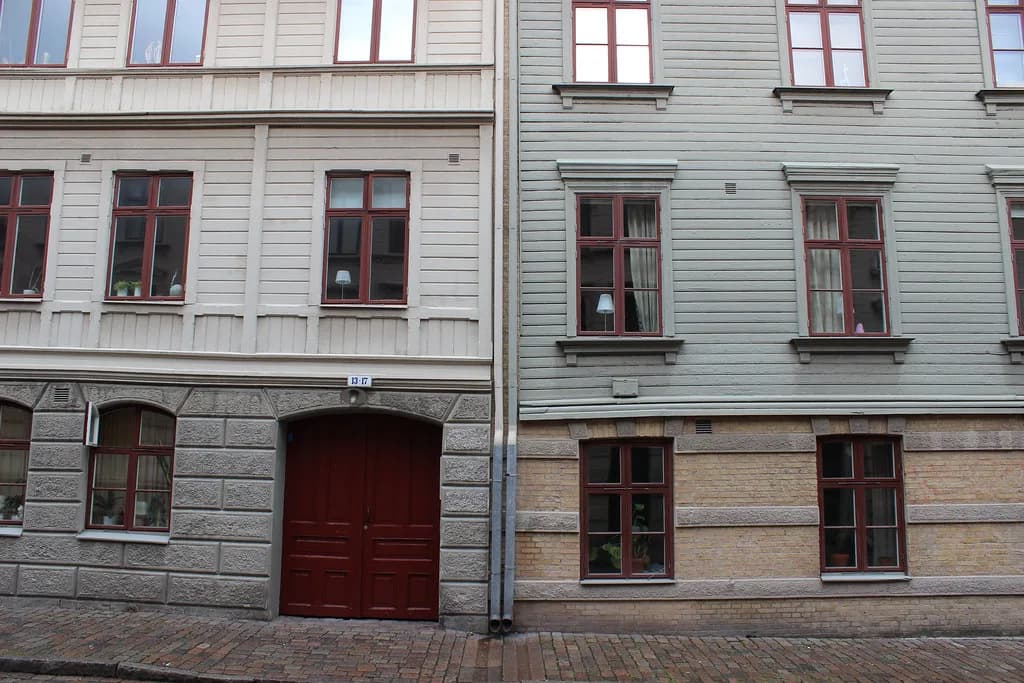
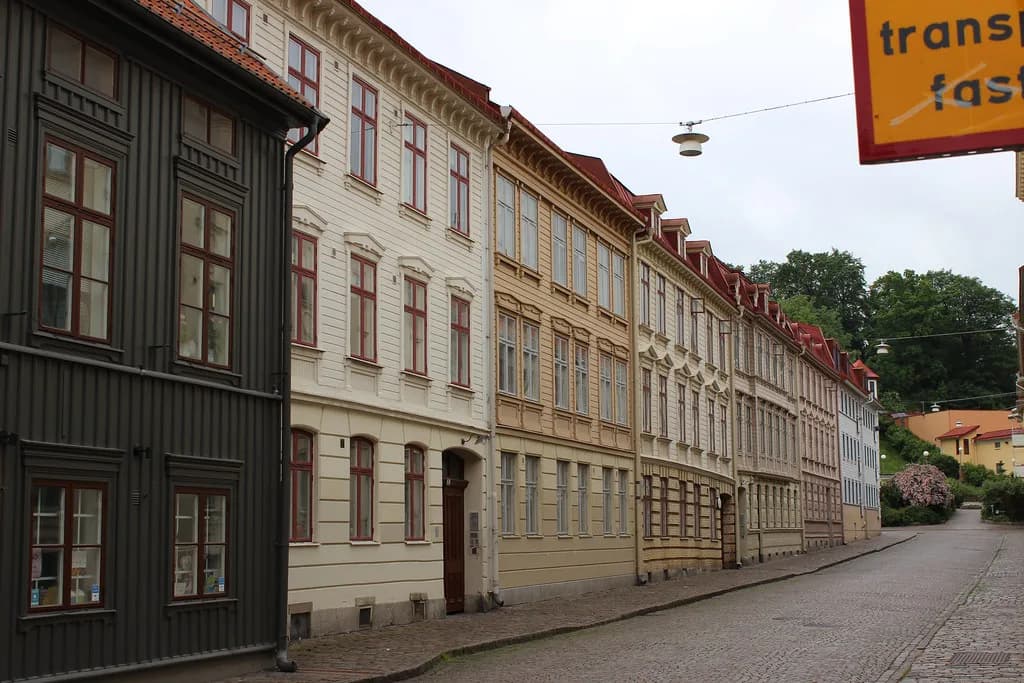
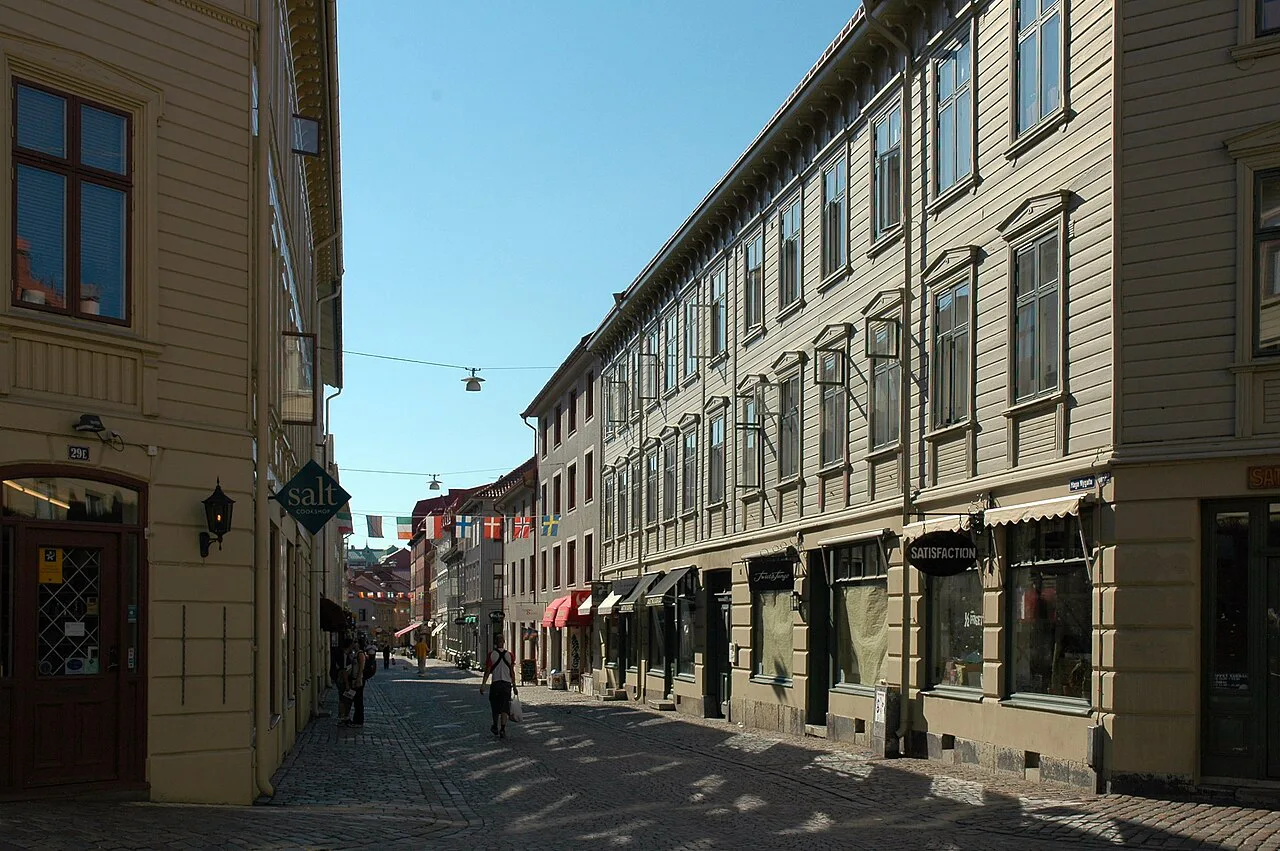
Start in Haga, the oldest neighbourhood in Gothenburg, where preserved traditional houses now hold independent shops and coffee shops. It is a place for pottering rather than sightseeing, and the homeware and design shops are good enough that luggage space becomes a genuine consideration. Fika, the Swedish coffee break, is the rhythm of the district, so build in time for a bun and a coffee instead of rushing through.
Walk from Haga into the Garden Society of Gothenburg park, one of the best-preserved nineteenth-century parks in Europe, with tree-lined paths and a rose garden. The palm house dates from 1878 and was modelled on the London Crystal Palace, and it holds a collection of tropical plants. Pair the two in a single half-day: Haga first, then the park and palm house.
Feskekôrka, Skansen Kronan and the views over the city
Feskekôrka, the city's fish hall, is a Gothenburg landmark; its name means fish church and the building lives up to it. From the centre you can climb to Skansen Kronan for a look out over the city, which gives you a clear sense of how the districts fit together. Do the viewpoint on a dry day and treat it as a pause between neighbourhoods rather than a destination in itself.
Two days is enough to cover Haga, the Garden Society park, Feskekôrka and Skansen Kronan at a relaxed pace, with time for coffee between each. If you want each stop in a fixed order, the Gothenburg Itinerary on this site sequences them into a walkable route. The trade-off is that adding a museum or an island leaves the centre feeling squeezed.
Brännö and the southern archipelago: a car-free day out by tram and ferry
Brännö is one of the southern archipelago islands, home to just over 800 people and reached by tram to the ferry port and then ferry, with the ferry covered by the same ticket. Cars are not allowed on the island, so the roads are narrow and quiet, and a path leads to the nature reserve with woodland and coastal walking. Buy the tram ticket from a newsagent before boarding; it is valid for a couple of hours.
The honest trade-off is time. Brännö gives you a calm, car-free island coast within the city's transport network, but the tram and ferry legs eat a chunk of a short break. On a two-day trip, choose either the island or a museum afternoon, not both.
Fika in Gothenburg: cinnamon buns and coffee as a short cultural stop
Fika is treated as an art in Sweden, a coffee break built around bespoke biscuits, cakes and buns, and Gothenburg does it well. Café Da Matteo has several branches around the city and the Magasinsgatan branch roasts its own coffee beans, so it makes a natural stop after browsing the nearby design shops. Keep it short: treat fika as a pause between sights, not an event in itself.
Cinnamon and cardamom buns are the standard order, and the spread of cafés means you are rarely far from one. That density is a reason the city suits slow travellers, but it also means a day of cafés can quietly replace a day of sights. Plan one fika stop per afternoon and walk between them.
How many days Gothenburg needs: one, two or three
One day covers the centre, Haga and the Garden Society park at a brisk pace, but leaves no room for the water. Two days is the sweet spot: the city walk on day one, then either Brännö or the Skansen Kronan viewpoint and Feskekôrka on day two. A third day adds breathing room for the archipelago.
If your dates depend on flights, work backwards from arrival rather than from an ideal plan; the Gothenburg city break guide covers the practical shape of a two- or three-night stay, including how Landvetter Airport fits into the trip. Build the island day for the middle of the stay, so a wet or rushed arrival does not cost you the ferry.
Who will love Gothenburg and who may not
Gothenburg suits travellers who enjoy walking, coffee, design shops, waterfronts and quiet islands, and who are happy with a city that unfolds as you stroll rather than presenting a single headline sight. It also works well for a first Swedish city break because the centre is compact and the archipelago is easy to reach. Those who want a long list of major museums and palaces in a few days will find the pace here different.
It does not suit anyone who wants a non-stop schedule. The pleasure of the place is in slow afternoons in Haga, a coffee stop on Magasinsgatan and a walk to Skansen Kronan, and a tight itinerary will make the city feel thinner than it is.
Gothenburg or Stockholm: the trade-off
Stockholm has more sights and larger museums, and most travellers choosing between the two will notice that immediately. Gothenburg's answer is a smaller, calmer city where Haga, Feskekôrka and the southern islands sit close together, and where the day out is a tram and ferry rather than a boat trip from a capital. The wider Gothenburg Attractions guides let you compare what is actually on offer before you book.
Fewer crowds and a walking-scale centre make Gothenburg the better fit for a short break built around wandering, cafés and coast. If your priorities are museums and a grand capital, pick Stockholm instead.
Is Gothenburg expensive for a city break?
Costs here are in Swedish kronor, and Sweden runs largely cashless, so a card or phone is the practical way to pay for trams, ferries and cafés. Tram tickets can be picked up from newsagents before boarding, which is worth knowing before you arrive. Check current prices with the operators rather than relying on old figures, since they change.
A two-day trip built on walking, one island day and a few fika stops keeps costs modest, because the main sights are streets, parks and waterfronts rather than ticketed attractions. Coffee and buns add up if you stop at every café, so pick one or two deliberately. Flights to Gothenburg from the UK page sets out the route options if travel cost is your deciding factor.
Should you book Gothenburg?
Book Gothenburg if you want two or three days of walking between Haga, the Garden Society park, Feskekôrka and Skansen Kronan, with a car-free island day on Brännö in the middle. Choose Stockholm instead if you need a dense list of major sights.
If your dates are short, check the One Day in Gothenburg plan before you commit, and leave room for a slow afternoon rather than filling every hour. The city rewards the second coffee.
Explore more Gothenburg guides
Frequently Asked Questions
Is Gothenburg nicer than Stockholm?
Neither city wins outright: Stockholm has more sights and larger museums, while Gothenburg is smaller, calmer and easier to walk, with Haga, Feskekôrka and the southern islands close together. Pick Gothenburg for a relaxed short break and Stockholm if museums and a grand capital are your priority.
What are the top cities in Sweden for a short break?
Stockholm, Gothenburg and Malmö are the three that work best without a car, and each has a walkable centre. Gothenburg stands out for combining a compact city with a car-free island day reached by tram and ferry.
What should I avoid doing in Gothenburg?
Do not try to cram Brännö and a full day of city sights into the same day, because the tram and ferry legs take a real chunk of your time. Also buy your tram ticket from a newsagent before boarding, as the same ticket is valid for a couple of hours and covers the onward ferry.
Sources
Notes for your next Swedish city break
Optional updates to our Sweden guides.
You might also like
Continue reading
More guides you'll find useful