Gothenburg Old Town: What to See and How to Walk It
Gothenburg's old town means Haga, the city's oldest district. Walk Haga Nygata, stop for fika at Café Husaren and climb to Skansen Kronan for the city view.
On this page
Gothenburg's old town is Haga, the city's oldest district, a grid of cobbled streets and old wooden houses about ten minutes' walk from the centre. Allow an hour to walk it, or two if you want a coffee stop and the climb to Skansen Kronan. This guide covers how to find Haga, what to look at along Haga Nygata, the fortress hill above it and the honest trade-offs of each stop.
Why Haga is Gothenburg's old town
Unlike Stockholm's Gamla Stan, Gothenburg has no intact walled core left to wander, so the historic streets visitors come for are in Haga. Haga was laid out after 1648 under Queen Kristina as the city's first suburb, housing fishermen and dock labourers within reach of the port. That working origin still shapes the place: low houses, narrow plots and a lived-in feel rather than monumentality.
In the 1960s a redevelopment plan would have swept away Haga's old houses, and residents organised to stop it. The buildings that survive were saved and restored, which is why the district reads as a preserved neighbourhood rather than a museum set. If you only have time for one historic quarter in Gothenburg, this is the one to pick.
How Haga is laid out and how to find it
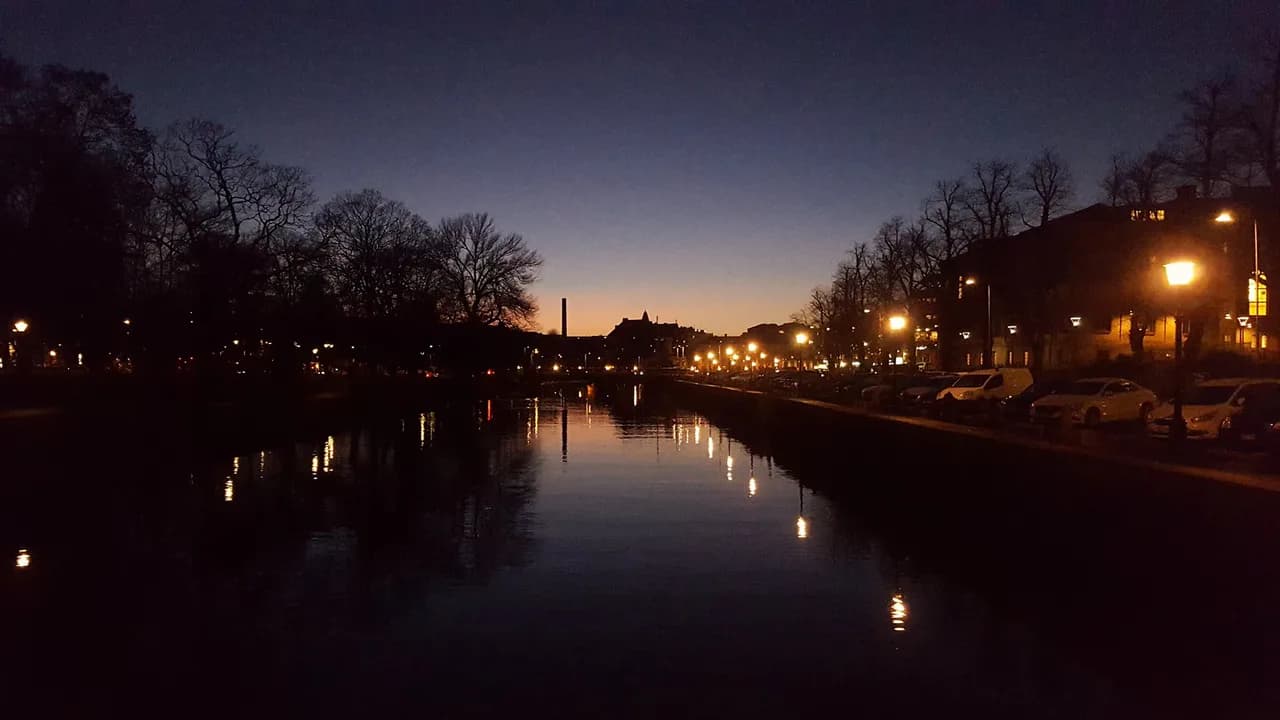
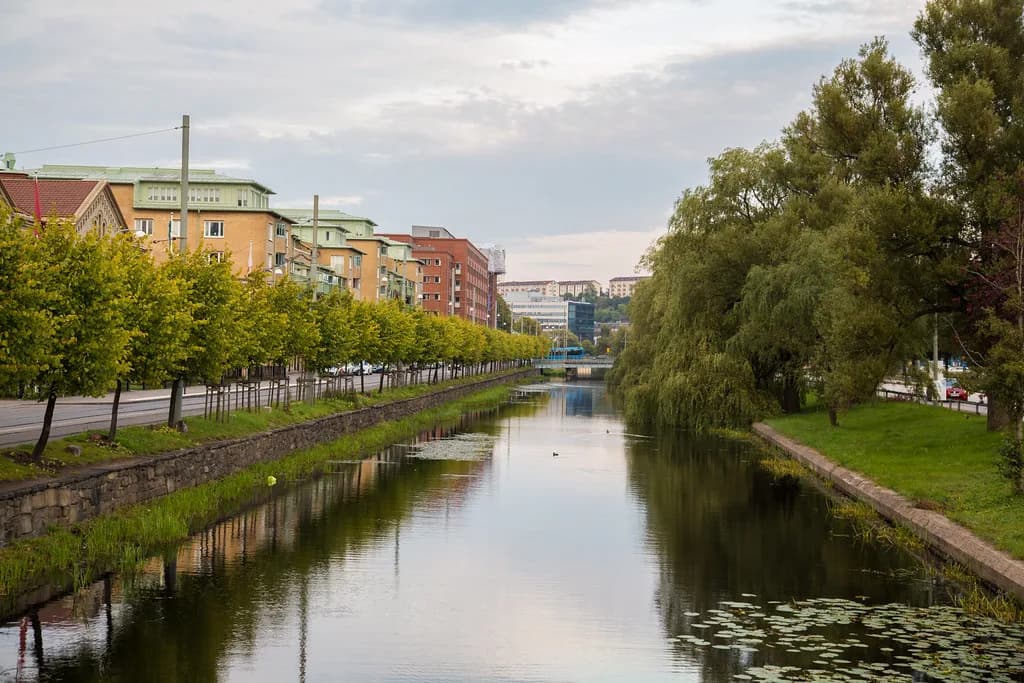
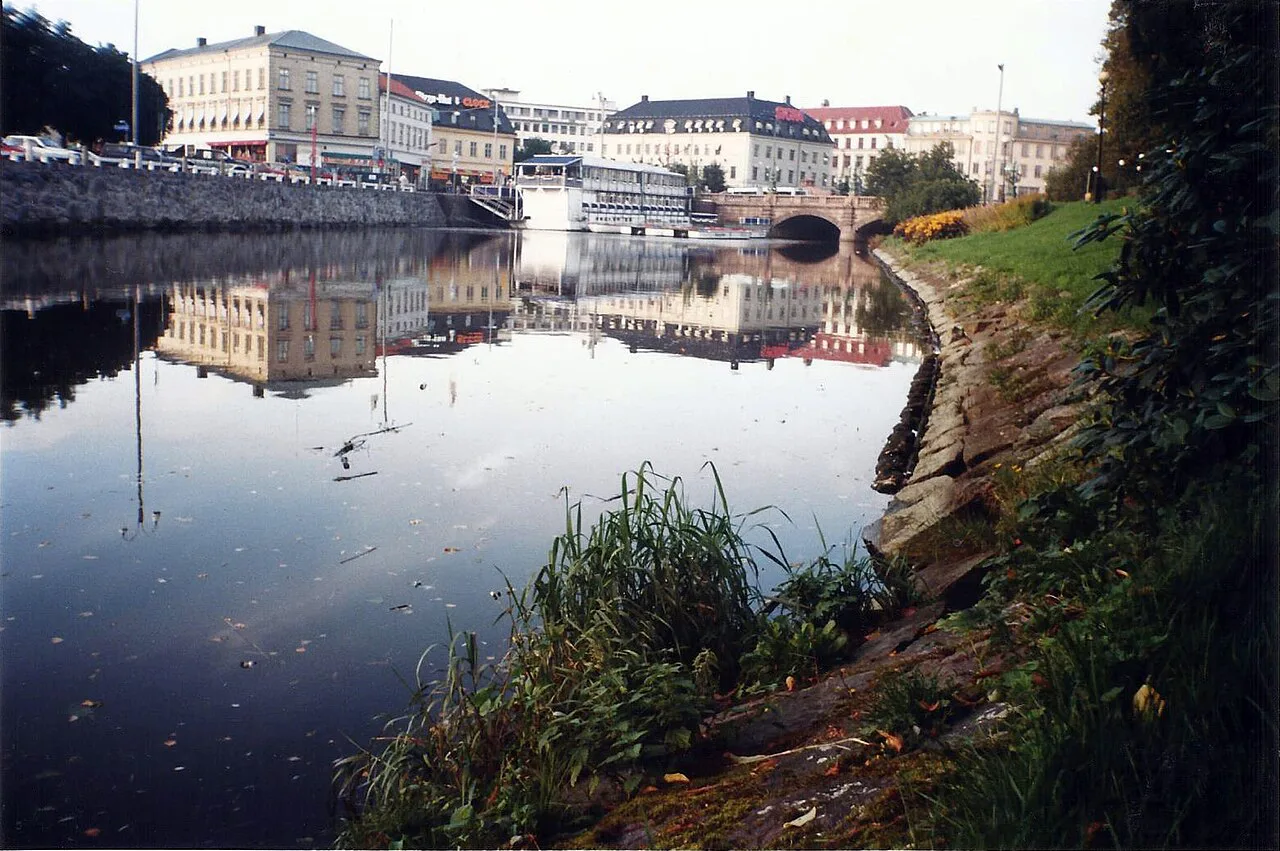
Haga sits inland from Avenyn, Gothenburg's main boulevard, and is easiest to approach by following the canal towards the Skansen Kronan tower until you reach Järntorget. From the square, face Linnégatan and the blue trams, then turn slightly left to spot the cobbled street lined with wooden houses. The flag-strung entrance to Haga Nygata is hard to miss once you are in the right spot.
Inside the district the layout is simple: Haga Nygata runs as the spine, with smaller lanes and courtyards branching off it. Because everything sits on a gentle slope up towards the fortress hill, you are always walking either towards the view or back down from it. Treat Järntorget as your mental anchor and you will not get lost.
If you would rather follow a longer route through the centre before arriving, our Gothenburg walking tour links the main streets and squares into a half-day loop. It is worth pairing with Haga rather than replacing it, since the district rewards slow wandering over a checklist.

Walking Haga Nygata
Haga Nygata is the pedestrian heart of the district, cobbled underfoot and lined with traditional wooden houses, independent shops and cafés. Flags bearing the district's name hang across the street at the entrance, so you know when you have arrived. Give the street at least twenty minutes even on a quick pass, because the appeal is in the small shopfronts rather than any single sight.
The shopping here is independent and small-scale: boutiques, craft shops and delicatessens rather than chains. If browsing is a priority on your trip, our shopping in Gothenburg guide sets Haga alongside the city's other retail streets. Bring comfortable shoes, since the cobbles and the slope punish thin soles.
The landshövdingehus houses: brick below, timber above
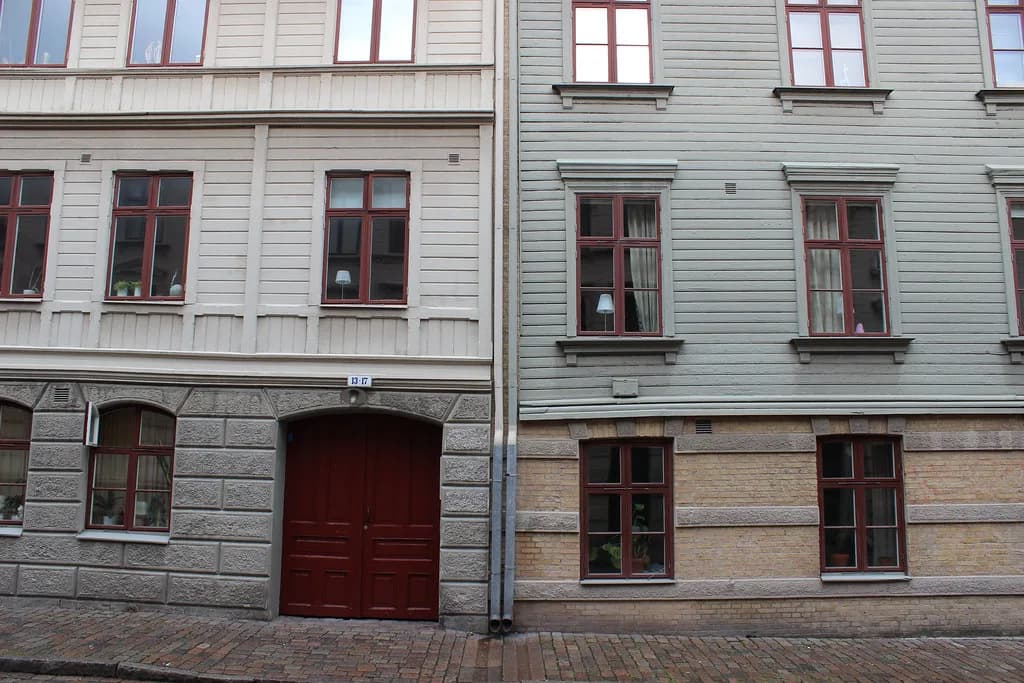
The houses along Haga Nygata are landshövdingehus, a Gothenburg building type with a brick ground floor and timber upper storeys. The form was a response to fire regulations that banned all-wood construction while keeping costs down for working residents. Once you know the pattern, you can spot it across the district and understand why the streetscape feels unlike anywhere else in Sweden.
Look up as you walk: the timber upper floors, painted in muted colours, sit above heavier brick bases, and the effect is domestic rather than grand. It is the detail that best explains Haga's character, and it costs nothing to notice.
Guided walks through the district run for around two hours and explain the area's move from working-class housing to one of Gothenburg's most visited neighbourhoods, with access to hidden courtyards and alleyways. One operator lists its tour from 29 EUR, which is a starting price rather than a fixed rate.
Skansen Kronan: the hill, the fortress and the view
Skansen Kronan sits on the hill directly above Haga, an easy uphill walk from Haga Nygata that takes only moderate fitness. Some sections are steep, so wear proper shoes and take it slowly if you are with children or older walkers. The fortress dates from the 17th century and was designed by Erik Dahlbergh as part of the city's defences against Danish attack, alongside its sister fort, Skansen Lejonet.
The reward is the panorama back over Gothenburg's roofs, which beats the stone fortress itself, impressive as the old cannons are. Treat the climb as the point and the fortress as a bonus. Come for the view rather than an interior visit.
The walk up and the viewpoint cost nothing, making the hill one of the best free things to do in Gothenburg. If your budget is tight, put it at the top of your Haga list rather than a paid attraction elsewhere.
Fika in Haga: Café Husaren and the Hagabullen
Café Husaren on Haga Nygata 28 is the district's best-known fika stop, famous for the Hagabullen, an enormous cinnamon bun often described as among the largest in Sweden. It is big enough to share unless you are very hungry, so couples and families can order one between them and add a second pastry. The café also serves a rich hot chocolate and Swedish cheesecake if you would rather skip the bun.
Fika is the Swedish habit of pausing for coffee and something sweet, and Haga is a natural place to try it, with café terraces spilling onto the street on sunny days. For more options across the city, our Fika in Gothenburg guide covers the cafés worth planning around. Expect to queue at peak times at the best-known addresses.
How long to give Haga
You can walk Haga in about an hour, but two hours lets you stop for coffee, browse the shops and still climb to Skansen Kronan. A whole day is possible on a sunny afternoon if you settle into a terrace and let the pace drop. For most city-break itineraries, an afternoon is the right slot.
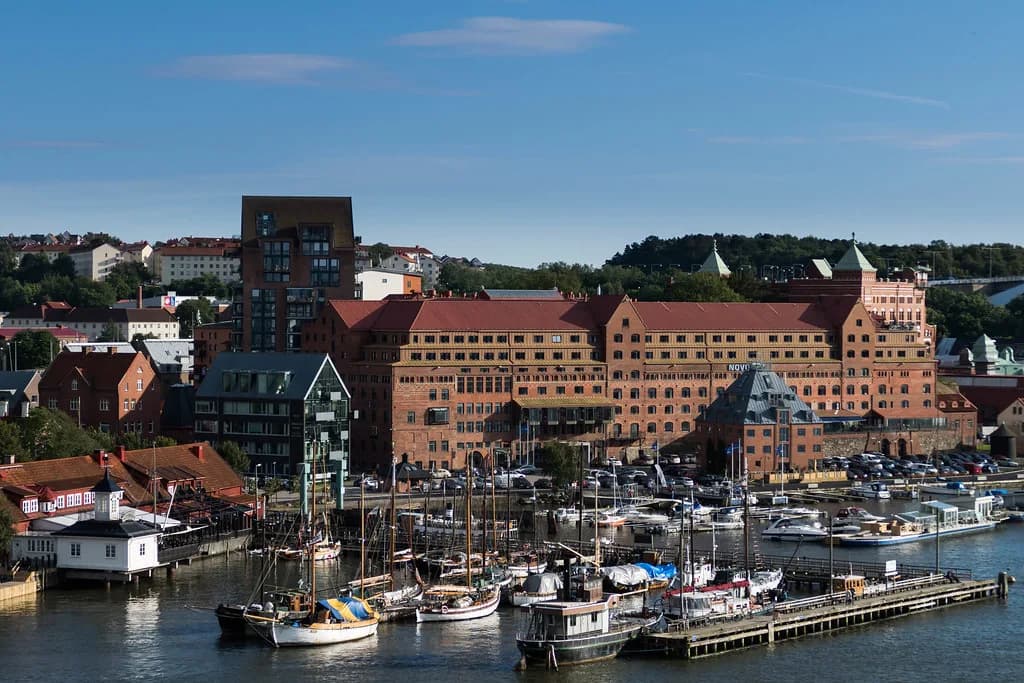
Build the visit into a wider day rather than treating Haga as a standalone trip. Our guide to things to do in Gothenburg shows how the district fits with the harbour, the market hall and the rest of the centre. If you are short on time, do Haga Nygata and the fortress hill and leave the shops for another visit.
Cyclists can reach Haga from the centre using the city's cycle lanes; our cycling in Gothenburg guide covers getting around by bike.
Is Haga worth visiting, and who it suits
Haga suits travellers who want a lived-in historic neighbourhood with coffee, small shops and a viewpoint, rather than a ticketed attraction. It rewards slow walkers and photographers more than anyone ticking off sights in a hurry. If you need a hard-hitting headline sight, the hill view is the closest thing here.
The trade-offs are honest: cobbles and a climb, some steep sections on the way to Skansen Kronan, and a main street that can feel busy on fine weekends. Against that, the district is compact, free to wander and close to the centre. For a short break, it is the single best place to understand what Gothenburg looked like before the modern city grew around it.
Should Haga be on your Gothenburg shortlist?
Yes, if you have half a day and want the city's oldest streets with a view at the end. Walk Haga Nygata, share a Hagabullen at Café Husaren and finish on the ramparts at Skansen Kronan.
If time is very tight, cut the shops and do the street plus the hill. Check café and fortress details with the operators before you go, since these change through the year.
Explore more Gothenburg guides
Frequently Asked Questions
Where else should I explore in Gothenburg after Haga?
The central harbour, the market halls and the main squares make a natural next step after Haga, and the archipelago is reachable by ferry for a longer day out. Browse our Things to Do in Gothenburg guide to choose between them.
Sources
Notes for your next Swedish city break
Optional updates to our Sweden guides.
You might also like

Continue reading
More guides you'll find useful