Sweden in September: Weather, Cities and What's On
September in Sweden brings mild southern days, thinning crowds and the last of the warm-weather boat trips. This guide covers the weather and the best cities.
On this page
September is a good month to visit Sweden for a one-to-four-day city break, provided you pack for rain and treat the archipelago as fair-weather plan. Southern temperatures sit roughly between 8°C and 17°C, and the summer crowds have thinned without the main sights shutting down.
This guide covers what September weather means for Stockholm, Gothenburg and the other cities worth a short trip, how daylight shapes your days, and how the end-of-September wind-down affects what you can book.
Is September a good month to visit Sweden?
Yes, if your trip is city-based. September is shoulder season, so visitor numbers fall but the main destinations still see plenty of travellers, and accommodation and activities often come at better rates than in high summer.
The trade-off is rain. The travel-planning site kimkim reports that September is Stockholm's wettest month, with close to 3 inches (about 76 mm) expected, so any plan built around a boat trip or a long walk needs a museum or gallery as backup. Southern Sweden stays pleasant at 8°C to 17°C with about 5.5 hours of average daily sunshine, enough for a full day outdoors if you start early.
If your dates are flexible, compare September with the months either side using our guide to the best time to visit Sweden for a city break; the difference between a warm, busy August and a cooler, quieter October is mostly in the crowds and the daylight.

What the weather is like in southern and northern Sweden in September
Treat Sweden as two climate zones in September rather than one. In the south, days typically range from 8°C to 17°C and the water averages around 14°C; in the north, temperatures drop to 3°C to 10°C, though snow has not yet arrived.
Is September a good month to visit Sweden? Yes for a city break: southern temperatures are mild, the summer crowds have thinned and the archipelago is still usable by boat or kayak. Rain is the main drawback, especially in Stockholm, which a travel-planning source reports as the country's wettest city in September, so plan indoor alternatives.
Does anything close in Sweden at the end of September? Many businesses wind down at the end of September for the winter, and some cut their hours before that. Check the operator's own website for the week you travel and have a second choice for each day, especially for ferries and seasonal attractions.
Are three days enough for Stockholm? Three days covers Gamla Stan, Djurgården, Södermalm and a half-day archipelago trip at a comfortable pace. Two days means dropping the islands or the museums, so decide which matters more before you book.
By the meteorological definition VisitSweden uses, autumn arrives on the first day of five with a temperature below 10°C, which is why the north turns golden while Stockholm and Malmö are still mild. That definition helps explain why the colours start early in Lapland and late in Skåne.
For a city break, the practical takeaway is that Stockholm, Gothenburg, Malmö, Uppsala, Lund and Visby all sit in the milder southern band, so you can plan outdoor sightseeing without winter clothing. Bring a waterproof layer and shoes that cope with wet cobbles, especially in the old towns and along Gothenburg's canals.

Why September counts as Sweden's shoulder season for crowds and costs
September sits between the peak summer months and the colder half of the year. Crowds have thinned but key destinations remain busy, and many businesses wind down at the end of September for the winter, which is when you find better deals on accommodation and activities.
That wind-down matters for planning: a ferry or guided tour you saw online may cut its hours or close for the season as September ends, so check the operator's own website for the week you travel before you build a day around it.
The upside is that you get the main sights without July queues, and a short break of one to four days fits neatly into the window before things close. For a comparison, our April guide runs through how a spring shoulder-season trip compares.
How much daylight you get in September
Days shorten quickly through September, and southern Sweden gets about 5.5 hours of average daily sunshine. That is not the same as daylight: the sun rises and sets later than in Midsummer, so evenings draw in noticeably by the end of the month, which affects how many sights you can fit into an afternoon.
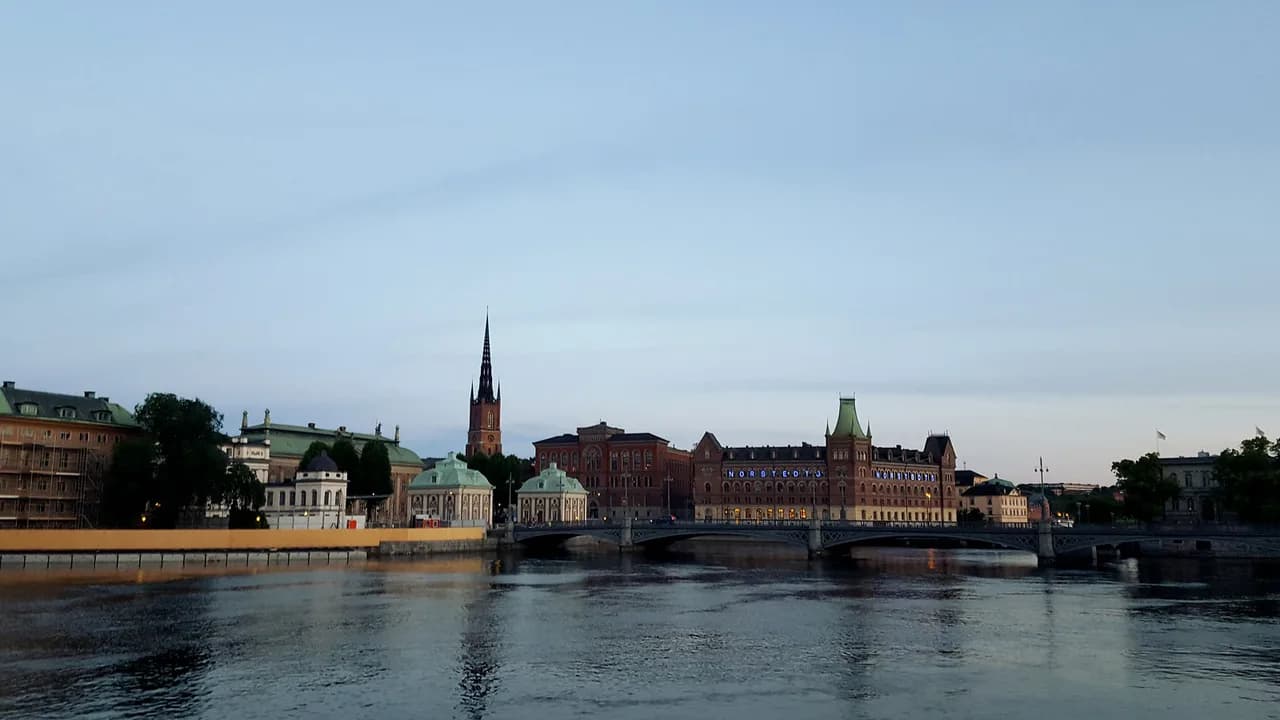
For a city break, plan the outdoor sights for the middle of the day and keep museums for the late afternoon when light fades. In Stockholm, a walk around Gamla Stan and Riddarholmen is best done before lunch, with a museum as the afternoon option.
Travellers used to long summer evenings should also expect shorter days than in June, so a late arrival means less time outside. If your priority is long daylight, look at our notes on Sweden in May and Sweden in June instead.
Stockholm in September: archipelago boat trips and the fringe festival
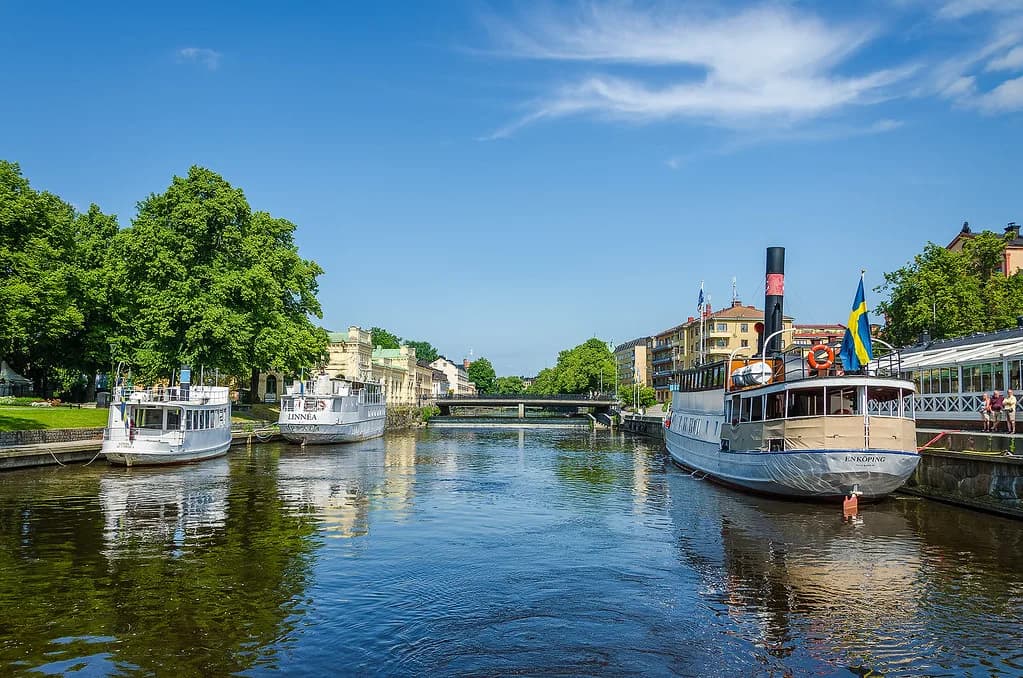
Stockholm in September keeps a lively programme, with a fringe festival celebrating experimental theatre and other art forms. Use that as an evening anchor and build your days around the water, since September is the last month in which you are fully able to enjoy much of the Stockholm archipelago by boat or kayak.
The archipelago is the reason to come now rather than in November: islands for boating, kayaking, rambling and swimming are still usable, and the city is close enough for a day trip without committing to an overnight stay. The season for boat and kayak trips is drawing to a close, so confirm what is still running before you plan the day.
On land, the obvious core is Gamla Stan, Riddarholmen and Skeppsholmen, the historic islands at the heart of the city, with Södermalm for views back across the water. Because the same source puts September as Stockholm's wettest month, keep one indoor option per day rather than one for the whole trip.
Gothenburg in September: the archipelago and street food festival
Gothenburg runs a street food festival in September and shares Stockholm's advantage of sitting right beside an archipelago. The islands are reachable by boat from the city, which makes a boat-and-walk day easy to fit into a short break.
In town, build a walking day around the old centre and the waterfront, and take the tram out to the parks if the weather holds. Gothenburg's compact centre is easy to cover on foot, with the archipelago as the boat trip on a clear day.
If rain sets in, Gothenburg's museums fill a day, and the city is compact enough to cross on foot and by tram. Boats to the islands run from the city, and it is worth checking what is still sailing as the season changes.
Which cities suit a one-to-four-day September break
Stockholm needs the most time: two full days covers Gamla Stan, Södermalm and a museum or two, and three days lets you add a half-day archipelago trip. If you only have one day, pick Gamla Stan to Skeppsholmen on foot and accept that the rest deserves a return trip.
Gothenburg fits comfortably into two days, with one day in the city and one on the islands. Malmö and Lund pair well for a two-day trip across the Öresund region: Malmö for the waterfront, Lund for its compact centre that takes half a day.
Uppsala works as a day from Stockholm, while Visby on Gotland rewards a longer stay but depends on ferry or flight availability, which narrows as the season ends. For planning the city-break structure, our best time to visit Sweden for a city break guide sets out how the months compare.
What to do outdoors in September before the season closes
September is the last month for many outdoor activities, and snow will cover or muddy trails from October. That makes it the month for hiking, biking and water-based trips: the Skåneleden Trail through beech forests and Söderåsen National Park near Helsingborg are the accessible southern options for a short trip.
Farther afield, the High Coast and Skuleskogen National Park offer kayaking and the High Coast Trail, and Utefest at Friluftsbyn draws an adventure crowd. Lake Vänern's shoreline cycle path and the Kungsleden in the north are serious commitments rather than city-break add-ons.
The mosquitoes that plague hikers and kayakers in July and August have largely gone by September, which makes hiking and kayaking more pleasant.
What happens to opening hours at the end of September
Many businesses close at the end of September for the winter, and some reduce hours before that. This is the single biggest planning risk for a late-September trip: a museum, ferry or guided tour that ran daily in August may switch to weekends only or stop altogether.
The fix is to check the operator's own website for the week you travel, not a general listing, and to have a second choice for each day. City museums are the safest bet for a rainy day; island ferries and seasonal attractions are where the gaps appear.
If you are travelling later in the season, our Sweden in October guide covers what survives the wind-down, and Sweden in August shows what is still running at peak.
How to plan a three-day September city break
Day one: land and walk Gamla Stan, Riddarholmen and Skeppsholmen, then eat in Södermalm and save the museums for a wet day. Day two: the museums at Djurgården in the morning, a park or waterfront walk if it is dry, and the fringe festival in the evening if it is running.
Day three: a half-day archipelago boat trip, with a city museum as the fallback if rain sets in. Because September is reported as Stockholm's wettest month, treat the boat as a call you make on the morning rather than weeks in advance.
For a warmer-weather version of the same trip, Sweden in July and Sweden in June show how the days fill out when the evenings are long and the archipelago is at its busiest.
Should you book Stockholm or Gothenburg for September?
Pick Stockholm if you want the widest choice of museums and a fringe festival, and accept rain as part of the deal. Pick Gothenburg if you want a compact city with easy access to the islands and a street food festival, with less ground to cover in three days.
Whichever you choose, book the indoor and outdoor elements as separate decisions so a wet day does not derail the trip, and confirm seasonal opening before you travel. For the wider year, our best time to visit Sweden guide puts September in context against spring and high summer.
Explore more Sweden guides
Frequently Asked Questions
Is September a good month to visit Sweden?
Yes for a city break: southern temperatures are mild, the summer crowds have thinned and the archipelago is still usable by boat or kayak. Rain is the main drawback, especially in Stockholm, which a travel-planning source reports as the country's wettest city in September, so plan indoor alternatives.
Does anything close in Sweden at the end of September?
Many businesses wind down at the end of September for the winter, and some cut their hours before that. Check the operator's own website for the week you travel and have a second choice for each day, especially for ferries and seasonal attractions.
Are three days enough for Stockholm?
Three days covers Gamla Stan, Djurgården, Södermalm and a half-day archipelago trip at a comfortable pace. Two days means dropping the islands or the museums, so decide which matters more before you book.
Sources
Notes for your next Swedish city break
Optional updates to our Sweden guides.
You might also like

Continue reading
More guides you'll find useful