Sweden in October: Weather, Daylight and Where to Go
Sweden in October brings autumn colour, quieter cities and shorter days. See what the month is like and which Swedish city breaks suit a short trip.
On this page
October is a good month for a Swedish city break if you want autumn colour and thinner crowds, and a poor one if you want long evenings outdoors. The summer visitors have gone and the days are quieter and shorter, though mild sunny days can still surprise you. This guide covers how daylight shapes a one-to-four-day trip and how Stockholm, Gothenburg and Malmö compare.
Treat any October trip as an indoor-and-outdoor mix rather than a park-and-waterfront holiday. Plan the outdoor stretches for the middle of the day and keep a museum or church in reserve for the late afternoon. If you are still choosing between months, the best time to visit Sweden overview sets October against the rest of the year.
What October is like in Sweden
Autumn is fully under way: the forest colours turn red, yellow and orange, and mushrooms and berries appear on the forest floor. Swedes settle back into fika in cosy cafés and long walks after the crowded summer months, which gives city breaks a calmer rhythm. Expect changeable skies rather than a settled forecast, and dress for a range between crisp sunshine and damp wind.
The practical effect for a short break is that you should not build a day around one outdoor plan. Keep the morning flexible, book any timed indoor visit for the afternoon, and leave the waterfront or park for whichever window looks driest.
Daylight: how fast the evenings close in
The biggest planning constraint in October is the shortening day, not the temperature. The month brings quieter days but shorter ones, so a late lunch easily runs into dusk. On a one-to-four-day break, start earlier than you would in summer and treat the late afternoon as indoor time.
Which months count as autumn in Sweden? Autumn in Sweden runs roughly from September to November, with October the month when leaf colour is strongest and the days shorten most noticeably. September still feels like late summer in the south, while November is darker and more indoor-focused.
Is October a good time to visit Stockholm? Yes, if you want autumn colour and fewer visitors. The trade-off is a much shorter afternoon, so plan outdoor sights for the middle of the day and keep a museum or café for the last hours of light.
Do I need cash in Sweden in October? Card and phone payment are widely used in Sweden, so a card will cover most everyday spending. Carry a small amount of kronor as backup rather than relying on cash for daily spending.
Aim to be out of the door by mid-morning, take your longest walk between late morning and early afternoon, and keep a museum, church or café for the last stretch of daylight. Southern cities such as Malmö buy you a little more usable evening than Stockholm, but do not plan a viewpoint or a boat trip for the end of the day.
Weather: what to pack for changeable autumn days
October is changeable autumn weather rather than a settled spell, so pack layers, a waterproof outer layer and shoes that cope with wet cobbles. Stockholm, Gothenburg and Malmö sit in the same broad autumn pattern, and wind off the water can make a bright afternoon feel colder than the thermometer suggests. If you want a warmer, greener version of the same trip, September is the closer match.
Autumn colour: how far you need to go
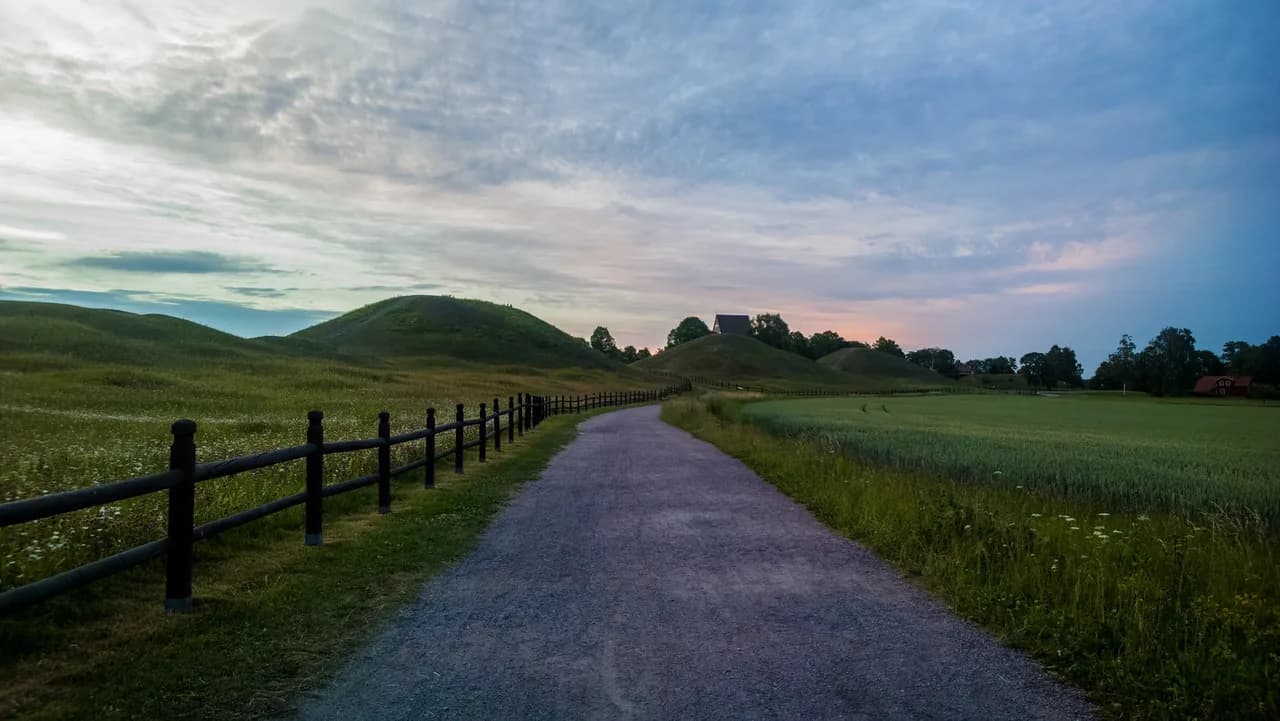
You do not need to leave the city for leaf colour: Stockholm has green space and water within easy reach, and Sweden's network of national parks gives you bigger forest walks if you have a spare day. The trade-off is that the best colour comes with the shortest days, so a long forest walk eats the light you would otherwise spend in the city.
For a one-to-four-day break, treat autumn colour as a backdrop rather than a destination: a park at midday, a tree-lined street on the walk between sights, and the waterfront in the afternoon. If leaf colour is your main reason for travelling, the Sweden in Autumn guide covers the season across the country.
Events and dates worth planning around
Two dates matter when you book. Kanelbullens dag, the cinnamon bun day, falls on 4 October, so early-month visitors get a nationwide excuse for a fika stop. Sweden's week 44 school break falls later in the month, and travel-forum posts note that this break can bring more families into museums and attractions, which means busier galleries.
For the quietest version of October, aim for the first half of the month and steer clear of the week 44 dates if your trip can move. If you are travelling with children and welcome the extra family programming, build your days around the break and expect to share the big museums with Swedish families.
Stockholm in October
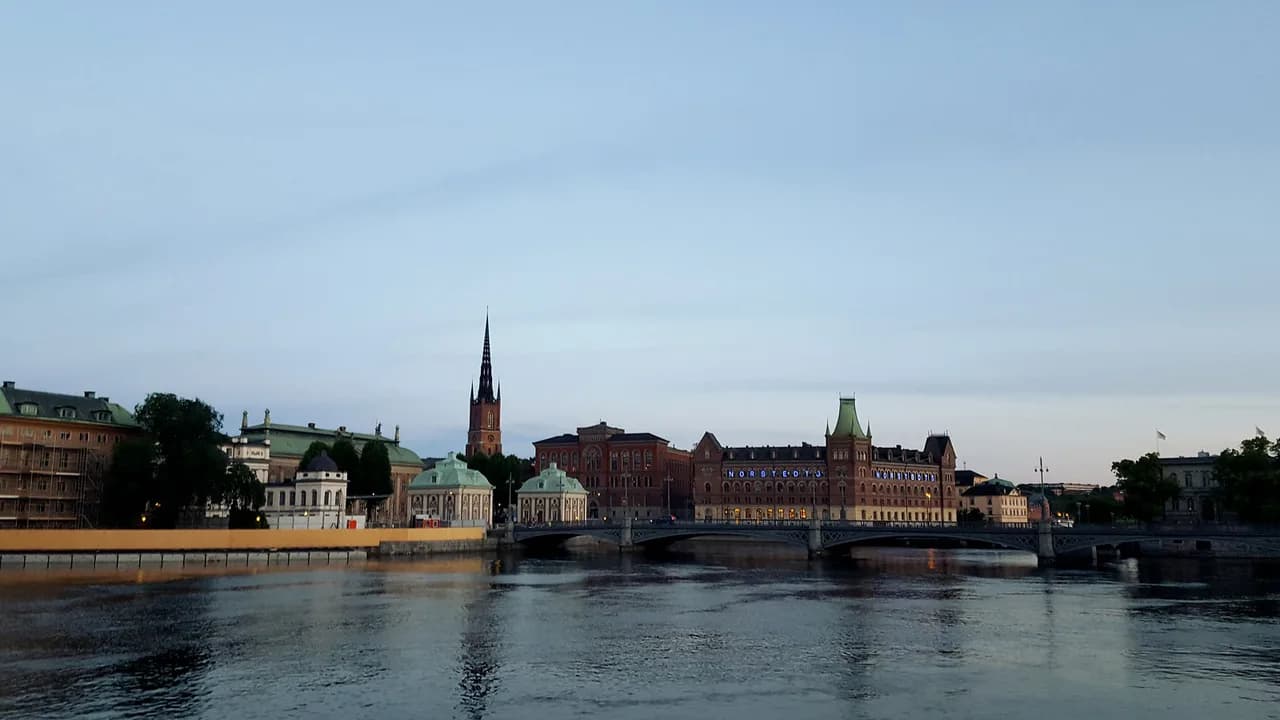
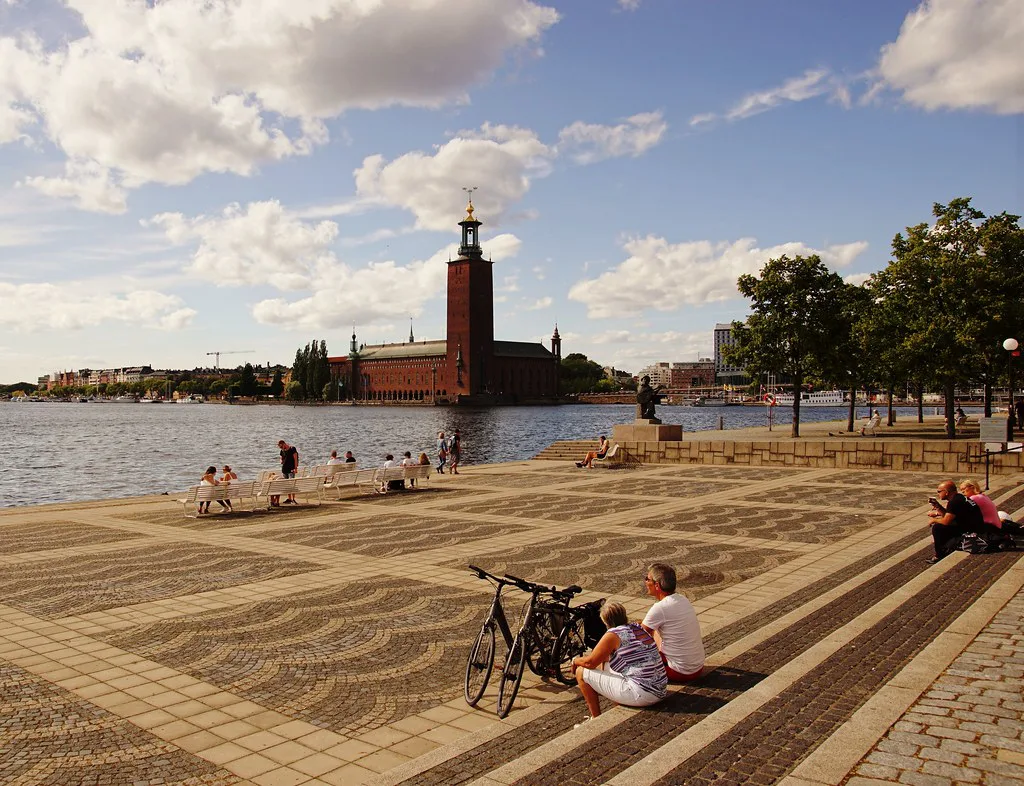
Stockholm suits October because its highlights cluster tightly. Gamla Stan, the old town, and the waterfront around Riddarholmen and Skeppsholmen are short walks apart, so you can fit a lot into the usable daylight. Djurgården is the obvious place to spend the indoor part of the day, while Södermalm gives you viewpoints and neighbourhood streets for the brighter hours.
Two full days covers the centre comfortably; three lets you add Djurgården at a relaxed pace and still leave time for fika. The trade-off is that ferry crossings lose their appeal when the light fades early, so use boats for short hops rather than as an afternoon out.
Gothenburg in October
Gothenburg is the most comfortable of the three in changeable weather because its main draws sit close to the centre. Haga's low wooden houses and cafés are made for a damp morning, Slottsskogen gives you a park without leaving the city, and the harbour gives you a waterfront walk when the weather allows.
Give Gothenburg two days, three at a slower pace. You waste less time moving between districts than in Stockholm; the trade-off is a smaller stock of headline sights, so short days bite harder if you are chasing a packed itinerary.
Malmö in October
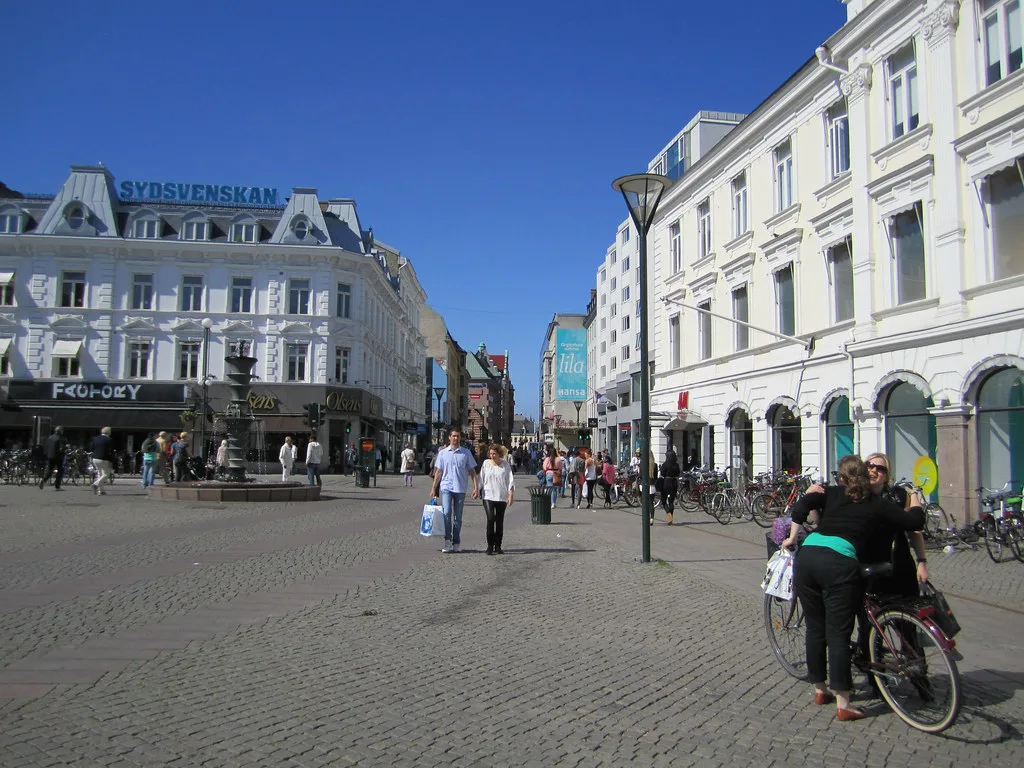
Malmö is compact and easy to cover on foot in poor weather. Lilla Torg is the natural base for coffee and a break from the rain, Västra Hamnen gives you the modern waterfront, and the central streets fill the gaps between them. Because the sights are close together, you lose little time to transit when the light is short.
One full day handles the centre; two lets you add a longer waterfront walk and a lazy fika. Choose Malmö over the bigger cities if your priority is a short, low-friction break rather than a long list of museums.
Stockholm, Gothenburg or Malmö?
Pick Stockholm for a three-to-four-day first trip: it has the largest concentration of sights and the best bad-weather options. Pick Gothenburg for a two-to-three-day break with short hops between neighbourhoods. Pick Malmö for the shortest trip, or as a base if you want a compact city you can cross on foot.
All three work in October, and the deciding factor should be trip length and how much you want to walk between sights rather than the exact weather on your dates. If you are weighing up other months too, April and Sweden in may show what the same cities look like with longer days and spring colour.
Paying for a short October break
Budget in Swedish kronor and plan to pay by card or phone; carrying a modest amount of cash as backup is sensible rather than relying on it for daily spending. Admission prices vary by venue and season, so check each venue's own listing for the current fee in SEK before you commit to a schedule.
Keep a small buffer for indoor alternatives when the weather turns, since a rainy afternoon can mean an extra museum ticket. Booking museum slots for the afternoon also means you are not paying for an entry you miss because a dry morning tempted you outdoors.
Filling a rainy October day
Rain in October is normal, not a disaster, and each of the three cities has a workable indoor circuit. In Stockholm, base yourself around Gamla Stan and Djurgården; in Gothenburg, around Haga and the central grid; in Malmö, around Lilla Torg. Museums, churches and covered markets sit close enough that you can move between them without a long soaking.
Build in a fika stop as part of the plan rather than an emergency measure. A long coffee and a cinnamon bun is the standard Swedish response to grey weather, and in early October it doubles as a nod to kanelbullens dag.
What to leave out of a short October trip
Skip anything that depends on long daylight or dry weather: extended boat trips, viewpoints saved for sunset, and full-day forest walks. In October these can swallow a whole afternoon if conditions turn. Also skip the instinct to cram three cities into four days; the travel time eats the light you came for.
Keep one outdoor block and one indoor block per day, and accept that a four-day trip is realistically three days of sightseeing plus a slower final morning. If you want a summer version of the same itinerary, Sweden in June shows how much more fits into an evening.
October against September and November
September is the gentler choice: more daylight, still mild, and the summer crowds thinning. October gives you stronger autumn colour, at the cost of short afternoons and more indoor time. November is the darkest option and best left to travellers who want museums and cafés rather than streets and water.
If your dates are fixed on October, lean into it: the month rewards slow mornings, long fikas and a compact city where you can switch plans mid-afternoon. The Best Time to Visit Sweden for a City Break page sets out the full seasonal comparison.
Which city suits your October dates?
Choose Stockholm if you have three or four days and want the widest choice of indoor sights when it rains. Choose Gothenburg or Malmö if you have one to three days and would rather spend them walking than moving between districts.
Book the first half of October if you can, and avoid the week 44 break unless family programming is what you are after. Then plan each day around the middle-of-the-day light and keep an indoor option ready for the afternoon.
Explore more Sweden guides
Frequently Asked Questions
Which months count as autumn in Sweden?
Autumn in Sweden runs roughly from September to November, with October the month when leaf colour is strongest and the days shorten most noticeably. September still feels like late summer in the south, while November is darker and more indoor-focused.
Is October a good time to visit Stockholm?
Yes, if you want autumn colour and fewer visitors. The trade-off is a much shorter afternoon, so plan outdoor sights for the middle of the day and keep a museum or café for the last hours of light.
Do I need cash in Sweden in October?
Card and phone payment are widely used in Sweden, so a card will cover most everyday spending. Carry a small amount of kronor as backup rather than relying on cash for daily spending.
Sources
Notes for your next Swedish city break
Optional updates to our Sweden guides.
You might also like
Continue reading
More guides you'll find useful