Sweden in Autumn: Colours, Timing and the Cities Worth a Short Break
Sweden in autumn brings golden forests, crisp air and shorter days. See how the season runs and which Swedish cities suit a short break.
On this page
Sweden in autumn is a short-break season: the forests turn gold, the air sharpens and the city sights stay open. Late summer and autumn are when the woods fill with berries and mushrooms, and cinnamon buns get their own day on 4 October. This guide sets out how the season runs, which cities reward a one- to three-day visit and how to spend kronor sensibly. It follows on from a broader look at the best time to visit Sweden for a city break, where autumn sits against spring and summer.
Which months count as autumn in Sweden
Autumn arrives early in Sweden and runs from late summer warmth into cold, dark November. The clearest dated marker is 4 October, when Sweden celebrates Cinnamon Bun Day, known as Kanelbullens dag, in honour of the pastry and the fika break that goes with it.
For planning, treat September and early October as the usable core of the season for a city break, when days are still long enough for a full afternoon outdoors. Late October and November are darker and better suited to museum-heavy itineraries than long walks.
What autumn weather in Sweden feels like day to day
Expect cool, changeable days rather than uniform chill: mornings can be crisp and clear, with rain arriving later and wind off the water making waterfronts feel colder than the thermometer suggests. Layers you can add and shed beat a single heavy coat, and a light waterproof shell earns its place in any bag.
Build each day around one main outdoor block and keep a museum or café as the fallback when rain sets in. That rhythm works in any of the cities below.
When the autumn colours arrive and how long they last
Forests change colour gradually through yellow, orange and red before the leaves fall, and the shift begins in the north well before southern Sweden catches up. That gives travellers a moving window rather than a single peak week: go earlier for reliable daylight and later for deeper colour.
Småland and Öland, the countryside south of Stockholm, are a strong autumn pairing of golden woods and red wooden cottages. For a city break, though, the colours are the backdrop rather than the main event, so book flights and rooms around the break you want and let the trees do what they do.
Why autumn suits a short city break better than summer
The honest trade-off is daylight: September gives long, usable afternoons, while late October hands you shorter days, so an ambitious walking plan needs trimming. In exchange you get a calmer feel than the height of summer.
For a two- or three-day break, autumn is a comfortable middle ground even though it cannot match the long evenings. If your priority is warmth, look at Sweden in June instead.
Stockholm in autumn: Gamla Stan, Djurgården and Södermalm
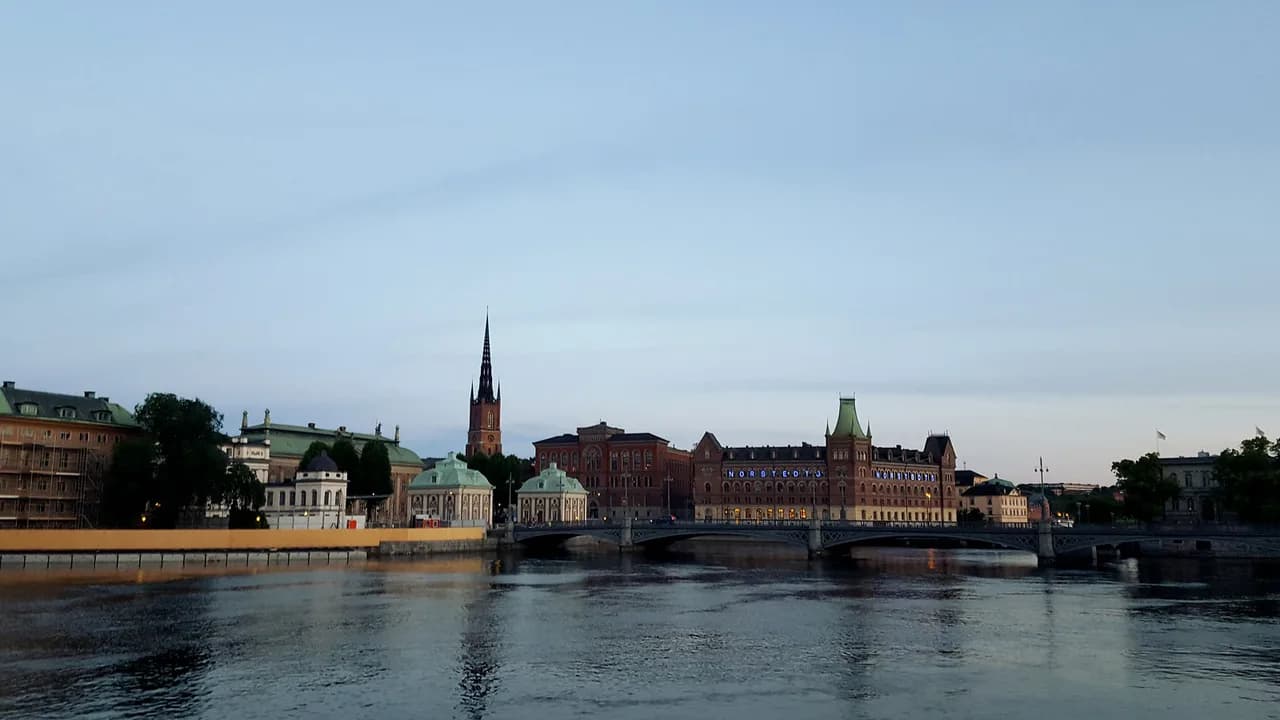
Stockholm is the easiest autumn city to plan because almost everything sits within walking distance or a short hop. Start in Gamla Stan, the old town on its own island, then cross to Djurgården for the museum cluster and finish on Södermalm for viewpoints over the water.
Djurgården is at its best in autumn: the island's parkland paths run between the museums, so you can walk for an hour and step indoors when the rain comes. Two full days covers the old town, Djurgården and a Södermalm wander without rushing, and a third day absorbs a slow morning and a ferry ride.
Gothenburg in autumn: Haga, Slottsskogen and the waterfront
Gothenburg, or Göteborg, is a compact, walkable city that takes autumn well. Haga's cobbled streets and low wooden houses give you a gentle morning, Slottsskogen park a leafy afternoon, and the waterfront a rewarding finish.
One full day handles Haga and the central streets comfortably; add a second for Slottsskogen and the harbour edge. Put the exposed stretches in the middle of the day and save the sheltered streets for the colder ends.
Malmö and Lund in autumn: compact city days with park walks
Malmö's centre is small enough to cross on foot in half an hour, which makes it ideal for a one-day autumn recce. Lilla Torg is the natural anchor, with the waterfront and parks close enough to fold into the same loop.
Lund, a short train ride away, adds a second compact day around its cathedral and university streets. Treat the pair as one base with two days of content, and keep the park walks for the brighter half of the day.
Uppsala in autumn: Domkyrkan and the Gamla Uppsala landscape
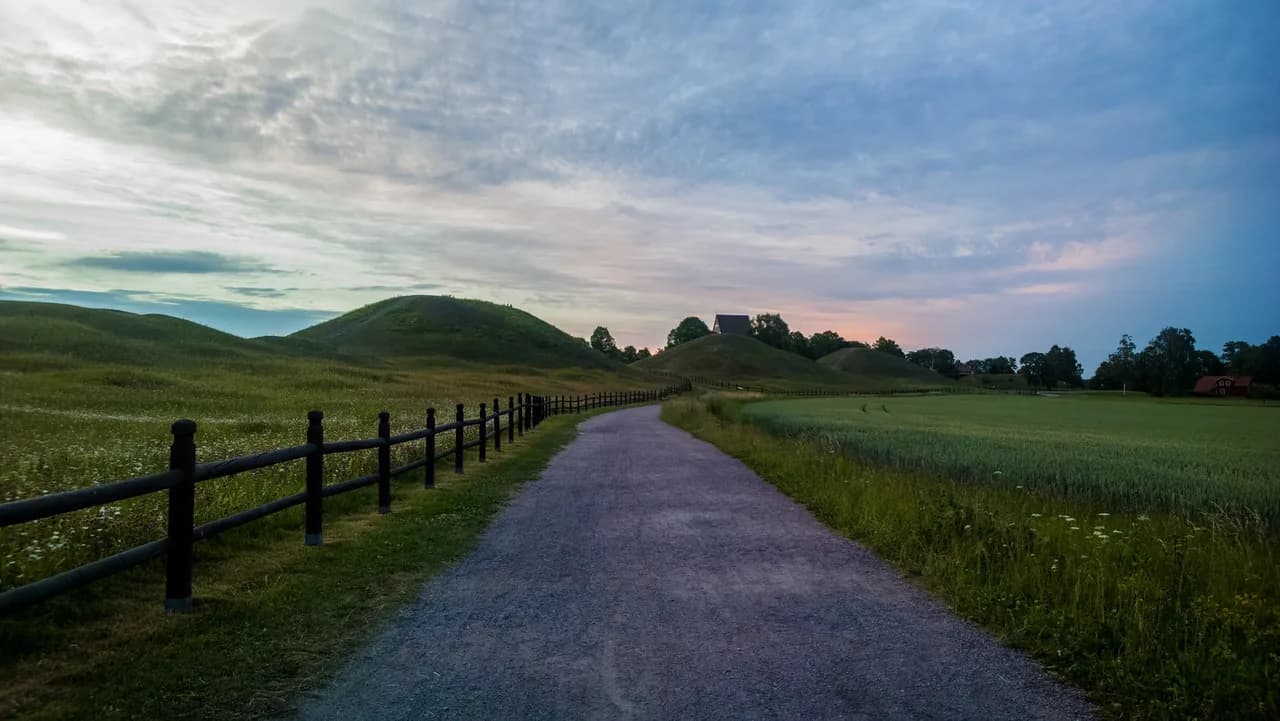
Uppsala rewards a day of walking: Domkyrkan, one of Scandinavia's largest cathedrals, anchors the centre, and the streets south towards the river fill an afternoon. Autumn colour shows best on the open ground out at Gamla Uppsala, a short bus ride north, where the burial mounds sit in open landscape.
Bring warm layers for the open ground at Gamla Uppsala, which is exposed to wind. One day is enough for the cathedral and the old town, with a second morning for the mounds if the weather holds.
Visby in autumn: Almedalen and the walled town on a short break
Visby on Gotland is the most atmospheric of the options, with a medieval walled town and the green of Almedalen park running down to the harbour. By autumn the main summer season is over, which changes the feel of the town compared with July.
The catch is reach: Gotland depends on flights and ferries, so a one- or two-night visit works only if transport lines up. If you want a slow autumn break in a walled town rather than a packed city itinerary, Visby delivers it.
How to fill a one-, two- or three-day autumn city break
One day: pick a single neighbourhood and stay in it. Gamla Stan plus Djurgården in Stockholm, or Haga plus the centre in Gothenburg, beats a dash between districts. Two days: add a viewpoint and a long lunch, and keep the second afternoon flexible for weather.
Three days: add a short ferry crossing or a second town, such as Lund from Malmö or Gamla Uppsala from Uppsala. Sketch the plan with three anchor sights and let the rest of the day fill in around them.
What autumn costs in Swedish kronor and why Sweden feels expensive
Budget in kronor rather than converting in your head at every till. The pound and dollar can swing widely against the krona, so treat your daily figure as a ceiling and withdraw once rather than topping up in small amounts.
Work out a daily figure before booking, and compare September against the summer alternatives so you can see what the shoulder weeks do to your budget.
Kanelbullens dag on 4 October and the fika habit
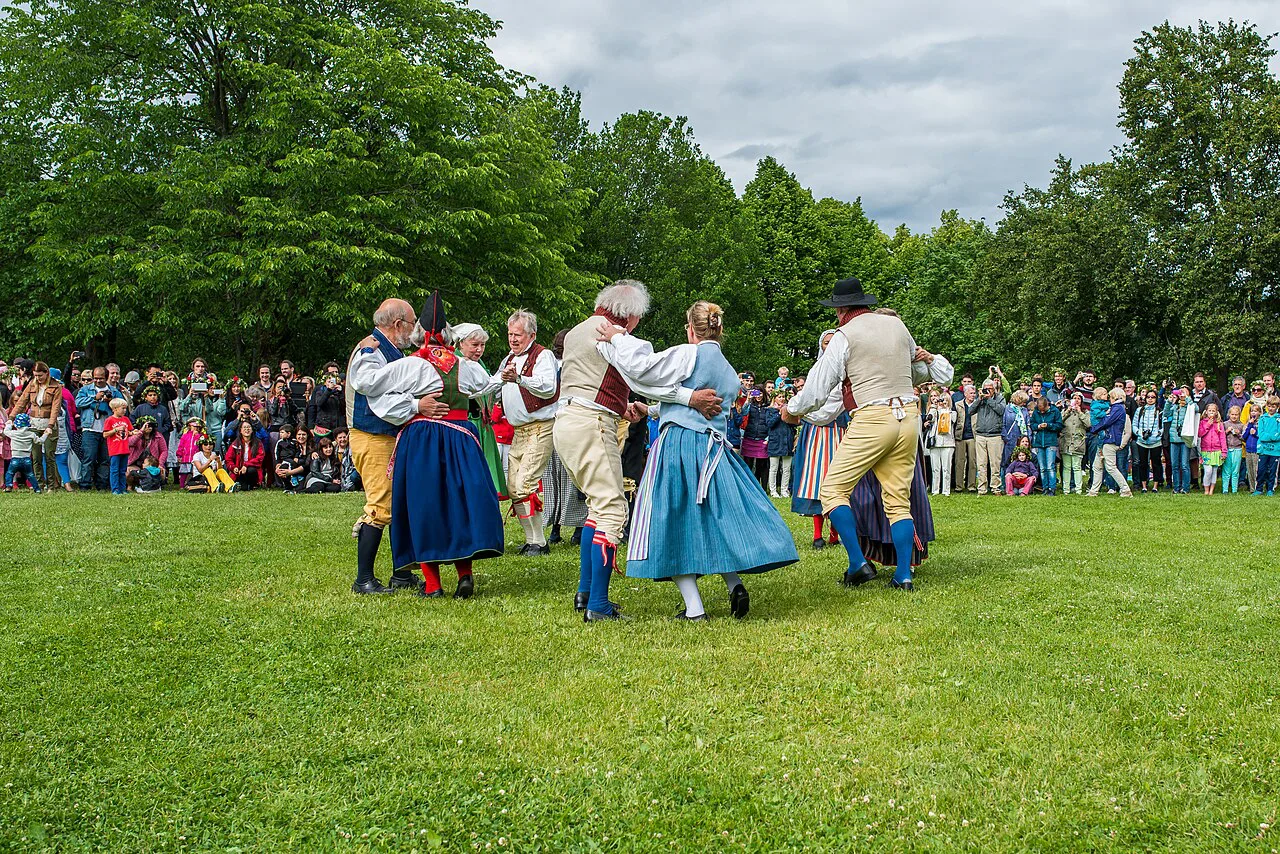
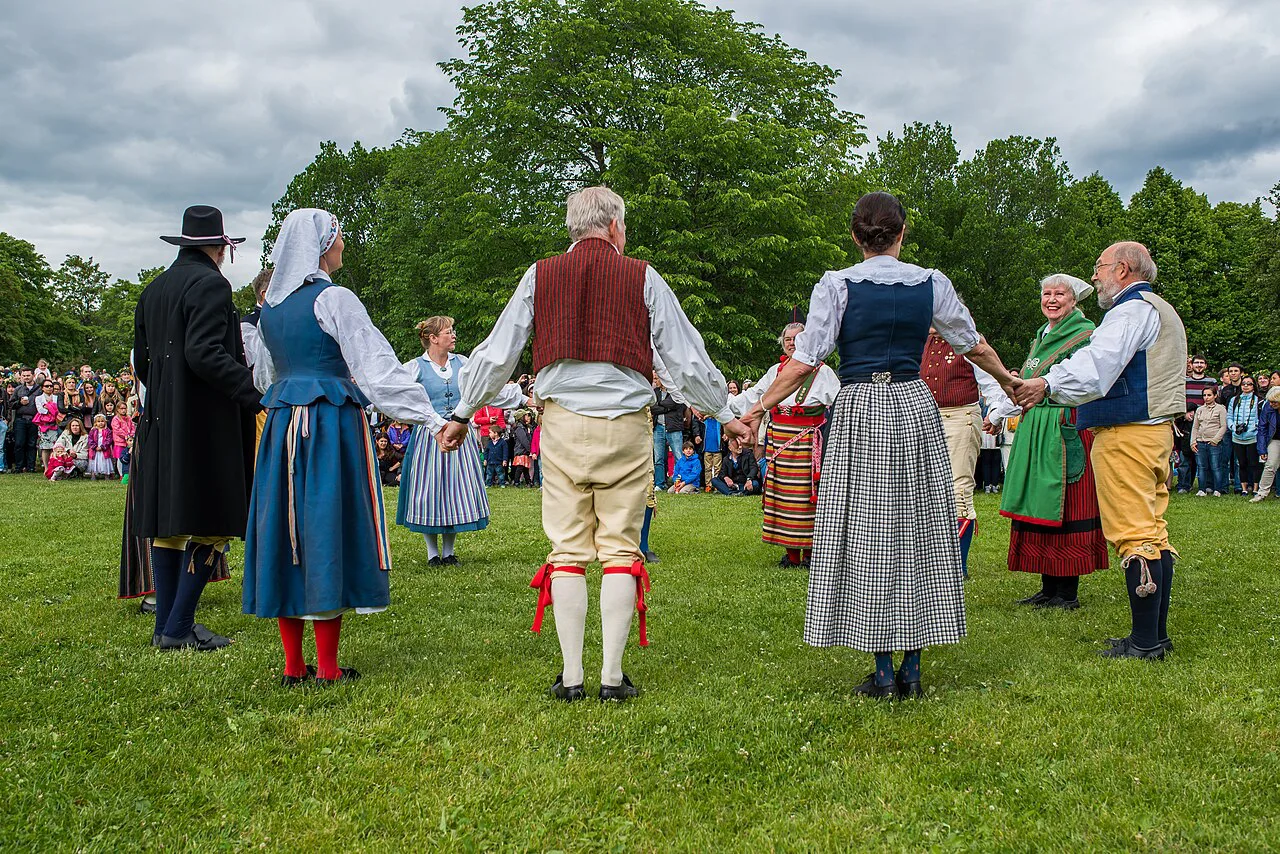
Sweden's cinnamon bun day, Kanelbullens dag, falls every year on 4 October, a date baked into the national calendar. Use it as an excuse to build your afternoon around a fika break rather than a third museum, and keep the rest of the day looser.
Fika is a coffee break with something sweet and a short pause, and it works well in autumn, when a warm café beats a park bench.
What to pack for cool, changeable autumn days
Pack for a range, not a season: a base layer, a warm mid-layer and a light rain shell cover almost everything September and October throw at you. Comfortable walking shoes matter more than a third pair of trousers, and a small rucksack beats a shoulder bag on cobbles.
Add a warm hat and gloves for late October, and keep one evening layer for the waterfront, where the wind chills quickly after sunset.
Which autumn city should you book?
Book Stockholm if you want the widest range of walking and museums and can give it two or three days. Choose Gothenburg or Malmö and Lund if you prefer compact, walkable days, and Visby if the walled town itself is the draw and you can sort the transport.
Uppsala suits a quieter one- or two-day visit around Domkyrkan and the open ground at Gamla Uppsala. Autumn rewards a slower pace than summer, so pick one city and give it proper time rather than chaining three together. For more, see Sweden in April.
Explore more Sweden guides
Sources
Notes for your next Swedish city break
Optional updates to our Sweden guides.
You might also like
Continue reading
More guides you'll find useful