Viking History in Sweden: The Age and Where to See It
Viking history in Sweden explained, from the Svear kingdom at Uppsala to rune stones near Stockholm, plus the sites and museums where you can see it.
On this page
Swedish Viking history is best understood as a landscape rather than a single attraction: burial mounds at Gamla Uppsala and Västerås, rune stones clustered north of Stockholm, and town remains at Sigtuna each tell part of the story. The Viking Age itself spanned roughly the late 8th to the late 11th centuries, when seafaring people from Scandinavia raided, traded and settled widely. This guide sets out what the age was, which sites carry the physical evidence, and how to choose between them when you have only a few days in Stockholm or Uppsala.
What the Viking Age was in Sweden
The Viking Age is conventionally dated from the late eighth century to the late eleventh century, a period when Scandinavian seafarers raided, traded and settled across Europe and beyond.
In Sweden the period is tied to the Svear, the people of the Mälardalen region around Lake Mälaren, whose kingdom had its centre at Uppsala before the country's Christianisation. Mälaren itself stretches some 120 kilometres from Stockholm westwards, which is why so much of the surviving evidence sits within easy reach of the capital.
Treat the age as a spread of regional communities rather than a single Swedish phenomenon. That framing matters when you plan a visit, because the best sites are specific places with their own archaeology, not a uniform national story.
Why Uppsala and Gamla Uppsala sit at the centre
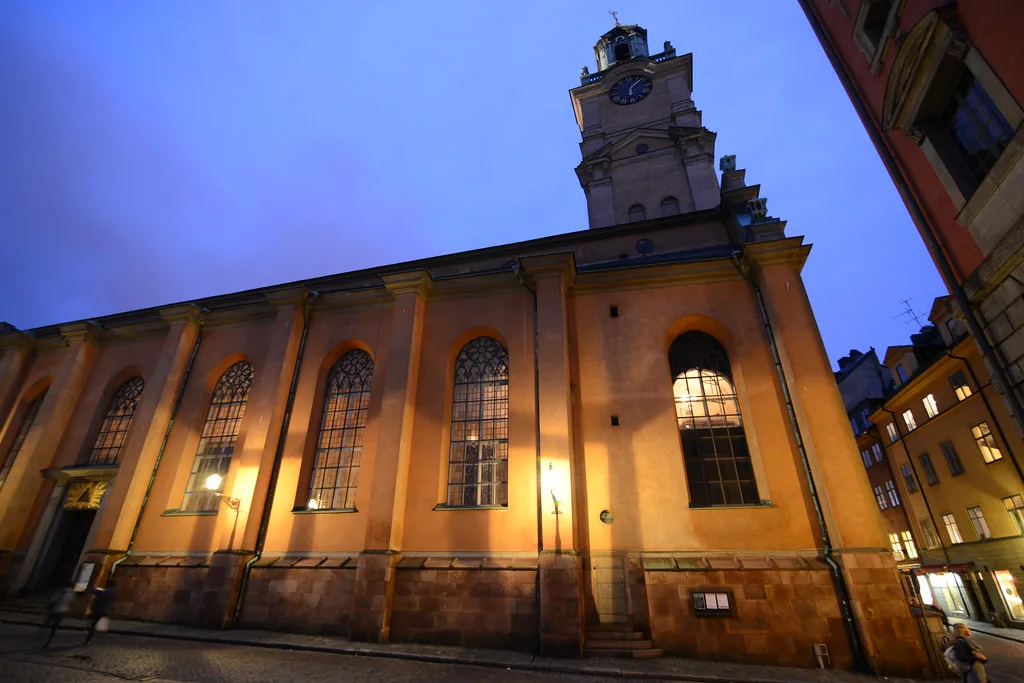
Uppsala was a national centre of the Svear kingdom in the Viking Age, particularly before Sweden became Christian. The modern city, however, is medieval in origin, so Viking archaeology belongs to Gamla Uppsala a short distance away; visitors who arrive in the city centre expecting mounds find a cathedral town instead.
Were Vikings originally from Sweden? The Vikings were a seafaring people from Scandinavia broadly, not from any one modern country, and their expansion ran from the late 8th to the late 11th centuries. In what is now Sweden, the Svear kingdom centred on Uppsala and the Mälaren region is the political core that the archaeology and written sources describe.
Do Swedish people have Viking ancestry? The archaeological record, from burial mounds and rune stones to town remains, is the evidence worth following rather than ancestry claims. Spend your time at Gamla Uppsala, Sigtuna and Anundshög if you want to see the material culture for yourself.
The written picture of pagan Uppsala comes largely from Adam of Bremen, a Christian chronicler writing in the 1070s. He described sacrifices held every ninth year and a temple said to be covered in gold, but his account is far from neutral and the temple may have been a hall used for ritual feasts rather than a golden shrine. Read his description as a hostile outsider's report, not a record of what a visitor would have seen. Our Vikings in Sweden guide sets this site within the wider story.
The Gamla Uppsala burial mounds and the museum that explains them
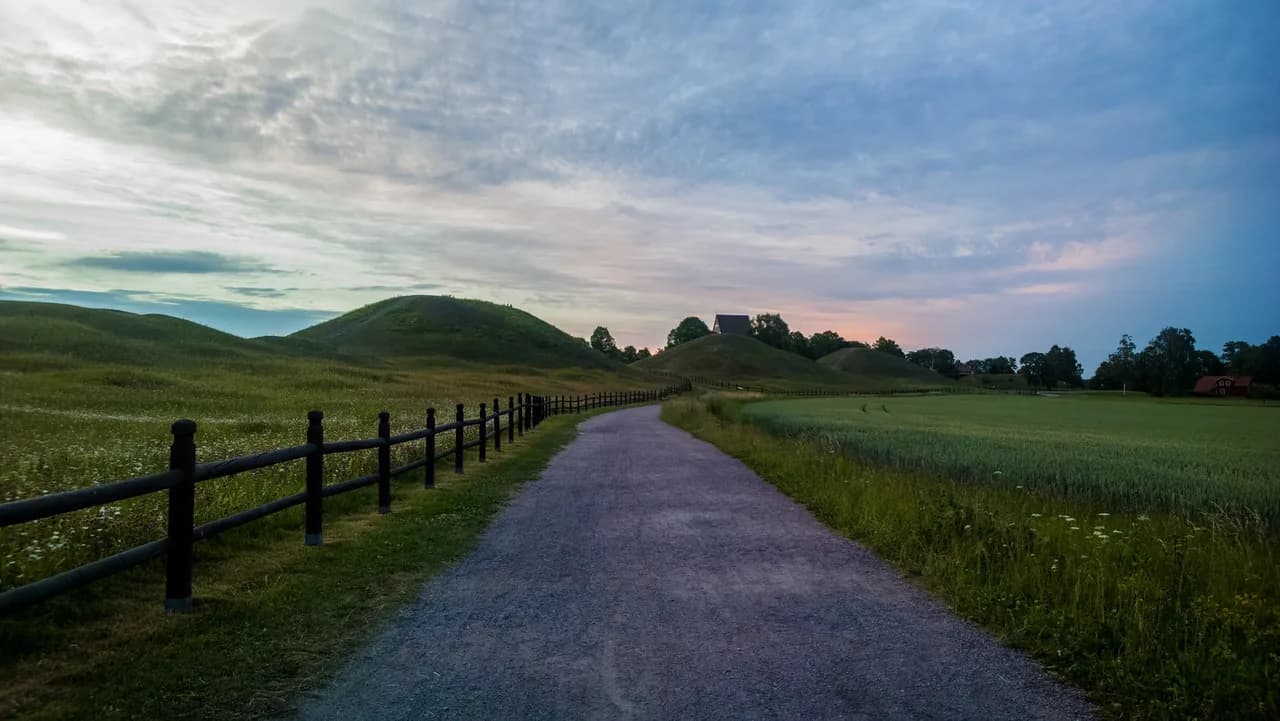
The royal mounds at Gamla Uppsala measure about 60 metres across, and a museum on the site displays Viking and Vendel Era artefacts and explains the history of the place. Seeing the mounds and then the finds together is what makes the site worth the trip: the landscape alone is impressive but mute without the context.
Allow for the fact that Gamla Uppsala is a separate stop from Uppsala city centre, so build the transfer into your half-day rather than assuming you can walk between the two. The mounds and the museum sit together, which makes this the most efficient single Viking stop on a short break.
Rune stones and the Vallentuna–Täby area north of Stockholm
The area around Lake Vallentuna, north of Stockholm, is one of the most rune-stone-dense places in the world, with at least 27 stones within a kilometre of the lake alongside grave fields. It also holds one of the few preserved Viking assembly sites, Arkils tingstad, and Jarlabanki's bridge, a Viking causeway reconstructed in 2005–2006 ahead of the inauguration of Runriket, the Viking attraction area.
The stones were raised by local lords such as Jarlabanki to display power and status, which is why they cluster in a small area rather than spreading evenly. As a half-day from Stockholm this works well if you want standing runestones in the open air rather than museum cases, since the stops are close together and the whole landscape is readable in a morning.
Sigtuna, Sweden's oldest town, and its church ruins
Sigtuna is Sweden's oldest town, founded around 970 by King Erik the Victorious as a settlement on a bay linked to Lake Mälaren. He bound the Viking elite to him by granting them plots where they could build houses and produce luxury goods, laying the ground for a Swedish kingdom that his son Olof Skötkonung inherited.
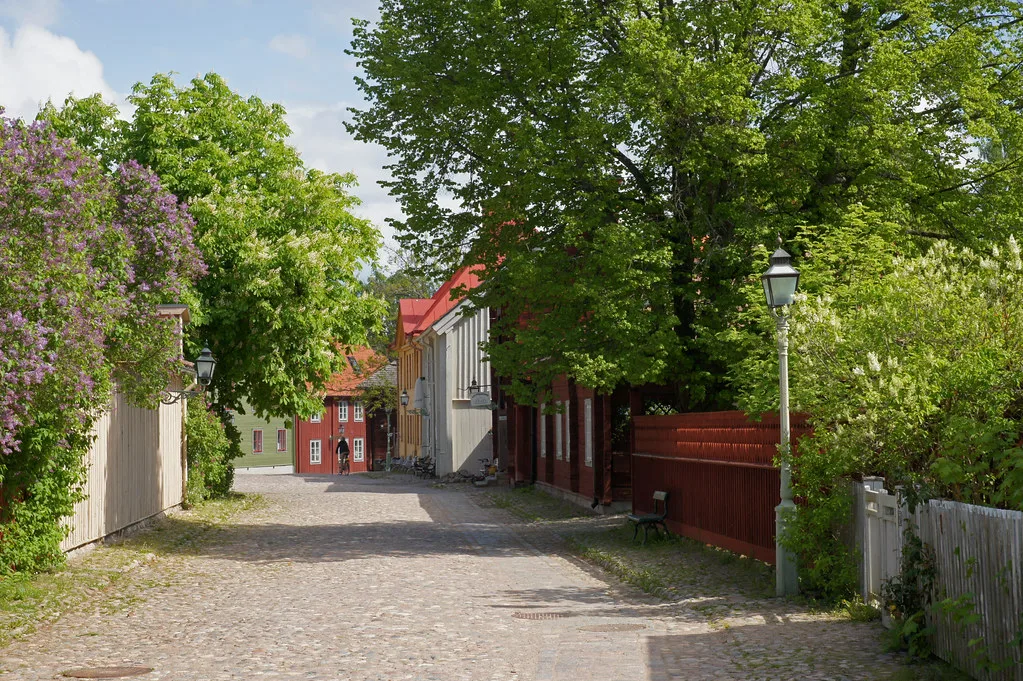
What you get today is a town to walk rather than a single monument: a museum with Viking and medieval finds, three church ruins, a main street of shops and cafés, and wooden houses from the 18th and 19th centuries. Set aside a couple of hours to wander rather than treating it as a quick photo stop, because the appeal is spread across the whole street plan. Sigtuna: a Guide to Sweden's Oldest Town covers the streets in detail.
Anundshög at Västerås and the largest burial mound in Sweden
Anundshög near Västerås takes its name from its principal burial mound, 64 metres in diameter and 9 metres high, making it the largest burial mound in Swedish Viking history. The graves were placed beside an important trade route, which made the site a central meeting place in western Mälardalen, and a major assembly, or thing, was held here.
The ship setting at Anundshög is the other reason to come: a stone arrangement that reads far better on the ground than in any photograph. Because it lies outside Västerås rather than in the city, it suits travellers with their own transport or a spare half-day rather than a tight city itinerary.
How to fit Viking sites into a one to four day break
On a short Stockholm break, pick one archaeological landscape and one museum rather than trying to cover the map. Gamla Uppsala with its mounds and museum gives you both in one place and fits a day trip from Stockholm or a stop on an Uppsala stay, while the Vallentuna and Täby stones suit a half-day if you want open-air monuments without a long transfer. Sigtuna pairs naturally with a Mälaren day, and Anundshög is the outlier that rewards anyone heading west towards Västerås. Our Vikings in Sweden overview puts these sites in a running order if you want a ready-made shortlist.
If your base is Uppsala, give Gamla Uppsala a morning and Sigtuna an afternoon rather than splitting the day, since both involve travel and neither is a quick in-and-out stop. For a four-day trip, add the rune stones north of Stockholm and keep Anundshög for a separate visit west.
Viking sites against museums: what each gives you
Archaeological landscapes give you scale and setting: mounds you can walk around, ship settings, rune stones still in the ground. Museums give you chronology and objects, and Gamla Uppsala is the clearest case where the two sit side by side, which is why it is the safest choice if you only have one Viking day.
If you care most about artefacts, weight your time towards museum collections and treat the outdoor sites as context. If you care most about atmosphere and landscape, the reverse holds, and the Vallentuna stones and Anundshög deliver more per hour than a gallery case.
Which Viking site should you choose?
Choose Gamla Uppsala if you want one stop that combines mounds, artefacts and explanation, and accept that the modern city of Uppsala is a different place with a different history. Choose the Vallentuna rune stones for an open-air half-day from Stockholm, Sigtuna for a walkable old town, and Anundshög if you are heading towards Västerås and want Sweden's largest burial mound with its ship setting.
Explore more Sweden guides
Frequently Asked Questions
Were Vikings originally from Sweden?
The Vikings were a seafaring people from Scandinavia broadly, not from any one modern country, and their expansion ran from the late 8th to the late 11th centuries. In what is now Sweden, the Svear kingdom centred on Uppsala and the Mälaren region is the political core that the archaeology and written sources describe.
Do Swedish people have Viking ancestry?
The archaeological record, from burial mounds and rune stones to town remains, is the evidence worth following rather than ancestry claims. Spend your time at Gamla Uppsala, Sigtuna and Anundshög if you want to see the material culture for yourself.
Sources
Notes for your next Swedish city break
Optional updates to our Sweden guides.
You might also like
Continue reading
More guides you'll find useful