Fika in Gothenburg: Cafés and Cinnamon Buns for a Coffee Break
Fika is the Swedish habit of pausing for coffee and a pastry. Here are the Gothenburg cafés to know, from Haga's cinnamon buns to market-hall lunch counters.
On this page
Fika is the Swedish habit of pausing for coffee and something baked, and in Gothenburg it is a proper stop of twenty to forty minutes rather than a coffee grabbed on the move. The classic order is a coffee and a cinnamon bun, taken mid-morning or mid-afternoon, named somewhere you can sit down. This guide covers what fika means, which cafés in the city are worth building a break around, and how the stop fits into a short break.
What fika actually means
Fika is best understood as a scheduled break rather than a snack: you sit, you take a coffee, and you eat something sweet or a small sandwich while you do nothing in particular. It happens most naturally around 10am and again around 3pm, which is why café tables in Gothenburg fill in those windows and empty either side of them. Write it into the day as an event with a time, not as something you do when you happen to pass a café.
The pastry to start with is the kanelbulle, the cinnamon bun, which is what most Swedes order with a plain coffee. Cardamom buns and simpler sponge cakes are the other dependable choices, and savoury sandwiches appear on most café counters if you want fika to double as lunch. Bear in mind that 'coffee' usually means filter coffee served black unless you ask otherwise; a latte or cappuccino is ordered by name.
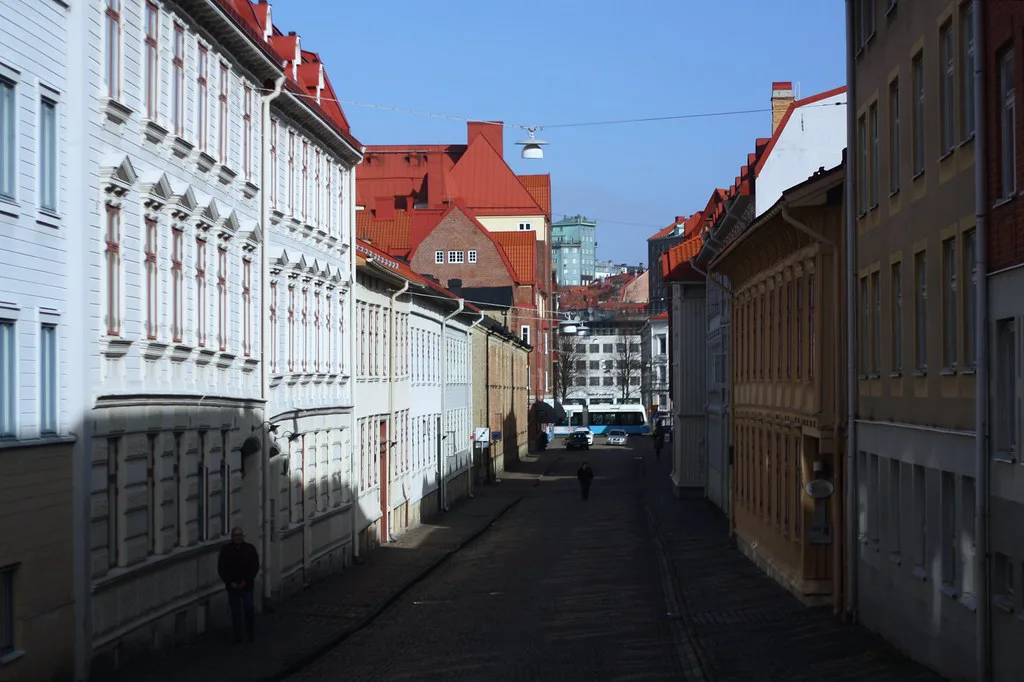
Haga: cinnamon buns and heritage premises
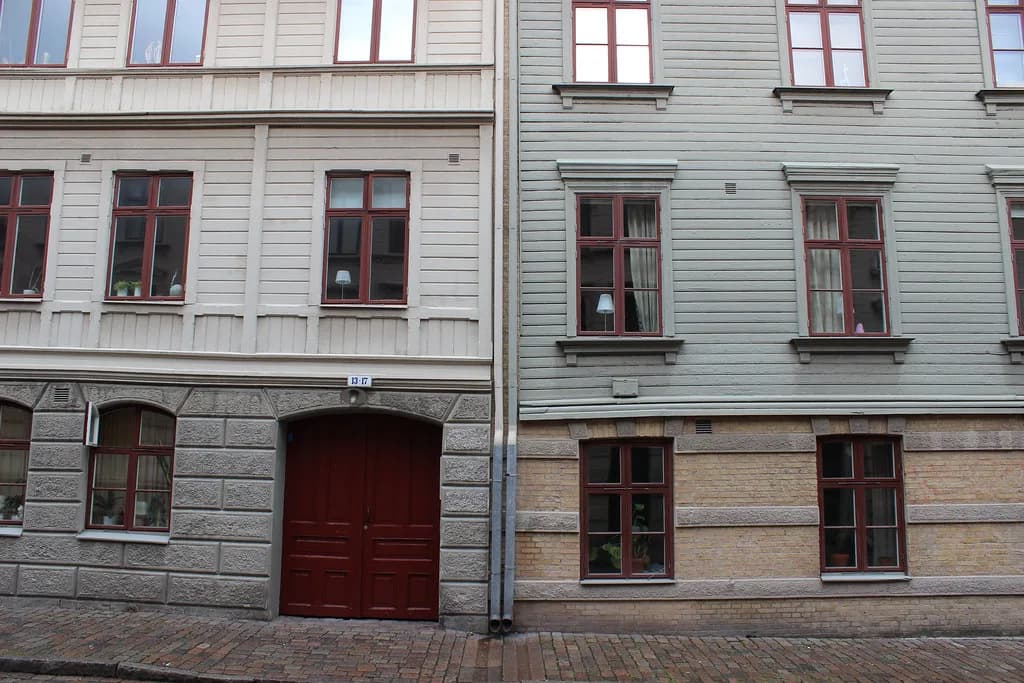
Haga is the obvious neighbourhood for a first fika, a low-rise area of small shops and independent stores where cafés sit among the streets. The standout is Café Husaren, which occupies a heritage-listed 1800s building with a preserved glass roof and stucco decoration. It is a place to sit indoors as much as to eat, so it suits a slower break rather than a quick standing coffee.
Café Husaren's signature is the Hagabullen, a notably large cinnamon bun that draws people to its counter. Order one to share if you have already eaten, and expect the café to be busiest in the middle of the day. Haga itself rewards a wander before or after: the pedestrian stretches of Haga Nygata are lined with small shops that make the coffee stop part of a longer walk rather than a detour.
In the city centre and along the canals
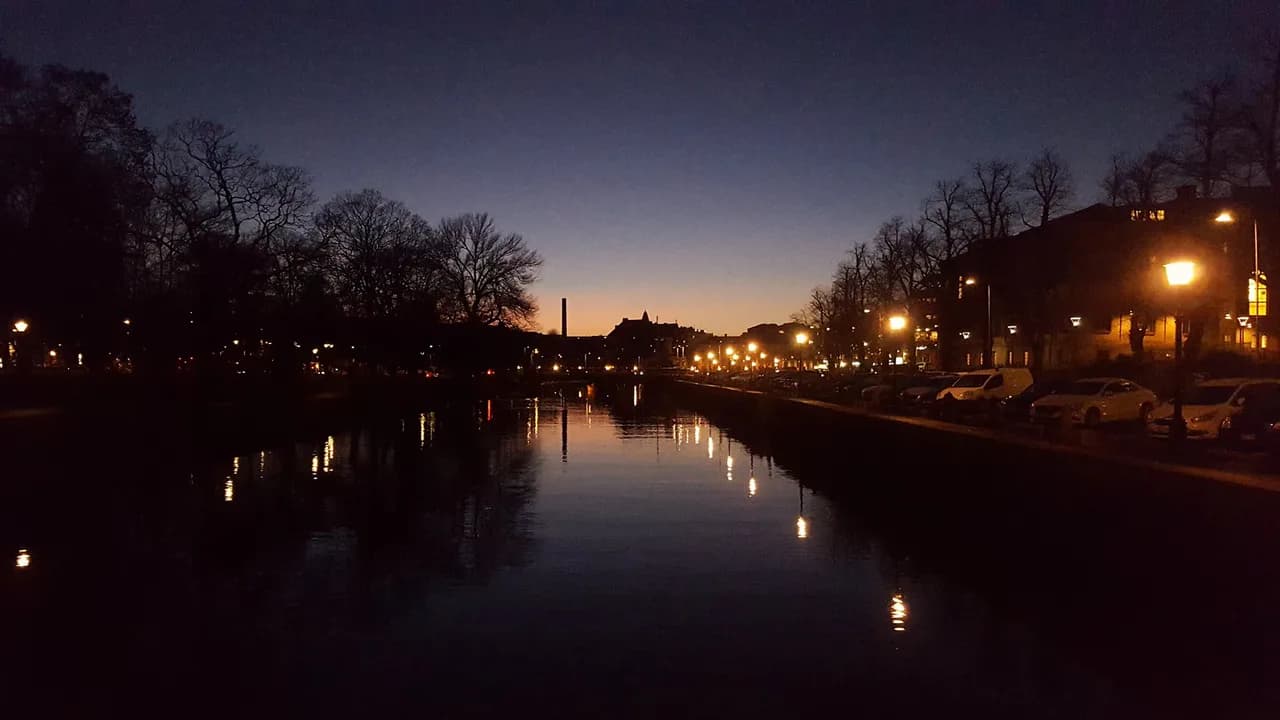
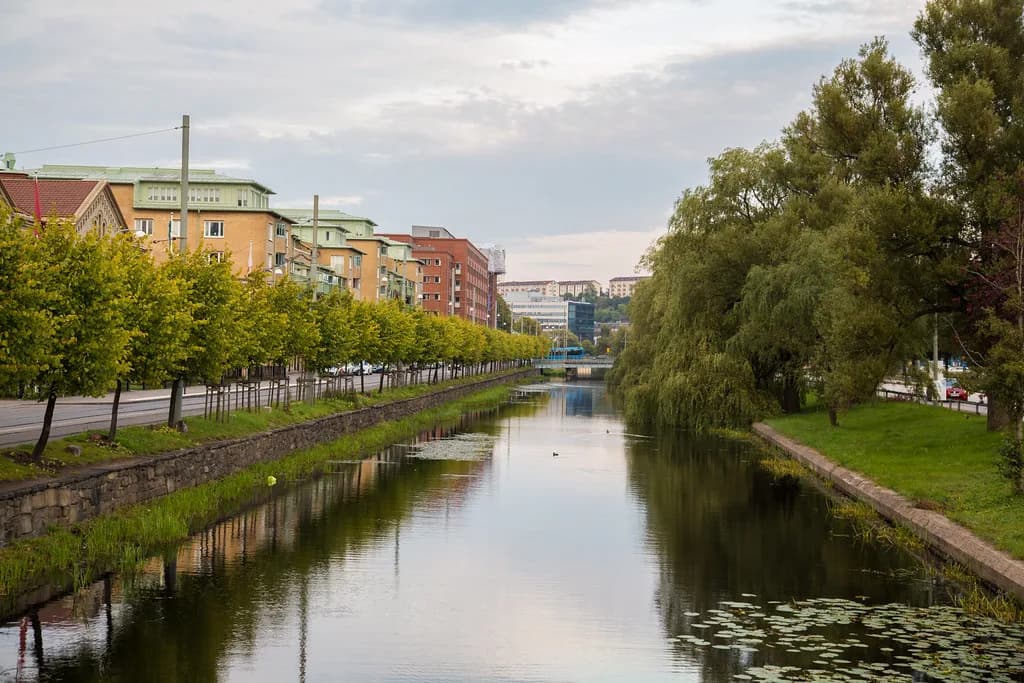
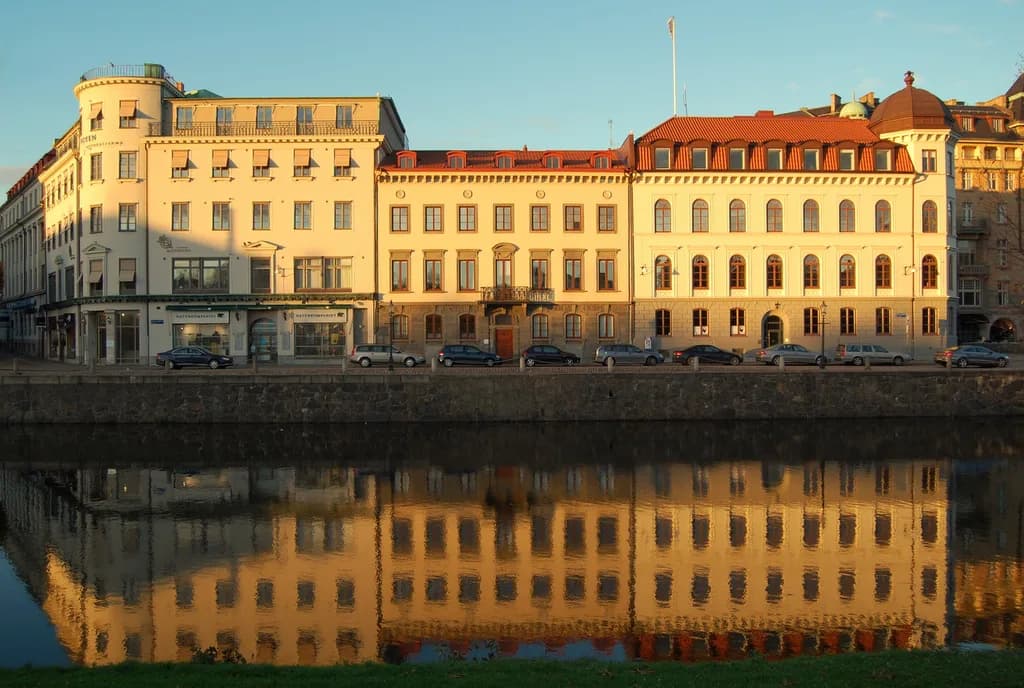
Brogyllen sits on a canal corner in the heart of central Gothenburg, with outdoor seating that makes it the better choice on a mild, dry day. It is known for coffee and freshly baked pastries, with both sweet and savoury options on the counter, and it gets crowded at lunchtime. Aim for mid-morning or late afternoon if you want a table without hovering.
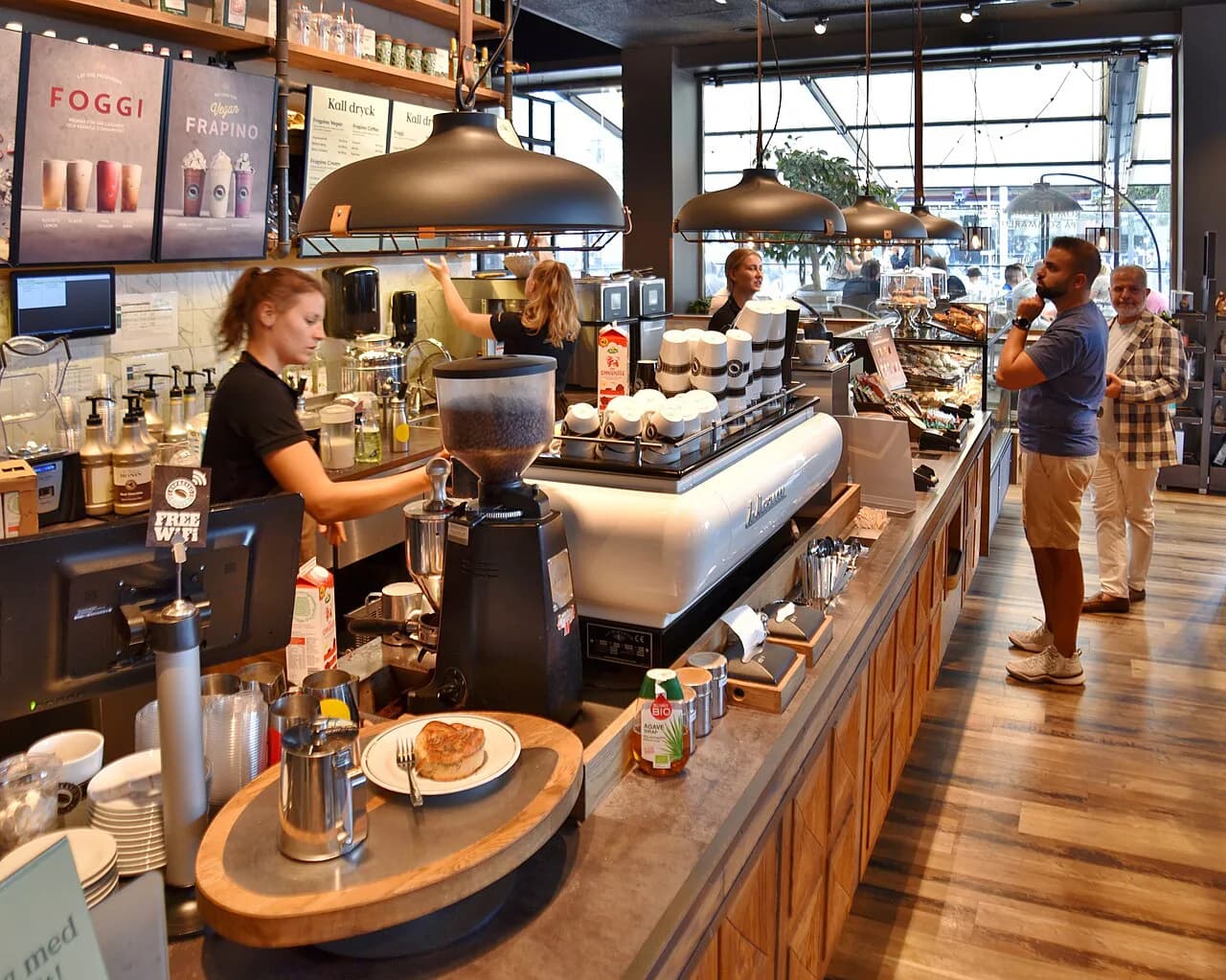
Near Haga, Café au Thé is a smaller, characterful option with wooden furniture and a quiet interior, good when you want conversation rather than bustle. For a familiar stop, Espresso House is the Nordic coffee chain found across the centre, with pastries, sandwiches and salads alongside the coffee, plus free wi-fi that makes it popular with people working. It is the pragmatic choice when you need a reliable seat rather than a heritage interior.
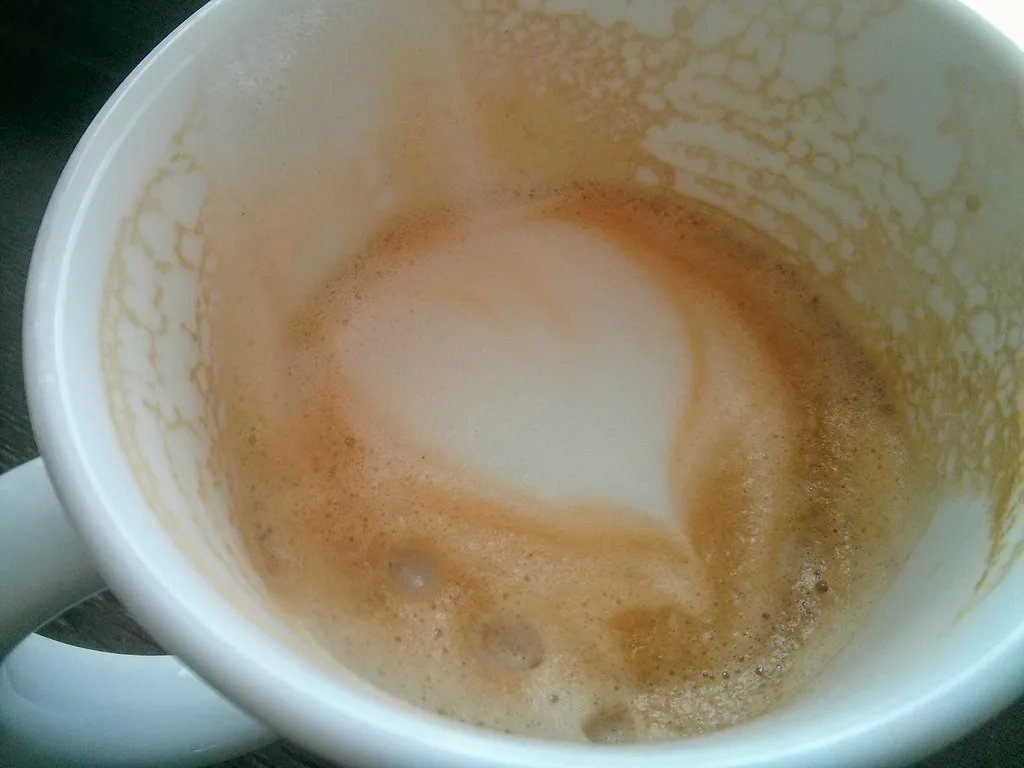
A market-hall lunch counter: Latteria at Antikhallarna
Latteria sits inside Antikhallarna, a market hall on a lively street in the old part of the centre, and serves Italian sandwiches, salads, pasta and antipasti alongside coffee and desserts. It is a lunch counter rather than a fika café, so treat it as the stop when you want something savoury in the middle of the day. The hall gets very busy at lunchtime with nearby office workers, which is the time to avoid if you want a seat.
Gothenburg has other market halls worth knowing for the same reason: a covered hall gives you several counters under one roof, so a group that cannot agree on cake versus a sandwich can split up and meet at a table. If you are planning a walking route through the centre, this is the kind of stop that fits without eating a whole hour.
Fitting fika around the sights
The practical approach is to anchor each fika to a sight you are already seeing, so the break is a rest rather than a journey. Pair Haga's cafés with a wander through the old town, and the canal-side spots with a stretch of central walking. If you are following a Gothenburg walking tour, plan the break at the halfway point rather than the end.
Fika also works well as the bridge between two halves of a day: coffee and a bun after a morning of walking, then a ferry or a museum in the afternoon. A cheap morning wandering the city leaves budget for a proper sit-down break. For a wider shortlist of what to see, the city's attraction guides cover the rest.
How long a fika stop takes
Allow twenty to thirty minutes for a straightforward coffee and bun, and nearer forty-five if you order lunch or the café is full. That matters on a one or two-day break, when three fika stops could otherwise swallow two hours of sightseeing. On a three or four-day visit, one long sit in a heritage café per day is a pleasure rather than a cost.
Queues are the main variable. Central cafés and the famous bun at Café Husaren draw crowds around midday, so shifting your break to mid-morning or after three usually buys you a table. If your timing is fixed by a tour or a booked crossing, pick a chain or market hall where turnover is faster.
Heritage café or familiar chain?
A heritage café such as Café Husaren gives you the setting as much as the pastry: the 1800s interior and the oversized bun are the point, and you pay for that with a queue and a longer sit. Espresso House gives you speed, a reliable seat, wi-fi and a menu that runs from coffee to salad, at the cost of any sense of place. Neither is wrong; pick by whether the break is the attraction or the fuel.
A sensible pattern for a short break is one heritage café and the rest pragmatic. That way the Hagabullen is a memory rather than a routine, and the rest of your day is not shaped around finding tables. Menus change, so read the board or the café's own listing before you commit to a particular cake.
Which café gets your one long fika?
If you take a single proper sit-down fika in Gothenburg, make it Café Husaren in Haga for the Hagabullen and the 1800s room, then treat the canal-side and market-hall stops as quick breaks between sights. Build the long stop into the middle of a walking day rather than the end, when tired feet make everything feel slower.
Add the cafés to a wider plan with the city's things to do, and keep one afternoon free for the archipelago or a ferry crossing if the weather holds.
Explore more Gothenburg guides
Frequently Asked Questions
What should I order at a Gothenburg café?
Start with a kanelbulle, the cinnamon bun, and a filter coffee, which is the standard Swedish pairing. Cardamom buns and simple cakes are the other usual choices, and most counters also sell sandwiches if you want fika to replace lunch.
How much does fika cost in Gothenburg?
Prices are set by each café and vary with what you order, so check the board or menu at the counter rather than budgeting from a guide. A coffee and a bun is normally the cheapest combination, and a sit-down lunch dish costs more.
Is Espresso House a Swedish chain?
Espresso House is a Nordic coffee chain with branches across Gothenburg, known for pastries, sandwiches, salads and free wi-fi as well as coffee. It is the practical choice when you want a dependable seat rather than a historic interior.
Sources
Notes for your next Swedish city break
Optional updates to our Sweden guides.
You might also like
Continue reading
More guides you'll find useful