Gothenburg Markets: Saluhallen, Feskekôrka and Where to Shop
Gothenburg's market halls include Stora Saluhallen on Kungstorget, Saluhallen Briggen in Linnéstaden, Kville Saluhall on Hisingen and the Feskekôrka fish hall.
On this page
Gothenburg's market is mostly a set of indoor food halls rather than one big open-air square, so plan around buildings, not stalls in the street. Stora Saluhallen on Kungstorget is the one to prioritise on a first visit: a listed hall from 1889 in the middle of the city, close to the shopping streets and easy to fold into a morning's walk.
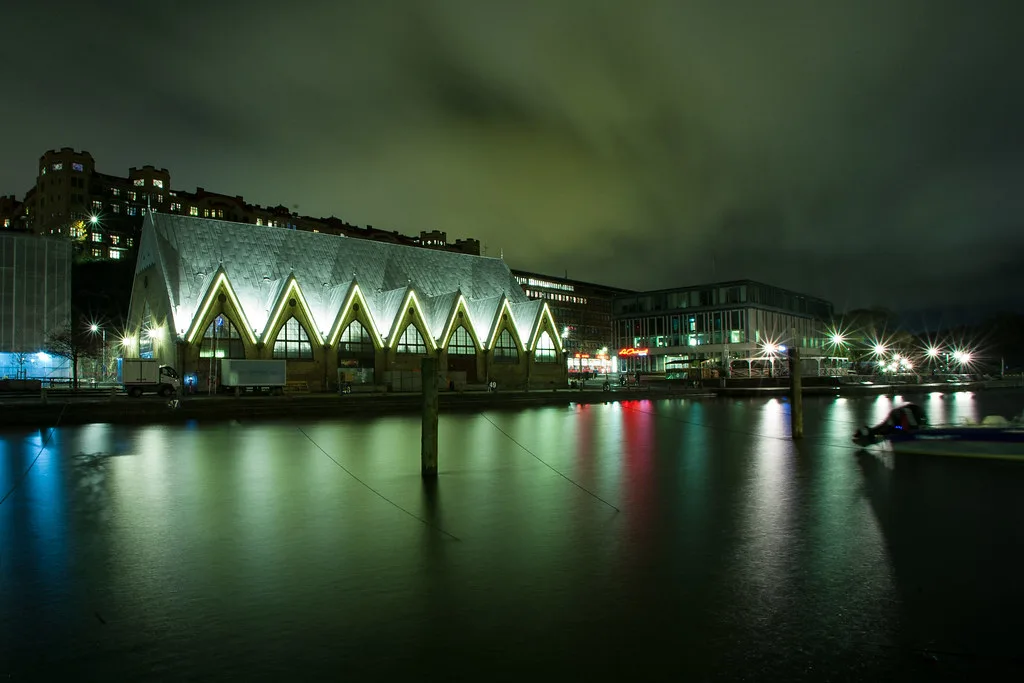
Three food halls sit in different parts of the city: Stora Saluhallen centrally, Saluhallen Briggen in Linnéstaden and Kville Saluhall on Hisingen. Visit Sweden describes Feskekôrka, the Fish Church, as an iconic fish market hall and a testament to the city's love of fish and shellfish.
What Gothenburg's market halls are, and how they differ from a street market
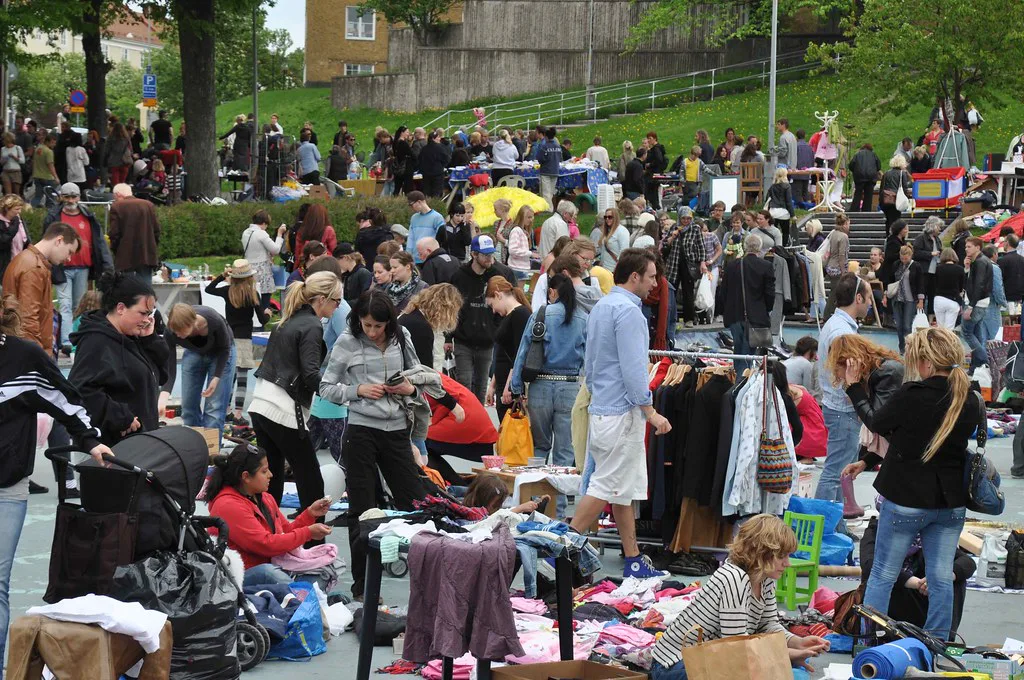
Gothenburg's food halls are permanent buildings with individual traders under one roof, selling cheese, meat, fish, olives, bread and delicacies rather than the mixed clothing-and-produce stalls of a street market. That matters for planning: you go inside a specific hall, not to a square that fills up on certain mornings, and a short visit is a browse-and-buy stop rather than an event.
Centrally there are two, one on Kungstorget and one on Nordhemsgatan in Linnéstaden, with Kville Saluhall on Hisingen at Vågmästareplatsen. Treat them as shopping and browsing stops you bolt onto a sightseeing route, not as a whole afternoon's programme.
Stora Saluhallen on Kungstorget: the 1889 hall
Stora Saluhallen was built at the Götaverken shipyard between 1888 and 1889, and food sales began on 1 February 1889. The architect was Hans Hedlund, who also designed other well-known Gothenburg buildings, and the hall was declared a listed building in 1985.
Inside, the draw is the produce: good cheese, locally produced meat, olives and freshly baked bread, with lunch available in the hall. It was expanded in 1906, when the stalls along the long sides were built in and around thirty new stalls were added, which explains the generous run of counters you walk past. Go for the food shopping and the building itself as much as the produce.
Kungstorget: the square around the hall
Kungstorget was formed in 1847 after the city fortifications were removed, on the site of the bastion Johannes Dux. Before 1848, trading markets in Gothenburg took place on Gustaf Adolfs torg; this square later took over as a timber and goods market.
Semicircular bazaar ranges were built on the southern part of the square in 1850, holding just over 75 shops, most owned by weavers from Marks härad, and meat sales moved into them. The bazaar was demolished in November 1966; the market hall to the north of the square replaced that function.
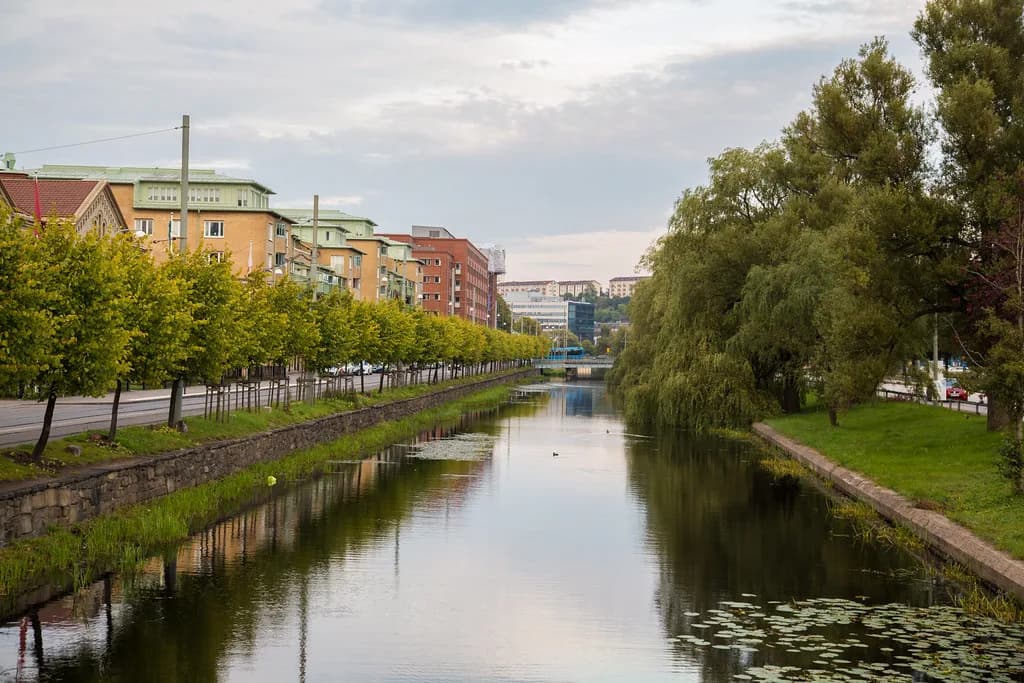
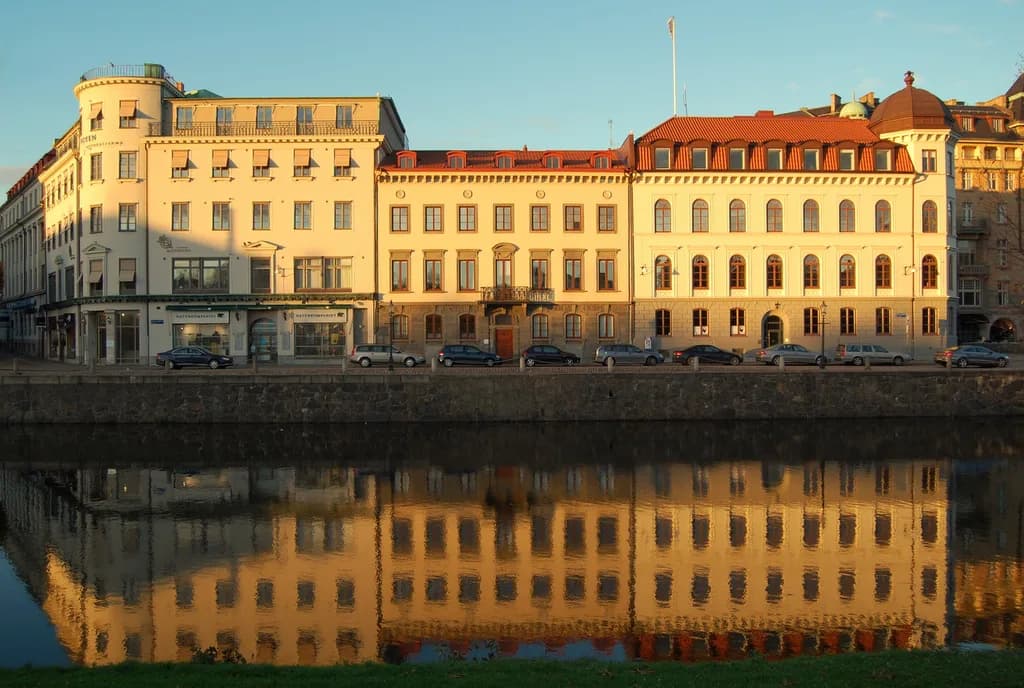
In practice, Kungstorget is a natural pause on a centre walk: the hall, the square and the bazaar bridge over Vallgraven sit together, with the old town streets and the shopping core within easy reach.
Saluhallen Briggen in Linnéstaden
Saluhallen Briggen began life as Gothenburg's main fire station, serving from 1891 to 1990 before being converted into a small version of the big hall on Kungstorget. It sits on Nordhemsgatan, tucked between the buildings of Linnéstaden, so it suits a wander through that neighbourhood rather than a quick dash from the shopping streets.
The scale is the appeal: a compact hall where you can buy delicacies and have lunch, with plenty of variation between the counters. If you are already exploring the Haga and Linnéstaden side of town, it is a more natural stop than crossing back to Kungstorget.
Kville Saluhall on Hisingen
Kville Saluhall is the newest of the halls, inaugurated on 21 September 2013 in Lundby on Hisingen at Vågmästareplatsen. The building was designed by Gustav Apell Arkitektkontor, and it carries a mix of goods plus a selection of restaurants.
Because it sits across the water on Hisingen, it makes sense only if your route already takes you that way, for instance on a ferry crossing or a walk along the waterfront. On a one or two day break, the central hall gives you the same kind of shopping with far less travel.
Feskekôrka, the Fish Church
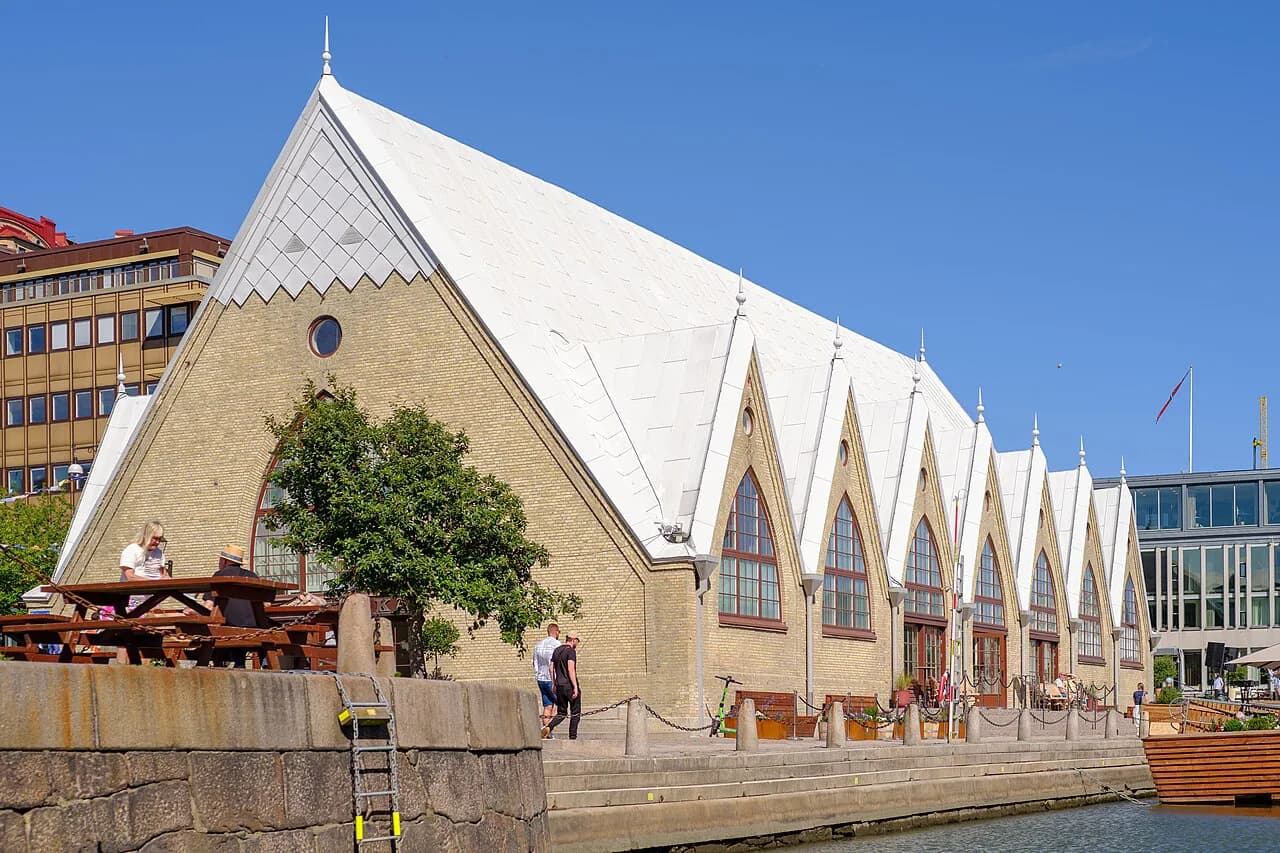
Feskekôrka, literally the Fish Church, is Gothenburg's iconic fish market hall and the clearest expression of the city's attachment to fish and shellfish. Visit Sweden singles it out as one of the defining food sights in Göteborg, so it earns a place on a short itinerary even if you are not buying.
Treat it as a different stop from the general food halls: here the point is seafood rather than cheese, meat and bread. If you only have time for one indoor market, choose Feskekôrka for the fish and Stora Saluhallen for everything else, and check the current access and opening details for the fish hall before you build a day around it.
How to choose between the halls on a one to four day trip
On a one or two day break, start with Stora Saluhallen on Kungstorget and add Feskekôrka if seafood interests you; both fit a single centre walk. With three or four days, slot in Saluhallen Briggen while exploring Linnéstaden and cross to Kville Saluhall on Hisingen only if your route already heads that way.
A sensible shape is a morning of walking with a hall as the mid-point pause: browse, buy something for later and carry on rather than building the day around a single market. The Gothenburg walking tour route through the centre passes close to Kungstorget, which makes the big hall an easy insert.
Where the halls sit in relation to the shopping streets
Stora Saluhallen's position on Kungstorget puts it inside the moat, a short walk from the main shopping core, so it pairs naturally with a retail afternoon. It is a good place to pick up edible gifts or a picnic lunch between shops rather than a detour.
Linnéstaden's hall and the Hisingen hall both sit outside that central retail run, so they work best as neighbourhood stops when you are already in those areas. If your priority is the shopping itself, keep the centre; if it is seeing how Gothenburgers shop for food, the outlying halls show a quieter side.
Which hall should you start with?
Start with Stora Saluhallen on Kungstorget: it is central, historic and the simplest hall to reach on foot, and it shows you the 1889 building as well as the food. Add Feskekôrka for seafood, then keep Briggen and Kville Saluhall for days when your route already takes you west into Linnéstaden or across to Hisingen.
Explore more Gothenburg guides
Frequently Asked Questions
Is Gothenburg cheap or expensive for market shopping?
Prices vary by trader and product, and the halls sell speciality food rather than bargain groceries. Compare counter prices on the day and buy small quantities if you are watching the budget.
Do Gothenburg's market halls open on Sundays?
Opening days differ between individual traders and halls and change with the season. Check each hall's own listing before you set out, especially for a Sunday or public holiday.
What is Gothenburg famous for food-wise?
Fish and shellfish are the city's signature, with Feskekôrka as the iconic fish market hall. The general halls add cheese, meat, olives and bread.
Sources
Notes for your next Swedish city break
Optional updates to our Sweden guides.
You might also like
Continue reading
More guides you'll find useful