Gothenburg Ferries: Archipelago Islands, Denmark and Germany
Gothenburg ferries split two ways: year-round archipelago boats on a Västtrafik Zone A ticket, or Stena Line sailings to Denmark and Germany.
On this page
If you want islands, you want the southern archipelago: car-free ferries leave from Saltholmen all year, and a Västtrafik Zone A ticket covers the tram, bus and boat in one go. If you want a mini-cruise to another country, you want Stena Line, which sails from Gothenburg to Frederikshavn in Denmark and to Kiel in Germany. This guide separates the two products, because booking the wrong one is the easiest mistake to make with a Gothenburg ferry.
It covers which islands are quickest to reach, where the boats leave from in the city, how bikes work on board, and how much of a one to four day break each crossing eats up. It sits alongside the wider things to do in Gothenburg, so you can slot a boat trip into a day that also has streets, squares and fika in it.
Which Gothenburg ferry you actually want
The city's ferries fall into two unrelated systems. The archipelago boats are part of the ordinary public transport network run with Styrsöbolaget, aimed at commuters and day-trippers, and they take you to car-free islands within about an hour of the centre. The Stena Line ships are international crossings to Denmark and Germany, with vehicle decks, cabins and a much longer journey.
Decide by how much time you have. A southern archipelago return works inside a single day and leaves your evening free; a Stena Line crossing is a trip in its own right, so treat it as the purpose of a night away rather than a sightseeing add-on.
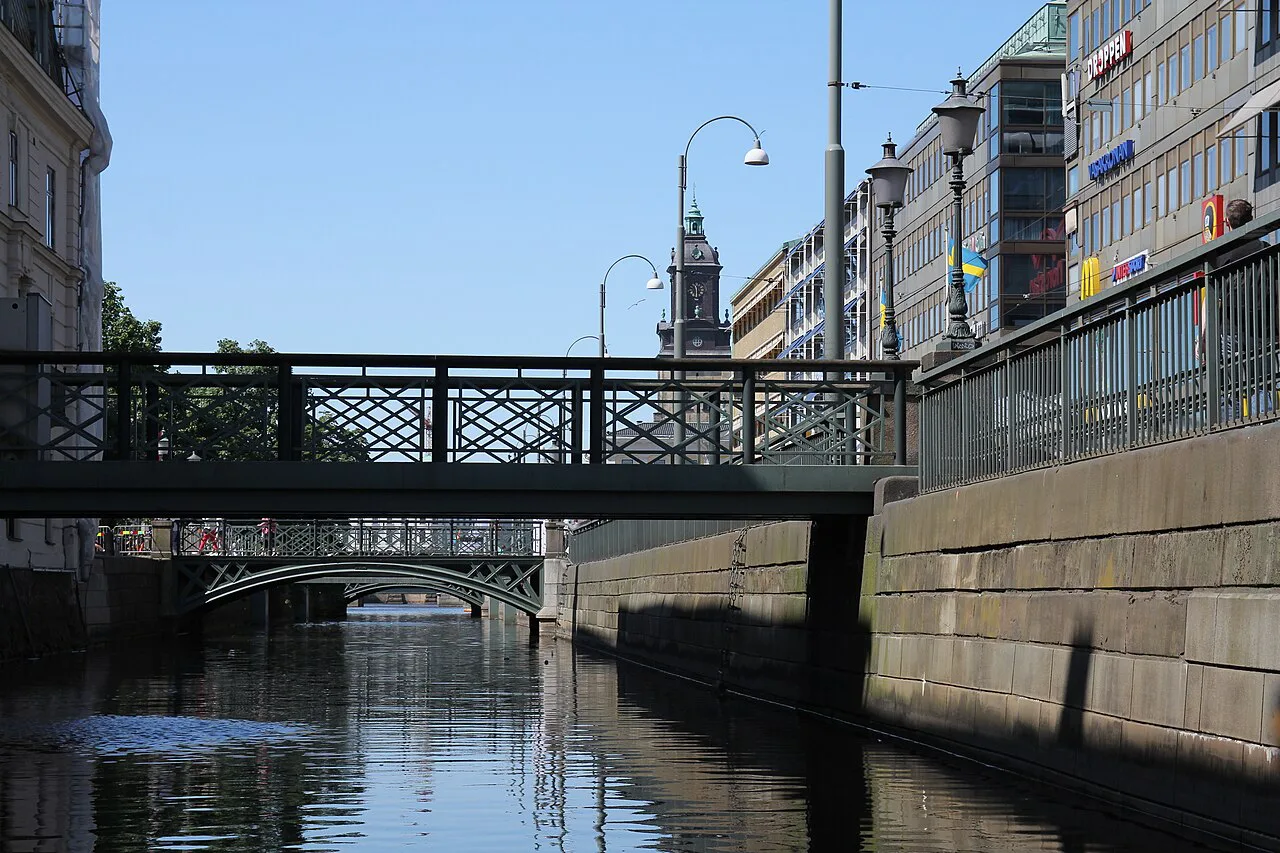
Southern archipelago by ferry: car-free islands from Saltholmen
The southern islands are the straightforward choice for a visitor without a car. Ferries run year-round from Saltholmen to car-free islands including Styrsö, Donsö and Vrångö, and the boats are ordinary Västtrafik services rather than excursions. That means you board like a tram passenger and step off onto a car-free island with paths, rocks and swimming spots.
Vrångö is the furthest of the main southern islands and the quietest, so it suits a full day rather than a quick hop. For a shorter outing, get off earlier and walk the village lanes. Ferries are part of the public transport network, which keeps planning simple: one ticket type, one app, no separate excursion booking.
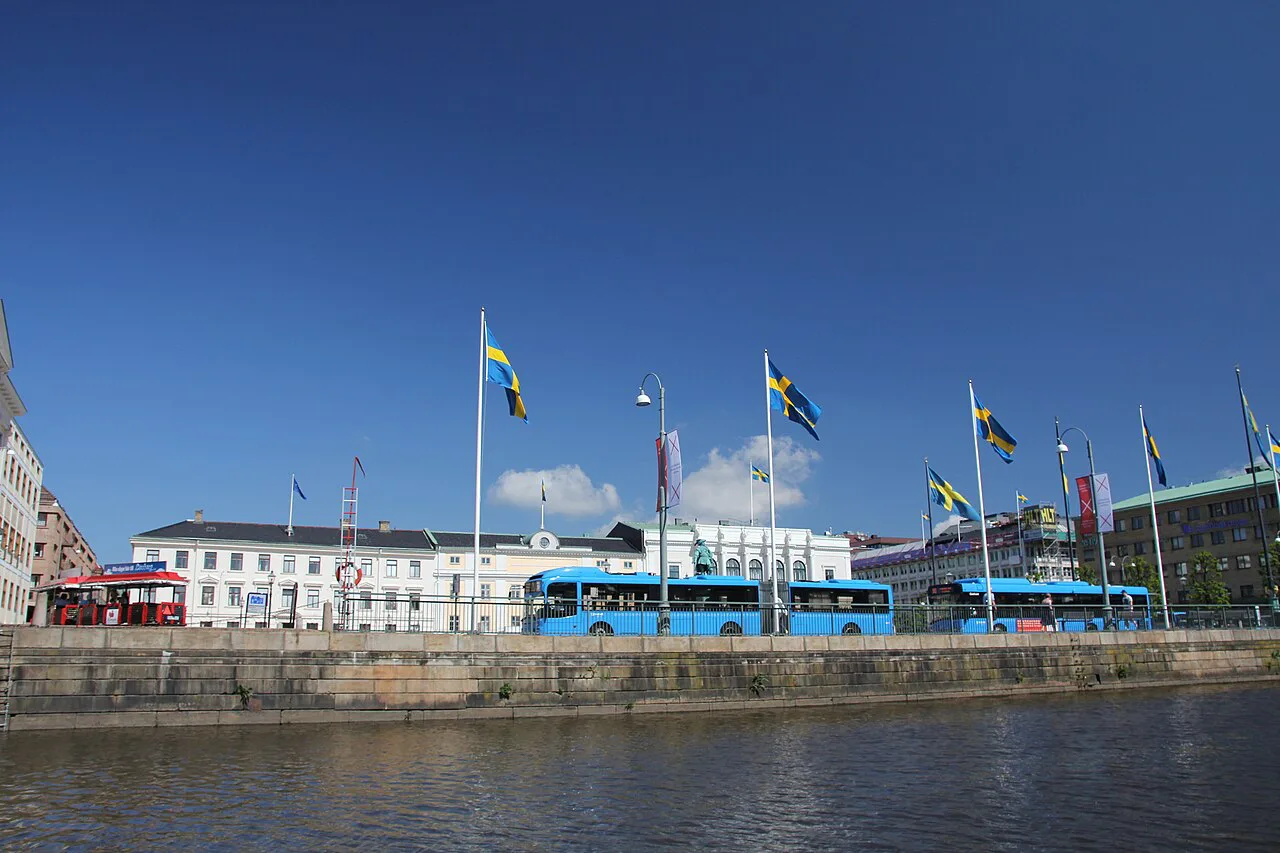
Using a Västtrafik Zone A ticket on trams, buses and ferries
The southern archipelago sits inside Västtrafik's Zone A, so a single zone ticket covers the whole journey by tram, bus and ferry. You do not need to buy a ticket covering several zones to reach the islands, whether you travel via Saltholmen or take a boat directly from Stenpiren. The same ticket types apply on the ferries as on buses and trams.
For a visitor, a Zone A day ticket is the convenient option: buy it in the Västtrafik To Go app or the journey planner before you set out, then tap through the whole day. Fares change, so check the current Zone A price in the app rather than relying on a figure from an old blog post.
Ferries straight from Stenpiren in the city centre
You do not have to trek out to Saltholmen to get on the water. Lines 281 and 282 run from Stenpiren to Styrsö, Donsö and Vrångö all year, with a total journey time of about one hour and thirty-five minutes. Starting in the centre saves a cross-city tram ride and offers a convenient alternative to travelling out to Saltholmen first.
The trade-off is frequency. Departures from Stenpiren are limited, with two sailings per day Monday to Friday, plus weekend sailings in summer. If your day hinges on a particular boat, the Saltholmen route gives you far more room to manoeuvre, so check the timetable against your plan before choosing Stenpiren for convenience alone.
Northern archipelago by free road ferry from Lilla Varholmen
The northern archipelago is the one for cars, bikes and buses. Free road ferries run from Lilla Varholmen to Hönö and Björkö, and from Hönö you can continue across bridges to Fotö, Öckerö and Hälsö. The crossing to Hönö takes about twelve minutes; the Björkö crossing takes about six.
These islands are inhabited, with roads and services rather than the bare car-free feel of the south. From Björkö, a passenger ferry leaves from Framnäs, a short walk away, for the car-free islands of Kalvsund and Grötö. Parking is limited on the smaller islands, so leaving the car at the terminal is the calmer choice.
There is also a seasonal option straight from the city. In summer, the vessel M/S Kungsö runs from Stenpiren directly to Hönö Klåva; tickets are sold through Styrsöbolaget rather than as part of the ordinary network. Outside that season, the Lilla Varholmen crossing is the route to plan around.
Reaching Saltholmen and Lilla Varholmen from central Gothenburg
For the southern archipelago, tram 11 runs to Saltholmen in about thirty-five minutes, with line 9 added in summer. Bus 114, known as Ö-snabben, takes about twenty-five minutes. You can also cycle all the way from the centre if the weather is on your side.
For the northern archipelago, bus X6 runs from Central Station to Lilla Varholmen, and bus 290 from Järntorget goes all the way to Hönö, Öckerö and Hälsö, ferry crossing included. By car, follow road 155 towards Hisingen and Öckerö. Both terminals are a proper journey from the centre, so build the transfer into your day rather than treating it as a five-minute walk.
Taking a bike on the archipelago ferries
Bikes are allowed on the southern archipelago ferries only if there is enough room on board. That is not a guarantee, and busy summer sailings are exactly when space runs out. If the boat is full, you may be waved on to the next departure, which matters if you are aiming for a specific return.
The alternative is to ride out to the terminal and take the bike across. There are good cycle paths from central Gothenburg to Lilla Varholmen, and you can wheel your bike onto the free car ferry there. For island hopping on two wheels, the northern route is more predictable than queuing for space on the southern boats, and bike rental in Gothenburg makes a good starting point if you are travelling without your own.
Stena Line from Gothenburg to Frederikshavn in Denmark
Stena Line's Frederikshavn route is the most direct sea link between Sweden and Denmark, with a sailing time of about three hours and thirty minutes. It docks at Frederikshavn in Jutland, which puts Danish streets and a very different city break within reach of Gothenburg's waterfront.
For a short break, this is the realistic international ferry: pick a sailing that leaves you time in Denmark before the return. Fares move with demand and season, so get the current price and departure times from Stena Line when you book rather than budgeting from a fixed figure.
Stena Line from Gothenburg to Kiel in Germany
The Kiel crossing is a different proposition, because Germany is a long way from Gothenburg by sea. Ferry route listings show the Gothenburg–Kiel sailing in the region of fourteen and a half hours, which makes it an overnight voyage rather than a day out. Treat it as a leg of a longer journey, not an afternoon activity.
If your plan is a two-city trip taking in Gothenburg and northern Germany, that overnight crossing can replace a flight and a hotel night. If you are in Gothenburg for three days, it simply does not fit. Cabin types and departure times change by season, so read them on Stena Line's own pages before committing.
Gothenburg's two ferry terminals and how to reach them
The international ferries use two terminals on the river, across from the city centre. Masthuggskajen handles the Denmark sailings and Tysklandsterminalen handles Germany; both sit on the Göta river side, within walking reach of the centre. Terminal facilities include a snack bar, a café and a passenger lounge, and the terminal is accessible for wheelchair users with accessible toilets.
On foot the walk from the centre takes around twenty-five minutes; buses and trams from the Järnvågen stop take ten to fifteen minutes. By car the centre is about eight minutes away and both terminals are signposted. Masthuggskajen has short and long stay car parks, while the car park at Tysklandsterminalen is pay and display with coin payment, so arrive with coins or a plan.
How long to allow in Gothenburg if a ferry is part of the trip
With one day, keep it simple: take tram 11 to Saltholmen, ride to one southern island and come back. That gives you a few hours ashore without touching the international terminals. A wander through Gothenburg Old Town or a coffee stop in a café fills the rest of the day nicely, and a walking tour is an easy way to use the hours before your boat.
With two or three days, add a second island or the northern archipelago, and consider the Stenpiren departure as a city-centre start on a day when the limited sailings suit you. Reserve the Frederikshavn crossing for a four-day trip or for a break built around Denmark; the Kiel route works best when it replaces a flight on a longer itinerary.
Which ferry should you book?
Book the southern archipelago if you want islands: year-round boats from Saltholmen or Stenpiren, a Zone A ticket, and a day that fits inside a city break. Choose the northern route if you have a car, a bike or a bus pass and want bridges, villages and the twelve-minute crossing to Hönö.
Choose Stena Line only when the crossing is the point: Frederikshavn for a short Danish hop, Kiel for an overnight leg of a longer trip. The terminals are a short ride from the centre, so neither option needs to swallow your whole stay. Check current times and fares before you commit, then build the rest of the break around one boat rather than three.
Explore more Gothenburg guides
Frequently Asked Questions
Can I use an ordinary city transport ticket on the archipelago ferries?
Yes, on the southern archipelago. Those boats are part of Västtrafik's ordinary network and sit inside Zone A, so the same ticket covers tram, bus and ferry whether you start from Saltholmen or Stenpiren. The northern road ferries from Lilla Varholmen are free for the crossing.
Sources
Notes for your next Swedish city break
Optional updates to our Sweden guides.
You might also like
Continue reading
More guides you'll find useful